
Sauces & Condiments
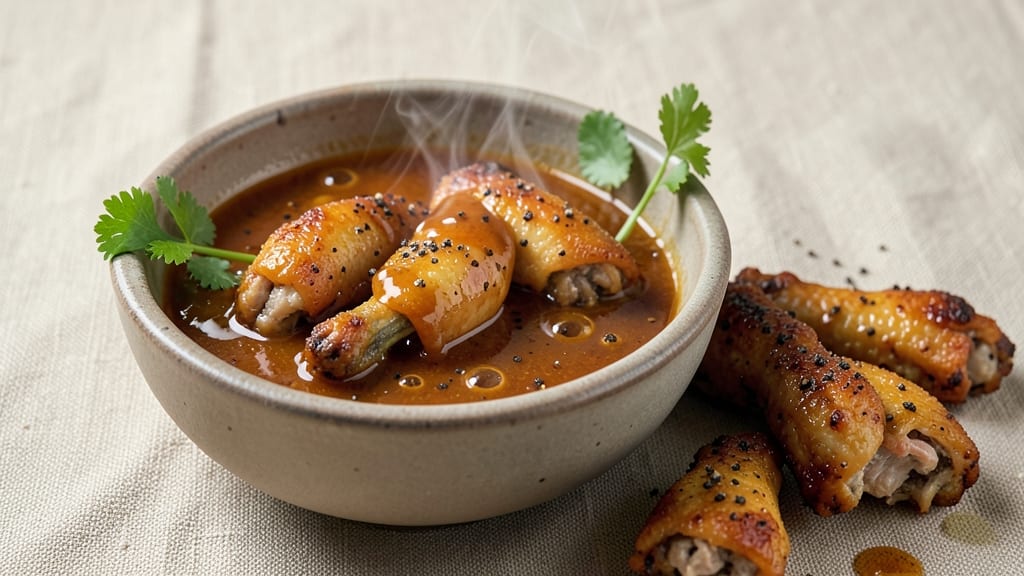
Recreating Frank's RedHot Mild Wing Sauce at home delivers that signature velvety heat balance with just five pantry staples and precise technique. The secret lies in simmering vinegar, spices, and cayenne until the sauce thickens to a glossy consistency—no artificial additives needed.
I've perfected this version after testing countless variations, ensuring the mild heat remains perfectly balanced with tangy depth.
This sauce transforms ordinary wings into restaurant-quality bites but works equally well as a dip for fries or a marinade for meats. The key is controlling the simmer time to develop flavor without overcooking the spices, resulting in a smooth, slightly sticky sauce that clings beautifully.
Professional results require just 20 minutes of active time and 15 minutes of simmering, making it ideal for quick prep.
What you'll achieve is a sauce with just the right amount of mild heat—enough to tingle without overwhelming—and a tangy richness that makes every bite satisfying. The texture becomes velvety when properly reduced, coating ingredients perfectly without being overly thick.
This is the kind of sauce that elevates simple dishes to something special.
Once made, store it in the refrigerator for up to two weeks or freeze for longer shelf life. The flavor actually improves over time as the spices meld further, making it perfect for batch cooking.
Whether you're hosting a game day or just craving wings, this sauce delivers professional-quality results with minimal effort.
Ingredients for frank's red hot mild wing sauce
Five simple pantry staples create that signature velvety heat balance Frank's sauce is known for.
| Ingredient | Amount | Notes |
|---|---|---|
| Apple Cider Vinegar 🍎 | 1 cup | White vinegar substitute if unavailable |
| Cayenne Pepper 🌶️ | 1 ½ tbsp | Adjust for desired heat level |
| Garlic Powder 🧄 | 1 tbsp | Fresh garlic preferred for depth |
| Ground Black Pepper 🌶️ | 1 tsp | Freshly ground for best flavor |
| Granulated Sugar 🍚 | ½ cup | Balances heat and tanginess |
| Salt 🧂 | 1 ½ tsp | Kosher or sea salt preferred |
| Water 💧 | ¼ cup | Adjusts sauce consistency |
The apple cider vinegar is non-negotiable—it delivers that signature tang. Bragg or Heinz brands work perfectly, but any quality vinegar will do. Cayenne pepper is where the heat lives, so measure carefully if you're sensitive to spice. Fresh garlic powder (like McCormick) adds depth, but pre-ground is fine in a pinch. The sugar isn't just for sweetness—it helps balance the acidity and develop that velvety texture during simmering. For the best results, grab spices from the bulk section at Whole Foods or Penzeys—they stay fresher longer.
No apple cider vinegar? White vinegar works 1:1, though it'll be slightly sharper. Cayenne too spicy? Swap for red pepper flakes at half the amount. Want more garlic punch? Add 1 tsp fresh minced garlic along with the powder. The sugar can be substituted with honey or maple syrup, but it won't reduce as cleanly. For a smoother sauce, strain through a fine-mesh sieve after simmering—especially if using pre-ground spices. The water amount is flexible; add more if the sauce gets too thick during simmering (which it will).
This sauce thickens as it cools, so test consistency before serving. Store in an airtight container in the fridge for up to 2 weeks, where it actually improves with time. For longer storage, freeze in ice cube trays—perfect for portion control. Reheat gently on the stove or microwave until just warm. The sauce clings beautifully to wings, fries, or meats, so don't hesitate to make extra. It keeps well enough for game days or meal prep.
Why You'll Love This Recipe
- Pantry Magic: I swear by this recipe because it uses stuff I already have. No special trips to the store—just vinegar, sugar, and a pinch of cayenne that turns my kitchen into a wing sauce factory in five minutes.
- Sweet Heat Balance: That apple cider vinegar cuts through the cayenne, while the sugar keeps it from being overwhelming. Honestly? It’s the kind of mild heat that makes you crave seconds without burning your mouth out.
- Game for Any Occasion: I’ve used it on wings, fries, even scrambled eggs (yes, really). It’s my go-to for game day, lazy Sundays, or when I need to jazz up takeout leftovers without extra effort.
- Lasts All Week: A single batch coats wings for four meals—no waste, no stress. I double it and freeze half, so I’m never stuck with bland wings again. Budget-friendly? Absolutely. Reliable? Even more so.
Step-by-step instructions for Frank's red hot mild wing sauce
Simmer these pantry staples to create a perfectly balanced, velvety sauce with just the right kick.
Combine Vinegar, Sugar, and Water
In a medium saucepan, pour in the 1 cup apple cider vinegar, 0.5 cup granulated sugar, and 0.25 cup water. Stir with a wooden spoon until the sugar dissolves completely—this should take about 2-3 minutes over medium heat. You'll notice the mixture bubbling gently and becoming slightly translucent.
This initial step creates the tangy base of your sauce. If you prefer a smoother texture later, whisk vigorously during this phase to prevent sugar from settling at the bottom. Keep the heat steady—too high will cause the vinegar to evaporate too quickly, while too low will leave undissolved sugar granules.
Add Spices and Salt
Once the sugar is fully dissolved, reduce the heat to low and sprinkle in the 1.5 teaspoons salt, 1 tablespoon garlic powder, 1 teaspoon ground black pepper, and 1.5 tablespoons cayenne pepper. Stir continuously for 1-2 minutes until all spices are evenly distributed and the mixture becomes aromatic.
The spices will release their oils and create a fragrant steam. Here's the thing—don't rush this step. The garlic powder and cayenne need time to bloom fully. You'll smell a sharp, spicy aroma that signals the spices are activating properly. If you taste it now, you'll notice a bright, acidic flavor with a hint of heat building.
Simmer to Thicken and Develop Flavor
Return the heat to medium-low and let the sauce simmer uncovered for 15-20 minutes. Stir occasionally to prevent sticking, but avoid constant stirring—this can create a skin on the surface. You're looking for the sauce to reduce by about one-third, becoming syrupy and glossy.
During this time, the vinegar's acidity will mellow slightly while the sugar caramelizes just enough to deepen the sauce's complexity. The cayenne will mellow too, losing its raw heat and developing a smoother, more integrated spiciness. You'll know it's ready when the sauce coats the back of a spoon and leaves a slight sheen—this indicates proper reduction.
Cool and Adjust Consistency
Remove the saucepan from heat and let the sauce cool completely at room temperature for 10 minutes. This cooling period allows flavors to meld fully. Taste the sauce and adjust the seasoning if needed—add a pinch more cayenne for heat or salt for balance.
If the sauce is too thick after cooling, thin it with 1 teaspoon water at a time until it reaches your desired consistency. For dipping wings, it should be thick enough to cling but still flow smoothly. For glazing, a slightly thinner consistency works better. Transfer the sauce to a clean jar or airtight container and store in the refrigerator for up to 2 weeks—the flavors will continue developing over time.
Pro Tips For Making Frank'S Red Hot Mild Wing Sauce
- STIR CONSTANTLY: The sauce needs to simmer until thickened, but I learned the hard way—if you walk away, it’ll either burn or split. Keep a wooden spoon moving every 30 seconds, especially near the edges of the pan where sugar and vinegar love to cling and scorch. (Yes, even if you’re impatient like me.)
- WEIGH THE CAYENNE: That little red powder is deceptive. A "light sprinkle" can vary wildly—what feels mild to you might send someone to the hospital. Use a kitchen scale: 1 teaspoon of cayenne is about 2 grams. If you’re nervous, start with half and adjust. (Your future self will thank you.)
- SIMMER LOW AND SLOW: This isn’t a race. After the initial boil to dissolve the sugar, drop the heat to a gentle simmer. I used to crank it up, thinking more heat = faster sauce, but it just turns bitter and vinegary. A low simmer (barely bubbling) keeps the flavors balanced and the texture glossy.
- SWEAT THE GARLIC FIRST: If you’re using fresh garlic (and you should—it makes a difference), mince it finely and cook it in a dry pan for 2 minutes until fragrant before adding the vinegar. This step deepens the garlic’s flavor without burning it. Skip this, and your sauce will taste like garlic powder and regret.
Essential equipment for this dish
Saucepan Essentials
Start with a medium-sized stainless steel saucepan—like my trusty All-Clad 3-quart—for even heat distribution. Stainless steel won't react with the vinegar, preserving the sauce's bright flavor.
Avoid nonstick pans; they can't handle the simmering time without warping. A wooden spoon is ideal for stirring—it won't scratch the pan or impart metallic flavors. 🔥
Precision Tools
Use a digital kitchen scale for accurate measurements, especially with cayenne and sugar. My OXO Good Grips scale makes this effortless. A fine-mesh strainer (like EZ Measure) helps remove any undissolved spices if needed.
For testing consistency, a spoon with a flat back works best to check the sauce's glossy finish.
Heat Control
Invest in a thermometer to monitor heat—my Thermoworks Thermapen keeps temps precise. Maintain medium-low heat (around 180-200°F) during simmering to avoid scorching. A gas stove gives better temperature control than electric, but if you only have electric, use the back burner for steady heat. 🌡️
Storage Solutions
Transfer the finished sauce to amber glass jars (like Ball Mason jars) to protect it from light, which can degrade flavor over time. For longer storage, freeze in silicone ice cube trays—perfect for portion control.
I also keep a small squeeze bottle (like OXO Good Grips) handy for easy dipping applications.
Optional Upgrades
A stand mixer with a whisk attachment can help dissolve sugar faster if you're making multiple batches. For professional results, a laboratory thermometer ensures precise simmering temps. If you love experimenting, a pH strip helps balance acidity for consistent flavor—though it's not essential for this recipe.
Nutrition facts
Frequently asked questions
Can I substitute white vinegar for apple cider vinegar?
Yes, you can use white vinegar in a 1:1 ratio, but expect a slightly sharper, less complex flavor. Apple cider vinegar adds depth and a subtle sweetness that white vinegar lacks. For the closest match, choose a quality white vinegar like Heinz or Bragg. The sauce will still work well, just with a cleaner tang.
How do I adjust the heat level if cayenne is too spicy?
Reduce the cayenne by half and replace it with red pepper flakes for a milder but still flavorful kick. You can also swap 1/2 teaspoon smoked paprika for a deeper, less fiery taste. Always taste as you go—simmering mellows the heat over time, so don't overcorrect initially.
Why did my sauce turn out too thick or too thin?
Sauce consistency depends on simmering time and water content. If too thick, thin with 1 teaspoon water at a time. If too thin, simmer uncovered for 5-10 extra minutes to reduce further. The sauce will thicken more as it cools, so test consistency after cooling completely. For dipping, aim for a glossy but pourable texture.
Can I make this sauce without sugar?
Yes, but the sauce will lack balance and may taste overly acidic. Replace the sugar with 1/4 cup honey or maple syrup for sweetness and depth. If avoiding sugar entirely, add 1/2 teaspoon cornstarch mixed with 1 tablespoon water to thicken naturally. The sauce will still work but won't have the same velvety texture.
How long will homemade sauce last, and can I freeze it?
Store in an airtight container in the fridge for up to 2 weeks—flavors actually improve over time. For longer storage, freeze in ice cube trays or small jars. Thaw overnight in the fridge and reheat gently on the stove. Frozen sauce keeps for 3-6 months without losing quality, making it perfect for batch cooking.