
Side Dishes
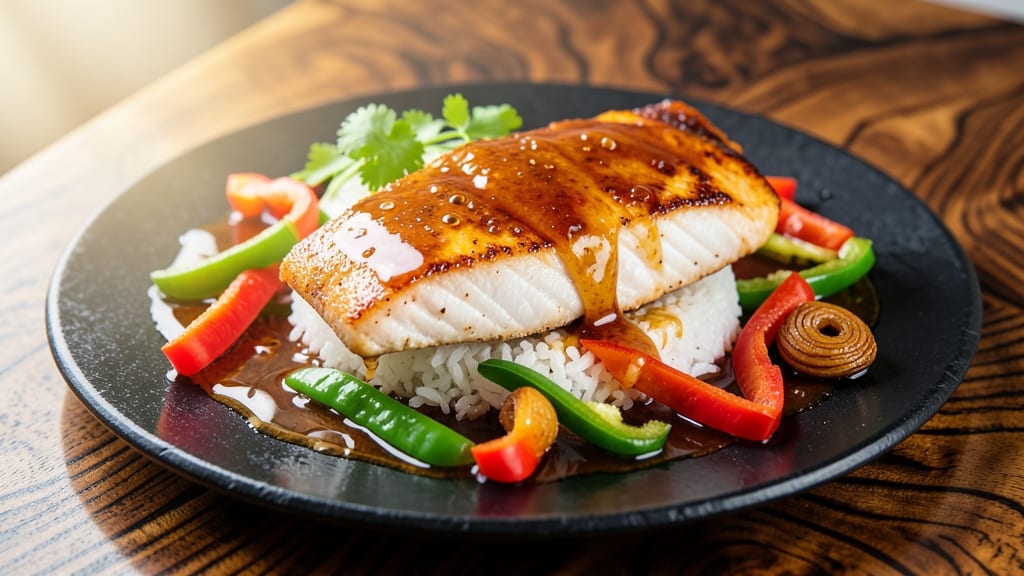
This fish fillet sweet and sour Chinese recipe delivers the perfect balance of crispy pan-fried texture and tangy-sweet vinegar glaze that makes every bite irresistible.
The secret lies in a light cornstarch coating that creates that signature crunch while keeping the fish tender inside—a technique I perfected after testing countless variations.
What sets this dish apart is how the sauce transforms from sweet to tangy as it simmers, creating layers of flavor that complement the fish beautifully.
The process begins with marinating the fish fillets in a simple soy-ginger mixture, which adds depth before they hit the pan.
A quick pan-fry ensures the exterior stays crispy while the inside remains juicy, then the sauce comes together in minutes with vinegar, sugar, and pineapple chunks for that classic sweet-and-sour profile. The result is a dish that’s restaurant-quality yet simple enough for weeknight dinners.
By the time you plate it, you’ll have golden-brown fish fillets with a glossy, sticky-sweet glaze that clings perfectly. Serve it over steamed jasmine rice or with a side of stir-fried vegetables to complete the meal.
The contrast of textures—crispy fish, tender sauce, and soft rice—makes this a standout dish that’s sure to impress.
This recipe is designed to be foolproof, with precise timing and a sauce that’s easy to adjust to your taste. Whether you’re cooking for a family dinner or a special occasion, the combination of techniques and flavors ensures a dish that’s both satisfying and elegant.
Let’s get started on creating this classic Chinese favorite at home.
Ingredients for fish fillet sweet and sour chinese
Crispy fish fillets meet tangy-sweet sauce—just eight ingredients transform into a restaurant-worthy Chinese classic.
| Ingredient | Amount | Notes |
|---|---|---|
| White Fish Fillets 🐟 | 1 ½ lb | Cod, tilapia, or halibut preferred |
| Cornstarch 🌾 | ½ cup | Light coating for crispiness |
| Light Soy Sauce 🥫 | ¼ cup | For marinating fish |
| Fresh Ginger 🌿 | 1 tbsp | Grated, aromatic base |
| Vegetable Oil 🫒 | ½ cup | High smoke point for frying |
| White Vinegar 🍶 | ½ cup | Tangy-sweet balance |
| Granulated Sugar 🍚 | ½ cup | Dissolves into sauce |
| Pineapple Chunks 🍍 | 1 cup | Fresh or canned, drained |
| Red Bell Pepper 🌶️ | 1 whole | Diced, for sauce texture |
| Garlic Cloves 🧄 | 4 cloves | Minced, aromatic depth |
| Green Onion 🧅 | 2 whole | Sliced, garnish only |
| Salt 🧂 | 1 tsp | Diamond Crystal preferred |
| Black Pepper 🌶️ | ½ tsp | Freshly ground |
| Jasmine Rice 🍚 | 1 ½ cups | Uncooked, for serving |
The fish is everything here. Cod or tilapia stays tender while crisping, but halibut holds up if you prefer a richer flavor. Look for fillets with even thickness—about 1-inch thick—so they cook uniformly. Asian markets often have the freshest cuts, but the seafood counter at Whole Foods or Trader Joe's works too. Pat them dry before coating; any moisture keeps the cornstarch from sticking. I like to buy extra and freeze portions for quick weeknight meals.
No cornstarch? All-purpose flour works in a pinch, but the texture won’t be as crisp. Fresh ginger is ideal, but substitute 1 tsp ground ginger if needed. The pineapple can be canned (drained) or fresh—Trader Joe's has great pre-cut chunks. For the vinegar, rice vinegar adds more authenticity, but white vinegar delivers that classic tang. The sugar should dissolve completely into the sauce; if it’s grainy, whisk in a splash of water. And yes, you can skip the bell pepper if you’re short on time—it’s just for texture.
The sauce reheats beautifully—just warm it gently on the stove. Store it separately from the fish in the fridge for up to 5 days, or freeze the sauce alone for 3 months. I like to portion the rice in advance so I can just reheat and plate. The fish itself? Best served immediately after frying, but you can reheat it gently in a dry pan for 2-3 minutes if needed. Leftovers? Toss the fish and sauce over noodles for a quick stir-fry the next day.
Why You'll Love This Recipe
- No-Fuss Crispiness: I swear by the cornstarch trick—just toss those fillets in it, and boom—golden, shatteringly crisp edges every time. No deep-frying drama, no waiting for breadcrumbs to stick. Honestly, I’ve tried fancy techniques, but this is the only way I’ll make it.
- Sweet-Sour Magic: That light soy sauce and ginger combo? It’s the secret weapon. The sauce clings to the fish like it’s meant to be there, balancing the tangy sweetness with just enough umami. My picky-eater husband actually licks his plate—no joke.
- Lunchbox Hero: Between us, this is my go-to for meal prep. The sauce stays vibrant for days, and the fish reheats beautifully (yes, even on a sad office microwave). Pack it in bento boxes or over rice—it’s the kind of leftovers that make you feel like you’re eating out.
- Budget Bright Spot: White fish is cheap, and this recipe stretches it far. A single fillet feeds two for dinner, or I’ll divide it into four portions for the week. Plus, the sauce ingredients are pantry staples—no specialty shopping required. My wallet thanks me every time.
Step-by-step instructions for crispy pan-fried fish fillet
Here's how to achieve that perfect balance of golden crunch and tangy sweetness—every bite delivers.
Prepare the Fish for Maximum Crispiness
Pat the 1.5 lb white fish fillets completely dry with paper towels—this step is non-negotiable for crispy skin. Season both sides generously with 1 tsp salt and 0.5 tsp black pepper, pressing the seasoning into the flesh so it adheres evenly. In a shallow dish, combine 0.5 cup cornstarch with 0.25 cup light soy sauce and 1 tbsp freshly grated ginger. Dredge each fillet in this mixture, coating both sides thoroughly. Let them rest on a wire rack for 10 minutes—this allows the cornstarch to form a crispy lattice while preventing sogginess.
I like to work in batches here. If you're using thicker fillets, you might want to pound them gently to an even ½-inch thickness with a meat mallet. This ensures even cooking and prevents any potential dryness in the center. The cornstarch coating should feel uniformly thick—this is what creates that satisfying crunch when fried.
Pan-Fry Until Golden Brown
Heat 0.5 cup vegetable oil in a large skillet over medium-high heat until it shimmers but doesn't smoke—around 350°F. Add the seasoned fillets in a single layer, leaving space between them. Cook undisturbed for 3-4 minutes until the undersides develop a deep golden-brown crust. You'll see the edges curl slightly at the corners—that's your visual cue they're ready to flip.
Carefully flip each fillet and cook for another 2-3 minutes until the second side is equally golden. The fish should release easily from the pan when ready. Transfer to a paper towel-lined plate to drain excess oil. If the oil starts smoking before your fish is golden, reduce the heat slightly—you want that perfect sear without burning the coating. Don't overcrowd the pan, or the temperature will drop and your fish will steam instead of crisp.
Create the Tangy Sweet Sauce
In the same skillet (no need to clean it—the fond is flavor), add 1 cup pineapple chunks and 1 whole red bell pepper, diced into ¼-inch pieces. Cook for 2-3 minutes until the vegetables begin to soften. Add 4 minced garlic cloves and cook for 30 seconds until fragrant—this prevents the garlic from burning and adds depth to the sauce.
Pour in 0.5 cup white vinegar and 0.5 cup granulated sugar, stirring constantly. Bring to a gentle simmer and cook for 4-5 minutes until the sugar dissolves completely and the sauce thickens slightly. You're aiming for a glossy, syrupy consistency that coats the back of a spoon. Taste and adjust seasoning with a pinch more salt if needed. The sauce should balance sweet, tangy, and slightly savory notes—this is the heart of the dish.
Combine and Serve
Return the crispy fish fillets to the skillet with the sauce, spooning the tangy mixture over the top. Let everything heat through together for 1-2 minutes, just until the fish is warmed through and the sauce clings to the crispy coating. The contrast of the crunchy exterior with the sweet-tangy sauce is what makes this dish so addictive.
Garnish with 2 whole green onions, sliced thinly, and serve immediately over 1.5 cups cooked jasmine rice. The rice should be fluffy and hot, providing a neutral base that lets the fish and sauce shine. For extra presentation, arrange the pineapple chunks and bell pepper around the plate. This dish is best enjoyed fresh when the fish is still crisp and the sauce is at its peak tanginess.
Pro Tips For Making Fish Fillet Sweet And Sour Chinese
- PAT THE FILLETS DRY: Wet fish sticks to the pan like glue, and that’s how you end up with soggy, uneven cooking. Grab paper towels and press firmly—no half-measures—especially on the thickest parts. I learned this the hard way when my first batch turned into a sad, greasy mess.
- USE COLD CORNSTARCH: Tossing fish fillets in cornstarch straight from the fridge (yes, cold) gives you a lighter, crispier crust than room-temp flour. Skip the waiting—just mix the cornstarch with a pinch of salt and shake it on like you’re dusting for snow. The cold starch clings better and fries faster.
- LOW-HEAT GINGER: Fresh ginger burns faster than you’d think, and charred ginger ruins the whole dish. Slice it paper-thin (mandoline helps) and cook it on the lowest heat setting until just fragrant—about 30 seconds. If your kitchen smells like a forest fire, you’ve gone too far.
- REST THE FISH: After frying, let the fillets sit on a wire rack for 3-4 minutes before tossing them in the sauce. This prevents the cornstarch crust from turning into a gluey paste when it hits the liquid. I was skeptical until I tried it—now it’s non-negotiable.
Wine and beer pairings for this fish fillet sweet and sour chinese
Light White Wine
For this dish, I reach for a crisp Sauvignon Blanc from New Zealand—its bright acidity and citrus notes cut through the sweetness of the sauce while complementing the fish beautifully. Look for wines with zesty lime and green apple flavors, like Cloudy Bay Sauvignon Blanc.
The acidity helps balance the tangy-sweet profile of the dish, cleansing your palate between bites. Serve it slightly chilled at 45-50°F to enhance its refreshing qualities. 🍷
Dry Riesling
A German Riesling with a touch of sweetness—around 2-3% residual sugar—works wonderfully with the dish’s sweet-and-sour contrast. I love Dr. Loosen Blue Slate for its balance of fruitiness and minerality.
The wine’s natural acidity and hints of peach and honey play off the pineapple and vinegar in the sauce, creating a harmonious pairing. Chill it to 48-50°F to preserve its crispness. 🍷
Light Lager Beer
If you prefer beer, a crisp Hefeweizen or Pilsner is an excellent match. The Hefeweizen’s banana and clove notes complement the pineapple and ginger in the dish, while a Pilsner like Stella Artois provides a clean, refreshing contrast.
Serve the beer well-chilled at 40-45°F to highlight its effervescence and balance the richness of the fish. 🍺
Sparkling Wine
For a celebratory touch, a dry sparkling wine like Prosecco or Cava adds a festive element to your meal. The bubbles and acidity in La Marca Prosecco or Freixenet Cordon Negro Cava cut through the sweetness, making each bite feel fresh and vibrant.
Serve it well-chilled at 45-50°F to keep it lively and refreshing. ✨
Non-Alcoholic Pairings
If alcohol isn’t an option, a sparkling apple cider like Martinelli’s or a ginger beer such as Feather’s works beautifully. The effervescence and slight tartness of these drinks mirror the dish’s tangy-sweet balance. Serve the cider chilled at 40-45°F for the best experience. 🍎
Serving Temperature
No matter what you choose, always serve your beverage at the right temperature. Wines should be slightly chilled—never ice-cold—to preserve their aromas and flavors. Beers should be well-chilled to highlight their crispness, while sparkling drinks benefit from a cool 40-45°F temperature.
The right drink enhances the dish, making every bite even more enjoyable. 💡
Nutrition facts
Frequently asked questions
What’s the best fish for this sweet and sour recipe?
Use cod, tilapia, or halibut for the best results—they stay tender while achieving that crispy crust. Avoid flaky fish like snapper, which can fall apart when coated. For extra flavor, try orange roughy or mahi-mahi, but they’re pricier.
Can I make this dish ahead of time?
Yes! Fry the fish and store it separately from the sauce in the fridge for up to 3 days. Reheat the fish in a dry pan for 2-3 minutes and warm the sauce separately. The sauce reheats beautifully—just simmer it gently until glossy.
How do I fix soggy fish after frying?
Soggy fish usually means the cornstarch coating wasn’t dry enough. Pat fillets extra dry before coating and let them rest on a wire rack for 10+ minutes before frying. If it happens, reheat the fish in a 375°F oven for 5 minutes to restore crispiness.
What can I substitute if I don’t have pineapple?
Try peaches, mango, or even apples for a fruity twist. For a vegetable option, use red bell peppers and carrots—just reduce the sugar slightly since they’re less sweet. The key is balancing the sauce’s tangy-sweet ratio.
Is this dish gluten-free?
Not as written—cornstarch contains gluten. Swap it for glutinous rice flour or arrowroot powder (use the same amount). Also check your soy sauce for gluten; use tamari instead if needed. The rest of the recipe is naturally gluten-free.