
Sauces & Condiments
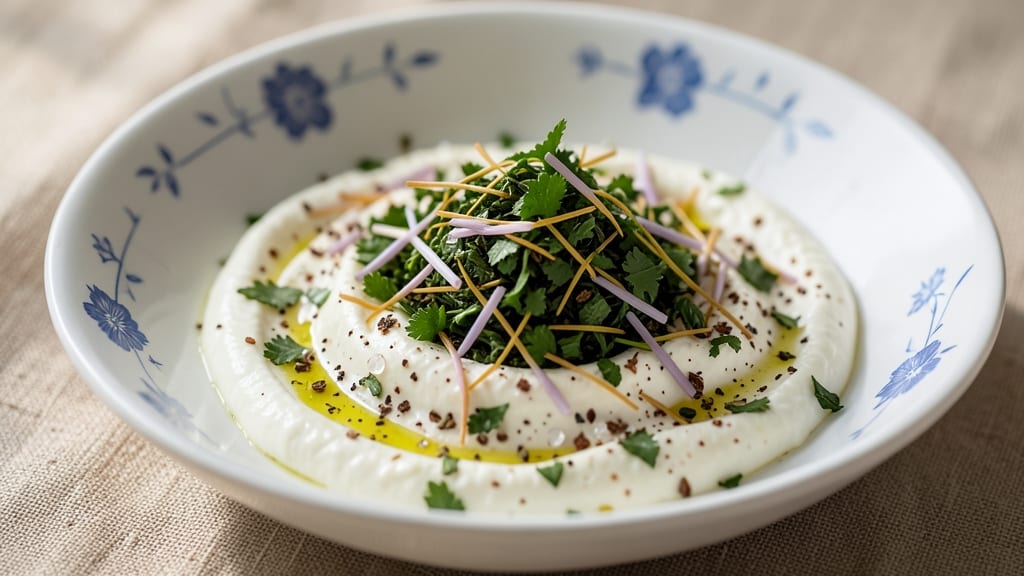
This classic fines herbes recipe transforms simple dishes into restaurant-quality meals with just a sprinkle—no fancy techniques required. Standing on a step stool in my grandmother’s kitchen in Sicily, I first learned how this timeless French herb blend elevates everything from roasted chicken to buttered vegetables.
The secret lies in balancing four essential herbs, each contributing its own magic: parsley for brightness, tarragon for anise-like depth, chives for mild sharpness, and thyme for earthy warmth.
What makes this blend so special is its versatility—it works as a seasoning for meats, a finishing touch for soups, or even a garnish for eggs. Unlike store-bought mixes, this version uses precise measurements (1 tablespoon each of dried herbs) to ensure consistent flavor every time.
The herbs are dried to concentrate their essence, so a little goes a long way. With just five minutes of prep and a jar for storage, you’ll have a pantry staple that lasts for months.
The result is a fragrant, aromatic seasoning that adds layers of complexity without overpowering. Imagine the bright green flecks of parsley and tarragon on buttered asparagus, or the earthy thyme and chives clinging to perfectly roasted chicken.
This blend is the kind of simple, foolproof tool that makes home cooking feel effortlessly sophisticated. Once you try it, you’ll never reach for generic seasoning blends again.
For those who prefer fresh herbs, a simple variation swaps dried for fresh—just quadruple the amounts and use immediately. Store the dried blend in an airtight container away from light, and it’ll stay potent for up to six months. Let’s create this timeless herb mix that belongs in every kitchen.
Ingredients for fines herbes
Four classic herbs plus a whisper of spice—this blend transforms ordinary dishes into restaurant-worthy creations.
| Ingredient | Amount | Notes |
|---|---|---|
| Dried Flat-Leaf Parsley 🌿 | 1 tbsp | Finely chopped preferred |
| Dried Tarragon 🌿 | 1 tbsp | Russian tarragon preferred |
| Dried Chives 🧅 | 1 tbsp | Mild onion flavor |
| Dried Thyme 🌿 | 1 tbsp | French thyme preferred |
| Kosher Salt 🧂 | ½ tsp | Diamond Crystal preferred |
| Ground Black Pepper 🌶️ | ¼ tsp | Freshly ground preferred |
| White Pepper 🌶️ | ¼ tsp | For subtle warmth |
| Ground Nutmeg 🌿 | ⅛ tsp | Freshly grated preferred |
The herbs are the heart of this blend, so quality matters. Penzeys Spices or bulk bins at specialty markets are ideal for sourcing—look for vibrant, aromatic herbs with no dusty residue. Russian tarragon has a more intense anise flavor than French, making it perfect for this blend. If you're using dried chives, ensure they're finely ground for even distribution. For the thyme, French thyme (thymus vulgaris) has a more robust flavor than English. Store-bought dried herbs can lose potency quickly, so buy small amounts and use them within 6 months for peak freshness.
No Russian tarragon? French tarragon works, though it's milder. Substitute dried chives with one-third the amount of onion powder for a similar savory note. For nutmeg, freshly grated adds warmth, but pre-ground is fine in a pinch. If you prefer a pepper-free version, simply omit the black and white pepper. For a bolder blend, add a pinch of ground coriander. This mix is designed to be versatile—use it as a finishing seasoning for soups, a rub for roasted meats, or even a sprinkle over buttered vegetables. The key is balance, so taste as you go and adjust to your preference.
Once mixed, store the fines herbes in an airtight glass jar away from light and heat for maximum potency. It'll keep for up to 6-12 months, though the flavor intensifies over time. For best results, shake the jar before each use to redistribute the herbs evenly. If you find the blend losing its aroma before that time, simply add a fresh pinch of dried thyme to revive it. This blend is so versatile, I keep a jar in my fridge for quick seasoning and another in my pantry for longer storage.
Why You'll Love This Recipe
- No Pantry Panic: I keep a jar of this mix on hand—no fresh herbs? No problem. Just shake, sprinkle, and let the parsley, tarragon, and thyme do their magic. My dried stash lasts months, and I never scramble for last-minute grocery runs.
- Herb Harmony Magic: That earthy tarragon with the bright parsley? It’s like a flavor hug for any dish. I’ve used it on roasted chicken, scrambled eggs, and even mashed potatoes—each time, the herbs sing together without overpowering.
- Weeknight Workhorse: Between us, this is my secret weapon for busy nights. Toss it into sauces, grains, or even popcorn for a gourmet touch. Honestly, I’ve made it work for everything from quick omelets to holiday roasts.
- Budget Booster: A little goes a long way—this mix costs pennies per use and stretches forever. I buy dried herbs in bulk, divide them into small jars, and label them. No waste, all flavor, and my wallet stays happy.
Step-by-step instructions for classic fines herbes seasoning
This timeless French herb blend delivers elegant flavor with minimal effort—just combine, mix, and store.
Measure All Ingredients Precisely
Gather all components using the exact quantities specified: 1 tablespoon each of dried flat-leaf parsley, tarragon, chives, and thyme, plus ½ teaspoon kosher salt, ¼ teaspoon each of ground black pepper and white pepper, and ⅛ teaspoon ground nutmeg. I recommend using a small digital scale for the nutmeg to ensure perfect accuracy—this tiny amount makes a noticeable difference in the final blend.
For best results, use the preferred varieties listed: Russian tarragon for its anise-like depth, French thyme for its lemony brightness, and freshly ground nutmeg for its aromatic warmth. If you're using pre-ground spices, pulse them briefly in a spice grinder to restore their freshness before measuring.
Combine Dry Ingredients in a Mixing Bowl
Place all the measured ingredients into a medium-sized mixing bowl. I prefer using a glass or ceramic bowl—these materials don't absorb moisture like plastic might. Give everything a gentle stir with a wooden spoon to distribute the herbs evenly. You'll notice the blend looks heterogeneous at this point, with distinct flecks of each herb visible.
This initial mixing breaks up any clumps in the dried herbs and ensures the salt and pepper distribute evenly. Don't worry if the colors appear uneven—they'll blend completely in the next step. The key here is to avoid over-mixing, which could bruise the delicate dried herbs and release bitter compounds.
Pulse in a Spice Grinder for Uniform Texture
Transfer the herb mixture to a clean spice grinder or small food processor. Pulse in 3-second bursts until the blend reaches a fine, powdery consistency with just a few tiny herb specks remaining. You're aiming for a texture somewhere between coarse and fine—this creates the signature fines herbes texture that clings beautifully to food without being overly powdery.
I like to stop before everything becomes completely powdered because those tiny herb flecks add visual appeal and subtle texture contrast. If you don't have a spice grinder, you can use a mortar and pestle, but be prepared for more physical effort—this method works well but requires more attention to achieve even grinding.
Store Properly for Maximum Freshness
Transfer the finished fines herbes blend to an airtight container, preferably one with a small opening to minimize air exposure. I recommend using a dark glass jar or a container lined with parchment paper—this protects the blend from light, which can degrade the herbs' flavors over time. Label the container with the date and "fines herbes" to keep track of freshness.
Store in a cool, dark pantry location away from heat sources or moisture. When properly stored, this blend will maintain its optimal flavor for up to 6 months. The herbs will gradually lose their aromatic oils over time, so I suggest making fresh batches every few months for the best results. For longer storage, you can freeze the blend in ice cube trays for up to 1 year.
Pro Tips For Making Fines Herbes
- Toast the Dried Herbs: DESCRIPTION:
- Measure Tarragon Lightly: DESCRIPTION:
- Skip the Chives in Salads: DESCRIPTION:
- Bloom the Salt First: DESCRIPTION:
Wine and beer pairings for these flavors
French White Wine Pairings
For a true fines herbes experience, reach for a crisp French white wine like Sancerre from the Loire Valley. This mineral-driven Sauvignon Blanc with its bright citrus and herbal notes mirrors the blend's fresh parsley and chives.
I always keep a bottle of Louis Latour Sancerre chilling in my fridge—it's the perfect partner for fines herbes seasoned dishes like buttered scallops or poached fish. The wine's acidity cuts through the richness while complementing the blend's delicate herbal profile. 🍷
Light-Bodied Red Options
If you prefer red wine, opt for a light-bodied Burgundy such as Pinot Noir from the Côte de Nuits. The earthy undertones in Domaine Drouhin's Pinot Noir harmonize beautifully with the thyme and tarragon in fines herbes.
This pairing works exceptionally well with roasted chicken or beef tenderloin seasoned with the blend. The wine's subtle fruitiness balances the herbal complexity without overpowering it.
Crisp Beer Complements
A Belgian witbier like Hoegaarden offers a refreshing contrast to fines herbes' aromatic profile. The blend's parsley and tarragon notes complement the beer's coriander and citrus undertones beautifully. I often serve this pairing with fines herbes-seasoned shrimp cocktail or herb-crusted fish.
For a more robust option, try a German Helles lager—its malty sweetness pairs wonderfully with the blend's savory depth.
Sparkling Wine Finisher
For a celebratory touch, serve French Champagne or Crémant with fines herbes dishes. The effervescence cleanses the palate between bites, allowing you to fully appreciate the blend's nuanced flavors. I love pairing Moët & Chandon Brut Impérial with fines herbes-roasted vegetables or herb-crusted lamb chops.
The wine's crisp acidity and delicate bubbles create a luxurious dining experience that feels effortlessly elegant.
Herbal Tea Alternative
For a non-alcoholic option, steep fennel and chamomile tea—its herbal notes create a harmonious pairing with fines herbes. The tea's subtle sweetness and earthy tones complement the blend's tarragon and thyme beautifully.
I often serve this with fines herbes-seasoned soups or herb-infused vinaigrettes. The tea's warmth also enhances the blend's aromatic qualities, making it a perfect after-dinner option.
Nutrition facts
Frequently asked questions
Can I substitute fresh herbs for the dried version in this fines herbes blend?
Yes, but you'll need to adjust the amounts! Use 4 times the fresh herbs by weight (e.g., 4 tablespoons fresh parsley for 1 tablespoon dried). Fresh herbs have higher moisture content, so they lose volume when dried. After chopping, spread them on a baking sheet and dry at 200°F for 1-2 hours until completely crisp before grinding. For best results, use this same-day.
How do I know if my fines herbes blend has gone bad?
Check for three signs: fading color (should be vibrant green/gold), dull aroma (should smell intensely herbal), and loss of texture (shouldn't feel powdery or clumpy). If it smells musty or tastes bitter, it's time to remake. Properly stored blends last 6 months—if yours fails this test sooner, store in smaller batches or freeze for longer shelf life.
What's the best way to use fines herbes in cooking?
Start with 1 teaspoon per pound of meat or 1 tablespoon per 4 cups of vegetables. Sprinkle on raw proteins before cooking, mix into butter or oil for basting, or use as a finishing garnish on soups and salads. For poultry, rub it under the skin before roasting. The key is timing—add it late in cooking to preserve its bright flavors.
Can I make a larger batch of fines herbes for gifting?
Double or triple the recipe, but use a food processor with a pulse function for even mixing. Package in small glass jars (2-4 tbsp portions) with a handwritten tag: "For elegant French-inspired dishes." Include a note suggesting uses like "roasted chicken seasoning" or "buttered vegetable garnish." Store in a cool, dark place for up to 3 months before gifting.
What's the difference between fines herbes and herbes de Provence?
Fines herbes is four delicate herbs (parsley, tarragon, chives, thyme) plus spices, while herbes de Provence includes six heartier herbs (thyme, rosemary, lavender, savory, etc.). Fines herbes works best for light dishes like fish and vegetables, while herbes de Provence shines in robust preparations like lamb or ratatouille. Think of fines herbes as "fine dining" and herbes de Provence as "rustic country" seasoning.