
Main Courses
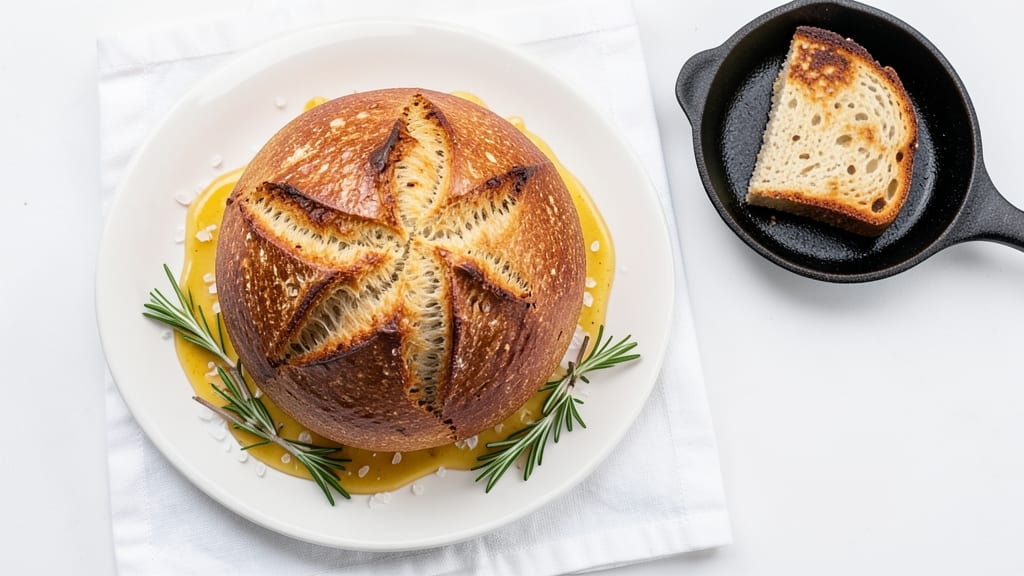
This cloche bread recipe delivers the kind of steamed softness that feels like biting into a cloud—no-knead technique included. I first discovered the magic of cloche baking while helping Nonna shape bread in our cramped Boston kitchen, where steam from the stove turned every loaf into a tender masterpiece.
The secret lies in trapping moisture during baking, creating that signature velvety crumb and crispy crust without hours of kneading.
What makes this recipe work is the no-knead dough, which develops flavor overnight while you sleep. The steam—created either by boiling water in a pan or using a baking dome—locks in moisture for a light, airy texture that’s impossible to resist.
Unlike traditional bread, this method forgives mistakes: even if your shaping isn’t perfect, the cloche will transform it into something restaurant-worthy.
By the time your bread emerges from the cloche, you’ll have a loaf with a golden, crackly crust and a crumb so tender it nearly dissolves. The aroma alone—warm, buttery, and slightly sweet—will have everyone at your table asking for seconds.
This is the kind of bread that turns simple meals into special occasions, and it’s simpler to make than you’d think.
Perfect for holiday dinners, charcuterie boards, or just enjoying with butter straight from the oven. Let’s make bread that feels like a hug in every bite—no fancy equipment required.
Ingredients for cloche bread
Fourteen simple ingredients transform into bread with restaurant-worthy steamy tenderness.
| Ingredient | Amount | Notes |
|---|---|---|
| All-Purpose Flour 🌾 | 4 cups | Unbleached preferred for softness |
| Active Dry Yeast 🍞 | ¼ tsp | Fresh yeast if available |
| Granulated Sugar 🍬 | ½ tsp | Helps yeast activation |
| Unsalted Butter 🧈 | ½ cup | Cold, cubed for dough |
| Large Eggs 🥚 | 1 whole | Room temperature for mixing |
| Whole Milk 🥛 | ½ cup | Warmed to room temperature |
| Diamond Crystal Kosher Salt 🧂 | 1 ½ tsp | Adjust to taste |
| Water 💧 | 1 ½ cups | Room temperature |
| Extra-Virgin Olive Oil 🫒 | 2 tbsp | For dough and cloche |
| Cornmeal 🌽 | ¼ cup | For dusting baking sheet |
| Coarse Sea Salt 🧂 | 1 tbsp | For crust sprinkling |
| Baking Dome or Large Bowl 🍲 | 1 whole | For steam generation |
| Butter (for topping) 🧈 | 2 tbsp | Melted, optional |
The flour is everything here—King Arthur or Caputo Tipo 00 if you want to splurge, but Bob's Red Mill all-purpose works perfectly fine for home baking. Yeast is the heart of this dough, so check the expiration date—fresh yeast from Trader Joe's or local bakeries gives the best rise. I always use Diamond Crystal kosher salt because it dissolves cleanly without leaving grainy bits. For the butter, Plugrá or Land O'Lakes cultured butter adds that rich, slightly tangy flavor that makes this bread unforgettable. Don't skip the room-temperature milk—it blends smoothly into the dough without creating lumps.
No yeast on hand? Instant yeast works at double the amount, but fresh is ideal for that authentic Nonna-style flavor. Short on olive oil? Melted butter or neutral oil like avocado oil keeps the same moisture benefits. The baking dome can be anything—a large stainless steel bowl, Dutch oven lid, or even a foil tent. For the crust, Maldon sea salt flakes add a gourmet touch, but any coarse salt will do. If you're making this ahead, shape the dough and refrigerate overnight—the flavor develops even more beautifully. The dough should be sticky but not wet; if it's too dry, add a splash more water.
This dough is a patient recipe—let it rest overnight for the best results. Store shaped dough in the fridge for up to 24 hours before baking. Once baked, keep the loaf wrapped in a clean kitchen towel for 2 days to maintain that cloud-like softness. For longer storage, freeze the baked loaf wrapped in plastic—reheat in a 350°F oven for 10 minutes to restore that fresh-from-the-oven warmth. The aroma alone will bring everyone running, and that's the real magic of cloche bread.
Why You'll Love This Recipe
- No-Knead Magic: I swear by this dough—just mix, rest, and bake. Honestly, the yeast and butter do all the work while I sip coffee. That golden crust? Zero effort, all reward.
- Buttery Crust Alert: The sugar and butter caramelize into something ridiculously crispy. Between us, the first slice is always gone before the table’s even set.
- Weeknight Wonder: Toss it in the oven while you prep dinner—it’s done by the time you’re ready to serve. Here’s what sold me: warm, fresh bread with zero last-minute stress.
- Budget-Friendly Staple: Uses pantry basics that won’t break the bank. I’ve made this for breakfast, sandwiches, and even dinner rolls—leftovers? Toast them the next morning.
Step-by-step instructions for cloche bread recipe
This no-knead method delivers bakery-style softness with minimal effort—steam is the secret weapon.
Activate the Yeast and Mix the Dough
In a large bowl, combine the 1.5 cups water, 0.5 tsp granulated sugar, and 0.25 tsp active dry yeast. Let it sit for 5-10 minutes until frothy—this confirms your yeast is alive. If it doesn't bubble, start over with fresh yeast.
In a separate bowl, whisk together the 4 cups all-purpose flour and 1.5 tsp diamond crystal kosher salt. Create a well in the center and add the yeast mixture, 0.5 cup whole milk, 1 whole large eggs, and 0.5 cup unsalted butter (cold and cubed). Gently fold with a wooden spoon until just combined—don't overmix. The dough will be shaggy but cohesive.
Shape and Prepare for Steam Baking
Turn the dough onto a lightly floured surface and shape it into a round loaf about 8 inches in diameter. Place it on a baking sheet dusted with 0.25 cup cornmeal to prevent sticking. This cornmeal layer also creates a subtle crunch on the bottom crust.
Cover the dough with the baking dome or large bowl and let it rise at room temperature for 1-2 hours, until nearly doubled in size. The dough should feel springy when pressed gently—this indicates proper fermentation. If your kitchen is cold, place it in a warm spot to speed up rising.
Create the Cloche Effect and Bake
Preheat your oven to 375°F. Once the dough has risen, brush the top with 2 tbsp extra-virgin olive oil and sprinkle generously with 1 tbsp coarse sea salt. This creates both flavor and a golden crust. Place the baking dome or bowl back over the dough to trap steam during baking.
Bake for 30-35 minutes until the bread is deep golden brown and sounds hollow when tapped on the bottom. The steam from the dome keeps the interior impossibly soft while developing a crisp crust. If the dome isn't available, use a large metal bowl inverted over the bread.
Finish with Melted Butter (Optional)
Remove the dome and transfer the bread to a wire rack. While still warm, brush the top with melted 2 tbsp butter (for topping) for extra richness. This step isn't essential but adds a professional touch. Let the bread cool for 10 minutes before slicing—this prevents a gummy interior.
The result should be a tender, airy crumb with a crisp exterior that's perfect for sandwiches or serving with butter. The steam method creates that signature bakery softness without requiring any special skills—just patience and attention to the simple steps.
Pro Tips For Making Cloche Bread
- Bloom the Yeast First: Skip the guesswork—mix the yeast with warm water (110°F) and a pinch of sugar in your mixing bowl before adding flour. If it doesn’t foam in 5–10 minutes, your dough will fight you later. I learned this the hard way after kneading a stubborn, flat loaf that smelled like sad laundry.
- Butter at Room Temp: Cold butter = tough dough. Let that unsalted stick sit out for 30–45 minutes until it’s soft enough to press with a finger but still holds shape. I was skeptical until I tried it—now my cloche bread has that melt-in-your-mouth richness without fighting me during kneading.
- Don’t Over-Knead: This dough only needs 8–10 minutes by hand (or 5–6 on low speed in a mixer) until it’s smooth and slightly tacky. Overwork it, and you’ll end up with a dense, chewy loaf instead of that light, airy texture. Trust your elbows—less is more.
- Steam the Pan: Before baking, add a metal tray to the lower oven rack and pour in ½ cup hot water. The steam keeps the crust tender while the bread rises under the cloche. I skipped this once and got a sad, dry top—now it’s non-negotiable.
Regional styles of this cloche bread
French Baguette Cloche
In Parisian bakeries, cloche bread often takes the form of a baguette-style loaf baked under a dome. Shape your dough into a long oval (about 12 inches long) and place it on a parchment-lined baking sheet. Use a large stainless steel bowl as your cloche to trap steam.
After baking, brush with garlic-infused olive oil—I like to mix 2 tbsp olive oil with 1 minced garlic clove and a pinch of Maldon sea salt flakes—for an authentic French touch. 🥖
Italian Focaccia Cloche
For a New England-Italian twist, turn this into a focaccia-style cloche bread. Press your dough into a rectangle on a baking sheet, dimple the top with your fingers, and drizzle with ¼ cup olive oil before adding the cloche.
After baking, top with cherry tomatoes, fresh rosemary, and a sprinkle of flaky sea salt. My Nonna used to make this version for Sunday suppers—it disappears faster than you can say "buon appetito." 🌿
German Dampfnudel Style
This German steamed bread variation uses a sweet dough with raisins and citrus zest. Replace half the flour with whole wheat flour and add ½ cup raisins and 1 tbsp lemon zest to the dough.
Shape into small rounds, steam in a large pot with boiling water (no cloche needed), and serve warm with powdered sugar and butter. It's like eating a cloud with a sweet surprise in every bite. 🍯
Japanese Shokupan Cloche
For a lighter, sandwich-style bread, shape your dough into a rectangular loaf (about 9x6 inches) and bake under a cloche. After baking, slice horizontally and fill with butter and jam or cream cheese and smoked salmon for a Japanese-inspired onigiri-style sandwich.
The steam keeps the layers impossibly soft—perfect for lunchboxes or picnic spreads. 🍜
Sourdough Cloche Twist
Swap the commercial yeast for a 10% sourdough starter (by weight). Mix the starter with the other ingredients and let it ferment at room temperature for 8-12 hours before shaping. The sourdough adds a tangy depth that pairs beautifully with the cloche's steamy softness.
I've been known to shape this into a boule and bake it under a dome for an open-faced sandwich that's pure comfort food. 🥖
Nutrition facts
Frequently asked questions
What makes cloche bread different from regular bread?
The steam trapped during baking creates that signature velvety crumb and crispy crust. Unlike traditional bread, the cloche method locks in moisture, resulting in bread that stays soft for days. The no-knead dough also develops deeper flavor while resting overnight—perfect for busy home bakers.
Can I use a Dutch oven instead of a cloche?
A Dutch oven works perfectly—just place the shaped dough inside the cold oven, then bake with the lid on. The trapped steam mimics a cloche's effect, creating that bakery-style softness. For best results, preheat the Dutch oven in the oven for 10 minutes before adding the dough.
Why did my cloche bread turn out dense instead of soft?
Overmixing the dough or underproofing are common culprits. The dough should be shaggy but cohesive—avoid kneading. Also, ensure proper steam by placing boiling water in a pan below the baking sheet. If your kitchen is cold, let the dough rise in a warm spot (75°F) for optimal fermentation.
How long will this bread stay fresh?
Wrapped in a clean kitchen towel, it stays soft for 2-3 days at room temperature. For longer storage, freeze the baked loaf for up to 3 months. Reheat slices in a 350°F oven for 5 minutes to restore that warm, tender texture. The steam method preserves softness longer than traditional bread.
Can I make this recipe without a cloche?
Yes! Use a large metal bowl, foil tent, or even a baking sheet with boiling water below. The key is trapping steam—place the dough on a lower oven rack with water in a pan underneath. For extra insurance, spray the inside of your makeshift cloche with water before covering. The result will still be tender, though slightly less professional-looking.