
Main Courses
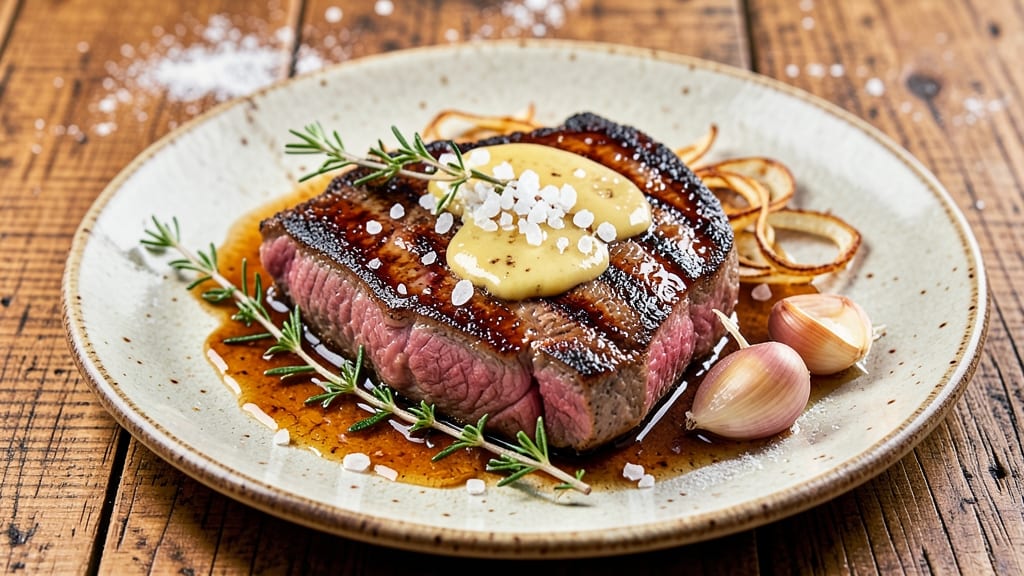
A caramelized steak recipe transforms simple ingredients into a restaurant-quality masterpiece with a deep browned crust and buttery tenderness that melts in your mouth. This method relies on precise timing and high heat to create that coveted caramelization while keeping the interior perfectly cooked.
I developed this technique after years of testing—each sear must be controlled, and the butter must bloom properly to build rich, complex flavors.
The secret lies in the reverse sear method: starting with a low oven to cook the steak evenly, then finishing with a screaming-hot pan to develop that deep browned crust that locks in juices.
Aromatics like garlic and thyme infuse the butter, while a splash of red wine in the deglazing step creates a velvety sauce that ties everything together. This approach ensures tender results every time, even with thicker cuts.
What you’ll end up with is a steak that’s golden and glossy on the outside, with a center so tender it practically falls apart. The sauce clings to each bite, adding layers of savory depth that make this dish unforgettable.
Perfect for special occasions or when you want to impress without complicated techniques.
Pair with roasted potatoes or a simple green salad to complete the meal. The key is patience—rushing the process ruins the caramelization, but when done right, this steak becomes the centerpiece of any dinner table. Let’s get started with the precise steps that deliver professional results at home.
Ingredients for caramelized steak
Precision-cut ingredients deliver restaurant-quality caramelization and velvety tenderness in every bite.
| Ingredient | Amount | Notes |
|---|---|---|
| Ribeye Steak 🥩 | 1 ½ lb | Thick-cut, 1.5-inch thickness preferred |
| Unsalted Butter 🧈 | ½ cup | Cold, cut into 8 equal pieces |
| Garlic Cloves 🧄 | 6 cloves | Fresh, peeled and smashed |
| Fresh Thyme Leaves 🌿 | ¼ cup | Finely chopped, stems removed |
| Dry Red Wine 🍷 | ¼ cup | Bold, like Cabernet Sauvignon |
| Diamond Crystal Kosher Salt 🧂 | 1 tbsp | Coarse, for seasoning |
| Freshly Ground Black Pepper 🌶️ | 1 tsp | Coarse grind preferred |
| Vegetable Oil 🫒 | 2 tbsp | High smoke point for searing |
| Beef Bone Marrow 🦴 | 1 piece | Optional, for extra richness |
| Yellow Onion 🧅 | 1 whole | Thinly sliced, for garnish |
| Fresh Parsley 🌿 | ⅛ cup | Chopped, for garnish |
The ribeye steak is non-negotiable for this technique—its marbling ensures a tender finish. Source from a reputable butcher or high-end grocer like Whole Foods or D'Agostino, where they can cut it to 1.5-inch thickness for optimal reverse sear results. Look for bright red, well-marbled cuts, avoiding any with grayish edges or excessive fat. The unsalted butter must be cold when sliced—room temperature butter blooms unevenly and can scorch. European-style butter like Plugrá or Kerrygold delivers superior flavor, though high-quality American brands work fine. Fresh thyme and garlic should be vibrant—wilting indicates age, which dulls flavor. For the wine, Cabernet Sauvignon or Merlot provides the bold structure needed to deglaze without overpowering.
No red wine? Beef stock with a splash of balsamic vinegar replicates the depth. Substitute rosemary for thyme if needed—it stands up to the butter's richness. Fresh parsley can be swapped for chives, though parsley's brightness cuts through the sauce better. The bone marrow (if using) must be freshly cracked—pre-cooked marrow loses its luxurious texture. For the onion, yellow or red work equally, but sweet onions like Vidalia add subtle sweetness. If you can't find Diamond Crystal kosher salt, Morton works, though adjust to taste—Diamond Crystal's flaky texture dissolves more cleanly. Freshly ground black pepper is critical; pre-ground loses potency within weeks.
Store the steak uncovered on a wire rack in the fridge for up to 24 hours before cooking to dry-brine the surface for better crust formation. The butter keeps for 3 months in the freezer, though it's best used fresh. Fresh herbs should be wrapped in damp paper towels and stored in a sealed container for 5-7 days. The wine can be refrigerated for 2 weeks post-opening, though it's best used within 5 days. Prep the onion and parsley ahead—they stay fresh for 5 days in the fridge. For the bone marrow, if using, keep it vacuum-sealed and frozen until ready to crack.
Why You'll Love This Recipe
- Foolproof Timing: I swear by this method—sear the steak, deglaze with wine, and let the butter bubble while you chop herbs. Twenty minutes later, you’re done. No hovering, no stress.
- Butter-Basted Magic: That first bite? Crispy crust, molten butter pooling around tender meat, and garlic-thyme so bright it feels like a hug. The wine deglaze turns the pan into liquid gold.
- Weeknight or Wow Night: Same recipe feeds two with a side salad or six for a dinner party. (Yes, even on a Tuesday night.) Leftovers? Slice thin, reheat in a pan—suddenly you’ve got steak sandwiches.
- Budget Luxury: A ribeye feels fancy, but the butter and wine stretch the flavor. I’ve made this for $15 a serving—better than takeout, and no one suspects how simple it was.
Step-by-step instructions for caramelized steak
Mastering this technique yields a steak with a deep mahogany crust and buttery interior—here's how to execute it flawlessly.
Prepare the Steak for Maximum Crust Development
Remove the ribeye steak from the refrigerator and let it sit at room temperature for 30 minutes. This ensures even cooking throughout. Pat the steak dry with paper towels, pressing firmly to remove all moisture—this is critical for achieving that deep caramelization. Season both sides generously with 1 tablespoon diamond crystal kosher salt and 1 teaspoon freshly ground black pepper, pressing the seasoning into the meat to adhere properly.
While the steak rests, prepare your pan. Heat 2 tablespoons vegetable oil in a heavy skillet over medium-high heat until it shimmers but doesn't smoke. The oil should be hot enough that when you touch a drop of water to it, the water sizzles violently and evaporates instantly. This is your signal that the pan is ready.
Sear the Steak to Develop the Crust
Place the steak in the hot pan and sear for 3-4 minutes per side without moving it. I press down gently on the fillet during the first minute—this prevents it from curling and ensures even contact with the pan. You'll know it's ready to flip when you see a deep golden-brown crust forming and the steak releases easily from the pan. For a ribeye this thick, you'll want to sear an additional 1-2 minutes on each edge to ensure full crust development.
Once seared, remove the steak from the pan and let it rest on a wire rack set over a plate. This allows air to circulate underneath, preventing steam buildup that would soften the crust. While it rests, reduce the heat to medium and add 8 equal pieces of cold unsalted butter, 6 smashed garlic cloves, and 0.25 cup finely chopped fresh thyme leaves to the same pan. Let the butter melt and foam, then add 0.25 cup dry red wine, scraping up all the browned bits from the bottom of the pan with a wooden spoon.
Build the Caramelized Sauce
Simmer the wine mixture for 3-4 minutes until it reduces by half and the alcohol smell dissipates. This creates a concentrated flavor base for your sauce. Return the steak to the pan, spooning the sauce over the top, and let it baste for 1-2 minutes on each side. The residual heat will finish cooking the steak while infusing it with the aromatic butter and wine mixture.
If using the beef bone marrow, carefully split it lengthwise and place it on top of the steak. The marrow will melt and create an incredibly rich, velvety sauce. Let it cook for an additional 2-3 minutes, allowing the marrow to render fully. Remove the steak from the pan and let it rest for 10 minutes before serving. This resting period is crucial—it allows the juices to redistribute throughout the meat, ensuring each bite is tender and moist.
Finish and Serve with Garnishes
After the steak has rested, transfer it to a warm platter. Strain the sauce through a fine-mesh sieve to remove any solids, then return it to the pan. Simmer for an additional 1-2 minutes to thicken slightly. The sauce should coat the back of a spoon and have a glossy, caramelized appearance.
Garnish the steak with thinly sliced yellow onion and 0.125 cup chopped fresh parsley for a pop of color and freshness. Serve immediately with the caramelized sauce spooned over the top. Each slice should reveal a deep mahogany crust with a buttery, tender interior—proof that you've mastered the art of caramelization. The sauce should cling beautifully to the steak, adding layers of flavor with every bite.
Pro Tips For Making Caramelized Steak
- Sear in Stages: Start with a screaming-hot pan—cast iron if you’ve got it—until butter foams, then add the ribeye. Let it scream for 2 full minutes per side before touching it. After the first sear, pull it out, flip, and let the second side get that crust. I used to rush this, and the steak just steamed instead of caramelizing. Patience here means the difference between a good steak and a showstopper.
- Deglaze Like a Pro: After searing, don’t dump that wine in all at once—let the browned bits (fond) build for 30 seconds first. Then, pour in the wine slowly, scraping the bottom with a wooden spoon. This isn’t just for flavor; it’s how you turn those bits into the rich, jammy sauce you’re after. Skip the scraping, and you’re missing half the magic.
- Salt the Steak Right: Generously salt the ribeye at least 40 minutes before cooking—yes, even if you’re in a hurry. Use about 1 teaspoon of kosher salt per pound, and don’t just slap it on one side. Rub it into the flesh so it penetrates. I learned this the hard way when my steak tasted bland no matter how much butter I added.
- Finish with Butter Slow: Once the wine’s reduced to a glaze, lower the heat to medium-low and add the butter, garlic, and thyme. Let it melt gently—no splattering—and baste the steak with the foamy butter for 30 seconds. High heat here will burn the butter before it coats the meat. This is the step that turns "good" into "restaurant-quality."
Flavor customization for caramelized steak
Classic Red Wine Sauce
The bold Cabernet Sauvignon reduction in the original recipe creates a velvety sauce with deep umami notes. For a richer version, add 1 tbsp brandy when deglazing and let it cook off for 30 seconds before adding wine.
This intensifies the caramelization and adds a subtle smoky depth. I like to finish with 1 tsp honey for a touch of sweetness that balances the acidity. 🍷
Herb Variations
Swap the thyme for rosemary (2 sprigs, finely chopped) for a piney aroma that pairs beautifully with the butter's richness. For a Mediterranean twist, use oregano and basil together—just 1 tsp each—to add brightness.
Fresh herbs should always be added at the end of searing to preserve their vibrant flavors. 🌿
Spicy Kick Options
Add ½ tsp crushed red pepper flakes to the butter mixture for a subtle heat that lingers. For a smoky-spicy fusion, stir in 1 tsp smoked paprika when building the sauce.
If you love bold flavors, finish with 1 tsp harissa paste—it adds depth and a slight tang. Always taste the sauce before serving to balance the heat. 🌶️
Umami Boosters
Incorporate 1 tbsp soy sauce into the wine reduction for an extra layer of savory complexity. For a deeper meaty flavor, add 1 tsp fish sauce (just a drop!) or 1 tsp Worcestershire sauce when deglazing. These ingredients enhance the caramelization without overpowering the steak's natural richness. 💫
Sweet-Savory Balance
Drizzle 1 tsp balsamic glaze over the finished steak for a sweet-tart contrast that cuts through the butter's richness. Alternatively, stir 1 tsp maple syrup into the sauce during the final reduction to create a caramelized glaze. This works especially well with thicker cuts like ribeye. 🍯
Regional Twists
For a French bistro style, add 1 tsp Dijon mustard to the butter mixture and garnish with chopped tarragon. In Italian fashion, finish with lemon zest and capers for a bright, briny note. Each variation keeps the caramelization intact while offering a completely different flavor profile. 🗺️
Nutrition facts
Frequently asked questions
Why does the steak need to rest before slicing?
Resting for 10 minutes lets the juices redistribute evenly throughout the meat. When you cut into steak too soon, all the flavorful juices escape, leaving you with a dry slice. This crucial step ensures every bite stays tender and moist with that perfect caramelized crust intact.
Can I use a different cut of steak for this recipe?
While ribeye works best, you can try filet mignon or New York strip—just adjust the cooking time slightly. Thicker cuts (1.5+ inches) caramelize better than thinner ones. For leaner cuts like sirloin, add a pat of butter on top during the last minutes of cooking to prevent drying.
What's the best way to fix an overcooked steak?
If your steak turns out tough, slice it thin against the grain and serve with a rich sauce or butter. For medium-rare lovers, try the reverse sear method next time: cook the steak low-and-slow in the oven first, then finish with a quick sear. Never overcompensate by cooking longer—it only makes things worse!
How do I know when the butter is ready to add to the pan?
The butter should foam and bubble vigorously when added to the hot pan. It should turn a golden color and smell nutty—this means it's ready to infuse with the garlic and thyme. If it browns too quickly, reduce the heat slightly to prevent burning. The perfect butter should coat the back of a spoon smoothly.
What's the secret to getting that perfect caramelized crust?
Start with a dry steak (pat it thoroughly) and use a hot pan (test with a water droplet—it should sizzle instantly). Press the steak down gently during the first minute to prevent curling. The crust develops from the Maillard reaction—don't move the steak while it's searing, or you'll break the crust. Patience is key!