
Main Courses
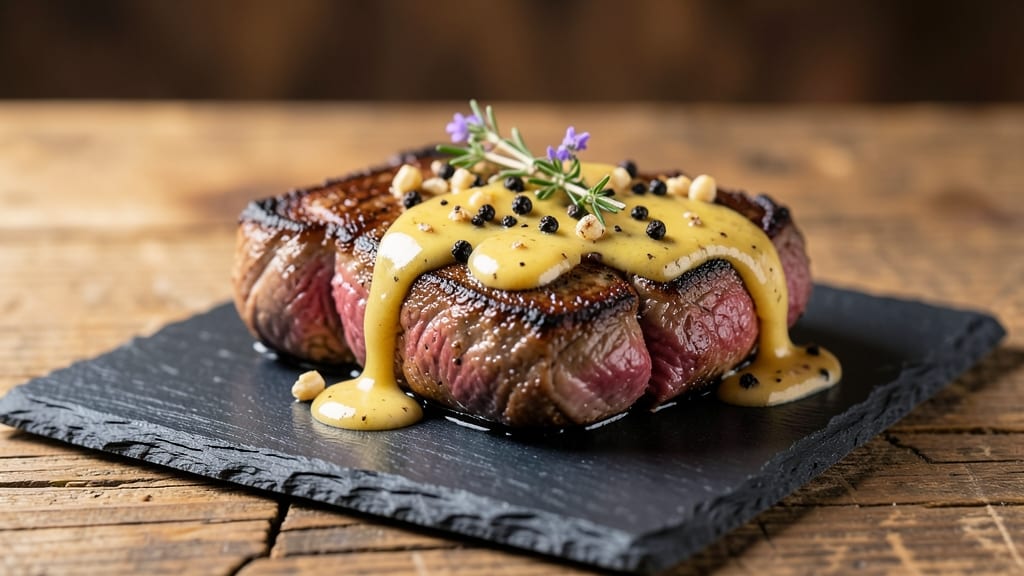
Mastering Bobby Flay's ribeye steak recipe delivers a buttery crust and perfectly juicy center that rivals any steakhouse. The secret lies in precise temperature control and high-heat searing—techniques Bobby Flay has perfected over years of professional cooking.
With just a few key steps, you can achieve restaurant-quality results at home, every time.
This recipe focuses on dry-brining the steak overnight, which enhances flavor and ensures maximum juiciness. The high-heat sear creates that coveted crust, while butter basting adds richness and depth. Bobby Flay’s method guarantees a steak with a golden-brown exterior and tender, melt-in-your-mouth interior that’s impossible to resist.
Pair your steak with classic sides like garlic mashed potatoes or grilled asparagus to complete the meal. The final plating—resting the steak properly and slicing against the grain—elevates the dish to professional standards. This isn’t just a recipe; it’s a masterclass in steak perfection.
Ready to impress? Let’s break down each step to ensure your ribeye turns out flawless, from the initial prep to the final plate. The results will speak for themselves—juicy, tender, and packed with flavor.
Ingredients for bobby flay ribeye steak
Precision-cut ribeye and carefully selected seasonings transform into Bobby Flay's signature steak masterpiece.
| Ingredient | Amount | Notes |
|---|---|---|
| Ribeye Steak 🥩 | 1 ½ lb | Bone-in, 1-1.5 inches thick preferred |
| Kosher Salt 🧂 | 2 tbsp | Diamond Crystal preferred for even coating |
| Black Peppercorns 🌶️ | 1 ½ tbsp | Freshly cracked for optimal flavor |
| Unsalted Butter 🧈 | ½ cup | European-style for higher fat content |
| Garlic Cloves 🧄 | 4 cloves | Fresh, smashed for infusion |
| Fresh Thyme Leaves 🌿 | ¼ cup | From a quality bunch, stems removed |
| Extra-Virgin Olive Oil 🫒 | 2 tbsp | For high-heat searing |
| Fresh Rosemary 🌿 | ¼ cup | Finely chopped, aromatic variety |
| Beef Tallow 🧈 | 1 tbsp | Optional for enhanced crust |
| Vegetable Oil 🫒 | ½ cup | High smoke point for searing |
| Balsamic Vinegar 🍷 | 1 tbsp | For finishing drizzle |
The ribeye selection is critical—bone-in cuts from USDA Prime or Choice deliver superior marbling. Local butchers or high-end grocers like Whole Foods carry the best quality; look for vibrant red color and visible fat distribution. Freshly cracked black peppercorns from Penzeys Spices elevate the seasoning profile beyond pre-ground alternatives. The herbs should be fragrant and bright green—avoid wilted stems. For the butter, Plugrá or European-style brands contain higher fat content, essential for the signature basting technique. If unavailable, substitute with equal parts butter and beef tallow for enhanced crust development.
No kosher salt? Diamond Crystal kosher salt substitute at 1:1 ratio, though texture may differ slightly. Pre-ground pepper loses potency quickly—toast whole peppercorns in a dry pan for 2 minutes before grinding for maximum flavor. Substitute fresh thyme with dried thyme at one-third the amount, but fresh yields superior aroma. For the olive oil, avoid light or refined varieties—look for extra-virgin with peppery notes. The balsamic vinegar can be swapped for aged balsamic glaze if preferred. When selecting beef tallow, ensure it's rendered and filtered for smooth application. All ingredients should be prepped at room temperature for even cooking.
Store the ribeye uncovered in the refrigerator for 1-2 hours before cooking to dry-brine properly. Fresh herbs should be wrapped in damp paper towels and stored in airtight containers for up to 5 days. The butter and tallow mixture can be refrigerated for up to 2 weeks in an airtight container. For optimal results, allow all ingredients to reach room temperature 30 minutes before cooking. The steak itself should rest 10-15 minutes after cooking to retain juices—never skip this critical step. Leftovers can be refrigerated for 3-4 days but are best consumed fresh for peak texture.
Why You'll Love This Recipe
- Five-Ingredient Magic: I swear by this—just salt, pepper, butter, garlic, and that perfect ribeye. No fancy gadgets, no stress, just searing hot pan and a timer. Honestly, it’s the kind of recipe that makes me feel like a pro without trying.
- Butter-Garlic Bliss: That crispy crust? The garlic-infused butter melting into the steak? It’s the kind of flavor that turns a Tuesday night into a "dang, this tastes fancy" moment. The peppercorns add this little kick that makes every bite feel like a reward.
- Date Night Ready: No one has to know it took 20 minutes. This steak looks impressive on a plate, pairs with almost anything, and feels special enough for anniversaries—or just because. (Yes, even when you’re wearing pajama pants.)
- Leftovers? No Problem: Slice it up the next day for sandwiches or tacos—it’s that good cold too. I’ve even thrown it into a quick pasta with garlic bread and called it a meal. Versatile, reliable, and still delicious when you’re not in the mood to cook.
Step-by-step instructions for Bobby Flay's ribeye steak recipe
Master this technique to achieve a perfect crust with a tender, juicy interior every time.
Prepare the Ribeye with Herbed Salt Rub
Begin by patting the 1.5 lb ribeye steak completely dry with paper towels, removing any excess moisture from all surfaces. This step is critical for achieving that coveted crust. Using a fine-mesh strainer or mortar and pestle, coarsely grind the 2 tbsp kosher salt and 1.5 tbsp freshly cracked black peppercorns together. Add the 0.25 cup finely chopped fresh rosemary and 0.25 cup fresh thyme leaves to the salt mixture.
Generously coat both sides of the ribeye with this herbed salt rub, pressing it firmly into the meat so it adheres evenly. Place the seasoned steak on a wire rack set over a plate and refrigerate uncovered for 45 minutes. This dry-brining process enhances flavor penetration while keeping the exterior dry for optimal crust formation. The steak should reach room temperature during this time, which ensures even cooking.
Create the Compound Butter and Sear the Steak
While the steak seasons, prepare the compound butter by combining the 0.5 cup unsalted butter with the 4 smashed garlic cloves in a small bowl. Mix thoroughly and roll into a log shape, then wrap tightly in plastic wrap. Chill until ready to use. In a heavy cast-iron skillet, heat 2 tbsp extra-virgin olive oil and 1 tbsp beef tallow over medium-high heat until the oil shimmers at 375°F. Add the ribeye steak and sear for 3 minutes per side, pressing down gently with a spatula during the first minute to ensure even contact with the pan.
You'll know it's ready to flip when you see a deep golden crust forming and the steak releases easily from the pan. Transfer the steak to a warm plate and let it rest while you prepare to finish the cooking. The internal temperature should now read approximately 125°F for medium-rare, but we'll verify this with our final cooking step.
Complete the Cooking with High-Heat Sear
Increase the heat to maximum and add 0.5 cup vegetable oil to the same skillet. Once the oil reaches 425°F, carefully return the steak to the pan. Sear for an additional 1 to 1.5 minutes per side, depending on your desired doneness. For medium-rare, aim for an internal temperature of 130-135°F. The high heat will create that signature crust while maintaining the juicy interior.
Remove the steak from the pan and let it rest for 8-10 minutes on a cutting board. During this time, place the chilled compound butter in a small skillet over low heat and melt, swirling occasionally until it becomes fragrant. The resting period is crucial as it allows the juices to redistribute throughout the meat, ensuring each bite remains succulent.
Finish with Compound Butter and Balsamic
After the resting period, slice the ribeye against the grain into 0.5-inch thick portions. Place the slices on a warm serving platter and immediately top each with a generous spoonful of the melted compound butter. The butter should be spread evenly over each slice, creating a glossy, flavorful coating. Drizzle each portion with 1 tbsp balsamic vinegar, allowing it to pool slightly on the plate for an elegant presentation.
Serve immediately with the remaining compound butter on the side for additional flavor. The finished steak should have a deep mahogany crust that gives way to tender, pink meat with visible fat marbling. Each bite should deliver perfect balance between the buttery crust, herbed seasoning, and the bright acidity of the balsamic finish. The internal temperature should register 130-135°F for medium-rare doneness.
Pro Tips For Making Bobby Flay Ribeye Steak
- Sear the Butter First: Melt your unsalted butter in the pan before adding the steak—this guarantees a richer, more flavorful crust. I used to toss in the butter cold, and the pan would steam instead of sear. A quick 30-second melt makes all the difference.
- Salt the Steak Generously: Don’t skimp—generously coat both sides with kosher salt at least 40 minutes before cooking. Bobby Flay’s recipe relies on that salt to draw out moisture, which then reabsorbs during the sear, keeping the meat juicy. (Yes, even if you’re impatient like me.)
- Use a Meat Thermometer: Pull the steak off heat at 125°F for medium-rare—it’ll rise to 130°F while resting. I learned this the hard way by eyeballing it and ending up with overcooked, tough meat. A $20 thermometer is non-negotiable for ribeye.
- Slice Against the Grain: Cut the steak perpendicular to the muscle fibers—this shortens them, making each bite tender. I used to slice with the grain, and the first bite was always chewy. Take the extra 10 seconds and do it right.
Dietary considerations for these flavors
Gluten-Free Adaptations
Bobby Flay’s ribeye recipe is naturally gluten-free, but we can enhance it further by ensuring all supporting ingredients meet this standard. The herbed salt rub and compound butter are already safe, but check your balsamic vinegar for gluten additives—brands like Rao’s or Bragg are certified gluten-free.
For the crust, substitute beef tallow with ghee if needed, as it’s dairy-free and gluten-free. Always verify labels on pre-made ingredients like rosemary or thyme blends for hidden gluten. 🌾
Low-Carb Considerations
This recipe aligns perfectly with low-carb diets, thanks to its focus on high-fat, protein-rich ribeye. Skip the balsamic vinegar drizzle if strict about carbs—opt for a squeeze of fresh lemon juice instead. The compound butter and beef tallow add healthy fats, while the herbed salt rub provides flavor without carbs.
Pair with cauliflower mash or zucchini noodles to keep sides low-carb. The steak’s natural fat marbling ensures satisfaction without excess carbs. 🥩
Allergen-Friendly Swaps
For dairy-free needs, replace the unsalted butter in the compound butter with olive oil or dairy-free margarine (like Miyoko’s). Ensure your beef tallow is processed in a dedicated facility if nut allergies are a concern.
For egg allergies, no adjustments are needed—this recipe is egg-free. Always double-check rosemary and thyme for cross-contamination risks if severe allergies are present. The steak itself is a safe protein for most allergens. 🌿
Protein-Packed Adjustments
Boost protein further by adding 2 tbsp grass-fed beef protein powder to the herbed salt rub (mix with a little water to form a paste). For higher iron, marinate the steak in 1 tbsp apple cider vinegar for 30 minutes before cooking—this tenderizes and enhances mineral absorption.
If serving to a group with varied needs, portion the compound butter separately to avoid cross-contamination. The ribeye’s natural protein content (about 40g per 4 oz) makes this dish a powerhouse. 💪
Keto-Friendly Enhancements
To maximize keto benefits, focus on high-fat cooking methods. Use 100% beef tallow instead of oil for searing—it adds zero carbs and enhances flavor. Garnish with crispy pork rinds (crushed) for a crunchy, zero-carb topping. Pair with sautéed mushrooms in butter or avocado slices to round out the meal.
The balsamic vinegar can be swapped for sugar-free balsamic reduction (like Welch’s Sugar-Free). Every bite stays under 5g net carbs per serving. 🥑
Nutrition facts
Frequently asked questions about Bobby Flay's ribeye steak
What's the secret to Bobby Flay's perfect ribeye crust?
The crust comes from a combination of high-heat searing (425°F) and a dry-brine method. Pat the steak completely dry first—moisture prevents proper crust formation. Bobby Flay uses beef tallow alongside oil for extra richness, and the 45-minute dry-brine before cooking draws out surface moisture while enhancing flavor penetration.
Can I cook ribeye at a lower temperature?
While Bobby Flay's method uses high heat, you can achieve great results with reverse searing. Start by baking the steak at 250°F until it reaches 110°F internally (about 20-30 minutes for a 1.5 lb steak), then finish with a quick high-heat sear. This method works well for thicker cuts but requires precise temperature monitoring.
How do I know when my ribeye is done?
Use a meat thermometer for accuracy. For medium-rare, pull the steak when it hits 130-135°F internally. The crust should be deep mahogany with a slight char. If using the finger test, medium-rare feels like pressing your thumb and forefinger together—soft but with resistance. Always let it rest 8-10 minutes before slicing to retain juices.
What's the best way to store leftover ribeye?
Slice the steak against the grain and store in an airtight container with a piece of parchment paper between layers. It keeps well in the fridge for 3-4 days or can be frozen for up to 3 months. For reheating, warm in a 350°F oven for 10-15 minutes with a splash of beef broth to restore moisture. Avoid microwaving—it makes the meat tough.
Can I use a different cut of steak?
Bobby Flay's method works best with bone-in ribeye due to its marbling, but you can adapt it for New York strip or filet mignon. For leaner cuts like filet, reduce heat slightly (375°F) to prevent overcooking. Avoid tougher cuts like flank steak—they need marinating and different techniques. The 1-1.5 inch thickness is ideal for even cooking.