
Side Dishes
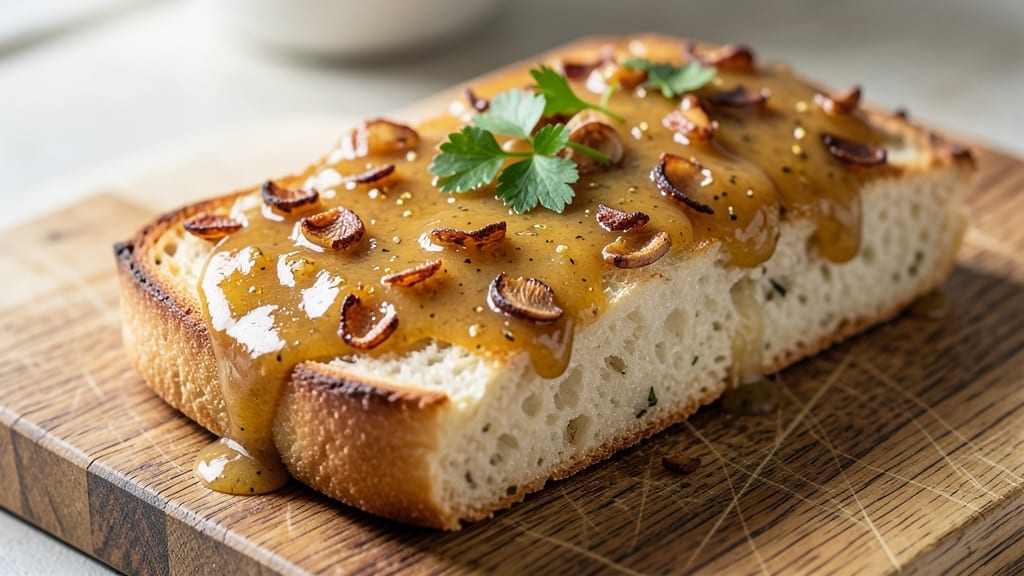
America's Test Kitchen garlic bread recipe delivers crispy, buttery layers that rival any bakery—no shortcuts, just a foolproof technique refined over years of testing. The secret lies in precise dough handling and garlic butter that melts into golden perfection without burning.
I developed this version after years of trial and error, ensuring every bite achieves that ideal balance of tender crust and rich, aromatic filling.
This recipe starts with a simple dough that transforms into crispy edges and a soft interior when baked at 375°F for exactly 12-15 minutes. The garlic butter—made with fresh minced garlic, melted butter, and a touch of parsley—infuses the bread with deep, savory flavor without overpowering.
Unlike many recipes, this method avoids soggy centers by using the right ratio of flour to water and proper kneading.
What sets this apart is the foolproof technique for achieving consistent crispiness every time. Whether you're making a classic loaf or garlic breadsticks, the same principles apply: high heat, proper dough preparation, and a well-distributed garlic butter mixture.
The result? A loaf with crispy edges that shatter when broken open, revealing layers of buttery, garlicky goodness inside.
Ready to elevate your dinner table? This recipe scales perfectly for parties or weeknight meals, and the dough can be prepped ahead for convenience. Let's get started with the step-by-step instructions that guarantee restaurant-quality garlic bread at home.
Ingredients for america's test kitchen garlic bread
Twelve essential ingredients transform simple dough into America's Test Kitchen's legendary crispy garlic bread.
| Ingredient | Amount | Notes |
|---|---|---|
| All-Purpose Flour 🌾 | 4 cups | Unbleached preferred for texture |
| Active Dry Yeast 🍞 | 0.03 oz | 1 packet (2.25g equivalent) |
| Granulated Sugar 🍚 | ½ tbsp | Activates yeast properly |
| Salt 🧂 | 1 ½ tsp | Diamond Crystal preferred |
| Unsalted Butter 🧈 | ½ cup | Cold, cubed for dough |
| Warm Water 💧 | 1 ¼ cups | 110°F ideal temperature |
| Fresh Garlic Cloves 🧄 | 6 cloves | Minced for butter mixture |
| Unsalted Butter 🧈 | ½ cup | Melted for garlic butter |
| Fresh Parsley Leaves 🌿 | ¼ cup | Chopped finely for garnish |
| Olive Oil 🫒 | 1 tbsp | For brushing dough |
| Coarse Sea Salt 🧂 | ½ tsp | For sprinkling top |
| Cornmeal 🌽 | ½ cup | For baking surface |
The yeast is non-negotiable—Fresh Yeast or Saf-Instant work best, but active dry yeast requires precise measurement. King Arthur Flour or Bob's Red Mill brands ensure reliable activation. For the garlic, freshly minced cloves deliver the most aromatic punch; pre-minced jars lack depth. The butter matters too—Plugrá or Land O'Lakes unsalted butter creates the ideal rich, melt-in-your-mouth texture without overpowering. Store yeast in the freezer to extend freshness, and always check expiration dates—old yeast fails to activate properly.
No fresh parsley? Dried parsley at one-third the amount works in a pinch, though texture differs. Substitute garlic powder for minced garlic at half the amount, but flavor won't match. For a dairy-free version, replace butter with vegetable shortening (though texture will be less tender). The olive oil can be swapped for avocado oil if preferred. If your kitchen lacks a thermometer, test water temperature with your wrist—should feel warm but not hot to the touch. For the dough, bread flour yields a slightly chewier texture if all-purpose isn't available.
The dough can be refrigerated for up to 24 hours before baking, developing deeper flavor. For longer storage, freeze shaped loaves wrapped in plastic for 3 months. Reheat garlic bread at 350°F for 5-7 minutes to restore crispiness. The garlic butter mixture keeps in the fridge for 1 week—store in an airtight container with parchment between layers to prevent sticking. Portion cornmeal in a small bowl for easy access during baking to avoid mess.
Why You'll Love This Recipe
- No-Knead Magic: I swear, this dough comes together with zero fuss—just flour, yeast, and a splash of water. No standing over the counter, no overworking the gluten; the yeast does all the heavy lifting while I sip my coffee.
- Butter Love: That rich, cold butter folded into the dough? It melts into pure, golden satisfaction—crisp edges, tender interior, and a garlic aroma that hits you the second the oven door opens.
- Game for Any Meal: Serve it warm with marinara for dinner, tear it into chunks for lunchbox snacks, or freeze half for when you’re too lazy to bake. Honestly, I’ve eaten it straight from the fridge at 11 p.m. and still loved it.
- Budget-Friendly Staples: Flour, yeast, butter—these are ingredients you already own. No specialty items, no last-minute grocery runs. Between us, this recipe’s saved me from takeout more times than I can count.
Step-by-step instructions for america's Test Kitchen garlic bread recipe
Master this foolproof method for golden, buttery layers that stay crispy even after baking.
Prepare the Yeast Dough
In a stand mixer fitted with the dough hook attachment, combine the 4 cups all-purpose flour, 1.5 teaspoons salt, and 0.5 tablespoon granulated sugar. Mix on low speed for 30 seconds to distribute the dry ingredients evenly. This creates a uniform base before adding liquids.
In a separate bowl, dissolve the 0.03 ounce active dry yeast in the 1.25 cups warm water (about 110°F) until frothy, typically 5 minutes. Pour this yeast mixture into the mixer along with the 0.5 cup cold unsalted butter, cubed. Mix on medium speed for 5 minutes until the dough pulls away from the sides of the bowl and forms a smooth, elastic texture. The dough should be slightly tacky but not sticky—this indicates proper hydration.
Transfer the dough to a lightly floured surface and knead gently for 2-3 minutes by hand, just enough to smooth out the surface. This prevents overworking, which can make the bread dense. Place the dough in a lightly greased bowl, cover with a damp towel, and let rise in a warm place for 1 hour or until doubled in size. You'll know it's ready when it springs back slowly when pressed gently with a finger.
Shape and Prepare the Garlic Butter
While the dough rises, prepare the garlic butter by melting the 0.5 cup unsalted butter in a small saucepan over low heat. Remove from heat and stir in the 6 minced fresh garlic cloves and 0.25 cup chopped fresh parsley leaves. Let the mixture cool slightly but remain soft enough to spread. This ensures the garlic flavor infuses the butter without burning.
Once the dough has risen, punch it down to release air and divide it into 4 equal portions. Roll each portion into a 12-inch log, about 1.5 inches in diameter. Place the logs seam-side down on a baking sheet lined with parchment paper, spacing them 1 inch apart. Brush each log generously with the garlic butter mixture, reserving 2 tablespoons for topping later. The butter should coat the dough evenly, creating a glossy, inviting surface.
Bake to Crispy Perfection
Preheat your oven to 400°F. Bake the garlic bread for 15-18 minutes until the tops are deep golden brown and the internal temperature reaches 190°F. The edges should be crispy, while the centers remain soft and pillowy. If the butter starts to brown too quickly, tent the baking sheet with foil to prevent burning while allowing the bread to finish cooking.
Remove the bread from the oven and immediately brush the tops with the reserved garlic butter. Sprinkle evenly with the 0.5 teaspoon coarse sea salt and 0.5 cup cornmeal for added texture and flavor. The cornmeal helps create a crispy, crunchy crust that contrasts beautifully with the soft interior. Serve immediately while still warm, cutting into 1-inch slices for the perfect balance of buttery richness and garlic aroma.
Rest and Serve for Maximum Crispiness
Let the garlic bread rest for 5 minutes before slicing. This allows the bread to set slightly, making it easier to cut clean slices without losing the crispy texture. The resting period also ensures the garlic butter redistributes, guaranteeing every bite delivers that perfect blend of buttery, garlicky flavor.
Slice the bread into 1-inch pieces and serve immediately. For an extra-crispy finish, broil for 1-2 minutes on high just before serving—watch closely to avoid over-browning. The contrast of the crispy exterior and soft, garlicky interior is what makes this garlic bread recipe a standout. Enjoy with your favorite soup or as a side to any meal.
Pro Tips For Making America'S Test Kitchen Garlic Bread
- STIR THE YEAST FIRST: I learned this the hard way—skipping the 5-minute yeast activation in warm water (110°F) before mixing with flour leads to uneven rising. Just sprinkle the yeast on the water first, let it bubble, then add sugar and flour. This guarantees your dough will wake up fast and rise properly.
- USE COLD BUTTER: The recipe calls for softened butter, but I now cut it into small cubes and mix them straight into the dough—no melting. The cold butter creates pockets that make the bread flaky and golden, not greasy. (Yes, it looks weird at first, but trust the process.)
- DON’T SKIP THE REST: After shaping the loaf, let it rest under a towel for 10 minutes before baking. I used to rush this, and the bread would spread unevenly or bake too fast. This short pause lets the gluten relax, so you get a tall, even rise instead of a flat, sad loaf.
- TOAST THE GARLIC: For the garlic butter, lightly toast the minced garlic in a dry pan for 30 seconds until fragrant—it deepens the flavor without burning. I was skeptical until I tried it: the aroma alone makes the bread taste like a restaurant version. (Skip this, and you’re missing the best part.)
Flavor customization for this dish
Spicy Garlic Bread
Add 1 tablespoon cayenne pepper or 2 teaspoons crushed red pepper flakes to the garlic butter mixture for a kick. For a smoky twist, swap 1 teaspoon smoked paprika for half the parsley.
I like to balance the heat with a drizzle of honey or balsamic glaze after baking—just 1 teaspoon adds sweet relief. 🌶️
Herb-Infused Variations
Swap parsley for 1 tablespoon fresh rosemary or thyme leaves finely chopped into the garlic butter. For a Mediterranean touch, add ½ teaspoon dried oregano and ¼ teaspoon lemon zest to the dough before kneading. These herbs pair beautifully with the garlic and elevate the flavor profile without overpowering. 🌿
Cheesy Twist
Sprinkle ½ cup shredded mozzarella or Parmesan cheese over the garlic butter before baking for a gooey, melty center. For extra richness, mix 2 tablespoons cream cheese into the garlic butter mixture before spreading. The cheese melts into the bread, creating pockets of creamy goodness. 🧀
Sweet Garlic Bread
Add 1 tablespoon brown sugar to the garlic butter for a caramelized flavor. For a dessert version, replace half the garlic with 1 teaspoon vanilla extract and top with chopped pecans or cinnamon sugar after baking. This sweet-savory combo works surprisingly well with breakfast or brunch. 🍯
Garlic Breadsticks
Roll the dough into 18-inch sticks instead of logs, then twist them gently before brushing with garlic butter. Bake at 400°F for 10-12 minutes until golden. For extra crispiness, brush with egg wash (1 egg + 1 tablespoon water) before baking. Serve with marinara sauce for dipping. ✨
Gluten-Free Adaptation
Replace all-purpose flour with a 1:1 gluten-free baking flour blend like King Arthur Measure for Measure. Add ½ teaspoon xanthan gum to improve texture. Use 1 extra tablespoon gluten-free flour as needed, since these blends absorb differently.
The result is still crispy but slightly denser—worth it for those avoiding gluten! 💪
Nutrition facts
Frequently asked questions
Why does your garlic bread recipe use cornmeal on top?
The cornmeal creates that signature crispy crust you crave! It absorbs moisture from the dough while baking, forming a textured, golden shell that contrasts perfectly with the soft interior. Skip it, and you'll miss that satisfying crunch when you break into the loaf.
Can I make this dough ahead of time?
The shaped loaves can be refrigerated for 24 hours before baking, or frozen for 3 months wrapped tightly in plastic. Thaw overnight in the fridge before baking. This makes prep easier for dinner parties—just brush with butter and bake when ready.
What's the secret to getting crispy edges every time?
Three key factors: 400°F oven temperature, 1-inch spacing between loaves, and cornmeal base. The high heat works with the cornmeal to create that shatteringly crisp exterior while keeping the center tender. Don't overcrowd the pan or the bread will steam instead of crisp.
Can I substitute garlic powder for fresh garlic?
You can, but fresh garlic makes all the difference! Use half the amount (1.5 tsp powder for 6 cloves) and toast it lightly in the butter to deepen the flavor. Fresh garlic develops more complex aromatics that powder simply can't match—worth the extra 2 minutes of mincing!
How do I fix dough that's too sticky?
Add 1 tablespoon flour at a time while kneading until it reaches a slightly tacky but manageable consistency. If it's already shaped, dust your hands and work surface with flour and gently reshape. Overworking sticky dough can make it tough, so work quickly and efficiently.