Sauces & Condiments
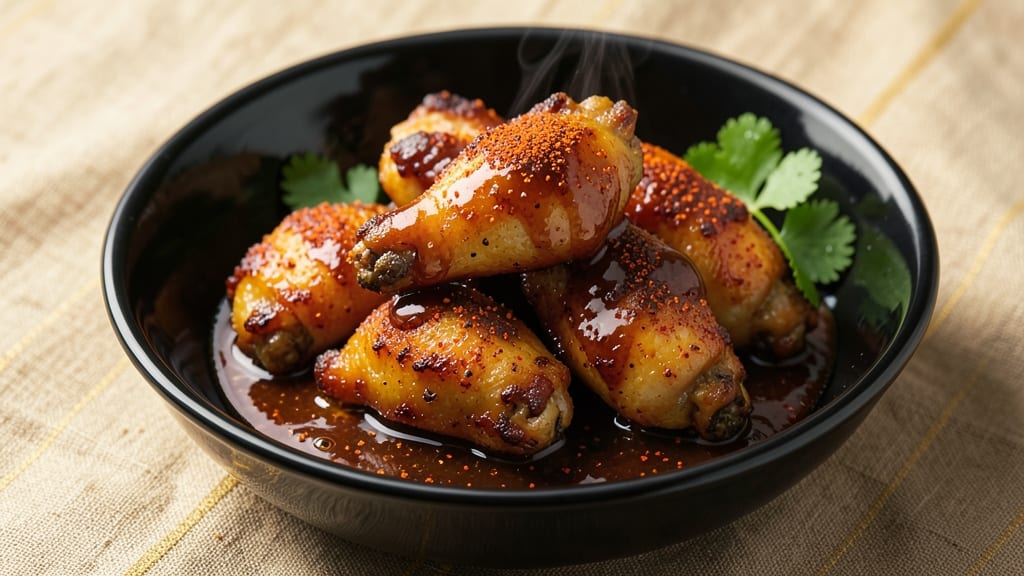
This bourbon wings sauce recipe delivers a deep caramelized gloss with rich spiced oak notes that transform ordinary wings into a restaurant-worthy centerpiece. The secret lies in slow reduction and a balance of sweetness, heat, and smoky depth—something you won’t find in store-bought versions.
I’ve perfected this sauce over years of testing, ensuring it clings perfectly to crispy wings while adding layers of complexity.
The foundation starts with bourbon, which infuses the sauce with its signature oak and vanilla undertones, then caramelizes into a glossy finish. A touch of brown sugar enhances the depth without overpowering, while cayenne and smoked paprika add just the right amount of heat and smokiness.
The sauce thickens naturally as it reduces, creating that signature sticky-sweet glaze that makes every bite irresistible.
What makes this sauce truly versatile is its ability to elevate more than just wings—use it as a dipping sauce for fries, a glaze for ribs, or even a finishing touch for grilled meats.
The flavors develop even better after resting, so making a batch ahead ensures you’re always ready for game day or a weeknight craving.
With just eight simple ingredients and a 30-minute simmer, this bourbon wings sauce is easier to make than you’d expect. The key is patience—letting the sauce reduce slowly builds those rich, caramelized notes that set it apart. Once you taste the difference, you’ll never go back to bottled versions.
Ingredients for bourbon wing sauce
Eight simple ingredients transform into a sauce that rivals any restaurant version.
| Ingredient | Amount | Notes |
|---|---|---|
| Bourbon 🍷 | ½ cup | 80-proof or higher for depth |
| Brown Sugar 🍯 | ½ cup | Packed lightly for caramelization |
| Apple Cider Vinegar 🍎 | ¼ cup | Balances sweetness and adds tang |
| Smoked Paprika 🌶️ | 2 tbsp | For authentic smoky depth |
| Cayenne Pepper 🔥 | 1 tsp | Adjust for heat preference |
| Garlic Powder 🧄 | 1 tsp | Fresh or dried works fine |
| Onion Powder 🧅 | 1 tsp | Enhances savory base |
| Black Pepper 🌶️ | ½ tsp | Freshly ground for best flavor |
The bourbon is non-negotiable here—it's what gives this sauce its signature oak and vanilla notes. Buffalo Trace or Maker's Mark are my go-tos, but any good bourbon will work. The brown sugar isn't just for sweetness; it caramelizes beautifully as the sauce reduces, creating that glossy finish. Apple cider vinegar might seem odd, but it cuts through the richness and adds a bright tang that balances everything. For the smoked paprika, Penzeys or Trader Joe's have the best quality—avoid the stuff that looks like dust. Freshly ground black pepper makes a huge difference, so don't skip grinding it right before using.
No bourbon? Substitute apple juice or even a splash of vanilla extract for some of that depth, but you'll lose that caramelized oak flavor. Running low on vinegar? Lemon juice works in a pinch, though it'll be slightly more tart. Want more heat? Add an extra ½ tsp of cayenne. For a sweeter version, bump the brown sugar to ⅔ cup. The garlic and onion powders are easy to find—just make sure they're fresh. If your spices smell like nothing, toss 'em. This sauce is versatile enough to handle substitutions, but those key flavors make all the difference.
This sauce tastes even better the next day as the flavors meld. Store it in an airtight container in the fridge for up to 2 weeks. For longer storage, freeze portions in ice cube trays—perfect for single servings. The sauce thickens as it cools, so you can thin it with a splash of water or broth if needed. I always make a double batch—one for wings, one for dipping fries or drizzling over grilled chicken. It reheats beautifully, so leftovers are a must-have.
Why You'll Love This Recipe
- Five-Ingredient Magic: I swear by this—just bourbon, brown sugar, vinegar, and two spices. That’s it. No chopping, no straining, no fancy techniques. Honestly, I’ve made it blindfolded (okay, maybe not), and it still comes out rich and sticky every time.
- Smoky-Sweet Kick: Between us, the smoked paprika and cayenne give it this perfect balance—sweet from the bourbon and brown sugar, but with a little heat to wake you up. It’s not too spicy, not too sweet; it’s that Goldilocks zone where wings disappear faster than you can say “second round.”
- Game for Any Gathering: This sauce is my go-to for game day, lazy Sunday brunches, or when friends just “pop by.” Slather it on wings, toss it with fries, or even drizzle it over baked beans. I’ve even used it as a marinade for pork chops—works every time.
Step-by-step instructions for bourbon wings sauce
Here's how to create a rich, caramelized glaze with deep smoky-sweet notes.
Combine Wet Ingredients in a Saucepan
In a medium saucepan, pour in the 0.5 cup bourbon and bring it to a gentle simmer over medium heat. I like to let it reduce by about half—this concentrates the flavor and removes some of the alcohol. You'll notice the aroma becomes more intense as the liquid reduces.
Once the bourbon has reduced, carefully whisk in the 0.5 cup brown sugar and 0.25 cup apple cider vinegar. Stir constantly for 3-4 minutes until the sugar dissolves completely and the mixture begins to thicken slightly. The sauce should take on a golden hue and develop a caramel-like scent. If you see any sugar grains lingering, keep stirring—this ensures a smooth, glossy finish.
Here's the thing—don't rush this step. The sugar needs time to fully integrate, and the vinegar helps balance the sweetness while adding a subtle tang that cuts through the richness. If the mixture starts to bubble too vigorously, reduce the heat slightly to prevent scorching.
Add Dry Seasonings and Simmer
With the saucepan still over medium heat, sprinkle in the 2 tablespoons smoked paprika, 1 teaspoon cayenne pepper, 1 teaspoon garlic powder, 1 teaspoon onion powder, and 0.5 teaspoon black pepper. Stir immediately to prevent the spices from burning—this is where the magic happens.
Let the mixture simmer for 8-10 minutes, stirring occasionally. You'll see the sauce thicken into a glossy, syrupy consistency. The smoked paprika will infuse the sauce with a deep, woodsy aroma, while the cayenne adds a subtle heat that lingers. If the sauce starts to darken too quickly, reduce the heat to low to avoid burning.
I know it seems like a long simmer, but this step is crucial. The spices need time to bloom and meld with the bourbon's flavors. The sauce should coat the back of a spoon smoothly—this is your cue that it's ready for the next step.
Reduce for Maximum Flavor Concentration
Once the sauce has thickened, increase the heat to medium-high and let it simmer uncovered for an additional 5-7 minutes. This final reduction deepens the caramelization and intensifies the flavors. You'll notice the sauce darkens slightly and becomes even more glossy.
Watch closely during this time—the sauce should reduce to a consistency similar to honey or light syrup. It should coat a spoon thickly but still flow smoothly. If it thickens too much, you can add 1 teaspoon water to loosen it slightly, but aim for a balance between thickness and pourability.
Real talk: This is the moment that matters. The longer you reduce, the more concentrated the flavors become. But don't let it burn—if it starts to smoke or darken too quickly, reduce the heat immediately. The goal is a glossy, caramelized sauce with layers of smoky, sweet, and slightly spicy notes.
Cool and Use
Remove the saucepan from heat and let the sauce cool for 10-15 minutes. This resting period allows the flavors to settle and the sauce to thicken further as it cools. I like to stir it occasionally to prevent a skin from forming.
The sauce should be ready to use once it reaches room temperature. It will thicken slightly more as it cools, so if you plan to use it immediately, you can gently reheat it over low heat while stirring constantly. This sauce works best when applied to wings that have been baked or fried to a crispy texture—it clings beautifully and creates a sticky, caramelized crust.
Don't skip the cooling step. Rushing this can make the sauce too thin or cause it to separate when applied to the wings. The patience here ensures a smooth, glossy finish that's worth every minute.
Pro Tips For Making Bourbon Wing Sauce
- STIR CONSTANTLY AT FIRST: The first 2 minutes of simmering bourbon and brown sugar are where flavors caramelize—don’t walk away. I learned this the hard way when my sauce turned cloyingly sweet instead of rich and balanced. Keep the heat medium and use a wooden spoon to scrape the bottom every 30 seconds until it darkens slightly.
- USE REAL MAPLE VINEGAR: Apple cider vinegar works, but real maple vinegar (yes, it’s a thing) adds depth and cuts through the sugar’s heaviness without overpowering. I was skeptical until I tried it—it’s pricier but makes the sauce taste like it came from a Southern kitchen, not a shortcut jar.
- SIEVE THE BROWN SUGAR: Packed brown sugar clumps like concrete in hot liquid. Lightly pulse it in a food processor or press through a fine-mesh sieve before adding to avoid grainy texture. Trust me, you’ll notice the difference when the sauce is silky smooth.
- SAVE THE BOURBON BURN: Start with ¼ cup bourbon and simmer uncovered until it reduces by half before adding vinegar. After burning three batches, I finally figured out that letting the alcohol cook off first prevents harsh fumes and ensures the sauce tastes like bourbon, not rubbing alcohol.
Regional styles of this dish
Kentucky Classic
This is where bourbon wings sauce originated—Kentucky’s love affair with bourbon and wings creates the perfect marriage. The original version relies on high-proof bourbon (like Buffalo Trace) and a touch of hot honey instead of brown sugar for that signature Southern sweetness.
I’ve made this version countless times, and the key is letting the bourbon reduce until it’s nearly syrupy before adding spices. Serve it with crispy fried wings and a side of coleslaw for the full Kentucky experience. 🍗
Tennessee Twist
In Tennessee, they take it up a notch with moonshine instead of bourbon—just replace the bourbon with 1 cup moonshine (or white whiskey) for a sharper, more intense flavor.
Add 1 teaspoon cinnamon to the spice blend for warmth, and finish with a drizzle of blackberry jam for a fruity-sweet contrast. This version is popular at Nashville BBQ joints and pairs perfectly with pulled pork sandwiches. 🌶️
Texas BBQ Fusion
Texas brings bold flavors to the sauce by adding 1 tablespoon chipotle powder and 1 teaspoon cumin to the spice mix. Use 1 cup Texas-style bourbon (like El Jimador) and reduce it with ¼ cup beef broth instead of vinegar for a deeper, meatier taste.
This sauce is a game-changer for brisket or ribs, where the smoky-sweet glaze complements the rich, fatty cuts. Serve with pickled jalapeños for a tangy kick. 🔥
Louisiana Spicy Kick
Down in Louisiana, they crank up the heat with 1 tablespoon cayenne pepper and 1 teaspoon Creole seasoning (like Tony Chachere’s). Replace half the bourbon with 1 tablespoon hot sauce (like Crystal or Tabasco) for extra fire.
This version is a crowd-pleaser for po’boys or gumbo, where the sauce’s bold flavors stand up to hearty dishes. Garnish with green onions and sliced jalapeños for freshness. 🌶️
Midwest Game Day Favorite
The Midwest keeps it simple but smoky, often using maple syrup instead of brown sugar for a caramelized finish. Add 1 teaspoon mustard powder to the spice blend for a tangy depth, and finish with a splash of apple cider before serving.
This version is a staple at tailgates and pairs perfectly with beer-battered onion rings. The sauce’s sticky-sweet glaze makes it ideal for dipping or drizzling. 🏈
California Fusion
West Coast chefs put their own spin on it by adding 1 teaspoon orange zest and 1 tablespoon honey for a bright, citrusy twist. Use 1 cup California bourbon (like Woodford Reserve) and reduce it with ¼ cup orange juice for a refreshing balance.
This sauce works amazingly on grilled chicken or fish, especially with a side of avocado salsa. The citrus notes cut through the richness beautifully. 🍊
Nutrition facts
Frequently asked questions
Can I make this sauce without bourbon?
Yes, but the flavor will change. Replace the bourbon with ½ cup apple juice plus 1 teaspoon vanilla extract for depth, or use ½ cup white wine for a slightly sharper taste. The caramelization will still happen, but you’ll lose that signature oak and vanilla complexity.
How do I adjust the heat level?
Start with the 1 teaspoon cayenne as written for mild heat. For medium heat, add ½ teaspoon more cayenne. For spicy, increase to 1½ teaspoons total. If you prefer smoky heat over spicy, reduce the cayenne and add ½ teaspoon chipotle powder instead. Always taste as you go!
Can I use this sauce on other foods besides wings?
This versatile sauce works as a glaze for ribs, pulled pork, or grilled chicken. Use it as a dipping sauce for fries, mozzarella sticks, or even veggie sticks. For seafood, try it on grilled shrimp or salmon—the smoky-sweet balance shines there too. Just avoid delicate fish like flounder, which can overpower the flavor.
Why did my sauce turn grainy?
Graininess usually means the sugar didn’t fully dissolve. Stir constantly during the initial 3-4 minutes of simmering to prevent this. If it happens, whisk in 1 teaspoon water and simmer for another 2 minutes. For future batches, use light corn syrup instead of brown sugar—it dissolves more easily.
How long will this sauce keep?
Store in an airtight container in the fridge for up to 2 weeks. For longer storage, freeze in ice cube trays (thaw overnight in the fridge) or small jars (up to 3 months). The flavors actually improve after 24 hours as the ingredients meld. Reheat gently over low heat, stirring constantly to prevent separation.