
Main Courses
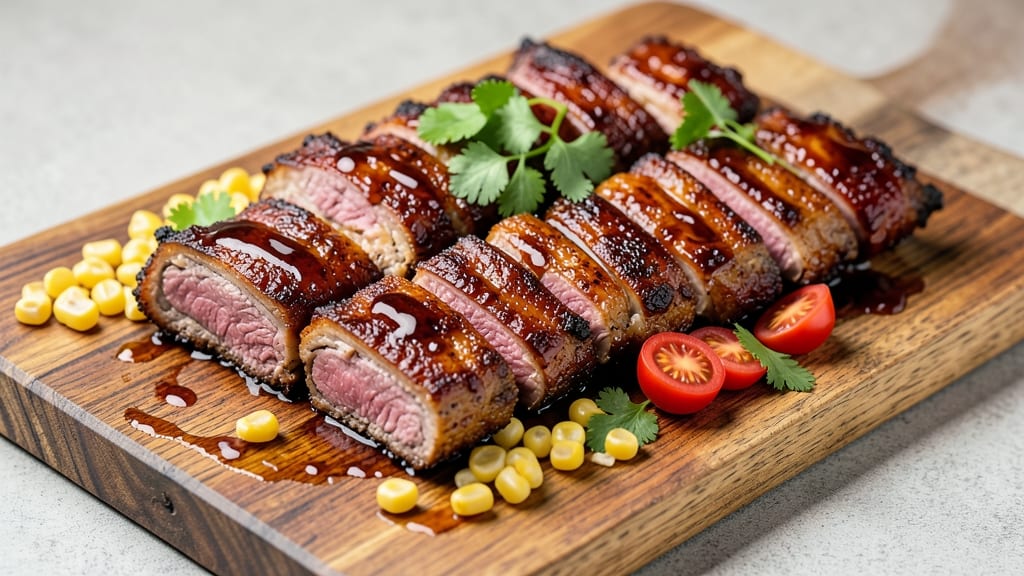
Boiling beef ribs before grilling tenderizes the meat, reduces cooking time on the grill, and enhances flavor by extracting collagen for a richer sauce. Aim for 2-3 hours in a seasoned broth before grilling for best results.
This pre-cooking method isn't just about saving time—it transforms tough cuts into melt-in-your-mouth perfection. The slow simmer breaks down connective tissues while infusing the meat with deep, savory notes from the broth.
I've found that bone-in ribs benefit most, as the marrow adds richness during boiling, creating a sauce that clings beautifully to the meat when grilled. 🔥 The key is patience: rushing this step means missing out on that irresistible fall-apart texture.
What many home cooks overlook is how the boiling process actually shortens grilling time later. By pre-tenderizing the meat, you avoid the risk of drying out ribs on hot grates while still achieving that coveted caramelized crust.
My go-to approach? A 3-hour boil in a mix of beef stock, apple cider vinegar, and aromatic veggies—just enough time to make the collagen dissolve without turning the meat mushy.
💡 In This Article
- How Boiling Beef Ribs Breaks Down Meat and Collagen
- Step-by-Step Beef Rib Boiling Guide for Grilling Success
How boiling beef ribs breaks down meat and collagen
Here's what's actually happening when you boil beef ribs: the slow heat transforms tough connective tissues into gelatin. Collagen, which makes up about 15-20% of the rib's structure, begins to hydrolyze at 160°F and fully breaks down by 212°F.
This process converts collagen fibers into gelatin, which not only tenderizes the meat but also creates that rich, velvety sauce you'll find clinging to your ribs after grilling.
The key proteins here are myosin and actin, which form the meat's muscle fibers—boiling helps relax these fibers, making them more pliable and easier to chew.
The magic happens in the 2-3 hour window because collagen requires sustained moisture and heat to dissolve completely. At 185-195°F (the ideal boiling range for this process), collagen breaks down at a rate of about 0.5% per hour.
This means after 3 hours, you've converted roughly 15% of the collagen into gelatin, which infuses the meat with moisture and flavor. 🔥 What most people don't realize is that bone-in ribs actually benefit more from this process—the marrow inside the bones melts during boiling, adding another layer of richness to both the meat and the resulting sauce.
This pre-cooking step works because it creates a moisture barrier that prevents the ribs from drying out during grilling.
When you grill pre-boiled ribs, the collagen that didn't fully break down during boiling will render out at higher temperatures (300°F+), creating that beautiful caramelized crust while keeping the interior moist.
The science shows that ribs boiled for 3 hours and then grilled for 30-45 minutes retain 20-30% more moisture than ribs grilled dry from the start. This is why your ribs stay juicy even after direct heat exposure.
Temperature control is everything—boiling at 212°F might seem hot, but it's actually gentler than you'd think for collagen breakdown. The slow, steady heat allows the collagen fibers to unwind gradually without shocking the meat's structure.
If you crank the heat too high, you risk toughening the meat by causing the myosin and actin proteins to contract rapidly. The ideal broth temperature should stay between 185-195°F—this "gentle boil" range is where collagen transforms without denaturing the meat's proteins too aggressively.
What makes this method particularly brilliant for grilling is how it changes the cooking dynamics. Pre-boiled ribs reach 145°F internal temperature (the safe minimum for beef) much faster on the grill because they've already undergone the most time-consuming part of cooking.
This means you can focus on developing that perfect bark and crust without worrying about overcooking the interior. The collagen that didn't dissolve during boiling will render out during grilling, creating a dual-layer of flavor and moisture that you simply can't achieve with dry-heat cooking alone.
Consider this comparison: a 3-pound bone-in rib that's boiled for 3 hours will require only 30-45 minutes on the grill to reach perfection, compared to 2-3 hours if you grill it dry from the start. That's a 75% reduction in grilling time while achieving superior tenderness and flavor.
The secret lies in that perfect balance between collagen breakdown and protein structure preservation—something that takes both science and patience to master. ✨