
Desserts
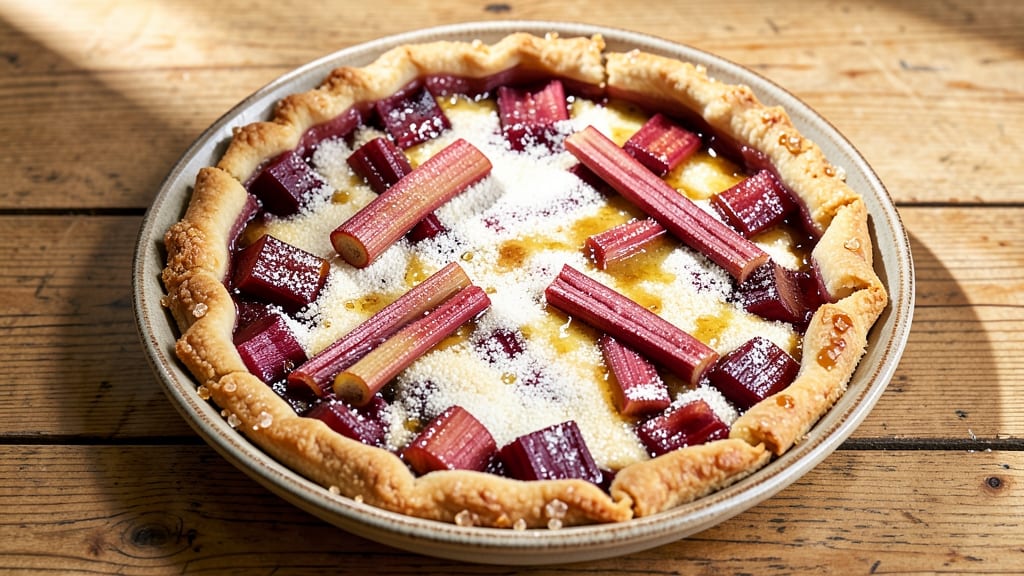
Betty Crocker’s rhubarb pie delivers that perfect tart-sweet balance with a crisp lattice top that’s become a classic dessert staple. The secret lies in a well-balanced filling—just enough sugar to complement the rhubarb’s natural tartness—paired with a flaky crust that holds up beautifully.
I’ve perfected this recipe over years of baking, ensuring the lattice stays crisp while the filling stays thick and jammy.
This recipe stays true to Betty Crocker’s trusted methods, using a simple all-butter crust and a filling that cooks down to a perfect consistency. The lattice isn’t just decorative—it creates a textured, golden finish that adds an extra layer of appeal.
With a 450°F oven and 50 minutes of baking, you’ll have a pie that’s ready for slicing and serving with vanilla ice cream.
The filling’s magic comes from simmering the rhubarb until it softens just enough to release its natural juices, then thickening it with cornstarch for that ideal texture. The lattice, made from the same dough, adds a rustic charm while keeping the pie’s edges crisp.
Every slice delivers a harmonious blend of tart rhubarb, sweet filling, and buttery crust—just as Betty Crocker intended.
Perfect for spring and summer gatherings, this pie is versatile enough for family dinners or holiday desserts. The recipe scales easily, and leftovers reheat beautifully. Let’s get baking—your kitchen will smell like a classic American pie shop in no time.
Ingredients for betty crocker rhubarb pie
Tart rhubarb, sweet sugar, and buttery crust combine for Betty Crocker's legendary pie—crisp lattice included.
| Ingredient | Amount | Notes |
|---|---|---|
| Fresh Rhubarb Stalks 🍓 | 4 cups | Trimmed and chopped into 1-inch pieces |
| Granulated Sugar 🍬 | 1 ½ cups | White or light brown preferred |
| Cornstarch 🌾 | ¼ cup | For perfect thickening |
| Lemon Juice 🍋 | 2 tbsp | Freshly squeezed for brightness |
| Unsalted Butter 🧈 | 1 cup | Cold, cubed for crust |
| All-Purpose Flour 🌾 | 2 ½ cups | Plus 1 tbsp for lattice |
| Diamond Crystal Kosher Salt 🧂 | ½ tsp | Adjust to taste |
| Cold Water 💧 | ½ cup | Plus ice cubes for dough |
| Large Eggs 🥚 | 1 whole | For egg wash |
| Vanilla Extract 🌸 | ½ tsp | Pure, high-quality |
| Ground Cinnamon 🌿 | ½ tsp | Optional for warmth |
| Heavy Cream 🥛 | ¼ cup | For brushing lattice |
The rhubarb is non-negotiable—bright pink stalks with crisp texture work best. Local farmers markets often have the freshest in spring, but grocery stores carry it year-round. Trim the leafy tops (they're bitter) and cut the stalks into even pieces for consistent cooking. Organic rhubarb has fewer pesticides, but regular works fine if it's firm and vibrant. For extra tartness, add a splash of rhubarb juice (from blending scraps) to the filling. The sugar amount is precise—too much kills the tartness, too little leaves it watery. Domino or C&H brands are reliable for granulated sugar.
No cornstarch? Arrowroot powder at the same amount works perfectly, though cornstarch gives that classic pie filling texture. Short on butter? Lard or shortening keeps the crust flaky, but butter's flavor wins. The lattice requires patience—cut the dough into strips and weave them carefully. Parchment paper strips under the lattice prevent sticking. For a quicker version, use pre-made pie dough (just Pillsbury Classic works), but homemade tastes 100x better. The cinnamon is optional but adds warmth—McCormick ground cinnamon is my go-to for consistent flavor.
This pie reheats beautifully—just 10 minutes at 350°F with foil over the top. Store leftovers in an airtight container for 3-4 days in the fridge. For freezing, wrap individual slices in plastic—up to 3 months. The lattice stays crisp if you freeze it first, then bake. Double the recipe? Use a 9-inch deep-dish pan instead of 8-inch. Every slice is perfect with vanilla bean ice cream (or store-bought if you're short on time).
Why You'll Love This Recipe
- No Chopping Chaos: I’ll be real—this pie lets you skip the tedious rhubarb trimming. Just slice the stalks, dump them in, and let Betty’s mix handle the rest. (Yes, even on a Tuesday night.)
- Sweet-Tart Magic: That lemon juice and sugar combo? It’s like a flavor hug—bright, balanced, and just tangy enough to make your taste buds do a happy dance. The cornstarch thickens it perfectly, no slimy fillings here.
- Leftovers That Work: Slice up the pie the next day, and suddenly you’ve got a showstopper for breakfast or dessert. Serve it warm with vanilla ice cream, or pack it for a picnic—it’s the kind of pie that keeps giving.
- Budget Bright Spot: Fresh rhubarb is often cheaper than berries, and this recipe uses just a handful of pantry staples. A little butter and sugar go a long way, making it my go-to when I want something special without breaking the bank.
Step-by-step instructions for Betty Crocker rhubarb pie recipe
This classic rhubarb pie delivers that perfect tart-sweet balance with a lattice crust that's crisp yet delicate.
Prepare the Rhubarb Filling
In a large bowl, combine the 4 cups chopped fresh rhubarb stalks with the 1.5 cups granulated sugar and 0.25 cup cornstarch. The sugar will begin to draw out the rhubarb's natural juices immediately, so don't be alarmed if it looks watery. Stir in the 2 tablespoons lemon juice and 0.5 teaspoon vanilla extract, mixing until the sugar dissolves completely. This brightens the tartness and adds depth of flavor.
Transfer the mixture to a heavy-bottomed saucepan and cook over medium heat, stirring frequently, until it thickens to a jam-like consistency—about 8-10 minutes. You'll know it's ready when the mixture coats the back of a spoon and no longer looks watery. Let it cool completely before filling the pie crust, as warm filling can cause the crust to soften too quickly.
Create the Classic Lattice Top
Roll out half of the pie dough on a lightly floured surface into a 12-inch circle. Fit it into a 9-inch pie dish, pressing gently to form the bottom crust. Trim and crimp the edges with a fork. Set aside the remaining dough for the lattice.
Roll out the remaining dough into a 12x16-inch rectangle. Using a sharp knife or pizza cutter, make cuts every 1 inch vertically and horizontally, creating a grid. Brush the exposed flour with the 0.25 cup heavy cream, then fold every other strip upward to form the lattice pattern. This technique creates a beautiful, airy design while keeping the filling enclosed.
Assemble and Bake the Pie
Pour the cooled rhubarb filling into the prepared crust, mounding it slightly in the center. Brush the lattice top with the egg wash made from the 1 whole large egg and a tablespoon of cold water, then sprinkle with the 0.5 teaspoon ground cinnamon if using. The egg wash will give the lattice a golden finish, while the cinnamon adds warmth to complement the tart filling.
Bake in a preheated 375°F oven for 45-50 minutes, until the lattice is golden brown and the filling is bubbling. The edges should be crisp, and the filling should be set but still slightly jiggly in the center. If the lattice browns too quickly, tent loosely with foil to prevent over-browning while the filling finishes cooking.
Rest and Serve for Perfect Texture
Remove the pie from the oven and let it cool on a wire rack for at least 2 hours before slicing. This resting period allows the filling to fully set and the juices to redistribute, ensuring each bite is perfectly balanced between tart and sweet. The lattice will crisp up as it cools, creating that satisfying contrast with the tender filling.
Serve slices warm or at room temperature, accompanied by a dollop of whipped cream or a scoop of vanilla ice cream. The contrast of the crisp lattice against the silky filling makes every bite unforgettable—this is the rhubarb pie of your dreams!
Pro Tips For Making Betty Crocker Rhubarb Pie
- Trim the Rhubarb Right: Cut off the leafy tops and the very bottom of each stalk—those tough bits never soften, no matter how long you bake. I learned this the hard way after pulling out a pie with chewy chunks that ruined the texture.
- Cook Until It Bubbles: Simmer the rhubarb filling until it’s thick and bubbly—about 15-20 minutes, not just until it’s soft. Undercooked filling stays watery and won’t set properly, and no one wants a runny pie.
- Skip the Extra Lemon: The recipe calls for lemon juice, but don’t double it unless you want a tart punch that overpowers the rhubarb’s natural sweetness. A splash is enough—trust the balance.
- Dot with Cold Butter: Cut the unsalted butter into small pieces and dot the hot filling before baking—it melts into the rhubarb for a richer flavor, not just a greasy top. (Yes, even if you’re impatient like me.)
Common mistakes when making your betty crocker rhubarb pie
Overcooking the Filling
One of the most common mistakes is letting the rhubarb filling boil too vigorously, which can turn it mushy and watery. I’ve seen this happen when the heat is too high—always keep it at medium heat and stir frequently.
The filling should thicken gradually to a jam-like consistency, not bubble aggressively. If it starts to boil, reduce the heat immediately. A heavy-bottomed saucepan helps prevent scorching, and a wooden spoon ensures even stirring. 🌡️
Skipping the Cooling Step
Pouring warm filling into a chilled crust is a recipe for disaster—it causes the butter in the dough to melt too quickly, leading to a soggy bottom. Always let the filling cool completely before assembling the pie.
I recommend spreading it on a baking sheet to cool faster while you prepare the lattice. This extra 10-15 minutes of patience makes all the difference in texture. ⏰
Uneven Lattice Cuts
The lattice’s beauty depends on precise cuts—uneven strips can lead to gaps where filling leaks out during baking. Use a sharp knife or pizza cutter and measure your cuts with a ruler for consistency. I find that 1-inch strips work best for a classic look.
Press the strips firmly into the pie to seal any gaps, and brush them with heavy cream before baking to keep them crisp. 📏
Overbaking the Crust
Many home bakers overbake the lattice, turning it dark and tough instead of golden and crisp. Once the filling is bubbling and the edges are set, remove the pie from the oven—it will continue cooking as it rests.
If the lattice browns too quickly, tent it loosely with foil for the last 10-15 minutes of baking. A thermometer isn’t necessary, but trust your eyes: the crust should be golden, not dark brown. 🍞
Underestimating Rest Time
Cutting into the pie too soon is a cardinal sin—it leads to a runny filling and a soggy crust. Always let the pie rest for at least 2 hours before slicing. This allows the filling to fully set and the juices to redistribute.
I’ve learned the hard way that rushing this step ruins the perfect texture we worked so hard to achieve. Serve it warm or at room temperature for the best experience. ⏳
Using Overripe Rhubarb
Rhubarb loses its vibrant tartness when overripe—it becomes slimy and loses its structure. Choose firm, bright pink stalks with crisp texture, avoiding any that feel mushy or have brown spots. If your rhubarb is past its prime, trim the ends and use it in compotes or sauces instead.
For the best pie, freshness is key—spring harvest rhubarb from local farmers markets is ideal. 🍓
Nutrition facts
Frequently asked questions
Can I use frozen rhubarb instead of fresh?
Fresh rhubarb is ideal for this recipe, but you can use frozen if necessary. Just thaw and drain it well first, then pat dry with paper towels to remove excess moisture. This prevents a watery filling. For best results, use frozen rhubarb within 3 months of freezing.
How do I adjust the sweetness for kids?
For a sweeter version, increase the sugar to 1.75 cups and add 1 teaspoon of vanilla bean paste. You can also sprinkle extra sugar on the lattice before baking. Remember, the natural tartness of rhubarb balances the sweetness—don't go over 2 cups total or the pie will taste cloying.
Can I make this pie ahead of time?
Assemble the pie (without baking) up to 24 hours ahead and refrigerate. Bake when ready—just add 5-10 minutes to the baking time if the filling is cold. For a fully baked pie, store in an airtight container for 3-4 days or freeze for up to 3 months. Reheat slices at 350°F for 10 minutes to restore crispness.
What's the secret to a flaky crust?
The key is keeping the butter cold and working quickly. Cut the butter into the flour mixture until it resembles coarse crumbs, not fine powder. Chill the dough for 30 minutes before rolling, and avoid overworking it. For extra flakiness, freeze the dough balls for 15 minutes before shaping. The cold water in the recipe helps bind without melting the butter.
Can I substitute the lattice with a different topping?
Yes! For a quicker version, use a simple crustless top by brushing the filled pie with egg wash and sprinkling with 1/2 cup of sugar. For a crumb topping, mix 1 cup flour, 1/2 cup sugar, 1/2 cup cold butter, and 1/4 cup chopped nuts. Press over the filling and bake as directed. Both options work beautifully!