Main Courses
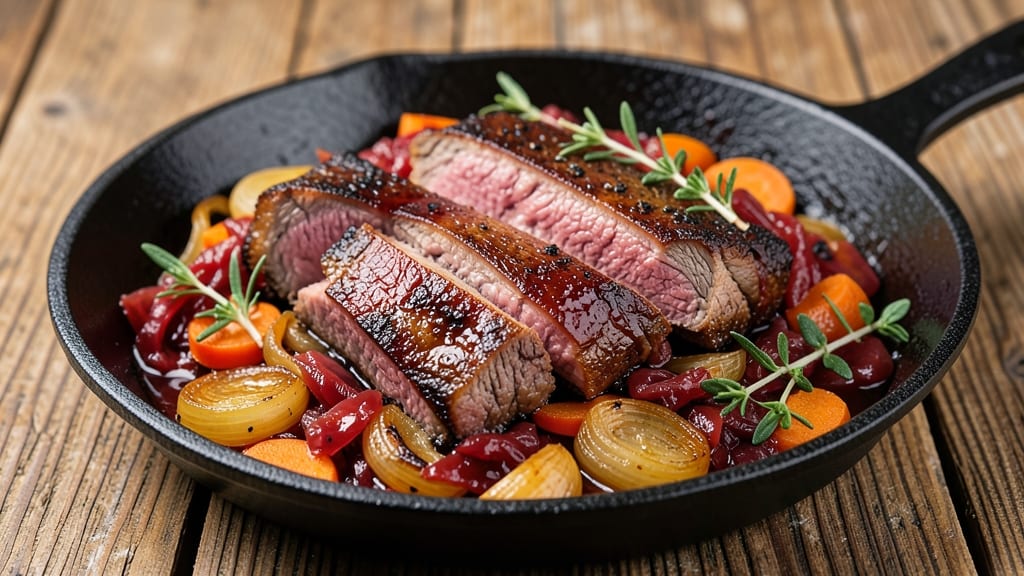
Slow-braising beef short ribs with sauerkraut transforms tough cuts into melt-in-your-mouth tenderness while balancing rich, savory flavors with tangy crunch. This recipe delivers restaurant-quality results through precise searing and slow cooking techniques that develop deep, caramelized flavors in the meat while preserving the sauerkraut's signature tang.
The key lies in layering aromatics and braising liquid to create a sauce that clings to every bite, turning a simple weeknight dinner into an unforgettable meal.
What sets this dish apart is the perfect harmony between the beef's luxurious texture and the sauerkraut's bright acidity. Professional chefs rely on this balance to elevate humble ingredients into something extraordinary, and you can achieve the same results with careful timing and attention to detail.
The short ribs develop a tender, almost buttery consistency while the sauerkraut adds a refreshing contrast that cuts through the richness.
By the time you serve this dish, you'll have perfectly braised short ribs that fall apart at the touch of a fork, swimming in a deeply flavorful sauce with crisp-tender sauerkraut that adds both texture and complexity.
The aroma alone will have everyone gathering at the table, and the first bite will confirm why this combination has been a staple in kitchens worldwide for generations.
This recipe works equally well for special occasions or comforting weeknight dinners, scaling beautifully from family gatherings to intimate meals for two. The techniques are approachable yet professional, ensuring consistent results every time you prepare it. Let's get started on creating this timeless classic in your own kitchen.
Ingredients for beef short ribs and sauerkraut
Sixteen ingredients transform tough beef into melt-in-your-mouth perfection with tangy sauerkraut contrast.
| Ingredient | Amount | Notes |
|---|---|---|
| Beef Short Ribs 🥩 | 2 lb | Bone-in, cut into 2-inch pieces |
| Sauerkraut 🥬 | 2 cups | Drained, rinsed if too acidic |
| Carrots 🥕 | 3 medium | Peeled, cut into thick rounds |
| Yellow Onion 🧅 | 1 whole | Sliced into half-moons |
| Fresh Thyme 🌿 | ¼ oz | Or 2 tbsp dried thyme |
| Garlic Cloves 🧄 | 6 cloves | Smashed, not minced |
| Beef Broth 💧 | 2 cups | Homemade or quality store-bought |
| Dry Red Wine 🍷 | 1 cup | Bold variety like Cabernet Sauvignon |
| Tomato Paste 🍅 | 2 tbsp | Smooth, not chunky |
| Olive Oil 🫒 | 2 tbsp | Extra-virgin for searing |
| Kosher Salt 🧂 | 1 ½ tsp | Diamond Crystal preferred |
| Black Peppercorns 🌶️ | 1 tsp | Freshly cracked |
| Bay Leaves 🍃 | 2 whole | Fresh if available |
| Honey 🍯 | 1 tbsp | For balancing acidity |
| Fresh Parsley 🌿 | ¼ cup | Chopped, for garnish |
The beef short ribs are non-negotiable—bone-in cuts add flavor while the 2-inch pieces ensure even cooking. Look for well-marbled meat at Whole Foods or your butcher counter, as supermarket cuts often lack the same richness. Sauerkraut quality matters too: Stone-ground brands like Bubbies or Rehrl have the best texture. If yours is too acidic, rinse it well before using—I always do this with store-bought brands. The carrots should be firm and brightly colored; organic works best since they'll be cooked low-and-slow.
No red wine? Substitute beef broth with 1 tbsp balsamic vinegar—it mimics the depth without the alcohol. Fresh thyme is ideal, but dried works at one-third the amount. The tomato paste can be the squeeze-tube kind from Trader Joe's—it's perfect for this recipe and lasts forever. Short on time? Pre-cut carrots from the store work fine, just give them a quick rinse. The honey balances the sauerkraut's acidity beautifully, but maple syrup works too if you're avoiding refined sugar. For the garlic, smashing the cloves releases more flavor than mincing—trust me on this.
This dish tastes even better the next day as flavors meld. Store in the fridge for 4-5 days or freeze for 3 months—portion into containers for easy reheating. The ribs reheat beautifully in the same braising liquid, while the sauerkraut can be served fresh alongside. I always make extra sauce to drizzle over roasted potatoes or mashed sweet potatoes. The leftovers keep 3-4 days in the fridge, and the sauce freezes well for up to 6 months if you want to make a big batch.
Why You'll Love This Recipe
- One-Pot Magic: I swear by this recipe—just sear the ribs, toss in the sauerkraut and veggies, then let the oven do the work. No chopping boards full of scraps, no stressing over multiple pans.
- Caramelized Crunch: That crispy, browned edge on the ribs paired with the tangy sauerkraut? It’s like a flavor explosion in your mouth. The thyme adds this earthy warmth that ties everything together perfectly.
- Leftovers That Shine: Between us, this dish actually improves the next day. The ribs get even more tender, and the sauerkraut soaks up all the juices—perfect for quick lunches or feeding unexpected guests.
- Budget-Friendly Feast: Short ribs might sound fancy, but they’re cheaper than steak and stretch further than chicken. Plus, sauerkraut and carrots are pantry staples—this meal won’t break the bank.
Step-by-step instructions for beef short ribs and sauerkraut
This slow-braised masterpiece delivers melt-in-your-mouth tenderness with a tangy crunch you'll crave.
Sear the Beef Short Ribs for Deep Flavor
Heat a heavy Dutch oven over medium-high heat and add the 2 tablespoons olive oil. Once shimmering, add the 2 lb beef short ribs in a single layer, working in batches if needed. Let them sear undisturbed for 4-5 minutes per side until developing a deep mahogany crust.
Here's the thing—don't rush this step. You want those ribs to develop a rich, caramelized crust that'll dissolve into the sauce later. If your pan gets too crowded, reduce heat slightly to prevent steaming. Once all ribs are browned, transfer them to a plate and set aside.
Build the Aromatic Base
In the same Dutch oven, add the 3 medium carrots and 1 whole yellow onion, stirring to coat in the rendered fat. Cook for 5-6 minutes until the vegetables begin to soften and take on color. Add the 6 smashed garlic cloves and 0.25 oz fresh thyme, stirring for 30 seconds until fragrant.
This is where the magic happens. The vegetables release their natural sugars, which will caramelize and form the flavor foundation. Don't let them brown too much—you want them to soften rather than burn. If the pan starts to dry out, add a splash of beef broth to deglaze and scrape up those flavorful browned bits.
Deglaze and Develop the Sauce
Pour in the 1 cup dry red wine and scrape vigorously with a wooden spoon to release all the browned bits from the bottom of the pot. Let it simmer for 3-4 minutes until reduced by half. Stir in the 2 tablespoons tomato paste and cook for another 1 minute to thicken slightly.
This deglazing step captures all the caramelized flavors you've built. The wine reduces to concentrate its depth, while the tomato paste adds richness and helps thicken the sauce. If you're using a bold red wine like Cabernet Sauvignon, you'll notice its complex flavors coming through—this is your opportunity to taste and adjust seasoning with the 1.5 teaspoons kosher salt and 1 teaspoon black peppercorns.
Braise Until Fork-Tender
Return the seared beef short ribs to the Dutch oven. Add the 2 cups sauerkraut, 2 cups beef broth, and 2 whole bay leaves. Bring to a gentle simmer, then cover and transfer to a 300°F oven. Braise for 2.5-3 hours, turning the ribs occasionally, until they're fork-tender and nearly falling apart.
Real talk: This is where patience pays off. The ribs should be so tender they practically disintegrate when pierced with a fork. If the liquid reduces too quickly, add a splash of water or broth to maintain moisture. The sauerkraut will soften and meld with the beef, creating that perfect balance of tangy crunch and rich meat.
Finish and Serve with Tangy Crunch
Remove the ribs from the braising liquid and set aside. Stir the 1 tablespoon honey into the sauce and simmer for 2-3 minutes to balance the acidity from the sauerkraut. Return the ribs to the sauce and heat through for 1 minute. Discard the bay leaves.
Serve the beef short ribs family-style straight from the Dutch oven, ladling the rich sauce over each portion. Garnish with 0.25 cup chopped fresh parsley for a pop of color and freshness. The contrast of tender, fall-apart ribs with the tangy, crunchy sauerkraut is pure comfort food perfection. Pair with crusty bread to soak up every last bit of that luscious sauce.
Pro Tips For Making Beef Short Ribs And Sauerkraut
- SEAR THE RIB BONES: Don’t rush the sear—those bones need to turn deep mahogany, not just brown. I used to walk away too soon, and the ribs ended up tasting like they’d been steamed instead of caramelized. Hit them with a hot pan, fat-side down first, and let them sit undisturbed for 3-4 minutes until they’re glued to the pan. That’s when the magic starts.
- DRAIN AND RINSE SAUERKRAUT: That briny liquid is delicious, but it’ll turn your sauce watery if you don’t handle it. Drain the sauerkraut in a colander, then rinse it under cold water to knock off excess salt—especially if you’re using store-bought kraut that’s been sitting in its juice. Pat it dry with a towel before adding it to the pot, or you’ll be dealing with a soggy mess instead of crisp-tender kraut.
- LOW AND SLOW IS NON-NEGOTIABLE: Short ribs need time, and I mean real time—think 2.5 to 3 hours on low heat. If you crank the heat to speed things up, you’ll end up with tough, stringy meat instead of melt-in-your-mouth perfection. Once the ribs are seared, drop the heat to 300°F (150°C) and let them baby in their own juices. Patience here makes all the difference.
- CHAR THE ONIONS FIRST: Skip the slow cook with onions—char them until they’re blackened at the edges. I was skeptical until I tried it: those deep, smoky notes cut through the richness of the ribs and balance the tang of the sauerkraut. Slice them thick, toss them in a dry pan over high heat, and let them sit until they’re crispy in spots. Then toss them in with the kraut at the end for maximum flavor.
Pro cooking tips for this dish
Sear Like a Pro
Never skip the sear—this is where the Maillard reaction creates deep, caramelized flavors that become the foundation of your sauce. Use a heavy Dutch oven (I recommend All-Clad Stainless) to distribute heat evenly.
Work in batches if needed, and resist the urge to move the ribs too soon—4-5 minutes per side gives you that perfect mahogany crust. If your pan gets crowded, reduce heat to medium to prevent steaming instead of browning. 🔥
Deglaze with Precision
The deglazing step is where most home cooks lose flavor. After searing, immediately pour in the 1 cup dry red wine and scrape vigorously with a wooden spoon—don’t use metal, or you’ll scratch your Dutch oven.
Let the wine reduce by half before adding tomato paste; this concentrates the flavors. If your wine is particularly bold (like Cabernet Sauvignon), taste it before seasoning—you might need less salt. A splash of beef broth here can help dissolve any stuck-on bits if needed.
Braising Temperature Control
Your oven’s temperature gauge can be off by 50°F or more, so use an infrared thermometer to confirm it’s at 300°F before braising. The ribs need to cook slowly and evenly—if your oven runs hot, reduce to 275°F to prevent overcooking.
I like to tent the Dutch oven loosely with foil to allow some moisture to escape while keeping the ribs moist. Check them at 2 hours—they should be tender but not falling apart yet. Patience here is key; rushing leads to dry, stringy meat.
Sauerkraut Timing Trick
Add the sauerkraut after the ribs are in the pot, not at the beginning. This keeps its tangy crunch instead of turning it mushy. If your sauerkraut is too acidic (common with store-bought brands), rinse it once in cold water before adding.
Stir it in last during the braising process so it absorbs the rich beef flavors without losing its texture. For extra depth, add 1 tsp caraway seeds (a classic German touch) when you stir in the sauerkraut—it pairs beautifully with the beef.
Honey Balance
The 1 tbsp honey at the end isn’t just for sweetness—it’s a flavor bridge that softens the sauerkraut’s acidity while enhancing the beef’s richness. Simmer it for exactly 2-3 minutes to avoid caramelizing too much, which can make the sauce taste cloying.
If your sauerkraut is particularly sharp, add an extra ½ tsp honey or a pinch of baking soda (just a pinch!) to neutralize the tang without altering the dish’s integrity. Taste as you go—this is where professional cooks adjust like a chef.
Resting and Serving
Let the ribs rest 10-15 minutes before serving—this allows the juices to redistribute, ensuring every bite is moist. Serve family-style straight from the Dutch oven, ladling the sauce over each portion. Garnish with fresh parsley and a sprinkle of toasted breadcrumbs for texture contrast.
For a restaurant-worthy finish, drizzle a little extra sauce over the sauerkraut just before serving to highlight its tangy crunch. 💫
Nutrition facts
Frequently asked questions
Why does sauerkraut need to be drained and rinsed?
Draining removes excess liquid that can dilute your sauce and make the ribs soggy. Rinsing (if too acidic) balances the tang without losing the fermented flavor. Store-bought sauerkraut often has a sharp bite—this step ensures it complements, rather than overpowers, the rich beef.
Can I substitute bone-in beef short ribs for boneless?
Yes, but expect slightly faster cooking (2 hours instead of 2.5-3 hours). Boneless ribs lose moisture quicker, so add ¼ cup extra beef broth halfway through braising. The flavor won’t differ, but texture will be slightly less tender.
What’s the best way to reheat leftovers?
Place ribs and sauce in a skillet over low heat with 2 tbsp water to prevent drying. Warm for 5-7 minutes, stirring occasionally. Never microwave—it turns the sauce rubbery. Serve with fresh sauerkraut on top for that tangy crunch.
How do I know when the ribs are fully tender?
Pierce with a fork—they should feel like butter when pressed. If they resist, return to 300°F oven for 30 more minutes. The meat should separate cleanly at the bone, with no chewy resistance. Pro tip: Check at 2 hours—they’ll finish cooking while you eat!
Can I make this dish in a slow cooker?
Sear the ribs first, then add all ingredients to the slow cooker. Cook on Low for 7-8 hours or High for 4-5 hours. The ribs may not be as caramelized, but the slow cooking ensures melt-in-your-mouth tenderness. Add sauerkraut in the last 30 minutes to preserve its texture.