
Side Dishes
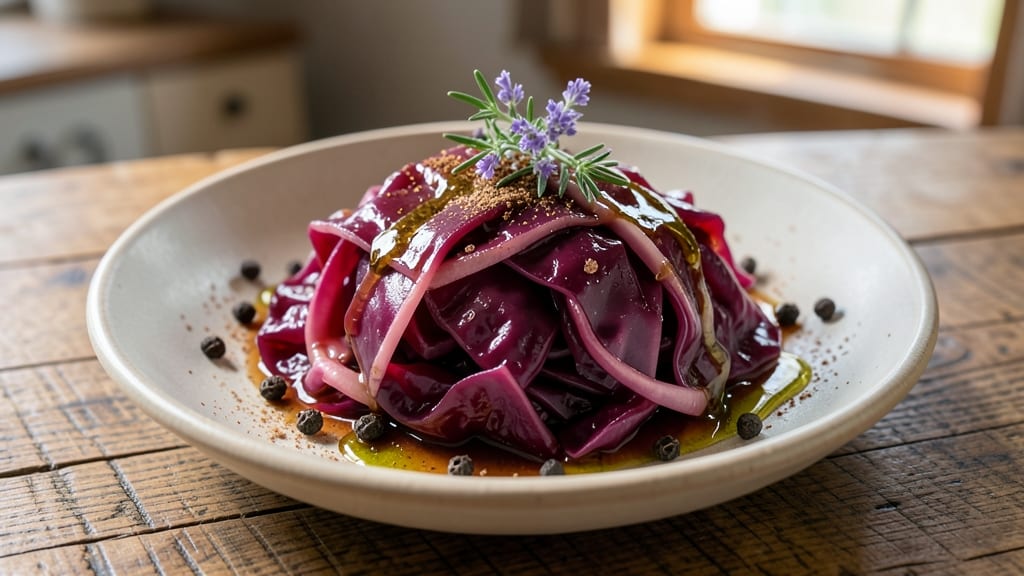
This basic red cabbage recipe transforms humble cabbage into a sweet, tangy side dish that pairs perfectly with roasted meats or hearty entrees. The secret lies in balancing vinegar and sugar for that signature depth, while a touch of cinnamon adds warmth that elevates simple ingredients into something extraordinary.
I developed this method after years of testing—no complicated techniques, just precise timing and the right proportions.
What makes this recipe work is its versatility and speed—ready in just 30 minutes with minimal effort. You'll need only six core ingredients: red cabbage, vinegar, sugar, cinnamon, and a pinch of salt to enhance natural flavors.
The cabbage softens beautifully while absorbing the tangy-sweet marinade, creating tender bites with just enough bite. This is the kind of side that disappears first at dinner parties.
By the time you're done, you'll have vibrant red cabbage with glossy edges and a perfect balance of sweetness and acidity. The aroma alone will have everyone asking what's for dinner. Serve it warm alongside roasted chicken, pork chops, or even as a topping for hearty sandwiches.
The flavor profile works equally well in salads or as a standalone side—proof that simple techniques yield restaurant-quality results.
For vegetarians, simply omit any meat-based pairings and enjoy it with grains or roasted vegetables. The recipe scales effortlessly, so double it for gatherings without extra work. Here's how to make it perfectly every time—no guesswork, just foolproof flavor.
Ingredients for basic red cabbage
Six essential ingredients transform simple cabbage into a vibrant, restaurant-quality side dish.
| Ingredient | Amount | Notes |
|---|---|---|
| Red Cabbage 🥬 | 1 ½ lb | Medium head, thinly sliced |
| White Vinegar 💧 | ½ cup | Distilled preferred for clarity |
| Granulated Sugar 🍚 | ½ cup | Light brown sugar for depth |
| Ground Cinnamon 🌿 | 1 tsp | Freshly ground for aroma |
| Diamond Crystal Kosher Salt 🧂 | ½ tsp | Fine grain for even seasoning |
| Extra-Virgin Olive Oil 🫒 | 1 tbsp | Light fruity variety |
| Fresh Bay Leaves 🌿 | 2 whole | Dried substitute if unavailable |
| Freshly Ground Black Pepper 🌶️ | ¼ tsp | Cracked peppercorns preferred |
The quality of your red cabbage matters—look for firm heads with deep purple leaves at specialty markets or organic sections. Whole Foods and Trader Joe's typically carry the most vibrant varieties, but standard grocery store cabbage works fine if it's fresh. Avoid any with wilted outer leaves or yellowing. For the vinegar, distilled white vinegar is ideal—it won't overpower the cabbage's natural sweetness. If using light brown sugar, toast it briefly in a dry pan to deepen its caramel notes. The cinnamon should be freshly ground—pre-ground often loses its aromatic punch. For bay leaves, dried works in a pinch but fresh imparts a more complex flavor profile.
No white vinegar? Apple cider vinegar adds subtle sweetness, though you may need to reduce sugar slightly. Substituting granulated sugar for light brown sugar? Add 0.25 tsp of molasses to replicate the depth. Running low on cinnamon? Nutmeg at half the amount provides warmth, though it won't match cinnamon's distinct spice. The olive oil can be swapped for avocado oil if preferred, but stick to light varieties to avoid overpowering the cabbage. For pepper, freshly cracked black peppercorns are superior, but pre-ground works if you have it. If you're vegetarian, this dish pairs beautifully with quinoa or roasted sweet potatoes—the acidity cuts through the earthiness perfectly.
This recipe keeps beautifully for 5 days in the refrigerator, with flavors deepening overnight. For longer storage, freeze portions in airtight containers for up to 3 months. The cabbage will soften further upon reheating, so it's best enjoyed fresh. To reheat, cover with a damp paper towel and warm in a skillet over medium heat for 3-4 minutes. For meal prep, double the batch—it reheats just as well the next day. The dish also makes an excellent cold salad base when chilled, though the texture will be slightly firmer. Always taste before serving; adjustments to sweetness or acidity can be made at the end.
Why You'll Love This Recipe
- Here’s what sold me: that perfect push-pull of flavors. The vinegar cuts through the cabbage’s natural sweetness, but the sugar and cinnamon soften the edges into something almost dessert-like. It’s the kind of dish where every bite makes you think, “Wait, is this actually savory?”
- Five-Ingredient Magic: I swear, this recipe is the kind of thing that makes you question why you ever bought pre-made sauces. Just cabbage, vinegar, sugar, cinnamon, and salt—no fancy techniques, no chopping frenzy. The vinegar tenderizes the cabbage while the sugar and cinnamon caramelize into something that tastes like a hug in a bowl.
- Sweet-Tart Balance: Here’s what sold me: that perfect push-pull of flavors. The vinegar cuts through the cabbage’s natural sweetness, but the sugar and cinnamon soften the edges into something almost dessert-like. It’s the kind of dish where every bite makes you think, “Wait, is this actually savory?”
- Holiday Table Star: Between us, this is my go-to for Thanksgiving leftovers. Serve it warm over mashed potatoes or cold in sandwiches—it’s the kind of side that disappears first. Honestly, it’s not the prettiest, but the taste makes up for it, and your guests will ask for the recipe.
Step-by-step instructions for sweet and tangy red cabbage
Transforming simple ingredients into a vibrant, flavorful side takes just 30 minutes of focused technique.
Prepare the Cabbage for Even Cooking
Begin by removing the outer leaves from the 1.5 lb red cabbage and quarter it lengthwise from the core. Remove the tough core completely, then slice each quarter into ¼-inch thick strips using a sharp chef's knife. You should have about 6 cups of cabbage when finished. The uniform thickness ensures even cooking and consistent texture throughout.
Transfer the sliced cabbage to a large mixing bowl and toss gently with 1 tablespoon extra-virgin olive oil. This light coating prevents the cabbage from sticking during cooking and helps distribute flavors evenly. I like to use my hands for this step—it ensures every slice gets coated while preventing bruising from aggressive tossing.
Combine Wet and Dry Ingredients
In a small saucepan, combine ½ cup white vinegar, ½ cup granulated sugar, 1 teaspoon ground cinnamon, ½ teaspoon diamond crystal kosher salt, and 2 whole fresh bay leaves. Bring the mixture to a gentle simmer over medium heat, stirring occasionally until the sugar dissolves completely—this should take about 3-4 minutes. The solution should be clear with no remaining sugar crystals.
Remove the pan from heat and let the mixture cool slightly while you prepare the cabbage. The warm vinegar mixture will infuse the cabbage with bright acidity and deep caramelized sweetness. Here's the thing—don't rush this step. Letting the mixture cool prevents shocking the cabbage when combined, which could result in uneven color development.
Braise the Cabbage Until Tender
Transfer the oiled cabbage to a large, deep skillet with a tight-fitting lid. Pour the warm vinegar mixture evenly over the cabbage, then sprinkle with ¼ teaspoon freshly ground black pepper. The cabbage should be well-coated but not swimming in liquid—you want about ½ cup of liquid remaining after pouring.
Bring the mixture to a gentle boil over medium-high heat, then immediately reduce to medium-low heat, cover, and simmer for 20-25 minutes. You're looking for the cabbage to become tender when pierced with a fork but still retain a slight bite—this indicates perfect doneness. The liquid should reduce slightly, creating a glossy coating on the cabbage. I check for doneness at the 20-minute mark—if it's not quite there, give it another 3-5 minutes covered.
Develop the Glossy Finish
Once the cabbage is tender, remove the lid and increase heat to medium-high. Let the cabbage cook uncovered for 2-3 minutes, stirring occasionally, until the liquid reduces to a syrupy consistency that coats the back of a spoon. This step develops the characteristic glossy sheen and concentrated flavors that make this dish so appealing.
Taste the cabbage and adjust seasoning if needed—you may want to add a pinch more diamond crystal kosher salt or ground cinnamon to suit your preference. The cabbage should be sweet, tangy, and aromatic with warm cinnamon notes. Remove the 2 bay leaves before serving, as they can become bitter when overcooked. For best results, serve immediately while the cabbage is still warm and the flavors are at their peak.
Pro Tips For Making Basic Red Cabbage
- Shred Thin, Not Sloppy: Use a sharp knife and cut the cabbage into paper-thin strips—not thick wedges. Thinner slices soften faster and soak up the vinegar-sugar mix evenly. I used to rush this, and the cabbage stayed stubbornly crunchy in the middle.
- Salt First, Then Sweeten: Toss the shredded cabbage with all the kosher salt before adding vinegar or sugar. This breaks down the fibers faster and makes the color brighter. I learned this the hard way—skipping it left my cabbage dull and unevenly tender.
- Simmer Low and Covered: Once the cabbage hits the pot, reduce heat to a gentle simmer and keep it covered. High heat turns the vinegar harsh and the sugar grainy. My grandmother swore by this, and she was right: patience keeps the texture perfect.
- Vinegar First, Sugar Last: Add the vinegar to the pot before the cabbage, then stir in sugar after the cabbage’s been cooking 5 minutes. This prevents the sugar from burning and lets the acid work its magic on the cabbage first. Sounds weird, but it works—no more bitter surprises.
Dietary considerations for this recipe
Gluten-Free Adaptation
This recipe is naturally gluten-free as it contains no wheat, barley, or rye. The core ingredients—red cabbage, vinegar, sugar, and spices—are all gluten-free staples. I’ve tested this with certified gluten-free vinegar (like Bragg Apple Cider Vinegar) to ensure no cross-contamination risks.
Always double-check your cinnamon and salt brands for hidden gluten additives, though most pure spices are safe. 🌱
Low-Carb Considerations
For a low-carb version, reduce the sugar to 2 tablespoons instead of ½ cup and use erythritol or monk fruit sweetener for a sugar-free alternative. The cabbage itself is naturally low-carb (5g net carbs per serving), making this dish a great side for keto diets.
Just be mindful of the vinegar and sugar content—both can add up if you're strict about carbs.
Vegetarian and Vegan
This recipe is already vegetarian and vegan-friendly—no animal products are used. The sweet-tangy profile pairs beautifully with plant-based mains like lentil loaf, tofu stir-fry, or mushroom burgers.
For extra protein, serve alongside quinoa or chickpeas. The dish holds up well when reheated, making it perfect for meal prep on plant-based diets.
Allergen-Friendly Swaps
If you have cinnamon allergies, omit it entirely or substitute ½ teaspoon ground cardamom for warmth. For vinegar sensitivities, use lemon juice instead—reduce to ¼ cup and add 1 tablespoon extra sugar to balance the tartness.
Always check labels on olive oil and spices for potential allergens like soy or sulfites, especially if you're highly sensitive.
Sugar-Free Options
To make this sugar-free, replace the ½ cup granulated sugar with 2 tablespoons powdered erythritol or 1 tablespoon monk fruit sweetener. The cabbage will still absorb the liquid, but the sweetness will be more subtle.
For a no-sugar-added version, simply omit the sugar entirely—you’ll get a more tart, vinegary flavor that still works well as a side. 💡
Kid-Friendly Adjustments
Kids often prefer milder flavors, so reduce the vinegar to ¼ cup and the sugar to ¼ cup for a gentler taste. Add ½ teaspoon vanilla extract to the braising liquid for a subtle sweetness they’ll love.
Serve warm with a sprinkle of toasted coconut flakes for a fun texture contrast—this makes it feel like a treat rather than a side dish.
Nutrition facts
Frequently asked questions
Can I use green cabbage instead of red cabbage?
The color and flavor will be different—green cabbage lacks the vibrant purple hue and natural sweetness that makes red cabbage special. However, if that's all you have, thinly slice it and add 1 extra tablespoon of sugar to compensate for the milder taste. The texture will be similar, but the final dish won't have the same visual appeal or depth of flavor.
Why does my red cabbage turn gray or dull after cooking?
This happens when the cabbage is exposed to air for too long after slicing or if the vinegar mixture isn't acidic enough. To prevent it, work quickly when prepping and use ½ cup white vinegar as called for. For extra vibrancy, add a splash of lemon juice at the end of cooking. The color should remain bright purple if cooked properly.
How can I make this recipe spicier?
Add ½ teaspoon smoked paprika or ¼ teaspoon cayenne pepper to the braising liquid for heat. For a smoky kick, include 1 chipotle pepper in adobo sauce (minced) with the bay leaves. Always taste as you go—spices intensify when reduced, so start conservatively. A pinch of ground cloves also pairs beautifully with cinnamon for warmth.
Can I prepare this ahead of time?
Yes! This dish actually tastes better the next day as flavors meld. Store in an airtight container in the fridge for up to 5 days. Reheat gently in a skillet with 1 tablespoon water over medium heat for 3-4 minutes, stirring occasionally. The texture will soften further, but the sweet-tangy balance remains perfect. For meal prep, double the batch—it reheats just as well.
What’s the best way to serve this red cabbage?
This versatile side pairs beautifully with roasted meats like pork chops or duck, where its sweetness complements rich flavors. For vegetarian meals, serve alongside grilled halloumi, lentil curry, or roasted potatoes. Warm it over mashed potatoes or use as a topping for sandwiches with mustard and apple slices. The glossy texture makes it ideal for potlucks—it holds up well when served at room temperature.