
Desserts
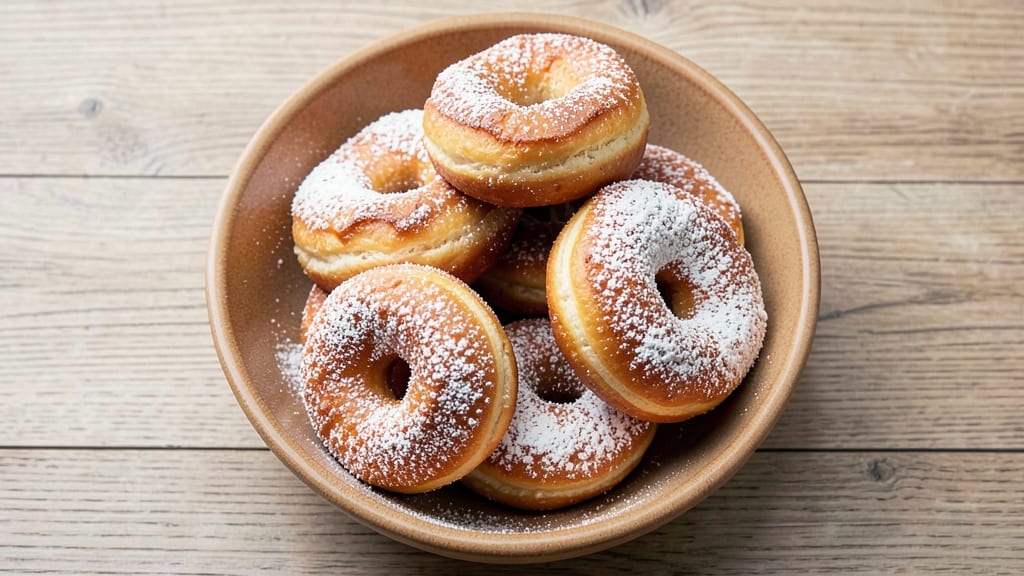
This basic baked donut recipe delivers the perfect balance of pillowy soft centers and crispy golden edges—something that separates homemade donuts from store-bought every time. After testing countless variations, I’ve refined the method to ensure consistent results, whether you’re making a batch for breakfast or a weekend treat.
The secret lies in precise ingredient ratios and proper resting times, which prevent dense centers and guarantee that satisfying crunch.
What makes this recipe stand out is its simplicity—no deep-frying required, just a few pantry staples and a standard oven. Yeast activates for a light rise, while baking powder creates that signature airy texture.
The dough rests twice: first to develop flavor, then to relax before shaping, which eliminates shrinking during baking. With just 30 minutes of active time, you’ll have donuts that look and taste like they came from a bakery.
The final result is donuts with crispy edges that shatter slightly and tender interiors that melt in your mouth. They’re ideal for glazing, dusting with powdered sugar, or pairing with fruit compotes.
The recipe also includes troubleshooting tips for common issues like uneven baking or overly dense donuts, so you’ll know exactly how to adjust for perfect results every time.
Once you master this foundational recipe, you can experiment with flavors—add cinnamon, vanilla, or even a hint of citrus zest to the dough. Let’s get started on creating donuts that’ll have everyone asking for seconds.
Ingredients for basic baked donut
Twelve simple ingredients for donuts that taste bakery-fresh every time.
| Ingredient | Amount | Notes |
|---|---|---|
| All-Purpose Flour 🌾 | 3 cups | Sifted for light texture |
| Granulated Sugar 🍚 | ¼ cup | For dough sweetness |
| Instant Yeast 🍞 | 2 ½ tsp | Active dry works too |
| Salt 🧂 | ½ tsp | Fine sea salt preferred |
| Unsalted Butter 🧈 | ½ cup | Cold, cubed for dough |
| Large Eggs 🥚 | 1 whole | Room temperature |
| Milk 🥛 | ½ cup | Room temperature |
| Vanilla Extract 🌸 | 1 tsp | Pure extract preferred |
| Baking Powder 🍞 | 1 tsp | Aluminum-free preferred |
| Powdered Sugar 🍚 | ½ cup | For dusting finished donuts |
| Vegetable Oil 🫒 | 1 tbsp | For greasing pan |
| Cinnamon Sugar Mix 🌶️ | ¼ cup | Optional topping |
The flour is non-negotiable here—King Arthur or Gold Medal give the lightest texture. I always grab mine from Target or Walmart since they keep it fresh. The yeast? Fresh is best—check the date on the package. If it's older than six months, toss it. For the butter, Land O'Lakes unsalted works perfectly, but any brand is fine as long as it's cold. The milk should be room temperature, not cold straight from the fridge—it mixes better that way. And don't skip the vanilla; pure extract makes a noticeable difference over imitation.
No baking powder? Baking soda plus an extra pinch of salt gets you close, but the texture won't be quite as light. Fresh yeast but no time to wait? Instant yeast works one-to-one. The dough gets sticky—don't panic. Wet hands help, and a little extra flour if needed. For the cinnamon sugar topping, McCormick or Badia are my go-tos, but any brand works. If you're feeling fancy, swap the powdered sugar for confectioners' sugar—it's the same thing, just fancier packaging. The oil for greasing? Any neutral oil works, but vegetable or canola are easiest to find.
This dough keeps for 24 hours in the fridge, covered tightly. For longer storage, wrap tightly in plastic and freeze for up to 3 months. The baked donuts stay fresh for 2 days at room temperature, so make extras. I always double the batch—one for breakfast, one for dessert. And if you're freezing? Cool completely first, then layer with parchment paper in a sealed bag. They crisp up perfectly when reheated.
Why You'll Love This Recipe
- No Mixer Needed: I swear by this recipe because it’s all about the dough—just mix, knead, and let the yeast do its magic. No stand mixer, no fancy gadgets, just your hands and a little elbow grease (about 5 minutes max).
- Buttery Sweet Magic: That melted butter folded into the dough? It’s the secret weapon—rich, flaky layers that make every bite feel like a hug. The sugar caramelizes just enough to give them that perfect golden crunch.
- Breakfast or Dessert: Honestly, these work for both. Serve them plain with coffee for a quick breakfast, or dust with powdered sugar for a dessert that feels special. My kids grab them for after-school snacks, and my husband saves them for late-night cravings.
- Dollar Stretch: Between us, this recipe uses pantry staples—flour, sugar, yeast—and a single stick of butter. I’ve made a dozen for under $3, and they disappear faster than I can say “second batch.” Leftovers? Freeze them—just reheat until crispy.
Step-by-step instructions for pillowy soft donuts with crispy edges
Here's how to make donuts that balance perfect texture—soft inside, crispy outside—every single time.
Mix the Dough Until Smooth and Elastic
In a large mixing bowl, combine the 3 cups all-purpose flour, 0.25 cup granulated sugar, 2.5 teaspoons instant yeast, and 0.5 teaspoon salt. Whisk everything together until the flour is aerated and no dry spots remain. This ensures even distribution of ingredients for consistent rising.
Next, cut in the 0.5 cup unsalted butter using a pastry cutter or two forks. Work until the butter is incorporated into the flour mixture in small, pea-sized pieces. This creates pockets of fat that will make your donuts tender rather than tough. Add the 1 whole large egg, 0.5 cup milk, and 1 teaspoon vanilla extract, then mix until just combined—don't overwork the dough or it'll develop gluten and become dense.
Turn the dough out onto a lightly floured surface and knead for 5-7 minutes until smooth and elastic. You'll know it's ready when it springs back slowly when poked. If the dough feels sticky, add just a little more flour—about 1 tablespoon at a time—but don't overdo it or your donuts will be dry.
Let the Dough Rise Until Nearly Doubled
Place the dough in a lightly greased bowl, cover it with a clean kitchen towel, and let it rise in a warm place for 1-1.5 hours or until it has nearly doubled in size. The dough should feel light and airy when pressed gently with a finger. This first rise develops the gluten structure and allows the yeast to ferment properly, which is crucial for that pillowy texture.
I like to place the bowl in a slightly warm oven (turned off with the light on) for even rising. If your kitchen is cold, you might need to extend the rising time to 2 hours. Just make sure the dough doesn't rise too quickly or it'll collapse when baked. Patience here pays off—don't rush this step.
Shape and Second Rise for Perfect Donuts
Once the dough has risen, punch it down to release the air, then divide it into 12 equal pieces (about 2 ounces each). Roll each piece into a ball, then flatten slightly to create a 1-inch thick circle. Place the donuts on a parchment-lined baking sheet, cover them again, and let them rise for another 30-45 minutes until puffy. This second rise ensures they'll be light and airy after baking.
Preheat your oven to 375°F while the donuts are rising. Lightly brush the tops with a little milk or egg wash (beat the egg with a splash of milk) for a golden finish. The key here is to keep the donuts 2 inches apart on the baking sheet so they don't touch and steam each other, which can make them gummy instead of crispy.
Bake Until Golden Brown and Internal Temp Reaches 190°F
Bake the donuts for 12-15 minutes until they're golden brown on top and the edges are set but still slightly soft. They should feel firm to the touch but not hard. Insert an instant-read thermometer into the center of one donut—it should read 190°F. This ensures they're fully cooked but still moist inside.
Real talk: Don't overbake. The donuts will continue cooking slightly as they cool, and overbaking leads to dry, tough donuts. If you're worried about them browning too quickly, tent them loosely with foil after 8 minutes to prevent over-browning while they finish cooking inside.
Cool and Coat for the Perfect Finish
Let the donuts cool on the baking sheet for 5 minutes, then transfer them to a wire rack to cool completely. This step is crucial—cooling prevents them from becoming soggy when you add toppings. While they cool, mix the 0.5 cup powdered sugar with the 0.25 cup cinnamon sugar mix for a sweet, spiced coating.
Once the donuts are completely cool, dip the tops into the powdered sugar mixture or simply roll them in it. For extra crispy edges, you can also reheat them in a 350°F oven for 3-5 minutes before coating. Serve warm for the best texture—soft inside, crispy outside, and perfectly balanced.
Pro Tips For Making Basic Baked Donut
- Use Warm Butter, Not Cold: Instant yeast needs warmth to activate, and cold butter fights it. Microwave your unsalted butter for 10 seconds to soften it—just until it’s pliable but not greasy. I learned this the hard way when my donuts came out dense because the butter stayed stubbornly solid.
- Don’t Overmix the Dough: Once you add the flour, stop mixing after 30 seconds. Overworking the dough develops gluten, which makes donuts tough instead of tender. The moment the dough clumps together, call it done—even if it looks shaggy.
- Bake in One Batch: Crowding the pan traps steam and steams the donuts instead of browning them. Use half the pan if needed, and space them about an inch apart. I used to cram them in for "efficiency," but they ended up gummy and pale.
- Brush with Simple Syrup: Skip the glaze for now—after baking, brush the warm donuts with a 1:1 simple syrup (equal parts sugar and water, heated until dissolved). It locks in moisture and gives them a subtle sheen without extra effort. (Yes, even if you’re impatient like me.)
Troubleshooting your basic baked donut
Dense Donuts Fix
If your donuts turn out dense instead of light and airy, the issue is usually over-kneading or insufficient yeast activation. First, make sure you’re kneading for only 5-7 minutes—any longer develops too much gluten.
For yeast issues, test your yeast first by mixing 2.5 tsp yeast with ¼ cup warm water and 1 tsp sugar—it should foam within 5-10 minutes. If not, your yeast is dead.
Also, ensure your oven temperature is accurate—use an oven thermometer to confirm it’s truly 375°F. 💡
Uneven Baking
Uneven baking often happens when donuts aren’t spaced properly or the oven isn’t hot enough. Keep donuts 2 inches apart on the baking sheet to allow air circulation. Rotate the pan halfway through baking for even browning.
If your oven runs hot, reduce the temperature to 350°F and check for doneness at 12 minutes. For convection ovens, reduce the temperature by 25°F and bake for 10-12 minutes—they cook faster due to the fan. 🌡️
Donuts Stick to Pan
Sticking donuts are usually a sign of insufficient greasing or parchment paper. Always line your baking sheet with parchment paper and lightly grease it with vegetable oil or butter. For extra insurance, brush the dough with egg wash before baking.
If they still stick, your oven might be too hot—try baking at 350°F instead. Pro tip: Chill the shaped donuts for 15 minutes before baking to prevent spreading. 🧈
Pale or Underbaked Centers
Pale centers mean the donuts weren’t baked long enough or the oven wasn’t hot enough. Use an instant-read thermometer to check the internal temperature—it should reach 190°F. If your donuts are still pale at 15 minutes, tent them with foil and bake for another 5 minutes.
For even baking, place a baking sheet on the middle rack and avoid opening the oven door during the first 10 minutes. 🔥
Dough Collapses After Rising
Collapsed dough usually means the yeast didn’t activate properly or the dough rose too quickly. First, ensure your yeast is fresh and your liquids are warm (105-110°F)—not hot.
If your kitchen is cold, place the dough in a slightly warm oven (turned off with the light on) for even rising. Also, avoid punching down the dough too aggressively—just press it gently to release air. Let it rise until it’s nearly doubled, not fully doubled, to prevent collapse. 🍞
Crust Too Thick or Tough
A thick, tough crust happens when the donuts bake too long or the dough is overworked. Bake for no more than 15 minutes and check for doneness at 12 minutes. For a lighter crust, reduce the baking powder to ½ tsp and add 1 tbsp cornstarch to the dough.
If your donuts still feel tough, they might need a few extra minutes in the oven to dry out slightly. For extra crispiness, reheat baked donuts in a 350°F oven for 3-5 minutes before coating. ✨
Nutrition facts
Frequently asked questions
Why do your baked donuts need two rising times?
The first rise develops gluten structure and lets yeast ferment properly, while the second rise after shaping ensures light, airy donuts. Skipping either step often results in dense centers. Think of it like giving the dough two chances to puff up—once before shaping and once after.
Can I make this dough ahead of time?
Yes! The shaped dough keeps for 24 hours in the fridge, covered tightly. For longer storage, wrap tightly in plastic and freeze for up to 3 months. Thaw overnight in the fridge before baking. The dough will need an extra 10-15 minutes to rise after thawing.
What's the best way to test if my yeast is active?
Mix 2.5 tsp yeast with ¼ cup warm water (105-110°F) and 1 tsp sugar. It should foam within 5-10 minutes. No bubbles? Your yeast is dead—replace it. Always use fresh yeast for best results.
How do I get extra crispy edges without burning the centers?
Brush donuts with egg wash before baking for a golden crust. Bake at 375°F for 12 minutes, then tent with foil and bake 2-3 more minutes if needed. For extra crispiness, reheat baked donuts in a 350°F oven for 3-5 minutes before coating.
What can I substitute if I don't have baking powder?
Use ½ tsp baking soda plus ½ tsp cream of tartar as a 1:1 substitute. For a less ideal option, use ½ tsp baking soda plus ¼ tsp salt. The texture won't be quite as light, but it'll still work. Always measure carefully—too much can make donuts bitter.