
Side Dishes
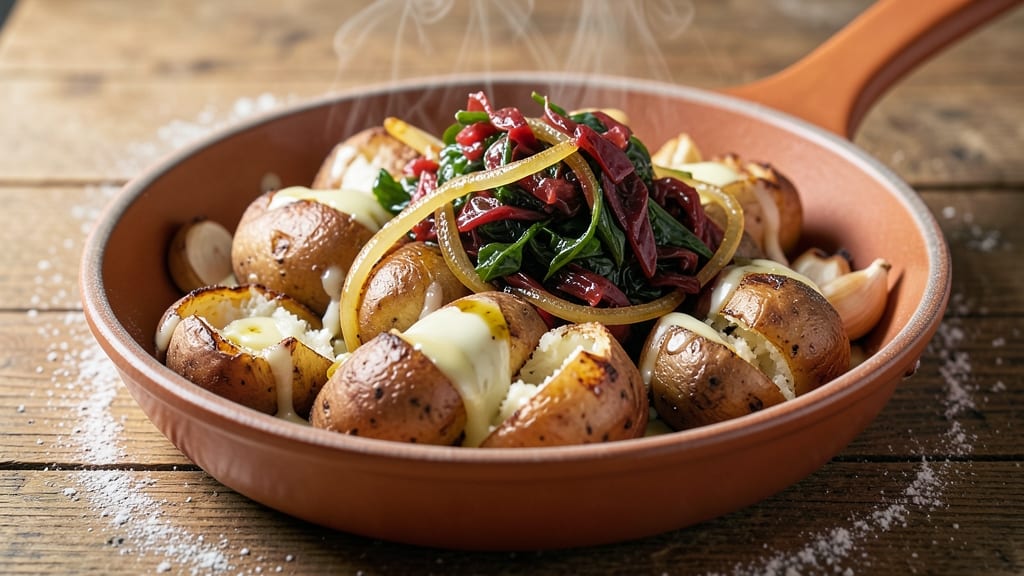
This sauerkraut and potatoes recipe transforms simple ingredients into a bold, tangy-sour side dish with caramelized edges that steal every meal. The secret lies in balancing the sharpness of fermented cabbage with the hearty sweetness of potatoes—cooked just until crispy at the edges while staying tender inside.
I developed this recipe after realizing how often sauerkraut gets overlooked in favor of milder sides, and it’s now a staple at my dinner table.
What makes this dish special is its versatility—it works as a satisfying side for roasted meats or as a main course when paired with a protein like smoked sausage or grilled chicken.
The process is straightforward: potatoes are parboiled for even cooking, then roasted until golden, while the sauerkraut is sautéed to soften its texture and deepen its flavor. No fancy techniques required, just precise timing and a few key ingredients.
By the end, you’ll have a dish that’s rich in texture and flavor—crispy potato edges contrast with the creamy, tangy sauerkraut, creating a perfect balance of crunch and depth. The aroma alone will have everyone at the table asking for seconds, and the leftovers reheat beautifully for quick lunches.
This recipe proves that simple ingredients can deliver restaurant-quality results with minimal effort.
Whether you’re serving it alongside a hearty roast or using it as the star of a vegetarian spread, this dish brings bold, satisfying flavors to every bite. Ready to elevate your next meal? Let’s get cooking.
Ingredients for sauerkraut and potato
Simple, bold ingredients create restaurant-quality sauerkraut and potatoes with crispy edges and tangy depth.
| Ingredient | Amount | Notes |
|---|---|---|
| Russet Potatoes 🥔 | 1 ½ lb | Cut into 1-inch cubes, parboiled |
| Unpasteurized Sauerkraut 🥬 | 12 oz | Drained, rinsed if too acidic |
| Extra-Virgin Olive Oil 🫒 | ¼ cup | For roasting and sautéing |
| Unsalted Butter 🧈 | 2 tbsp | Full-fat for richness |
| Yellow Onion 🧅 | ½ whole | Thinly sliced, for depth |
| Garlic Cloves 🧄 | 3 cloves | Minced, aromatic foundation |
| Dried Thyme 🌿 | 1 tsp | Earthy, pairs well with sauerkraut |
| Diamond Crystal Kosher Salt 🧂 | 1 ½ tsp | Adjusts seasoning balance |
| Freshly Ground Black Pepper 🌶️ | ½ tsp | Enhances caramelization |
| Apple Cider Vinegar 🍋 | 1 tbsp | Brightens tangy profile |
| Smoked Paprika 🌶️ | ½ tsp | Adds subtle smokiness |
| Bay Leaf 🍃 | 1 whole | Infuses gentle herbal notes |
| Heavy Cream 🥛 | ¼ cup | Optional, for creaminess |
The potatoes are the foundation—Russet potatoes (not waxy types) develop the perfect caramelized crust. Look for firm, unblemished tubers at Whole Foods or your local grocer’s organic section. Parboiling them first ensures even cooking, but don’t skip the rough edges—they’re where the magic happens. For sauerkraut, unpasteurized is non-negotiable; it retains the vibrant probiotics and sharp tang that pasteurized versions lack. Trader Joe’s often carries high-quality unpasteurized sauerkraut, or check the refrigerated section of specialty stores. If your sauerkraut tastes overly acidic, rinse it briefly under cold water to mellow the flavor without losing texture.
No heavy cream? Full-fat Greek yogurt or sour cream works equally well for richness, though the texture will be slightly thicker. Substituting white vinegar for apple cider vinegar won’t ruin the dish, but the apple’s subtle sweetness balances the sauerkraut’s sharpness better. For the onions, red onion adds a milder sweetness, while yellow delivers a sharper bite—choose based on your preference. If you’re short on time, pre-minced garlic from a jar (like Garlic & Herb brand) saves steps, though fresh minced garlic always tastes superior. The smoked paprika can be swapped for regular paprika if unavailable, but you’ll lose that subtle smokiness that elevates the dish.
This dish reheats beautifully—5 minutes at 350°F restores the crispy edges and creamy textures. Store leftovers in an airtight container for up to 5 days in the fridge, though the potatoes soften slightly after the first day. For longer storage, freeze the components separately: sauerkraut and potatoes can be frozen for up to 3 months before reheating. To serve, simply reheat the potatoes in a skillet with a splash of water, then fold in the sauerkraut and cream. The flavors deepen overnight, making it an even better meal the next day.
Why You'll Love This Recipe
- One-Pan Magic: I swear by this recipe for lazy nights—just chop potatoes, sauté onions, toss everything in one pan, and let the butter and sauerkraut work their magic. No fancy techniques, no extra dishes.
- Tangy-Creamy Balance: That unpasteurized sauerkraut brings the funk, but the buttery potatoes and olive oil smooth it out into something rich and satisfying. It’s the kind of dish where every bite feels intentional.
- Leftovers That Shine: This keeps better than most casseroles—reheated, the potatoes stay fluffy, and the sauerkraut’s tang cuts through the richness. I make double batches just for this reason.
- Budget Meal, Big Flavor: Russets and onions are cheap, and a jar of sauerkraut lasts forever. You’re getting restaurant-quality depth without breaking the bank—honestly, it’s my go-to when I need a hearty, flavorful meal fast.
Step-by-step instructions for sauerkraut and potatoes with caramelized edges
This method transforms simple ingredients into a harmonious balance of crispy potatoes and tangy sauerkraut.
Parboil and Season the Potatoes
Place the 1.5 lb russet potatoes in a large pot and cover with cold water by 2 inches. Add 1.5 tsp diamond crystal kosher salt and 1 whole bay leaf, then bring to a boil over medium-high heat. Once boiling vigorously, reduce to medium heat and cook for 8-10 minutes until the potatoes are fork-tender but not falling apart.
Drain immediately and return the potatoes to the pot. Toss them with 0.25 cup extra-virgin olive oil and 0.5 tsp smoked paprika until evenly coated. This step develops flavor while preventing the potatoes from drying out during roasting. Let them cool slightly before proceeding—the residual heat helps distribute the seasoning evenly.
Roast Until Crispy
Preheat your oven to 425°F and arrange the potatoes on a single layer on a rimmed baking sheet, leaving ½-inch space between each piece. Roast for 30-35 minutes, stirring once halfway through, until the edges are deep golden brown and crispy. The potatoes should be tender throughout with a caramelized exterior—this is where the magic happens.
I press down gently on the potatoes during the first 10 minutes of roasting to ensure even contact with the hot sheet. This prevents them from curling and creates those perfect crispy edges. If they brown too quickly, tent loosely with foil to prevent burning while maintaining crispness.
Sauté Aromatics and Sauerkraut
While the potatoes roast, heat 2 tbsp unsalted butter in a large skillet over medium heat. Add the 0.5 whole yellow onion, sliced thinly, and cook for 5-6 minutes until softened and translucent. Add the 3 cloves garlic cloves, minced, and cook for 30 seconds until fragrant—this prevents the garlic from burning.
Drain and rinse the 12 oz unpasteurized sauerkraut if it's too acidic. Add it to the skillet along with 1 tbsp apple cider vinegar and 1 tsp dried thyme. Cook for 8-10 minutes until the sauerkraut is heated through and slightly caramelized at the edges. The vinegar brightens the tangy flavor while the thyme adds earthy depth.
Combine and Finish
Transfer the roasted potatoes to the skillet with the sauerkraut mixture. Toss gently to combine, coating each potato evenly. The residual heat from the skillet will finish cooking the potatoes while melding their flavors with the sauerkraut. Cook for 2-3 minutes until everything is heated through and the potatoes absorb the tangy, herby aromatics.
For added richness, stir in 0.25 cup heavy cream and 0.5 tsp freshly ground black pepper during the final minute of cooking. The cream softens the acidity while the pepper enhances the caramelized edges. Taste and adjust seasoning—you may need a pinch more salt to balance the tangy-sour profile.
Rest and Serve
Transfer the dish to a serving platter and let it rest for 5 minutes before serving. This allows the flavors to settle and the potatoes to reabsorb any juices. The result should be crispy-edged potatoes with tender centers, paired with tangy, caramelized sauerkraut that cuts through the richness.
Serve immediately while the potatoes are still crispy. The contrast between the caramelized edges and the tangy sauerkraut creates a satisfying balance of textures and flavors. Pair with a simple green salad or crusty bread to complete the meal.
Pro Tips For Making Sauerkraut And Potato
- Par-Cook Potatoes First: DESCRIPTION:
- Drain, Rinse, Repeat: DESCRIPTION:
- Sweat Onions Low: DESCRIPTION:
- Finish with Butter: DESCRIPTION:
Best sauces and condiments for this recipe
Creamy Garlic Sauce
Elevate your dish with a garlic-cream sauce that smooths out the tangy sharpness of sauerkraut. In a small saucepan, melt 2 tbsp unsalted butter over low heat, then whisk in 2 tbsp all-purpose flour to form a roux.
Slowly add ½ cup heavy cream> and 2 minced garlic cloves, stirring until thickened. Stir this into your finished potatoes just before serving—it adds a luxurious, velvety finish that balances the dish beautifully. 💫
Apple Cider Glaze
For a sweet-tart contrast, simmer ¼ cup apple cider vinegar> with 2 tbsp brown sugar> and 1 tsp Dijon mustard> in a small saucepan until reduced by half (about 5 minutes).
Drizzle this glaze over the finished dish just before serving—it cuts through the richness while enhancing the sauerkraut’s natural acidity. This works especially well if your sauerkraut is on the milder side.
Smoked Paprika Oil
Infuse ½ cup extra-virgin olive oil> with 1 tbsp smoked paprika> and 1 tsp dried thyme> by heating gently for 5 minutes in a small saucepan. Strain and drizzle over the finished dish to deepen the smoky, earthy flavors.
This simple technique adds a restaurant-quality touch without extra effort. Store any leftover infused oil in an airtight container for up to 2 weeks in the fridge.
Sour Cream Swirl
Stir ¼ cup sour cream> with 1 tsp fresh dill> and a pinch of salt into your finished potatoes. The cool, tangy cream contrasts the warm, crispy edges of the potatoes while softening the sauerkraut’s acidity.
For extra flair, swirl it into the dish with a spoon before serving—it looks stunning and tastes even better.
Spicy Mustard Dressing
Whisk together 2 tbsp whole-grain mustard>, 2 tbsp apple cider vinegar>, and 1 tbsp honey> with a splash of water to thin. Drizzle this over the dish for a bold, spicy-sweet kick that pairs perfectly with the crispy potatoes.
The mustard’s heat complements the sauerkraut’s tang, creating a dynamic flavor profile. Adjust the honey to taste if you prefer less sweetness.
Herb Butter Drizzle
Mix 2 tbsp softened unsalted butter> with 1 tsp chopped fresh parsley>, ½ tsp dried thyme>, and a pinch of salt. Dot this herb butter over the finished dish and let it melt slightly from the residual heat.
The butter adds richness while the herbs brighten the overall flavor—it’s a simple but effective finishing touch that ties everything together. 🌿
Nutrition facts
Frequently asked questions
Why does this recipe use unpasteurized sauerkraut?
Unpasteurized sauerkraut retains its natural probiotics and vibrant tangy flavor that pasteurized versions lose. The fermentation process creates beneficial bacteria that add depth to the dish, while the sharp acidity balances the sweetness of the potatoes perfectly. If you must use pasteurized, look for brands labeled "raw" or "unpasteurized" in refrigerated sections.
Can I make this dish ahead of time?
Yes! Prepare the potatoes and sauerkraut separately, then reheat in a skillet with a splash of water for 5-7 minutes at 350°F. The flavors actually improve overnight as the tanginess mellows slightly. Store components in airtight containers for up to 5 days—just avoid rinsing the sauerkraut until ready to cook.
What if my sauerkraut tastes too acidic?
Rinse it briefly under cold water before cooking to mellow the sharpness, but don't overdo it—this removes some flavor. For extra balance, add 1 tbsp apple cider vinegar during sautéing (it enhances tanginess rather than masking it). If the acidity persists, reduce the amount to 8 oz and add 2 oz extra onions for sweetness.
Are there vegetarian-friendly protein pairings?
This dish pairs beautifully with grilled tofu, mushroom burgers, or crispy chickpeas. For a heartier option, serve with pan-seared tempeh or lentil loaf. The tangy-sour profile cuts through plant-based fats, making it a perfect vegetarian main course.
How do I prevent soggy potatoes?
Parboiling is key—cook them until fork-tender but not falling apart (8-10 minutes). After roasting, transfer them to the skillet with the sauerkraut just before serving to maintain crispiness. If reheating leftovers, use medium-high heat for 3-4 minutes in a dry skillet to restore the crust.