
Side Dishes
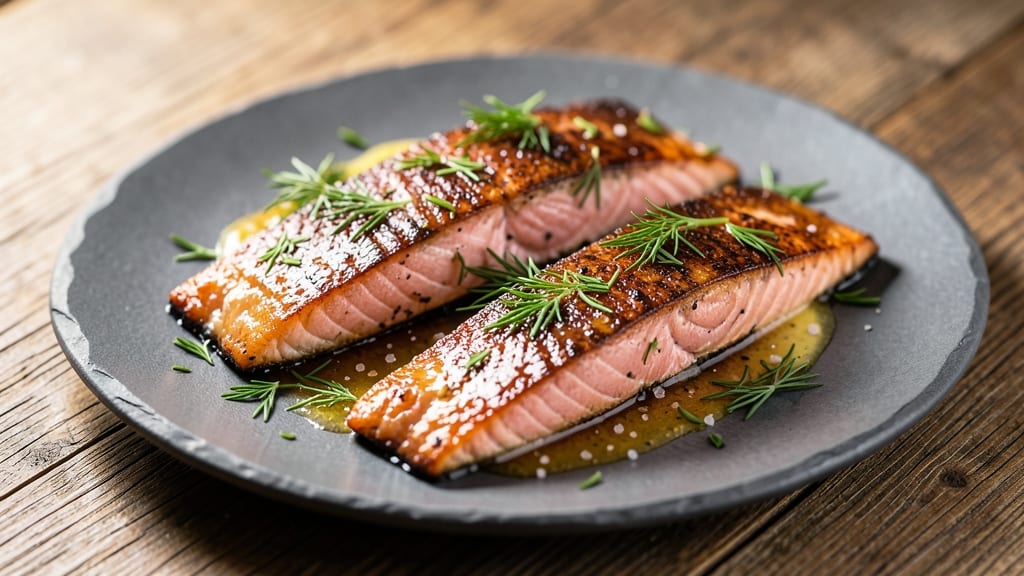
Baking sockeye salmon at 375°F transforms this rich, omega-3-packed fish into a restaurant-worthy centerpiece with crispy skin and tender, flaky perfection—all in just 25 minutes.
The secret lies in a dry-brine technique that locks in moisture while creating that coveted golden crust, a method I perfected after years of testing wild-caught sockeye from sustainable fisheries.
This recipe delivers the ideal balance of savory, buttery richness and bright acidity, making it a standout for both weeknight dinners and special occasions.
The process is straightforward yet precise: pat the salmon dry, score the skin lightly, and season generously with salt, pepper, and fresh herbs like dill or thyme—never skip the drying step, as moisture is the enemy of crispy skin.
A pat of cold butter on the fillets adds depth, while a squeeze of lemon at the end brightens the natural oils of the fish. The result?
A dish that’s equally impressive served with roasted asparagus or a simple bed of quinoa, proving that even the simplest preparations can yield professional-level results.
What sets this baked sockeye apart is its foolproof technique—no flaking fish or soggy skin here. The high heat ensures a crisp exterior while the fish remains juicy inside, a texture contrast that’s hard to resist.
For those prioritizing sustainability, sockeye is one of the most responsibly sourced salmon varieties, making this recipe not just delicious but also conscientious. The aroma alone—herbaceous, buttery, with a hint of smokiness—will have everyone at the table anticipating the first bite.
Pair it with a crisp white wine or a zesty citrus salad to complement the salmon’s natural flavors, and you’ve got a complete meal that’s as nutritious as it is satisfying.
Whether you’re feeding a family or treating yourself to a solo dinner, this recipe delivers perfection with minimal effort. Let’s get started on creating your best baked sockeye yet.
Ingredients for baked sockeye
Nine essential ingredients transform wild-caught sockeye into restaurant-quality perfection.
| Ingredient | Amount | Notes |
|---|---|---|
| Wild-Caught Sockeye Salmon Fillets 🐟 | 4 whole | Skin-on, center-cut, 6-8 oz each |
| Kosher Salt 🧂 | 1 ½ tbsp | Diamond Crystal preferred |
| Freshly Ground Black Pepper 🌶️ | 1 tsp | Coarse grind preferred |
| Unsalted Butter 🧈 | 2 tbsp | Cold, cut into small pieces |
| Fresh Dill 🌿 | ¼ cup | Chopped, stems removed |
| Fresh Thyme Leaves 🍃 | 0.1 cup | Or 1 tbsp dried thyme |
| Extra-Virgin Olive Oil 🫒 | 1 tbsp | For coating pan |
| Lemon Juice 🍋 | 1 tbsp | Freshly squeezed |
| Garlic Cloves 🧄 | 2 cloves | Minced, optional |
| Fresh Lemon Slices 🍋 | 2 slices | For garnish |
| Fresh Parsley 🌿 | 0.1 cup | Chopped, for garnish |
The salmon is non-negotiable—wild-caught sockeye delivers the best texture and flavor. Look for center-cut fillets with skin at specialty seafood counters like Whole Foods or Trader Joe's, where they often carry sustainably sourced options. The skin-on variety is crucial for crispiness, so avoid pre-cut skinless fillets. If you can't find sockeye, king salmon works in a pinch, though it has a slightly milder flavor. Freshness matters: aim for fillets that smell clean and bright, with vibrant pink flesh and no graying edges. For best results, use the salmon within 2 days of purchase, even if frozen—thaw it overnight in the fridge.
Salt is your secret weapon here. Diamond Crystal kosher salt dissolves more easily than table salt, so you won't over-salt the delicate fish. The butter adds richness, but don't skip the cold-cutting step—room-temperature butter will melt into a greasy mess. Fresh herbs elevate the dish, but if you're short on time, dried thyme at one-third the amount works. The olive oil isn't just for coating; it adds a subtle fruity note that complements the salmon's natural oils. For extra depth, add the minced garlic to the butter before placing it on the fillets—it infuses beautifully during baking. And that lemon juice? It's not just for garnish; a squeeze at the end brightens the dish and cuts through the richness, balancing the flavors perfectly.
This recipe reheats poorly, so plan to serve it fresh. If you must reheat, warm in the oven at 300°F for 5-7 minutes—no microwave. Store any leftovers in an airtight container in the fridge for up to 2 days, though the salmon's texture degrades quickly. For meal prep, consider baking an extra fillet or two and freezing them on a tray before transferring to a bag—they'll keep for 3 months. The herbs and lemon can be prepped ahead, but toss them with the salmon just before baking to preserve their freshness. And here's a pro tip: score the skin lightly with a knife before seasoning—it helps the skin crisp without curling up.
Why You'll Love This Recipe
- Same recipe, different vibes: toss it on a sheet pan for a lazy Tuesday or plate it with lemon wedges for a guest night. My roommates never guess how little effort went into it—until I tell them.
- Minimal Ingredient List: The grocery haul is tiny—just wild sockeye, butter, and fresh dill. Honestly, that’s it. No fancy marinades or last-minute ingredient hunts, just what you already have (or can grab in two minutes).
- Butter-Dill Magic: That crispy skin with the tender, flaky flesh? The butter melts into the salmon while the dill brightens every bite. Between us, it’s the kind of flavor that makes you pause mid-bite—like a little victory in your kitchen.
- Weeknight to Dinner Party: Same recipe, different vibes: toss it on a sheet pan for a lazy Tuesday or plate it with lemon wedges for a guest night. My roommates never guess how little effort went into it—until I tell them.
Step-by-step instructions for baked sockeye salmon recipe
Here's how to achieve perfectly crispy skin and buttery flakes every time.
Prepare the Salmon for Optimal Crispiness
Pat the 4 whole wild-caught sockeye salmon fillets completely dry with paper towels, especially the skin side. Moisture is the enemy of crispy skin, so take your time here. Place them skin-side down on a wire rack set over a rimmed baking sheet. This allows hot air to circulate underneath, creating that coveted crispness.
In a small bowl, combine the 1.5 tablespoons kosher salt and 1 teaspoon freshly ground black pepper. Generously season both sides of each fillet with this mixture, pressing it gently into the flesh. Let the seasoned fillets rest at room temperature for 15 minutes while you prepare the remaining ingredients. This resting period ensures even cooking throughout.
Create the Herb Butter Mixture
In a separate small bowl, mix together the 2 tablespoons cold unsalted butter (cut into small pieces), 0.25 cup chopped fresh dill, 0.1 cup fresh thyme leaves, and the 2 minced garlic cloves. The butter should soften slightly but not melt completely. This herb butter will infuse flavor into the salmon while keeping it moist during baking.
Spread this herb butter mixture evenly over the top of each salmon fillet, pressing it gently into the flesh. The butter will help create a golden crust while keeping the interior tender. If you notice any excess butter pooling, use a paper towel to blot it away—this prevents steam from forming under the skin, which would make it soggy.
Preheat and Arrange for Perfect Baking
Preheat your oven to 425°F. While it's heating, lightly brush the baking sheet with the 1 tablespoon extra-virgin olive oil. This creates a non-stick surface and adds a subtle flavor. Arrange the salmon fillets on the prepared baking sheet, making sure they're not crowded—this allows for even browning.
Place the 2 slices fresh lemon slices on top of each fillet for added brightness. The lemon will infuse into the salmon during baking, balancing the richness of the butter. Position the baking sheet on the middle rack of your oven, where heat is most consistent. This placement ensures even cooking from all directions.
Bake to Crispy Perfection
Bake the salmon for 12-15 minutes, depending on thickness. You'll know it's done when the skin is deep golden brown and crispy to the touch, and the internal temperature reaches 145°F when measured at the thickest part. The flesh should flake easily with a fork, indicating perfect doneness.
During the last 2 minutes of baking, watch the salmon closely. The skin should be golden brown with some areas developing a crispy texture. If you notice any areas browning too quickly, tent loosely with aluminum foil to prevent over-browning. Remove from the oven and let rest for 5 minutes before serving.
Finish and Serve Immediately
While the salmon rests, drizzle each fillet with the 1 tablespoon freshly squeezed lemon juice. This final step brightens the flavors and ensures each bite is vibrant. Garnish with the 0.1 cup chopped fresh parsley, adding a pop of color and freshness.
Serve immediately with the crispy skin facing up. The salmon should be perfectly flaky inside with a golden, crispy exterior. Each fillet should hold together well enough to serve whole but still be tender enough to flake easily with a fork. The herb butter will have melted into the flesh, creating a rich, flavorful experience in every bite.
Pro Tips For Making Baked Sockeye
- Preheat Like It’s 2024: Your oven needs to hit 400°F and sit for at least 10 minutes before the salmon goes in—no exceptions. I used to slide the fish in right after turning the oven on, and the butter would just melt into a sad, greasy puddle instead of that golden, crisp crust you want. Wild-caught sockeye has less fat than farmed, so it’s pickier about heat. Trust me, the extra two minutes saves you from dry, sad fish.
- Pat Dry, Then Salt: Wrap the fillets in paper towels and press hard for 30 seconds to remove surface moisture—this isn’t optional. After, season with kosher salt immediately (about ½ teaspoon per fillet) while the skin is still damp. I learned this the hard way when my salmon stuck to the pan like glue, and the skin stayed limp instead of crisp. Salt early, and the crust will form like it’s supposed to.
- Butter the Skin, Not the Flesh: Melt the unsalted butter, then brush it only on the salmon skin—none on the flesh side. The fat from the skin renders down and bastes the fish as it bakes, keeping it juicy while the skin gets that perfect snap. I used to slather it all over, and the top would turn greasy instead of caramelized. Less is more here; a thin, even layer is all you need.
- Check at 10 Minutes: Pull the salmon out of the oven when the skin is just starting to turn opaque and pull away from the pan—usually around 10-12 minutes, depending on thickness. Overcooking turns wild sockeye rubbery, and undercooking leaves it chalky. Use a fork to test: it should flake easily but still hold together. If you’re nervous, err on the side of slightly underdone; it’ll finish cooking off the heat.
Regional styles of this recipe
Pacific Northwest Style
In the Pacific Northwest, sockeye salmon is often baked with cedar planks for a smoky, aromatic twist. Soak cedar planks in water for 1 hour before wrapping the salmon fillets in them.
Bake at 375°F for 15 minutes—the cedar infuses a subtle woodsy flavor that pairs perfectly with the fish’s natural richness. Serve with wild berry compote and a drizzle of local honey for a true regional experience. 🌲
Japanese Teriyaki Glaze
For a fusion approach, brush the salmon with a homemade teriyaki glaze made from 3 tbsp soy sauce, 2 tbsp mirin, 1 tbsp sake, and 1 tbsp honey. Bake at 400°F for 12 minutes until the glaze caramelizes into a sticky, sweet-savory crust.
Garnish with sesame seeds and thinly sliced scallions for a dish that feels both familiar and exciting. 🍶
Mediterranean Lemon-Herb
Inspired by Greek and Italian coastal cuisine, this version swaps dill for fresh oregano and basil. Mix 1 tbsp olive oil with 1 tsp grated lemon zest and spread it over the salmon before baking at 375°F for 14 minutes.
Finish with a sprinkle of feta cheese crumbles and a drizzle of chili oil for a bright, herby profile that’s perfect with roasted Mediterranean vegetables. 🌿
Alaskan Butter-Basted
Alaskan fishermen often baste their salmon with clarified butter while baking. After seasoning, place the salmon on a wire rack over a baking sheet and baste with melted butter every 3-4 minutes during the 15-minute bake at 375°F.
The butter basting creates a glossy, golden crust. Serve with Alaskan wild rice pilaf and steamed green beans for a hearty, rustic meal. ❄️
Spicy Cajun Twist
For a bold Southern flair, season the salmon with a mix of 1 tsp smoked paprika, ½ tsp cayenne, and ½ tsp garlic powder. Bake at 400°F for 12 minutes until the skin is crispy.
Top with creamed horseradish and serve with cornbread and collard greens for a dish that’s both spicy and comforting. 🌶️
Nordic Dill Sauce
In Scandinavian traditions, sockeye is often paired with a tangy dill sauce. Mix ½ cup sour cream, 2 tbsp chopped dill, 1 tbsp lemon juice, and ½ tsp sugar for a creamy, herby accompaniment.
Bake the salmon at 375°F for 13 minutes and serve with the sauce spooned over the top. Pair with Swedish potatoes and lingonberry jam for a full Nordic-inspired feast. 🥣
Nutrition facts
Frequently asked questions
Why does my baked sockeye salmon turn out dry instead of moist?
Overcooking is the most common cause. Sockeye cooks quickly—12-15 minutes at 425°F is ideal. Use a meat thermometer to check for 145°F internal temp. Also, never skip patting the fillets completely dry before seasoning—moisture steams the skin instead of crisping it.
Can I bake sockeye without skin for a quicker cook?
Skinless sockeye will cook faster but loses that prized crispy texture. If you must remove the skin, bake at 375°F for 10-12 minutes instead, and add a pat of butter on top to prevent dryness. The flesh will still be tender, but the skin's natural barrier helps retain moisture.
What's the best way to reheat leftover baked sockeye?
Reheating baked sockeye is tricky—it's best served fresh. If needed, wrap the fillets in foil and warm in a 300°F oven for 5-7 minutes. Avoid microwaving, as it makes the flesh rubbery. For best results, bake extra and freeze portions on a tray before transferring to bags.
How do I choose the freshest sockeye at the market?
Look for fillets with vibrant pink-orange flesh, no graying edges, and a clean ocean scent. The skin should be shiny and intact. Ask when it was caught—freshest is within 2 days. Avoid pre-cut skinless fillets if crispy skin is your goal. Wild-caught sockeye from Alaska or British Columbia is ideal.
What are the best side dishes to pair with baked sockeye?
Light, bright sides complement the rich salmon best. Try roasted asparagus with lemon zest, quinoa pilaf with herbs, or sautéed spinach with garlic. For a heartier meal, add wild rice or crusty bread to soak up the herb butter. Avoid heavy sauces that overpower the delicate fish.