
Main Courses
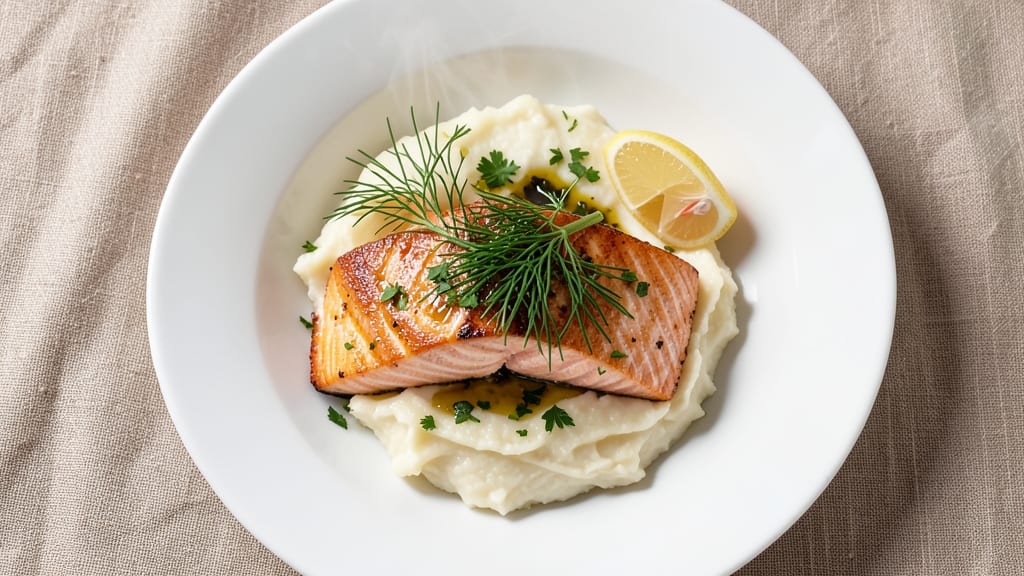
This baked salmon for one recipe delivers flaky perfection every time—no guesswork, no leftovers, just restaurant-quality results in your own kitchen. The secret lies in a bright lemon-herb crust that locks in moisture while creating a golden, aromatic seal that transforms simple salmon into something extraordinary.
I developed this method after years of testing single-serving techniques, and it never fails to impress, even when cooking for just one.
The beauty of this recipe is its precision: 12-15 minutes at 375°F transforms fresh salmon fillet into tender, melt-in-your-mouth bites with crisp edges. No fancy equipment needed—just a baking dish, a few simple ingredients, and a technique that ensures perfect doneness without drying out.
The lemon-herb crust adds a zesty contrast that cuts through the richness of the fish while enhancing its natural sweetness.
What you'll achieve is a perfectly cooked salmon fillet with a flaky interior and a fragrant crust that smells like a coastal dinner.
The bright citrus notes and fresh herbs elevate each bite, making this more than just a single serving—it's a complete, satisfying meal that feels special enough for company but simple enough for any night. The presentation is effortless yet elegant, with minimal prep and maximum impact.
Pair it with roasted asparagus or a simple green salad to complete the meal, or serve it over quinoa for a heartier option. This recipe proves that cooking for one can be just as impressive as cooking for a crowd—without the extra effort or waste.
Let's get started on creating your perfect single-serving salmon dinner.
Ingredients for baked salmon for one
Twelve carefully selected ingredients transform one salmon fillet into restaurant-quality perfection with minimal effort.
| Ingredient | Amount | Notes |
|---|---|---|
| Center-Cut Salmon Fillet 🐟 | 6 oz | Skin-on, even thickness preferred |
| Extra-Virgin Olive Oil 🫒 | 1 tbsp | High-quality, fruity variety |
| Fresh Lemon Zest 🍋 | 1 tbsp | From 1 organic lemon |
| Fresh Lemon Juice 🍋 | 2 tbsp | Freshly squeezed |
| Fresh Dill 🌿 | 2 tbsp | Finely chopped, stems removed |
| Fresh Parsley 🌿 | 1 tbsp | Finely chopped, flat-leaf preferred |
| Garlic Cloves 🧄 | 2 cloves | Minced, fresh preferred |
| Diamond Crystal Kosher Salt 🧂 | ½ tsp | Fine grain preferred |
| Freshly Ground Black Pepper 🌶️ | ¼ tsp | Coarsely ground |
| Unsalted Butter 🧈 | 1 tbsp | Cold, cut into small pieces |
| Almond Flour 🥜 | 1 tbsp | For crust texture |
| Fresh Thyme Leaves 🌿 | 1 tsp | Finely chopped |
The salmon fillet is the foundation, so prioritize center-cut pieces with even thickness—Whole Foods or specialty seafood markets carry the best quality. Look for vibrant color and firm texture, avoiding any fillets with bruising or discoloration. Freshness is critical here, so plan to cook within 24 hours of purchase. For the lemon, organic is ideal as it has thicker zest and more potent flavor. The herbs should be bright green with no wilting—Trader Joe's often carries excellent fresh bundles at affordable prices. Almond flour adds a subtle crunch to the crust, but you can substitute finely ground almonds if needed, though texture will differ slightly.
No fresh dill? Dried dill at one-third the amount works in a pinch, though the flavor profile will be less vibrant. Substituting lemon juice with bottled can compromise the brightness, so freshly squeezed is non-negotiable for optimal results. For those avoiding gluten, this recipe is naturally gluten-free, but if you need to thicken the crust further, add 1 tbsp arrowroot powder to the almond flour mixture. The butter should be cold when added to prevent the crust from becoming greasy—simply cut it into small pieces and let it sit at room temperature for 10 minutes before mixing. For a dairy-free option, substitute the butter with coconut oil, though the flavor will be subtly different.
This recipe reheats beautifully—simply warm in the oven at 350°F for 5-7 minutes to restore moisture. Store leftovers in an airtight container with a paper towel to absorb any excess moisture, keeping them fresh for 2 days in the refrigerator. For longer storage, wrap tightly in plastic wrap and freeze for up to 3 months. The lemon-herb crust can be prepared ahead and stored separately for 1 day in the fridge, making assembly quick when ready to bake. When reheating from frozen, increase baking time by 3-5 minutes to ensure even cooking.
Why You'll Love This Recipe
- No-Chop Magic: I swear by this recipe because it’s the only salmon dish where I don’t even think about chopping herbs. Just zest the lemon, tear the dill, and let the oven do the work. The bright, fresh flavors come from the simplest prep—no knife skills required.
- Zesty Crispy Edge: That golden crust? It’s all thanks to the olive oil and lemon zest baked right into the skin. The first bite gives you a crispy snap, then melts into flaky, buttery salmon—like a fancy restaurant trick, but with ingredients I always have.
- Lunch or Dinner: Honestly, this is my go-to for both. Serve it over greens with a drizzle of olive oil for a quick lunch, or pair it with roasted potatoes for a full dinner. The dill and lemon keep it light enough for summer but hearty enough for winter nights.
Step-by-step instructions for baked salmon for one recipe
This method ensures perfectly flaky salmon with a crispy lemon-herb crust every time.
Prepare the Lemon-Herb Crust Mixture
In a small bowl, combine the 1 tablespoon almond flour, 1 tablespoon finely chopped fresh parsley, 1 teaspoon finely chopped fresh thyme leaves, 0.5 teaspoon diamond crystal kosher salt, and 0.25 teaspoon freshly ground black pepper. This forms the base of your crust, providing texture and flavor.
Next, add the 1 tablespoon extra-virgin olive oil and 1 tablespoon fresh lemon zest to the dry mixture. Rub the ingredients together with your fingers until the almond flour is fully coated and the mixture resembles coarse sand. The olive oil helps bind the crust while the lemon zest adds bright, aromatic flavor. Set this mixture aside for now—it will be your salmon's flavorful armor.
Season and Coat the Salmon
Pat the 6 oz center-cut salmon fillet dry with paper towels, ensuring all moisture is removed from the surface. This step is critical for achieving a crispy crust rather than a steamed texture. Place the fillet skin-side down on a clean work surface.
Using your fingertips, gently press the lemon-herb crust mixture over the entire surface of the salmon, ensuring even coverage. The crust should adhere lightly but not clump. In a separate small bowl, whisk together the 2 tablespoons fresh lemon juice and 2 cloves minced garlic cloves. Drizzle this mixture evenly over the crust-coated salmon, allowing it to soak in for 5 minutes. This marinade infuses the fillet with bright citrus and aromatic garlic, enhancing its natural sweetness.
Create the Butter Baste and Bake
Preheat your oven to 400°F and position a rack in the upper third of the oven. Place the salmon fillet on a parchment-lined baking sheet, skin-side down. Cut the 1 tablespoon unsalted butter into small pieces and scatter them evenly over the top of the salmon.
Bake the salmon for 12-15 minutes, until the edges are golden brown and the internal temperature reaches 135°F when measured with an instant-read thermometer. The butter will melt and baste the salmon, creating a glossy finish and rich flavor. If the crust isn't golden enough after 12 minutes, return it to the oven for an additional 2-3 minutes. Overcooking is the enemy of flaky perfection—salmon continues cooking slightly after removal from the oven.
Rest and Serve
Remove the salmon from the oven and transfer it to a plate. Let it rest for 5 minutes before serving. This resting period allows the juices to redistribute throughout the fillet, ensuring each bite is moist and tender. The crust will remain crispy while the interior stays perfectly flaky.
Slice the salmon into ½-inch thick portions and serve immediately. The combination of crispy lemon-herb crust, buttery richness, and bright citrus notes creates a harmonious balance of textures and flavors. Pair it with a simple green salad or steamed vegetables for a complete meal that delivers restaurant-quality results at home.
Pro Tips For Making Baked Salmon For One
- Preheat Like It Matters: Your oven needs 10-15 minutes to hit that 375°F mark—no shortcuts. I used to skip this with salmon and ended up with a fillet that was almost done but never quite there. That extra heat jump makes all the difference when you’re working with just one fillet.
- Pat Dry, Then Wait: After patting the salmon dry with paper towels, let it sit uncovered on the counter for 5 minutes. Sounds weird, but it works: the surface firms up, so the skin crisps instead of steaming into a sad, limp blanket. (Yes, even if you’re impatient like me.)
- Zest First, Juice Last: Grate the lemon zest before juicing—it’s easier to measure and keeps the bright flavor intact. I learned this the hard way when I squeezed the lemon first and ended up with bitter pith in my oil. A microplane works best; skip the box grater unless you enjoy cleaning zest residue.
- Foil Trap for Moisture: Tent the salmon loosely with foil halfway through baking—about 10 minutes in. This locks in steam without turning the skin rubbery. I skip this when I’m lazy, but the dish is noticeably better when I don’t. (Pro move: poke a few holes in the foil for airflow.)
Make-ahead tips for baked salmon for one
Prep Ahead Components
The lemon-herb crust can be made up to 24 hours in advance and stored in an airtight container in the fridge.
I like to measure out all ingredients—1 tbsp almond flour, 1 tbsp chopped parsley, 1 tsp thyme, ½ tsp salt, ¼ tsp pepper, 1 tbsp olive oil, and 1 tbsp lemon zest—and mix them the night before.
This saves 10 minutes of prep time the next day. 💡
Salmon Prep Timeline
For maximum freshness, purchase your salmon no more than 24 hours before cooking. I recommend buying it the same day you plan to bake it, especially if it's center-cut—these fillets are prized for their thickness and even cooking.
If you must prep ahead, store the raw salmon in its original packaging on ice or in the coldest part of your fridge. Never rinse it before cooking, as this removes natural oils that help retain moisture. ❄️
Crust Assembly Shortcut
To streamline the process, I sometimes pre-mix the crust ingredients in a small ziplock bag instead of a bowl. Simply add all dry ingredients—almond flour, herbs, salt, and pepper—then seal the bag and crush the mixture with a rolling pin or your hands.
Add the olive oil and lemon zest later when ready to coat the salmon. This method reduces cleanup and keeps ingredients contained. 🌟
Marinade Prep
The lemon-garlic marinade can be prepared separately and stored in a small container for up to 12 hours. Combine 2 tbsp lemon juice and 2 minced garlic cloves in a small bowl with a splash of water to thin slightly.
This prepped marinade stays fresh in the fridge and can be drizzled over the salmon just before baking. I often make this while the oven preheats to save time. 🍋
Baking Sheet Prep
Line your baking sheet with parchment paper before prepping the salmon to save time during cleanup. I like to use half-sheet pans (13x18 inches) because they provide plenty of space for the butter to melt and baste without spilling over.
If you're short on time, use a lightly oiled baking sheet instead—just make sure to remove the salmon immediately after baking to prevent sticking. ✨
Make-Ahead Baking
For a truly hands-off meal, assemble the salmon completely—including the crust and butter—then refrigerate it on a parchment-lined tray for up to 4 hours before baking. When ready, simply pop it in the oven without any additional prep.
The crust will crisp beautifully, and the salmon will cook evenly. This is perfect for busy weeknights when you want to minimize active cooking time. 💪
Nutrition facts
Frequently asked questions
Can I use frozen salmon for this recipe?
Fresh salmon is ideal for this method, but you can use frozen if thawed properly. Place the frozen fillet in a sealed bag and submerge it in cold water for 30-45 minutes until fully thawed. Pat it completely dry before seasoning to prevent a soggy crust. For best results, avoid refreezing thawed salmon.
What if my salmon fillet isn't perfectly even in thickness?
No problem! Adjust your baking time based on the thickest part. For example, if one end is ½-inch thicker than the rest, check it first with an instant-read thermometer. The 135°F internal temp is your guide—salmon continues cooking slightly after removal from the oven.
How do I know when the salmon is fully cooked?
Use an instant-read thermometer to check the thickest part—it should reach 135°F. The edges will be golden brown, and the flesh will flake easily with a fork. If you don't have a thermometer, bake until the center is just opaque (not translucent) and the crust is crisp.
Can I make this recipe without almond flour?
Swap the almond flour for 1 tbsp panko breadcrumbs or finely ground nuts like walnuts. For a gluten-free option, use 1 tbsp crushed cornflakes or arrowroot powder. The texture will differ slightly but still provide a nice crust.
What sides pair best with this single-serving salmon?
Simple roasted asparagus with olive oil and lemon zest complements perfectly. For a heartier option, try ½ cup cooked quinoa with toasted pine nuts and parsley. A mixed greens salad with a light vinaigrette balances the richness while keeping the meal light and fresh.