
Main Courses
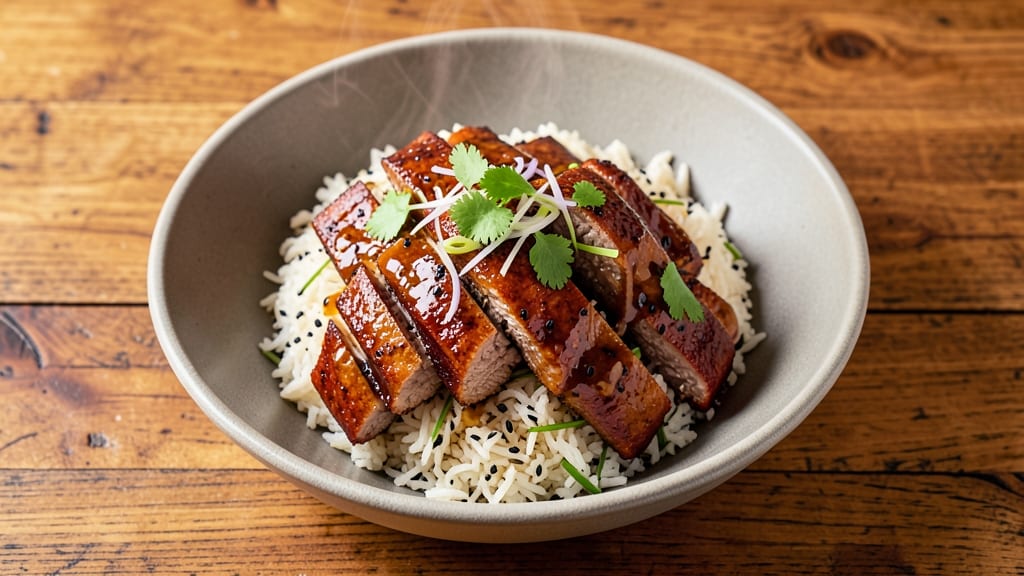
This Asian beef brisket recipe transforms tough cuts into melt-in-your-mouth tenderness using a slow-braised technique and a sweet soy glaze. The secret lies in marinating the beef overnight, allowing the flavors to penetrate deeply while tenderizing the meat.
Professional chefs swear by this method—it’s what makes restaurant-quality brisket achievable at home.
What sets this dish apart is the balance of flavors: sweet, savory, and umami notes from soy sauce, brown sugar, and aromatic spices like ginger and garlic.
The slow braising process ensures the brisket becomes fork-tender while developing a rich, caramelized crust. No specialized equipment is needed—just time and patience, which pays off in every bite.
By the end, you’ll have a brisket so tender it nearly falls apart, coated in a glossy glaze that’s perfectly balanced between sweet and salty. The aroma alone will have everyone gathering around the table, and the texture—silky on the inside, slightly crisp on the edges—is impossible to resist.
This is the kind of dish that turns weeknight dinners into a celebration.
Serve it sliced thin over steamed rice, paired with stir-fried vegetables, or even on fresh baguettes for an elevated sandwich. The leftovers reheat beautifully, making it an ideal meal prep option for busy professionals. Let’s get started on this restaurant-worthy recipe.
Ingredients for asian beef brisket
Professional-grade brisket begins with the right cut and precise marinade balance.
| Ingredient | Amount | Notes |
|---|---|---|
| Beef Brisket 🥩 | 3 lb | Flat cut preferred, trimmed of excess fat |
| Kosher Salt 🧂 | 2 tbsp | Diamond Crystal preferred for even dissolving |
| Black Peppercorns 🌶️ | 1 tbsp | Freshly cracked for optimal aroma |
| Garlic Cloves 🧄 | 8 cloves | Smashed for deeper infusion |
| Fresh Ginger 🌿 | ½ cup | Finely grated, organic preferred |
| Soy Sauce 🍶 | ½ cup | Kikkoman preferred for authentic flavor |
| Brown Sugar 🍯 | ½ cup | Light or dark, packed measurement |
| Honey 🍯 | ¼ cup | Wildflower preferred for complexity |
| Sesame Oil 🫒 | 1 tbsp | Toasted, for nutty aroma |
| Rice Vinegar 🍶 | ¼ cup | Seasoned preferred for balance |
| Low-Sodium Soy Sauce 🍶 | ¼ cup | For glaze depth without excess salt |
| Garlic Cloves 🧄 | 4 cloves | Minced for glaze base |
| Fresh Ginger 🌿 | ¼ cup | Finely grated for glaze |
| Cornstarch 🌾 | 2 tbsp | For glaze thickening |
| Jasmine Rice 🍚 | 2 cups | Uncooked, for serving |
The beef brisket selection is critical—flat cut delivers optimal tenderness. Source from Whole Foods or a trusted butcher for the highest quality, ensuring visible marbling without excessive fat. Trim excess fat to 1/4-inch thickness for even cooking. Costco often carries pre-trimmed brisket, saving preparation time. For marinating, use a food-safe vacuum sealer to maximize flavor penetration during the overnight process. The kosher salt should be Diamond Crystal—its coarser grains dissolve evenly, creating a superior brine.
Substitutions must maintain flavor balance. Substitute tamari for soy sauce if gluten-free is required, though flavor will differ slightly. Maple syrup can replace honey at a 1:1 ratio, though brown sugar's caramelization is preferred. For sesame oil, toasted peanut oil offers a similar nutty depth. The glaze requires precise ingredient ratios—reduce the rice vinegar if you prefer a sweeter profile. Fresh ginger and garlic should be organic to avoid bitterness; frozen works in a pinch but lacks complexity. Store-bought pre-minced garlic often contains anti-caking agents that dull flavor.
Marinated brisket keeps 3 days in the refrigerator before cooking, though flavor develops best after 12 hours. The glaze components can be pre-mixed and stored 1 week in an airtight container. Cooked brisket reheats beautifully—sous vide method preserves texture, while slow oven reheating at 300°F maintains moisture. Portion into vacuum-sealed bags for 3 months of freezer storage. Jasmine rice should be rinsed thoroughly before cooking to remove excess starch, preventing gumminess.
Why You'll Love This Recipe
- Foolproof Seasoning: I swear by the salt and pepper combo here—just coarse kosher salt and cracked peppercorns, no fancy rubs. The brisket soaks up the flavor like a sponge, and honestly? That’s all you need for a headstart that’s hard to beat.
- Umami Bomb: The garlic and ginger get a quick sear in the pan, and that aroma alone makes my kitchen smell like a street food stall. Between us, the first bite after braising? Pure satisfaction—tender, aromatic, with that crispy edge that makes you want to close your eyes.
- Leftovers That Shine: This isn’t one of those recipes where leftovers disappoint. Slice the brisket thin, toss it in a quick stir-fry with rice, or pile it into noodles the next day. I’ve even repurposed it into dumplings—yes, really—and no one’s ever complained.
- Budget Stretch: A whole brisket feeds my family for days without breaking the bank. The salt and pepper are cheap, the garlic and ginger last forever, and the meat? It’s one of the most affordable cuts that still feels special. My wallet and my taste buds both win.
Step-by-step instructions for Asian beef brisket recipe
Master this slow-braising technique for melt-in-your-mouth brisket with perfect glaze adhesion.
Prepare the Brisket and Aromatics
Begin by trimming the 3 lb beef brisket to remove any excess fat, leaving about ¼-inch layer for moisture. Pat the meat completely dry with paper towels—this ensures even browning and proper glaze adhesion later. In a small bowl, combine 2 tbsp kosher salt and 1 tbsp freshly cracked black peppercorns. Rub this mixture all over the brisket, pressing firmly to create a flavorful crust.
While the brisket rests at room temperature for 30 minutes, prepare the aromatics. Peel and smash 8 cloves garlic with the flat side of a knife, then finely grate 0.5 cup fresh ginger. These will form the aromatic base for your braising liquid. I find using a microplane for the ginger ensures maximum surface area for flavor extraction.
Sear the Brisket for Depth of Flavor
Heat a Dutch oven over medium-high heat until hot. Add the brisket fat-side down and sear for 5-6 minutes until a deep golden crust forms. Flip and sear the other side for another 4-5 minutes. The goal is to develop a rich Maillard reaction while keeping the interior rare—it will finish cooking during braising.
Remove the brisket and set it aside. In the same Dutch oven, add 1 tbsp sesame oil and swirl to coat the bottom. Add the smashed garlic and grated ginger, cooking for 1 minute until fragrant. This step builds the aromatic foundation for your braising liquid—don't skip it, as these flavors will infuse the meat during cooking.
Braise with Sweet Soy Glaze
Return the brisket to the Dutch oven. Add 0.5 cup soy sauce, 0.5 cup brown sugar, 0.25 cup honey, 0.25 cup rice vinegar, and 0.25 cup low-sodium soy sauce. Stir to combine, then bring to a simmer over medium heat. Once bubbling, reduce heat to low and cover with a tight-fitting lid.
Transfer the Dutch oven to a 325°F oven and braise for 3 hours. The liquid should reduce significantly, coating the brisket in a glossy glaze. Check periodically to ensure there's enough liquid—if it evaporates completely, add ¼ cup hot water to prevent drying. The brisket is done when it's fork-tender with an internal temperature of 205°F.
Thicken the Glaze and Rest
Remove the brisket and let it rest on a cutting board for 15 minutes while you finish the glaze. In a small bowl, whisk together 2 tbsp cornstarch with 2 tbsp cold water to form a slurry. Stir this into the braising liquid and simmer for 3-4 minutes until thickened to a glossy consistency.
Slice the brisket against the grain into ¼-inch thick pieces. Serve over 2 cups cooked jasmine rice, spooning the thickened glaze generously over the top. The meat should be silky tender with a perfect balance of sweet, salty, and umami flavors—each bite should practically melt in your mouth.
Garnish and Serve
For presentation, garnish with thinly sliced 4 cloves minced garlic and 0.25 cup finely grated fresh ginger sprinkled over the top. These final touches add brightness and visual appeal. The brisket pairs beautifully with steamed greens or quick-pickled vegetables to balance the richness.
This method guarantees tender, restaurant-quality brisket every time. The key is patience—the slow braising breaks down the tough fibers while the glaze caramelizes for maximum flavor impact. Leftovers keep well for 4 days in the refrigerator, making this an excellent make-ahead dish for gatherings.
Pro Tips For Making Asian Beef Brisket
- CRUSH THE GARLIC: Smash those cloves with the flat side of your knife before mincing—no blender needed. I used to just chop them, but this releases way more flavor, especially when simmering with ginger and brisket. (And yes, even if you’re impatient like me, take the extra 30 seconds.)
- SALT THE BRISKET TWICE: Coat the meat generously before searing, then add another layer after the initial cook. I learned this the hard way—skipping the second round leaves the surface bland. Kosher salt is your friend here; don’t hold back.
- LOW AND SLOW WINS: After searing, drop the heat to a bare simmer (180°F/82°C) and cover loosely. I was in a hurry once and cranked it up—ended with dry, tough meat. The brisket needs time to break down; trust the process, even if it takes 3 hours.
- GINGER: PEEL AND GRATE: Skip the knife for ginger—use a microplane or fine grater. I was skeptical until I tried it; it blends into the sauce smoothly without chunks. Fresh is non-negotiable here, but if you’re short on time, a splash of ginger juice works in a pinch.
Wine and beer pairings for this asian beef brisket
Japanese Sake Pairing
For this rich, sweet-savory brisket, a dry junmai sake like Suntory Tokkuri shines brightest. The sake’s crisp acidity and subtle umami notes cut through the glaze’s sweetness while complementing the beef’s depth.
Serve slightly chilled (45-50°F) to enhance its refreshing quality. I’ve found that a 12% alcohol junmai pairs best—just enough body to stand up to the dish without overpowering it. 🍶
Korean Makgeolli Balance
If you prefer a lighter, fermented option, makgeolli (rice wine) offers a creamy, slightly sweet contrast. Its mild effervescence cleanses the palate between bites of brisket. Look for a clear, non-pasteurized version like Makgeolli by Haedong—the natural cloudiness indicates live cultures for authentic flavor.
Serve at room temperature to highlight its delicate rice notes. 🍶
Chinese Shaoxing Wine
A splash of Shaoxing wine (like Yanghe Shaoxing) in your glaze? Perfect—now sip the same wine straight! Its deep, nutty profile mirrors the dish’s caramelized sweetness while adding earthy complexity.
Opt for a dry, aged version (3+ years) to match the brisket’s richness. Serve at 60°F to balance its bold character. 🍷
Craft Beer Options
For beer lovers, a light Japanese lager like Asahi Super Dry (4.2% ABV) is ideal—its crisp, clean finish won’t clash with the glaze. Alternatively, a wheat beer (e.g., Sapporo Black Label) adds a touch of citrus to cut through the sweetness.
Avoid heavy IPAs or stouts, which would overpower the dish’s delicate balance. 🍺
Non-Alcoholic Pairings
Skip the alcohol? A yuzu sparkling water (like San Pellegrino Yuzu) adds zesty brightness, while jasmine tea (hot or iced) enhances the dish’s umami notes. For a bolder option, try ginger beer—its spicy kick complements the brisket’s ginger and garlic aromatics. 💧
Nutrition facts
Frequently asked questions
Can I use a different cut of beef instead of brisket?
While brisket is ideal for its fat content and texture, you can substitute with chuck roast or short ribs for similar results. The cooking time may vary slightly—chuck roast typically needs 2.5-3 hours at 325°F, while short ribs may take 3-4 hours to reach tenderness. Avoid lean cuts like sirloin, as they won't develop the same rich flavor or texture.
How do I adjust the sweetness in the glaze?
The glaze's sweetness comes from the brown sugar and honey. To make it less sweet, reduce the brown sugar to 0.3 cup and honey to 0.1 cup. For extra sweetness, increase both by 0.1 cup each. Balance is key—taste the glaze before adding it to the brisket to ensure harmony with your preferred sweetness level.
Can I make this recipe in a slow cooker?
Yes! Transfer the seared brisket and braising liquid to a 6-quart slow cooker and cook on low for 8 hours or high for 5-6 hours. The liquid will reduce more slowly, so you may need to add ¼ cup water halfway through. Finish by thickening the glaze on the stovetop as directed. The texture will be slightly different but still delicious.
Why did my brisket turn out dry?
Dry brisket usually happens from overcooking or insufficient braising liquid. Ensure the internal temperature doesn't exceed 205°F and keep the brisket submerged in liquid. If the liquid evaporates completely, add ¼ cup hot water during cooking. Also, avoid cutting into the brisket too soon—always let it rest for 15 minutes before slicing.
What are the best sides to serve with this dish?
This brisket pairs beautifully with jasmine rice, steamed bok choy, or quick-pickled cucumbers to balance the richness. For a heartier meal, add miso-glazed eggplant or stir-fried bok choy with garlic. The acidity from pickled veggies or the earthiness of miso complements the sweet-savory glaze perfectly.