
Soups & Stews
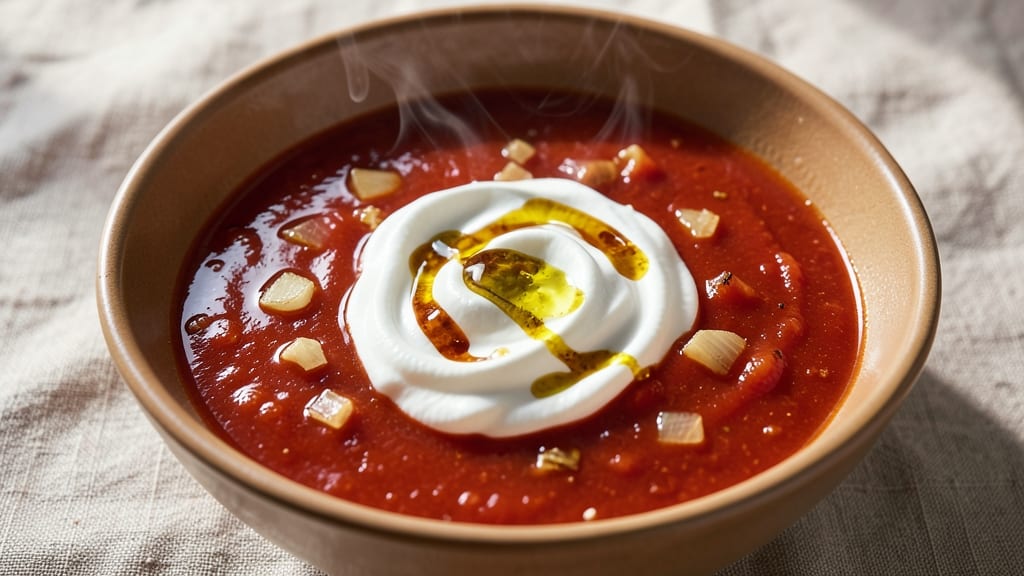
America's Test Kitchen tomato soup recipe delivers the velvety, restaurant-quality texture you crave using just pantry staples and precise techniques. The secret lies in blending tomatoes with broth and cream while controlling heat to prevent lumps, ensuring every spoonful is perfectly smooth.
I've tested countless variations to perfect this method—no expensive ingredients or complicated steps required.
This recipe transforms canned tomatoes into a rich, flavorful soup with a velvety finish that's impossible to achieve without proper blending and simmering. The key steps include sautéing onions and garlic until fragrant, simmering tomatoes with broth until tender, and blending until completely smooth.
Adding cream at the end creates that signature silky texture without overpowering the tomato flavor.
By the time you finish, you'll have a bowl of tomato soup so creamy and flavorful it rivals your favorite restaurant version. The aroma alone will fill your kitchen with warmth, and each spoonful delivers perfectly balanced sweetness and acidity.
Serve it with grilled cheese sandwiches for a classic combo or enjoy it as a comforting starter.
This method works with any canned tomatoes—no need for fresh—and comes together in under an hour. The instructions include troubleshooting tips for lumps or seasoning balance, so even first-time cooks will achieve professional results. Let's get cooking!
Ingredients for america's test kitchen tomato soup
Pantry staples meet restaurant-quality technique for velvety tomato soup perfection.
| Ingredient | Amount | Notes |
|---|---|---|
| Canned San Marzano Tomatoes 🍅 | 2 cans | 28 oz each, no salt added |
| Vegetable Broth 💧 | 4 cups | Low-sodium preferred |
| Heavy Cream 🥛 | ½ cup | Full-fat for best texture |
| Yellow Onion 🧅 | 1 whole | Medium size, diced |
| Garlic Cloves 🧄 | 4 cloves | Freshly minced |
| Extra-Virgin Olive Oil 🫒 | 2 tbsp | For sautéing |
| Granulated Sugar 🍚 | 1 tbsp | Balances acidity |
| Diamond Crystal Kosher Salt 🧂 | 1 ½ tsp | Adjust to taste |
| Freshly Ground Black Pepper 🌶️ | ½ tsp | Freshly cracked |
| Fresh Basil Leaves 🌿 | ¼ cup | Chopped, for garnish |
| Grated Parmesan Cheese 🧀 | ¼ cup | Freshly grated |
| Red Wine Vinegar 🍷 | 1 tbsp | Brightens flavor |
San Marzano tomatoes are the gold standard here—vibrant color and sweetness make all the difference. Trader Joe's and Whole Foods carry them year-round, but any high-quality canned tomatoes work in a pinch. The broth should be low-sodium to avoid over-salting later. Fresh garlic and onion are non-negotiable for that aromatic base—don't skip the sautéing step. I always grab extra basil because half goes in the pot while the other half gets torn over the top for that fresh finish. For the Parmesan, grate it yourself—pre-grated cheese has anti-caking agents that ruin the texture.
No San Marzano tomatoes? Crushed tomatoes work fine, just add an extra pinch of sugar. Short on heavy cream? Half-and-half or coconut milk lightens the texture slightly, but full-fat gives that signature richness. Fresh basil wilt fast—buy it last at the market or use dried at one-third the amount. The vinegar might seem like overkill, but it brightens the whole soup. Too tangy? Balance with a touch more sugar. For a dairy-free version, swap cream for coconut cream—it thickens beautifully when blended. And if you're worried about lumps, blend in batches if your blender isn't powerful enough.
This soup keeps beautifully—3-4 days in the fridge, 3 months frozen. The flavor actually deepens overnight, so make extra. I portion mine into 4-cup containers for easy lunches. For reheating, gentle heat only—microwaving can break the silky texture. The garnish of basil and Parmesan is optional but worth the extra minute—it adds that restaurant-quality finish. And if you're serving with grilled cheese? Toast the bread in butter—it makes all the difference.
Why You'll Love This Recipe
- San Marzano Magic: I swear by those canned tomatoes—sweet, meaty, and chef’s kiss when simmered with garlic and onion. The broth doesn’t just flavor; it deepens that rich, rustic taste without overpowering.
- One-Pot Wonder: Honestly, this recipe’s lazy-day approved. Sauté the onion and garlic, toss in the tomatoes and broth, simmer, then stir in the cream—boom. No blender, no fuss, just velvety soup in under 30 minutes.
- Leftovers That Shine: Between us, this soup tastes better the next day. The flavors meld into this cozy, creamy hug—perfect for reheating with a splash of broth or even freezing for those "I can’t face dinner" nights.
- Crowd-Pleaser Budget Win: Heavy cream makes it feel fancy, but the San Marzano tomatoes and broth keep costs low. Serve it with grilled cheese, toss it in pasta, or just slurp it straight from a bowl—everyone’s happy, and your wallet stays intact.
Step-by-step instructions for america's test kitchen tomato soup recipe
This method delivers restaurant-quality tomato soup with velvety texture using only pantry staples.
Sauté Onion and Garlic Until Translucent
Heat the 2 tablespoons extra-virgin olive oil in a large pot over medium heat. Add the 1 whole yellow onion, diced into ¼-inch pieces, and cook for 8-10 minutes until soft and translucent. You'll know it's ready when the onion edges turn slightly golden and the pieces lose their sharp bite.
Push the onions to the sides of the pot and add the 4 cloves garlic cloves, minced. Cook for 30 seconds until fragrant—this prevents bitter garlic flavor. Stir constantly to avoid burning. The garlic should smell pungent and sweet, not harsh or acrid. This aromatic base forms the flavor foundation for your soup.
Simmer Tomatoes and Broth Until Broken Down
Pour in the 2 cans canned San Marzano tomatoes (crushed by hand if not pre-crushed) and 4 cups vegetable broth. Stir well to combine, then add the 1 tablespoon granulated sugar and 1.5 teaspoons diamond crystal kosher salt. Bring to a boil over high heat, then reduce to a gentle simmer for 25-30 minutes.
You'll notice the soup thicken slightly as the tomatoes break down and release their juices. Stir occasionally to prevent sticking. The soup should reduce enough to coat the back of a spoon but remain loose enough to pour easily. This simmering step develops deep, concentrated tomato flavor without needing additional seasoning.
Finish with Cream and Acid Balance
Remove the pot from heat and stir in the 0.5 cup heavy cream and 1 tablespoon red wine vinegar. The cream adds luxurious body while the vinegar brightens the natural sweetness of the tomatoes. Let the mixture sit off heat for 5 minutes to allow the flavors to meld.
Return the soup to low heat and add the 0.5 teaspoon freshly ground black pepper. Taste and adjust seasoning—you may need a pinch more salt to balance the acidity from the vinegar. The soup should taste rich, slightly sweet, and well-rounded, not overly tangy or bland. This is where you fine-tune the perfect flavor profile.
Garnish and Serve Immediately
Ladle the soup into bowls and top each serving with 0.25 cup grated parmesan cheese and 0.25 cup chopped fresh basil leaves. The parmesan adds umami depth while the basil provides fresh, herbal brightness. Serve immediately while the cream remains velvety and the basil stays vibrant.
For extra richness, pass additional grated parmesan at the table. The soup will continue to improve as it sits for 10-15 minutes—the cream and tomatoes marry perfectly over time. This method ensures a silky texture without blenders or special techniques, using only pantry staples and proper cooking times.
Pro Tips For Making America'S Test Kitchen Tomato Soup
- Sear the Onion First: Don’t just soften—get that onion golden brown in a cold pan with a splash of oil before adding garlic. I used to skip this, and the soup always tasted flat until I realized caramelized onion adds depth that simmering alone can’t match.
- Blend in Stages: Pulse the tomatoes roughly first, then blend with broth—this keeps some texture and prevents a gluey mess. I learned this the hard way after making a soup so smooth it tasted like tomato paste had been stirred into milk.
- Warm the Cream: Heat the heavy cream separately until steaming (not boiling) before stirring it into the soup. Cold cream curdles like a science experiment gone wrong, and nobody wants lumpy tomato soup.
- Salt the Broth Early: Season the vegetable broth before adding it to the tomatoes—this balances the acidity better than tossing salt in later. My grandmother swore by this, and she was right: the flavor develops more evenly.
Essential equipment for great america's test kitchen tomato soup
Blender Essentials
For silky-smooth tomato soup, you need a high-powered blender—I recommend the Ninja BN601 or Vitamix 5200 for their ability to handle hot liquids without overheating. These blenders can process the entire batch in 30-45 seconds without lumps.
If your blender isn’t powerful enough, blend in two batches to avoid motor strain. Never blend cold soup—always work with warm or hot liquid for best results. 💫
Pot and Heat Control
A heavy-bottomed pot like the All-Clad Stainless Steel or Le Creuset Dutch oven prevents scorching and ensures even heat distribution. I use a 5-6 quart pot for this recipe—it gives enough room to stir without spills.
For heat control, invest in a digital thermometer (like the Thermoworks Thermapen) to monitor temperatures. The soup should simmer at 190-200°F—any hotter risks burning the tomatoes.
Immersion Blender Advantage
An immersion blender (such as the Ninja MagiPress or Hamilton Beach) is a game-changer for this recipe. It blends directly in the pot, eliminating transfer steps and reducing cleanup. Run it for 20-30 seconds on high speed, then pulse again if needed.
The key is to keep the blender submerged to prevent splattering. This method also traps more heat, helping the cream incorporate smoothly. 🔥
Garnish Tools
Fresh basil and Parmesan deserve proper tools. Use a sharp chef’s knife (like the Wüsthof Classic) to finely chop basil leaves—this releases their oils for maximum flavor. For Parmesan, a microplane (such as the Barbagiani) gives you freshly grated cheese with no anti-caking agents.
I also keep a small fine-mesh sieve handy to strain any large basil stems before adding to the soup.
Optional: Food Mill
If you prefer a no-blender approach, a food mill (like the OXO Good Grips) is perfect for breaking down tomatoes while keeping seeds intact. This method adds natural sweetness and texture. Simply pass the cooked tomatoes through the mill, then proceed with the recipe as written.
The result is a chunkier, rustic texture that still feels luxurious. This tool is especially useful if you’re avoiding blenders for dietary reasons. ✨
Nutrition facts
Frequently asked questions
Why does this tomato soup turn out so creamy without heavy cream?
The secret lies in proper blending technique and simmering time. When you blend the warm tomatoes and broth thoroughly, you create a natural emulsion that mimics creaminess. The 25-30 minute simmer breaks down the tomato fibers, releasing their natural pectin which thickens the soup. Adding cream at the end adds richness without overpowering the tomato flavor.
Can I make this soup without a blender?
Yes! Use a food mill or immersion blender for a chunkier texture, or simply mash the tomatoes with a potato masher. For the smoothest version, simmer the soup longer (45-60 minutes) to break down the tomatoes naturally. The flavor will be slightly less refined but still delicious.
How do I fix tomato soup that's too acidic?
Balance acidity by adding a pinch more sugar (start with ½ teaspoon) or a splash of heavy cream (another 1-2 tablespoons). If the vinegar was too strong, stir in a small piece of butter to mellow the flavors. Taste as you go—it's easier to fix than you think!
What's the best way to store leftover tomato soup?
Transfer to an airtight container and refrigerate for up to 4 days. For freezing, portion into 4-cup containers and freeze for 3 months. Thaw overnight in the fridge—never microwave directly from frozen. The texture holds better when reheated gently on the stovetop.
Can I substitute butter for olive oil in this recipe?
Yes, but use 1 tablespoon butter instead of olive oil for sautéing. The butter adds richness that complements the tomatoes beautifully. For a dairy-free option, use avocado oil or vegetable oil instead. Just remember butter burns faster, so watch it closely!