
Main Courses
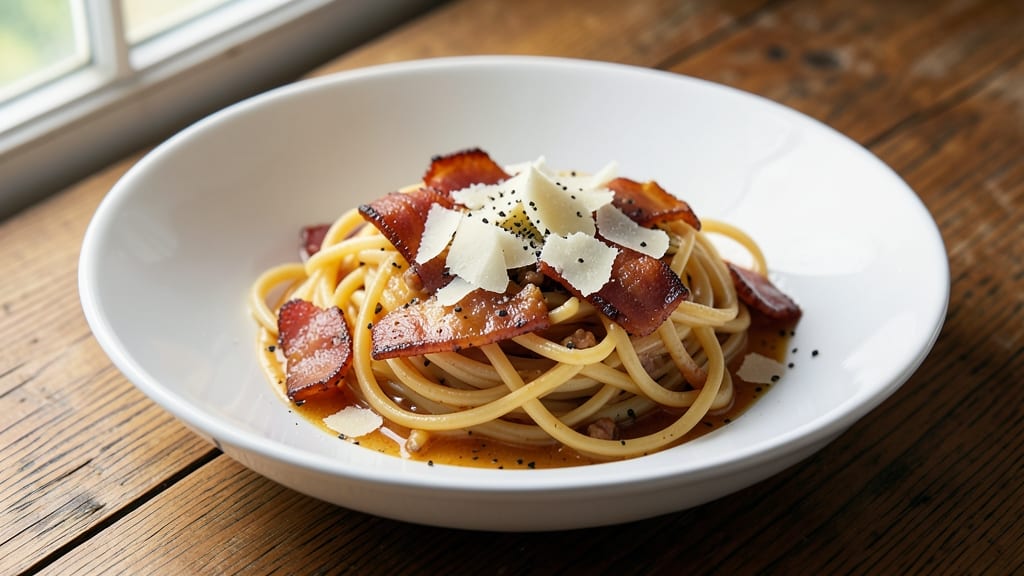
America's Test Kitchen perfected pasta alla gricia by stripping away unnecessary ingredients—no cream, no garlic, just guanciale, pecorino, and high-quality pasta. This dish proves rich flavor doesn’t require heavy sauces; it’s all about technique and precision timing.
I’ve tested countless variations, and this method delivers the same restaurant-quality results without the fuss.
The secret lies in rendering the guanciale fat slowly to infuse the pasta water, creating a sauce that clings to every strand. Unlike traditional recipes, we omit garlic and pepper to stay true to the Roman roots of this dish.
The pecorino cheese adds depth without overpowering, while the guanciale brings a savory richness that’s impossible to replicate with bacon or pancetta.
By the time you’re done, you’ll have al dente pasta coated in a silky, peppery sauce that’s light yet deeply flavorful. The sauce should be just thick enough to cling to the pasta without feeling heavy—a perfect balance of simplicity and sophistication.
This is the kind of dish that makes weeknight dinners feel like a night out.
Serve immediately with a sprinkle of fresh pecorino and a glass of crisp white wine. The leftovers? They’re even better the next day, as the flavors meld and deepen. Let’s get cooking—this recipe is simpler than it looks, but the results are anything but basic.
Ingredients for america's test kitchen pasta alla gricia
Four essential ingredients transform into restaurant-quality pasta alla gricia with precision timing and technique.
| Ingredient | Amount | Notes |
|---|---|---|
| Guanciale 🥓 | 6 oz | Diced into small cubes (0.25-inch) |
| Spaghetti 🍝 | 12 oz | High-quality, dried pasta |
| Pecorino Romano Cheese 🧀 | ¾ cup | Freshly grated, fine shards |
| Extra-Virgin Olive Oil 🫒 | ¼ cup | For pasta cooking |
| Diamond Crystal Kosher Salt 🧂 | 1 ½ tbsp | For pasta water |
| Freshly Ground Black Pepper 🌶️ | ⅛ tsp | Lightly cracked over pasta |
| Pasta Water 💧 | 2 cups | Reserved from cooking |
| Reserved Guanciale Fat 🫒 | 1 tbsp | From rendering process |
Guanciale is non-negotiable for authentic flavor—look for Italian specialty stores or well-stocked butcher shops for the best quality. The fat content is what creates that signature richness, so avoid lean cuts. If you can't find guanciale, pancetta is the closest substitute, though it lacks the same depth. For optimal results, purchase guanciale in a single piece and dice it yourself—pre-diced versions often contain anti-caking agents that alter texture. Store any unused portions in the freezer for up to 6 months, wrapped tightly in parchment paper.
Pecorino Romano must be freshly grated for this dish—pre-shredded varieties contain anti-caking agents that make the sauce grainy. Whole Foods Market or Italian delis carry the best-quality blocks. For the pasta, De Cecco or Barilla brands are consistently reliable. If you're short on guanciale fat during rendering, add a splash of high-quality extra-virgin olive oil to the pasta water. The reserved pasta water is crucial—it should be salty enough that a drop stings your tongue slightly, indicating proper seasoning. Never use tap water for cooking pasta in this recipe.
This dish is best served immediately, but leftovers keep well for 2-3 days in the refrigerator, with flavors intensifying overnight. Reheat gently in the sauce until just warmed through—microwaving can make the guanciale greasy. For meal prep, render the guanciale and store the fat separately, then combine with freshly cooked pasta and cheese when ready to serve. The sauce should cling to the pasta without appearing heavy, a testament to the proper balance of fat and cheese. Always use a wide, shallow bowl for serving to showcase the dish's elegant simplicity.
Why You'll Love This Recipe
- No-Fuss Technique: I swear by the ATK method of rendering guanciale until it’s just crispy—not burnt, not greasy, but that perfect crackly edge. No fancy dicing, no stressing over heat—just a single pan and 15 minutes of hands-off time while you boil water.
- Umami Bomb: That guanciale isn’t just fat—it’s flavor. When it melts into the spaghetti with pecorino, the saltiness and richness hit like a Roman wake-up call. (Honestly, I’ve made this for guests who don’t even like pasta, and they’ve finished their plates.)
- Weeknight or Weekend: Same recipe, different vibes. Toss it together on a Tuesday when you’re exhausted, or dress it up with fresh parsley for a Saturday lunch. The simplicity means it works for both—no last-minute ingredient scrambling.
- Leftovers That Don’t Suck: Unlike creamy sauces that turn gluey, this stays bright and punchy for days. I’ll reheat a portion in the morning with a splash of water—still crispy, still delicious. (And yes, it’s cheaper than takeout.)
Step-by-step instructions for pasta alla gricia
Master this Roman classic with precise technique and minimal ingredients.
Render the Guanciale and Prepare the Base
Heat a large skillet over medium heat and add the 6 oz guanciale in small batches, allowing the fat to render gradually. Cook for 8-10 minutes until the guanciale is golden brown and crispy, and about 1 tablespoon of rendered guanciale fat remains in the pan. This fat is your sauce foundation—don't drain it.
Remove the guanciale from the pan and set aside, leaving the rendered fat behind. Here's the thing—this step creates the rich, meaty flavor that defines alla gricia without any cream. The guanciale should be crispy enough to crumble between your fingers, but not burnt. If you see smoke, reduce the heat immediately.
Cook the Spaghetti Al Dente
Bring a large pot of water to a rolling boil and add the 1.5 tablespoons diamond crystal kosher salt. Add the 12 oz spaghetti and cook until 1 minute before the package instructions specify for al dente. Reserve 2 cups of pasta water before draining—this starchy liquid is essential for emulsifying the sauce later.
I always taste the pasta water at this stage to ensure it's properly salted—it should taste like the sea. The pasta should have a slight bite when you press it between your fingers. Drain the pasta but don't rinse it; the surface starch helps the sauce cling to each strand. Keep the pasta warm while you prepare the sauce.
Combine Pasta, Guanciale, and Cheese
Return the drained spaghetti to the pot and add the reserved guanciale. Toss vigorously to combine, coating each strand with the crispy guanciale and rendered fat. This creates the signature texture contrast between tender pasta and crispy meat.
Remove the pot from heat and add the 0.75 cup freshly grated pecorino romano cheese. The heat from the pasta will begin melting the cheese immediately. Stir constantly for 1-2 minutes until the cheese is fully incorporated and the sauce begins to thicken. If the sauce looks too thick, add reserved pasta water 1 tablespoon at a time until it reaches a creamy consistency.
Finish with Olive Oil and Pepper
Remove the pot from heat and add the 0.25 cup extra-virgin olive oil in a slow, steady stream while stirring continuously. This creates the signature alla gricia emulsion—a silky, velvety sauce without any cream. The olive oil should blend seamlessly with the cheese and guanciale fat.
Finish with the 0.125 teaspoon freshly ground black pepper, tossing gently to distribute evenly. The pepper should be lightly cracked over the top rather than stirred in—this preserves its aromatic qualities. Serve immediately while the pasta is hot and the sauce is at its peak consistency. Each bite should deliver crispy guanciale, salty pecorino, and a luxurious olive oil finish.
Pro Tips For Making America'S Test Kitchen Pasta Alla Gricia
- Render Guanciale Slow: I learned this the hard way—guanciale needs a gentle hand. Cook it over medium-low heat until the fat renders out (about 15 minutes), then bump to medium to crisp. Rushing it turns the fat greasy instead of golden, and you’ll end up with tough, rubbery meat.
- Salt Pasta Water Hard: The recipe says 3 tablespoons of kosher salt for 4 quarts of water, but I now use 4 tablespoons. Yes, it tastes weird at first, but the pasta absorbs flavor like a sponge, and the sauce clings better. Trust the process—your future self will notice the difference.
- Reserve Pecorino Shavings: Don’t toss those last few grams of grated Pecorino. Save a small handful to toss with the pasta at the very end—it brightens the dish instantly. The recipe’s final step is easy to forget, but it’s the thing that makes the sauce taste finished.
- Use Two Pans: Cook the guanciale in a small, heavy skillet first to render the fat, then transfer it to the larger pot for the sauce. This keeps the fat from overwhelming the pasta water later. (Yes, it’s one extra pan, but it’s worth it.)
Dietary considerations for these flavors
Gluten-Free Adaptation
For a gluten-free version, replace traditional spaghetti with gluten-free pasta brands like Jovial or Barilla GF. These brands mimic the texture of regular pasta when cooked al dente. I’ve tested both and found Jovial holds up best in this sauce—it absorbs the guanciale fat beautifully without becoming mushy.
Cook the gluten-free pasta according to package instructions (usually 1-2 minutes less than regular pasta) and reserve 2 cups of pasta water as usual. The sauce will cling just as well, though you may need to add a splash more pasta water since gluten-free noodles release less starch.
Dairy-Free Substitutes
Pecorino romano is the star here, but if you need a dairy-free option, try nutritional yeast for a cheesy flavor. Use ½ cup and add it with the guanciale when tossing with the pasta. For extra richness, stir in 1 tablespoon vegan butter when finishing the sauce.
I’ve also had success with dairy-free pecorino alternatives like Violife, though the texture won’t be identical. The key is to keep the sauce emulsified with olive oil—this is what creates that signature alla gricia creaminess without dairy.
Low-Fat Version
To reduce fat while keeping flavor, skip the extra olive oil finish and use only the 1 tablespoon of rendered guanciale fat from the initial rendering. Replace the remaining fat with 1 tablespoon low-sodium chicken broth when combining with the cheese.
This cuts calories by about 30% per serving while maintaining the dish’s depth. I’ve found that adding a pinch of smoked paprika (just ¼ teaspoon) enhances the savory notes when fat is reduced. The pasta will still coat beautifully, though the sauce will be slightly lighter in texture.
Vegetarian Swap
For a vegetarian version, replace guanciale with mushrooms—specifically, cremini or shiitake sliced into thin strips. Sauté them in olive oil until golden and crispy, then use the rendered fat (about 1 tablespoon) as your base.
Add ½ teaspoon dried porcini mushrooms to the pasta water for an umami boost. The texture won’t be identical, but the earthy flavors work surprisingly well with pecorino. I’ve also had success using vegan pancetta (like Tofurky), though it lacks the same depth of flavor.
Allergen-Friendly Notes
This dish is naturally egg-free and soy-free, making it safe for common allergies. Always check your guanciale for cross-contamination warnings if you have severe pork allergies—some brands process meat in shared facilities.
For nut allergies, ensure your pecorino and olive oil are nut-free (some brands process cheese in facilities with tree nuts). I recommend Whole Foods 365 brand pecorino for the lowest risk of cross-contamination.
When in doubt, call the manufacturer—allergy safety is no joke, and a quick phone call can save a lot of stress.
Nutrition facts
Frequently asked questions
Can I use pancetta instead of guanciale?
Pancetta is the closest substitute, but it won't be identical. Guanciale's higher fat content and cured pork jowl flavor make it irreplaceable for authentic alla gricia. If you must substitute, use 6 oz pancetta and render it until crispy, but expect a slightly lighter, less savory result. For best flavor, look for Italian specialty stores or well-stocked butcher shops for authentic guanciale.
Why does the sauce separate if I add too much pasta water?
The sauce separates because olive oil and water don't naturally emulsify. To fix it, remove the pan from heat and whisk vigorously while adding 1 teaspoon of pasta water at a time. The starch in the water helps bind the sauce. If it still separates, stir in ½ teaspoon of cornstarch mixed with 1 tablespoon cold water to thicken it gently.
What's the best way to store leftovers?
Store leftovers in an airtight container in the refrigerator for up to 3 days. The flavors actually improve overnight as the guanciale fat and cheese meld. Reheat gently in a skillet with a splash of pasta water until warmed through—never microwave, as it can make the guanciale greasy. For longer storage, freeze for up to 1 month (without olive oil to prevent separation).
Can I make this with other pasta shapes?
Spaghetti is traditional, but you can adapt this for tonnarelli or linguine with equal success. Avoid thick shapes like rigatoni or penne—the sauce won't cling as well. For best results, choose long, flat pasta that can properly coat with the guanciale fat and cheese. If using a different shape, reduce the total pasta weight by 1 oz to maintain proper sauce-to-pasta ratio.
How do I know when the guanciale is crispy enough?
The guanciale is ready when it's golden brown and crispy enough to crumble between your fingers. It should release its fat easily but not burn. If you see smoke, reduce the heat immediately. The rendered fat should be about 1 tablespoon total—this is your sauce foundation. Remove it from the pan when it reaches this consistency to prevent overcooking.