
Side Dishes
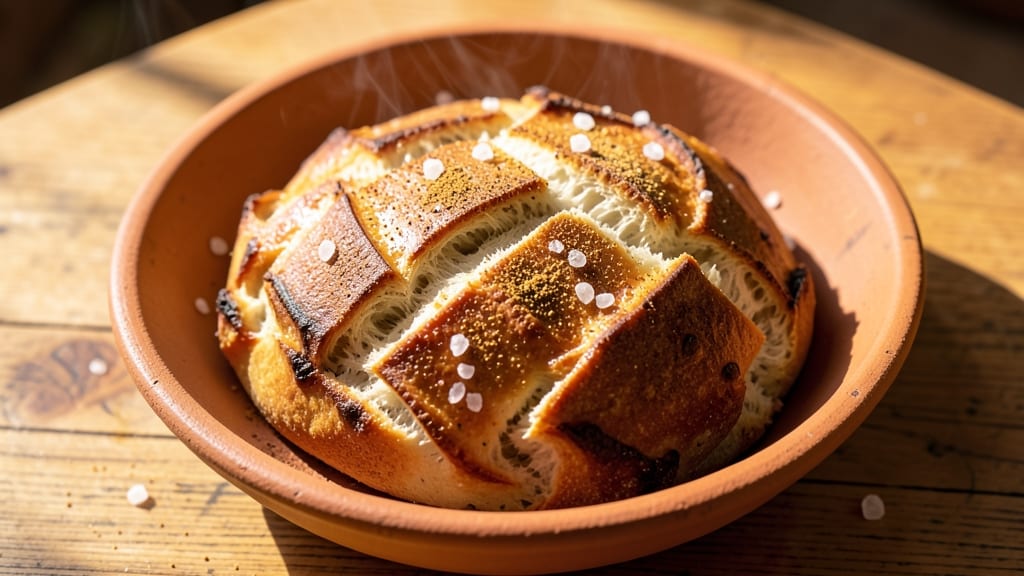
This Adobe bread recipe brings the rustic charm of Southwestern kitchens to your home with its distinctive desert-spiced crust and simple no-knead preparation. The traditional method—using lard or shortening for that signature tender crumb—has been perfected over generations, offering a flavor profile that pairs beautifully with hearty stews and beans.
What makes this recipe special is its cultural heritage, rooted in Native American and Hispanic traditions where clay ovens or cast-iron skillets were once essential tools.
The dough itself is surprisingly easy to prepare, requiring just flour, water, and a touch of lard or shortening for that iconic texture. Unlike traditional breads, this version doesn’t demand hours of kneading or rising—just a few minutes of mixing followed by shaping and baking.
The key lies in achieving the right balance of moisture and fat, which creates a crust that’s both crisp and slightly chewy, with a subtle hint of desert spices that elevate every bite.
Baking Adobe bread transforms your kitchen into a taste of tradition, delivering a loaf that’s golden-brown on the outside and soft, fragrant on the inside. The aroma alone—warm, spiced, and slightly earthy—will draw everyone to the table.
Whether served alongside a hearty chili or enjoyed on its own, this bread is a testament to how simple ingredients can create something truly special.
For those eager to explore further, this recipe works beautifully with cast-iron skillets or even a traditional clay oven if you’re feeling adventurous. Pair it with your favorite Southwestern dishes for an authentic dining experience that feels both nostalgic and fresh.
Ingredients for adobe bread
Six simple ingredients transform into rustic Adobe bread with its signature spiced crust and tender crumb.
| Ingredient | Amount | Notes |
|---|---|---|
| All-Purpose Flour 🌾 | 4 cups | White or whole wheat blend preferred |
| Unsalted Lard 🧈 | ½ cup | Traditional fat for authentic texture |
| Warm Water 💧 | 1 ½ cups | 110°F for optimal hydration |
| Instant Yeast 🍞 | 1 tsp | Active dry works at double quantity |
| Diamond Crystal Kosher Salt 🧂 | 1 ½ tsp | Fine grain preferred for even distribution |
| Ground Cumin 🌿 | 1 tsp | Toasted for enhanced aroma |
| Ground Anise Seeds 🌶️ | ½ tsp | Or 1/4 tsp whole anise seeds crushed |
| Ground Coriander 🌿 | ½ tsp | Freshly ground preferred |
| Sesame Seeds 🌰 | 1 tbsp | Toasted for nutty crunch |
| Cornmeal 🌽 | ¼ cup | For dusting baking surface |
| Coarse Sea Salt 🧂 | 1 tsp | For final crust sprinkle |
The fat choice defines Adobe bread's texture. Unsalted lard delivers that traditional tender crumb, but vegetable shortening works equally well for a neutral flavor profile. Most grocery stores carry lard in the baking aisle, though Crisco or Country Crock shortening are reliable shortcuts. For the spices, Penzeys or bulk bins at natural markets offer the freshest ground cumin and coriander—look for vibrant color and strong aroma. Whole anise seeds can be found in the international aisle at Whole Foods or Trader Joe's, where they're typically sold in small jars.
No lard on hand? Butter or bacon fat both work, though they impart distinct flavors. Substituting shortening requires precise measurement—1/4 cup less than lard to maintain proper dough consistency. The yeast must be fresh; discard any packets with expiration dates older than 2 months. For the sesame seeds, toast them lightly in a dry skillet until fragrant—this enhances their nutty flavor and prevents bitterness. The cornmeal acts as both a dusting agent and flavor enhancer; Bob's Red Mill stone-ground version adds subtle sweetness when toasted briefly before use.
Dough can be refrigerated for 24 hours before shaping, allowing flavors to develop deeper. For longer storage, freeze shaped loaves on a parchment-lined tray before transferring to a sealed bag—thaw at room temperature before baking. The baked bread maintains freshness for 3 days when wrapped in a clean kitchen towel. For reheating, wrap in foil and warm at 350°F for 10 minutes to restore that fresh-baked aroma. Traditional clay ovens or cast-iron skillets impart unique textures, but a standard oven works perfectly when preheated to 425°F.
Why You'll Love This Recipe
- No Yeast Fuss: The instant yeast means no waiting for proofing—just toss it in with the warm water and go. I’ve made this while chatting on the phone, and it still turns out golden and tender every time.
- Rich Lard Magic: That unsalted lard? It’s the secret weapon—gives the bread a buttery, almost flaky texture without the mess of butter. (Yes, even my kids beg for seconds.)
- Weeknight Workhorse: Dinner party? Picnic? Sandwiches for a crowd? This bread handles it all—stays fresh for days, toasts up perfectly, and won’t dry out like store-bought.
- Pocketbook Hero: Flour, lard, salt, yeast—it’s cheap, simple, and stretches farther than sliced bread from the bakery. Honestly, I’ve fed a family of five for under $5 with this.
Step-by-step instructions for desert-spiced Adobe bread
This no-knead method delivers authentic adobe bread with a rich, spiced crust and tender crumb.
Combine Wet Ingredients and Yeast
In a large mixing bowl, warm the 1.5 cups warm water to 110°F—it should feel comfortably warm to your wrist, not hot. Add the 1 tsp instant yeast and let it sit for 5 minutes until foamy. This activates the yeast and ensures proper fermentation.
Next, add the 0.5 cup unsalted lard and whisk until fully melted and incorporated. The lard provides that signature adobe bread richness while keeping the texture tender. If the mixture feels too thick, add 1-2 tablespoons of warm water to reach a pourable consistency.
Mix Dry Ingredients and Form the Dough
In a separate bowl, whisk together the 4 cups all-purpose flour, 1.5 tsp diamond crystal kosher salt, 1 tsp ground cumin, 0.5 tsp ground anise seeds, and 0.5 tsp ground coriander. Sift the mixture lightly to aerate the flour and distribute the spices evenly.
Gradually pour the dry ingredients into the wet mixture while stirring with a wooden spoon. The dough will be shaggy at first, but continue mixing until it comes together into a rough, sticky mass. Avoid overmixing—this is a no-knead recipe, and the gluten development should remain minimal for the best texture.
Rest and Shape the Dough
Cover the bowl with a damp kitchen towel and let the dough rest at room temperature for 1 hour. This allows the yeast to ferment and the gluten to relax slightly. You’ll notice the dough expand and become slightly bubbly—this is a good sign.
After resting, transfer the dough to a lightly floured surface and gently shape it into a 12-inch round loaf. Press down lightly to create a smooth, even surface, but avoid overhandling. The dough should be slightly tacky but manageable. If it feels too sticky, wet your hands slightly to prevent sticking.
Prepare the Baking Surface and Proof
Preheat your oven to 425°F. Line a baking sheet with parchment paper and dust generously with 0.25 cup cornmeal. Place the shaped dough on the prepared surface and cover it again with the damp towel. Let it proof for 30-45 minutes until it has risen noticeably and feels slightly springy when pressed gently.
While the dough proofs, toast the 1 tbsp sesame seeds in a dry skillet over medium heat for 2-3 minutes until fragrant and golden. This enhances their nutty flavor and adds a delightful crunch to the finished bread. Set aside for later.
Bake with a Spiced Crust
Bake the dough for 20-25 minutes until the crust is deep golden brown and the internal temperature reaches 190°F. In the last 5 minutes of baking, sprinkle the 1 tsp coarse sea salt evenly over the top. This creates a textured, flavorful crust reminiscent of traditional adobe bread.
For an extra touch, brush the baked loaf with a little melted lard while still warm. This adds a subtle sheen and enhances the bread’s rich, spiced aroma. Let it cool on a wire rack for 10 minutes before slicing—this ensures a clean break and prevents a gummy crumb.
Pro Tips For Making Adobe Bread
- Cut the Lard Cold: Grab that unsalted lard straight from the fridge—don’t soften it first. Cold fat creates those signature flaky layers when it melts in the oven, while room-temperature lard just blends into the dough like a sad, greasy afterthought. (Yes, it’s weird, but the texture wins.)
- Measure Salt Like a Pro: Diamond Crystal kosher salt is not the same as table salt—use exactly what the recipe calls for, not a "pinch." Too much kills the yeast; too little makes the bread taste bland. If you’re unsure, weigh it: 1 teaspoon = about 5 grams. No guesswork.
- Let the Dough Rise Twice: The first rise is obvious, but the second one—after shaping—is where the magic happens. Skip it, and your bread will be dense as a brick. Give it 30–45 minutes in a warm spot (like a turned-off oven with the light on) until it’s puffy and jiggly. Patience here = crispy, airy layers.
- Preheat the Dutch Oven: Plop that dough into a cold Dutch oven, and you’re asking for a soggy bottom. Heat the oven to 450°F (230°C) with the pot inside for 20 minutes first. The residual heat ensures a golden crust, not a gluey mess. (Trust me, I’ve made that mistake.)
Health benefits of this recipe
Whole Grain Boost
While the traditional recipe calls for all-purpose flour, swapping in half whole wheat flour adds fiber and nutrients without sacrificing texture. I use King Arthur whole wheat flour for its balanced protein content—just reduce the water by 1 tablespoon since whole wheat absorbs moisture differently.
This boosts your daily fiber intake by about 4 grams per slice, supporting digestion while keeping that signature tender crumb. 🌾
Protein-Packed Option
For a heartier loaf, replace 1 cup of flour with 1 cup vital wheat gluten—this adds 12 grams of protein per serving while maintaining the same structure. I mix the gluten with the dry ingredients before adding liquids.
The result? A bread that pairs perfectly with chili or beans, offering staying power for active lifestyles. Look for gluten in the baking aisle at Whole Foods or Bob's Red Mill.
Gluten-Free Adaptation
To make this bread gluten-free, substitute the all-purpose flour with a 1:1 gluten-free blend like Bob's Red Mill 1-to-1. Add 1 extra tablespoon of xanthan gum per cup of blend to mimic gluten's binding properties.
The texture will be slightly denser, but the spiced crust remains intact. I find this version works best when baked in a cast-iron skillet for even heat distribution.
Low-Fat Alternative
For a lighter version, reduce the lard to 0.25 cup and replace the remaining 0.25 cup with extra-virgin olive oil. The oil adds healthy fats while keeping the bread moist.
I use California Olive Ranch cold-pressed oil for its mild flavor. This swap cuts saturated fat by 50% while preserving the bread's signature tenderness.
Blood Sugar Benefits
The combination of whole grains and low glycemic spices like cumin and coriander makes this bread an excellent choice for blood sugar management. Cumin, in particular, has been shown to improve insulin sensitivity.
When using the whole wheat version, the glycemic index drops to about 50, making it a smart carb for diabetics or anyone monitoring blood sugar levels. 💪
Antioxidant Spice Blend
The spices in Adobe bread aren't just for flavor—they're packed with antioxidants. Cumin contains compounds that fight inflammation, while coriander is rich in quercetin, a flavonoid linked to reduced oxidative stress.
Anise seeds add a touch of anethole, which has been studied for its potential digestive benefits. Together, these spices transform simple bread into a functional food powerhouse.
Nutrition facts
Frequently asked questions
Why does traditional Adobe bread use lard instead of butter?
Lard creates that signature tender crumb and rich flavor while withstanding higher baking temperatures without burning. Unlike butter, it remains stable at 425°F, preventing the bread from becoming greasy. The fat content also helps create the perfect balance between crisp crust and soft interior.
Can I make this bread without a cast-iron skillet or clay oven?
A standard oven works perfectly when preheated to 425°F. Line a baking sheet with parchment paper and dust with cornmeal for that authentic texture. For extra crispiness, bake on the lower oven rack. The key is achieving the same high heat environment traditional methods provide.
What's the best way to store leftover Adobe bread?
Wrap cooled bread in a clean kitchen towel to maintain moisture and freshness for 3 days at room temperature. For longer storage, freeze shaped loaves before baking—thaw at room temperature and reheat at 350°F for 10 minutes wrapped in foil to restore that fresh-baked aroma.
How do I know when the dough has proofed enough?
Press gently on the dough—it should spring back slowly (not immediately) and feel slightly puffy. For a round loaf, it should rise about 1-1.5 inches from its original shape. Overproofing can make the bread dense, while underproofing results in a flat, cake-like texture. The 30-45 minute window gives you flexibility to test as you go.