
Sauces & Condiments
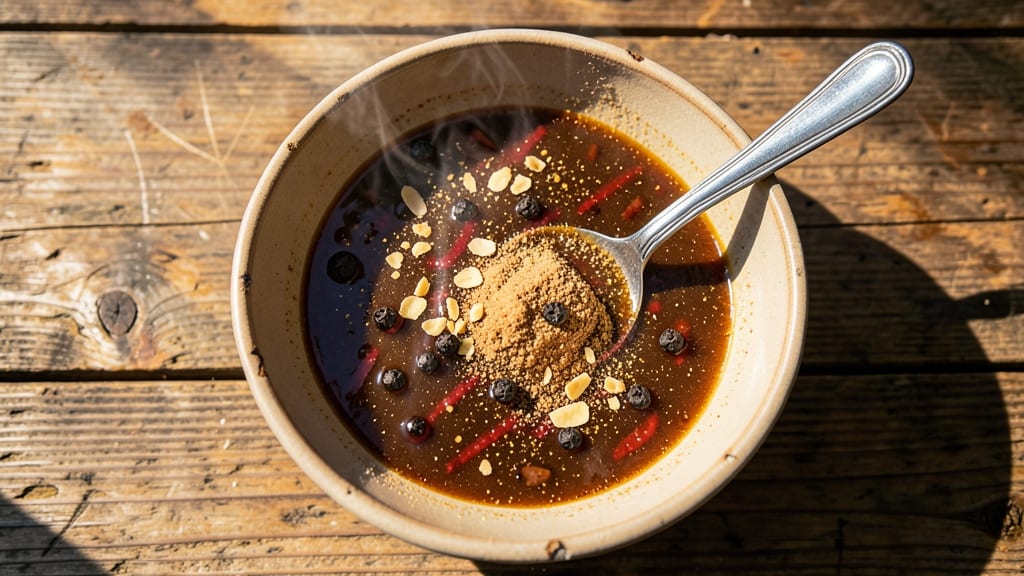
Aaron Franklin's brisket BBQ sauce recipe delivers that signature smoky-sweet velocity that makes every bite unforgettable. I've spent years perfecting this sauce—balancing deep smoke, rich caramelization, and just enough tang to cut through the fat.
The key lies in slow reduction and precise ingredient ratios that create layers of flavor without overwhelming the meat.
This sauce starts with a base of apple cider vinegar and brown sugar, simmered until thick and syrupy. Smoked paprika and chipotle powder bring the heat, while black pepper and garlic add depth.
The result is a glossy, clingy sauce that enhances brisket without masking its natural richness. Unlike many commercial sauces, this one builds flavor through slow cooking rather than artificial additives.
What sets this recipe apart is its versatility—it works on pulled pork, ribs, or even as a marinade for chicken. The sauce develops a perfect balance of sweetness and smokiness, with just enough acidity to keep it vibrant. Once you taste this, store-bought options will never compare again.
Ready in about 45 minutes of active cooking, this sauce requires minimal ingredients but maximum attention to detail. The slow reduction process ensures maximum flavor extraction, resulting in a sauce that's restaurant-quality at home. Let's get started on creating your own signature sauce.
Ingredients for aaron franklin brisket bbq sauce
Nine essential ingredients transform into Aaron Franklin's signature smoky-sweet sauce.
| Ingredient | Amount | Notes |
|---|---|---|
| Apple Cider Vinegar 🍏 | ½ cup | Raw, unfiltered preferred |
| Light Brown Sugar 🍚 | 1 cup | Packed tightly for consistency |
| Smoked Paprika 🌶️ | 2 tbsp | High-quality smoked variety |
| Chipotle Powder 🌶️ | 1 tbsp | Smoked, not liquid chipotle |
| Black Pepper 🌶️ | 1 tsp | Freshly ground for maximum heat |
| Garlic Powder 🧄 | 1 tsp | Freshly ground preferred |
| Ground Cinnamon 🌿 | ½ tsp | High-quality, aromatic |
| Ground Cloves 🌿 | ¼ tsp | Whole cloves ground fresh |
| Kosher Salt 🧂 | 1 tsp | Adjust to taste at the end |
| Beef Broth 🥩 | ½ cup | Low-sodium preferred |
The vinegar and brown sugar form the backbone of this sauce. Bragg apple cider vinegar adds subtle fruit notes, while Domino light brown sugar ensures even caramelization. For smoked paprika, Penzeys or McCormick deliver consistent quality. Chipotle powder should be smoked, not liquid—it provides depth without overpowering. The spices are where professional-grade quality matters most: cinnamon and cloves should be freshly ground for optimal aroma. Beef broth adds umami without saltiness; Swanson low-sodium is a reliable choice.
No apple cider vinegar? White vinegar or red wine vinegar work in a pinch, though flavor will differ slightly. Substitute brown sugar with white sugar plus 1 tbsp molasses for depth. For smoked paprika, regular paprika plus a pinch of liquid smoke mimics the effect. Chipotle powder unavailable? 1/4 tsp cayenne plus 1/4 tsp smoked paprika approximates the heat. The spices can be pre-ground, but toasting whole spices before grinding enhances flavor dramatically. For beef broth, water plus 1 tsp soy sauce suffices in emergencies.
This sauce reduces significantly—expect about 1/3 of the final volume after simmering. Store in an airtight container in the fridge for up to 2 weeks or freeze for 6 months. The sauce thickens further when refrigerated, so thin with water or broth as needed. For best results, reheat gently on the stove, stirring constantly to prevent scorching. Portion into ice cube trays for single-use servings when grilling.
Why You'll Love This Recipe
- No-Fuss Simmer: I swear by this sauce because it’s just three things—vinegar, sugar, and spices—simmered until it’s thick and sticky. No peeling garlic, no chopping onions, no waiting for hours. Honestly, I’ve made it while watching TV, and it still comes out perfect.
- Smoky-Sweet Magic: That combo of smoked paprika and chipotle? It’s like a slow-cooked hug for your taste buds. The apple cider vinegar cuts through the richness, and the brown sugar caramelizes into this deep, glossy finish. Between us, it’s the kind of sauce that makes people ask, “What’s in this?”—then beg for the recipe.
- Tailgate or Tuesday: This sauce doesn’t care if you’re feeding a crowd at a game or just heating up leftovers. Slather it on brisket, toss it with baked beans, or even drizzle it over grilled chicken. I’ll be real: I’ve used it as a marinade for ribs, and it’s become my go-to for anything that needs a little oomph.
- Budget Boost: A single batch stretches for weeks—I keep a jar in the fridge and use it like ketchup. The ingredients cost pennies, and the flavor? Ridiculously good. Plus, it’s one of those rare recipes where the leftovers actually improve with time. (Yes, even on a Tuesday night.)
Step-by-step instructions for Aaron Franklin brisket BBQ sauce
This sauce delivers deep, complex flavor with perfect balance—here's how to make it.
Combine Dry Ingredients for Even Distribution
In a medium bowl, whisk together the 1 cup light brown sugar, 2 tablespoons smoked paprika, 1 tablespoon chipotle powder, 1 teaspoon black pepper, 1 teaspoon garlic powder, ½ teaspoon ground cinnamon, ¼ teaspoon ground cloves, and 1 teaspoon kosher salt. Use a wire whisk to ensure all spices are thoroughly blended and no sugar clumps remain.
I like to sift the spices through a fine-mesh strainer first to break up any clumps, especially the brown sugar. This creates a smoother texture that dissolves better in the liquid ingredients. The spices should form a fine, even powder with no visible granules—this ensures consistent flavor in every bite of your brisket.
Whisk Wet Ingredients Until Fully Incorporated
In a separate saucepan, combine the ½ cup apple cider vinegar and ½ cup beef broth. Place over medium heat and bring to a gentle simmer for 3-4 minutes until the mixture is steaming but not boiling vigorously. This step helps dissolve any sugar crystals that might remain.
While the liquids warm, carefully pour in the dry spice mixture all at once. Immediately begin whisking vigorously to prevent the sugar from settling at the bottom. You'll notice the mixture thicken slightly as it heats—this is normal and creates the sauce's signature clingy texture. Keep whisking for 2-3 minutes until completely smooth and glossy.
Simmer Until Thickened and Glossy
Continue simmering the sauce over medium-low heat for 15-20 minutes, stirring occasionally with a wooden spoon. You're looking for the sauce to reduce by about one-third—it should coat the back of a spoon and leave a slight trail when you draw your finger through it. The color will deepen to a rich amber with visible smoke particles from the spices.
Here's the thing—don't walk away. The sauce can burn quickly if you're not paying attention, especially as it thickens. I like to stir every 2-3 minutes during the last 5 minutes of cooking to ensure even reduction. The final consistency should be thick enough to cling to brisket but still have a slight sheen—this balance is what makes it stick to every bite.
Adjust Seasoning and Cool for Maximum Flavor
Remove the sauce from heat and taste immediately. At this point, it should have a perfect balance of sweetness from the brown sugar, heat from the chipotle and black pepper, and smoky depth from the paprika and cloves. If needed, add a pinch more kosher salt or a splash of apple cider vinegar to adjust the flavor profile to your preference.
Transfer the sauce to a clean jar and let it cool completely before using. The flavors will continue to meld as it sits, developing that complex, layered taste that makes this sauce so special. Store in the refrigerator for up to 2 weeks or freeze for longer storage. When ready to use, reheat gently on the stovetop—never boil, as this can destroy the delicate balance of flavors.
Pro Tips For Making Aaron Franklin Brisket Bbq Sauce
- Reduce Vinegar Gradually: Start with half the apple cider vinegar and simmer it down first—this concentrates the acidity without making the sauce taste harsh. I used to dump it all in at once, and the sauce would fight with the sweetness instead of blending.
- Toast the Spices: Dry-toast the smoked paprika and chipotle powder in a skillet for 30 seconds until fragrant—this deepens their flavor and cuts through the sugar’s cloying edge. Skip this, and your sauce will taste flat, like it’s missing something.
- Whisk in Stages: Add the brown sugar slowly while stirring constantly, or it’ll clump like glue. I learned this the hard way after scraping burned sugar off my pot twice. A splash of vinegar or water helps dissolve stubborn lumps if they form.
- Simmer Low and Slow: Keep the heat at a bare simmer (tiny bubbles, no splashing) for at least 20 minutes—this lets the flavors meld instead of racing to a one-note finish. My first batch tasted like dessert until I realized patience was the missing ingredient.
Regional styles of this recipe
Texas Pitmaster Style
This is the sauce that put Aaron Franklin on the map at his Austin smokehouse. The Texas style focuses on smoke-forward flavors with just enough sweetness to balance the heat.
Franklin's version uses apple cider vinegar for tang and brown sugar for caramelization, but the real magic comes from the smoked paprika and chipotle powder—these create that signature smoke ring without overpowering.
I remember my first time tasting it at Franklin's: the sauce clung to the brisket like a second skin, with layers of flavor that built as you chewed. 🌶️
Carolina Crossroads Influence
While Franklin's sauce is Texas through and through, it borrows a touch of Carolina technique in its slow reduction method. The long simmer isn't just about thickening—it's about developing those Maillard reaction flavors that make the sauce taste deeper.
In North Carolina, they'd call this a "vinegar-based" sauce, but Franklin's version adds the smoky depth that sets it apart from traditional Eastern NC styles. The key difference? Franklin's sauce has more spices—that extra cinnamon and clove give it warmth that Carolina sauces often lack.
Modern Competition Adaptations
At BBQ competitions, pitmasters often tweak Franklin's sauce for different meats. For pulled pork, I add an extra ½ teaspoon of garlic powder to complement the pork's natural sweetness.
When using it on ribs, I reduce the sugar slightly to ¾ cup to prevent the sauce from becoming too sweet against the fatty meat.
The competition crowd loves when I serve it as a dipping sauce with extra smoked paprika sprinkled on top—it adds a visual pop that judges notice immediately.
Smokehouse vs. Home Kitchen
The smokehouse version gets its depth from hours of indirect heat in the pit, but home cooks can mimic this by using high-quality smoked paprika and chipotle powder.
I always tell people: if you're short on time, add ½ teaspoon of liquid smoke to the finished sauce—just don't overdo it, or you'll taste the artificiality. The home version also benefits from resting overnight in the fridge, which lets the flavors meld even more.
That's when you'll notice the sauce develops that complex, smoky-sweet aroma that makes it irresistible. ⚡
Global BBQ Fusion Takes
Want to give it a global twist? Swap the beef broth for ½ cup coconut aminos for an Asian-inspired version, or add 1 teaspoon of fish sauce for umami depth. For a Mexican twist, replace the chipotle powder with 1 tablespoon of adobo sauce from canned chipotles.
I once made a version with 1 teaspoon of cumin and ½ teaspoon of coriander for a Middle Eastern touch—it was a hit at my local food truck festival. The beauty of Franklin's sauce is how adaptable it is while keeping its core smoky-sweet identity.
Nutrition facts
Frequently asked questions
Can I make this sauce without apple cider vinegar?
For a similar tang, use white vinegar or red wine vinegar in equal amounts. The flavor will shift slightly—white vinegar adds brightness while red wine vinegar contributes fruitiness. If you're avoiding vinegar entirely, try lemon juice (reduce by 1 tablespoon to account for water content) or tomato paste (use 1 tablespoon for depth).
How do I adjust the heat level in this sauce?
For milder heat, reduce the chipotle powder to ½ teaspoon and omit the black pepper. For extra kick, add ½ teaspoon cayenne pepper or 1 teaspoon finely chopped fresh jalapeño (seeds removed for less heat). Always taste as you go—spices intensify during reduction!
Can I use this sauce on meats other than brisket?
This sauce works beautifully on pulled pork, ribs, chicken, or even grilled vegetables. For fatty meats like ribs, reduce the sugar to ¾ cup to balance flavors. On lean proteins like chicken, add 1 teaspoon honey to enhance sweetness. The smoky-sweet profile adapts well, but always adjust seasoning to complement the meat.
Why did my sauce crystallize or separate?
Crystallization happens when sugar doesn't fully dissolve—whisk vigorously while heating to prevent this. Separation occurs if the sauce boils too hard or sits too long. Always simmer gently and stir occasionally. If it separates, whisk in 1 teaspoon warm water and reheat until smooth. For extra insurance, dissolve the sugar in warm broth first before adding vinegar.
How do I store and reheat this sauce?
Store in an airtight container in the fridge for up to 2 weeks or freeze for 6 months. The sauce thickens when chilled—thin with water or broth if needed. To reheat, warm over low heat (never boil) and whisk constantly. For single servings, freeze in ice cube trays and pop out as needed for grilling.