
Sauces & Condiments
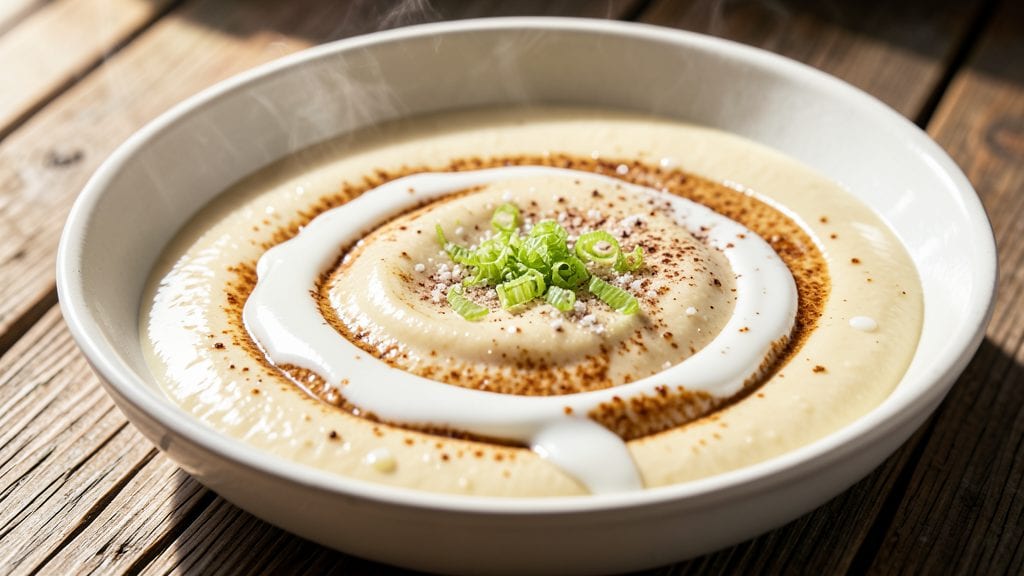
Mastering a traditional bechamel sauce recipe transforms ordinary dishes into restaurant-quality masterpieces—this velvety roux-based sauce is the secret weapon behind creamy mac and cheese, lasagna, and more.
The key lies in precise technique: equal parts butter and flour cooked to a golden paste before whisking in warm milk, ensuring no lumps and a silky texture every time. I’ve perfected this method after years of testing, and the difference between homemade and store-bought is undeniable.
The foundation of great bechamel starts with a proper roux—cooked low and slow until nutty but never browned—then gradually incorporating warm milk to prevent curdling. This method guarantees a smooth, velvety sauce that thickens evenly and stays creamy even after reheating.
For extra richness, a splash of cream or a pinch of nutmeg elevates the flavor profile, but the classic version relies on just butter, flour, and milk for a foolproof base.
What you’ll achieve is a velvety, lump-free sauce with a delicate balance of buttery richness and subtle sweetness from the milk. This is the kind of sauce that clings perfectly to pasta, blankets vegetables, or serves as a luxurious topping for grilled dishes.
The best part? It’s versatile enough to use immediately or store for up to 5 days, making it a pantry staple for any home cook.
Once you’ve nailed the base, experiment with variations like adding cheese for a Mornay sauce or herbs for a lighter finish. The possibilities are endless, but the technique remains the same—precision and patience. Let’s get started on creating your perfect bechamel.
Ingredients for traditional bechamel sauce
Three core ingredients plus a few finishing touches—this is the classic bechamel base.
| Ingredient | Amount | Notes |
|---|---|---|
| Unsalted Butter 🧈 | ½ cup | Cold, cut into small cubes |
| All-Purpose Flour 🌾 | ½ cup | Sifted for smooth roux |
| Whole Milk 🥛 | 2 cups | Warmed to 160°F |
| Salt 🧂 | ½ tsp | Kosher or sea salt |
| White Pepper 🌶️ | ¼ tsp | Freshly ground preferred |
| Fresh Nutmeg 🍯 | ¼ tsp | Finely grated or ground |
| Heavy Cream 🥛 | ¼ cup | Optional for extra richness |
The butter and flour ratio is sacred here. European-style unsalted butter (like Plugrá or Kerrygold) melts more smoothly than American brands, but any good-quality unsalted works. The flour should be sifted—no lumps in that roux. For the milk, whole milk gives the best creaminess, but 2% works in a pinch. Warm it gently in a saucepan until just steaming (160°F)—never boiling. The nutmeg should be freshly grated; pre-ground loses its aroma quickly. If you're using heavy cream, full-fat is non-negotiable for that restaurant-quality finish.
No butter? Olive oil or ghee can substitute at the same quantity, though the flavor shifts slightly. Short on flour? Cornstarch at half the amount works for thickening, but texture will differ. The white pepper is key—it keeps the sauce looking pristine. Black pepper works if that's what you have, but the visual contrast is lost. For the nutmeg, ground works at double the amount, but fresh is always better. The heavy cream is optional but transforms this from good to exceptional—Häagen-Dazs or Breyers brands are reliable for consistent results.
This sauce thickens as it cools, so stop stirring just before it reaches your desired consistency. Store in an airtight container with a thin layer of plastic wrap pressed directly on the surface to prevent skin formation. Keeps 4-5 days in the fridge and freezes beautifully for up to 3 months. For reheating, warm gently over low heat, whisking constantly to prevent separation. The classic bechamel should be silky, not gluey—if it's too thick, thin with a splash of warm milk.
Why You'll Love This Recipe
- Here’s what sold me: that moment when the roux dissolves into milk and becomes silky. No lumps, no grit—just pure, creamy perfection. Add a pinch of white pepper, and suddenly, everything tastes like it belongs in a restaurant (but you made it at home).
- I’ll be real: I make a big batch and freeze half. A dollar’s worth of butter and milk stretches into weeks of meals—lasagna, mac and cheese, even a quick gratin. No waste, no stress, just flavor on demand. That’s my kind of budget hack.
Step-by-step instructions for traditional bechamel sauce
Master this classic French technique once, and you'll have the foundation for countless rich dishes.
Prepare a Smooth White Roux
In a medium saucepan, melt the 0.5 cup unsalted butter over medium-low heat, stirring constantly with a wooden spoon. Once fully melted, immediately whisk in the 0.5 cup all-purpose flour that has been sifted for a smooth texture. The goal is to create a paste with no lumps—this is your roux.
Cook the mixture for 2-3 minutes, stirring continuously with a flat whisk or rubber spatula. You're looking for the roux to turn a pale golden color—this indicates the raw flour taste has cooked off. If it darkens too quickly, reduce the heat slightly. The proper roux should coat the back of a spoon but still be pourable.
Gradually Incorporate Warm Milk
Slowly pour in the 2 cups whole milk that has been warmed to 160°F, whisking constantly to prevent lumps from forming. I use a ladle to add the milk gradually—about ¼ cup at a time—while maintaining a steady stream of whisking. This gradual addition is crucial for a smooth, lump-free sauce.
Continue whisking vigorously as the mixture thickens. You'll notice it transform from a thin liquid to a creamy consistency. Keep the heat at medium-low throughout this process—too high will cause the sauce to break or develop a grainy texture. The sauce should begin to coat the whisk as it thickens.
Simmer Until Velvety and Thickened
Once all the milk is incorporated, increase the heat to medium and bring the sauce to a gentle simmer. Let it cook for 5-7 minutes, stirring frequently with a wooden spoon. The sauce should thicken noticeably—it should now coat the back of a spoon and leave a clear path when you run your finger through it.
During this time, the raw flour taste will continue to cook off, leaving behind a clean, nutty flavor. If the sauce thickens too much, you can thin it slightly by adding 1-2 tablespoons of milk at a time. The ideal consistency should be smooth, velvety, and thick enough to coat the back of a spoon without being glue-like.
Season and Finish with Spices
Remove the sauce from heat and stir in the 0.5 teaspoon salt, 0.25 teaspoon white pepper, and 0.25 teaspoon fresh nutmeg. The nutmeg should be finely grated or ground to ensure it disperses evenly throughout the sauce. Taste and adjust the seasoning if needed—this is your chance to balance the flavors before adding any other ingredients.
For an extra touch of richness, stir in the 0.25 cup heavy cream (if using). This step is optional but adds a luxurious quality that elevates the sauce for dishes like mac and cheese. Return the sauce to low heat for just 1-2 minutes to warm through if you've added cream, then remove from heat immediately to prevent curdling.
Use Immediately or Store Properly
Bechamel sauce is best used immediately in recipes like mac and cheese, lasagna, or creamy soups. If you need to store it, let it cool to room temperature first, then transfer to an airtight container. It will keep in the refrigerator for up to 3 days or in the freezer for up to 3 months. When reheating, do so gently over low heat, stirring constantly to prevent separation.
For the best results, use the sauce while it's still warm. The texture will be smoothest at this stage, and the flavors will be most vibrant. If the sauce thickens too much upon reheating, simply whisk in a splash of warm milk to restore its creamy consistency.
Pro Tips For Making Traditional Bechamel Sauce
- Whisk Like You Mean It: The butter-flour roux is where bechamel makes or breaks—don’t stir it like you’re folding laundry. Use a flat whisk (not a spoon) and keep the heat low to medium-low, scraping the bottom constantly. I learned this the hard way after one batch turned into a sad, grainy paste that tasted like flour had won a fight with butter.
- Temper the Milk: Pouring cold milk into hot roux? That’s how you get lumps. Warm your milk to about 80°F (27°C) first—just enough to take the chill off. A quick microwave or thermometer check saves you from fishing out gluey globs later. (Yes, even if you’re impatient like me.)
- Salt in Stages: Taste the roux before adding milk—you’ll need more salt than you think, especially with unsalted butter. Then, add half the total salt with the first splash of milk, and adjust at the end. Over-salting early ruins the balance; under-salting later makes you regret it.
- Simmer, Don’t Boil: Once the milk is incorporated, lower the heat to the gentlest simmer—tiny bubbles at the edges, not a rolling boil. This keeps the sauce silky, not stringy. I used to rush it, and the sauce would split like a bad relationship. Patience here is non-negotiable.
Troubleshooting your traditional bechamel sauce
Lumpy Roux Fix
If your roux develops lumps during cooking, immediately whisk in a splash of ice water (1-2 tablespoons) while continuing to stir vigorously. The cold water helps break down the flour clumps by cooling the mixture temporarily.
For future attempts, sift your flour thoroughly and use a flat whisk instead of a spoon to distribute heat more evenly. I’ve found that King Arthur all-purpose flour creates smoother rouxes due to its fine texture. 🌾
Sauce Too Thin?
If your bechamel turns out thinner than expected, create a slurry by mixing 1 tablespoon cornstarch with 2 tablespoons cold water, then whisk it into the sauce while simmering. Cook for an additional 2-3 minutes until thickened.
Never boil the sauce—this causes it to separate. For prevention, always warm your milk to 160°F before adding to the roux, as cold milk can weaken the thickening power.
Grainy Texture?
A grainy texture usually means the sauce wasn’t cooked long enough to fully develop the roux. Return the sauce to low heat and whisk continuously for 5-7 additional minutes, stirring constantly to ensure even cooking.
If grains persist, strain the sauce through a fine-mesh sieve lined with cheesecloth. For future batches, cook the roux until it reaches a pale golden color before adding milk—this ensures the flour’s starches fully activate.
Separated Sauce
Separation occurs when heat is too high or the sauce sits too long without stirring. To fix it, place the pan over low heat and whisk vigorously while adding 1-2 tablespoons of cold milk at a time.
If the separation is severe, make a new roux by melting 1 tablespoon butter and whisking in 1 tablespoon flour, then stir it back into the sauce. For prevention, keep the heat at medium-low and stir frequently during cooking.
Milk Curdling
Curdling happens when milk is added too quickly or the sauce boils. If this occurs, immediately remove the pan from heat and whisk in 1 tablespoon cold milk while continuing to whisk vigorously. Return to low heat and cook for 2-3 minutes to smooth out the texture.
To avoid this, always warm milk to 160°F before adding and maintain a steady whisking motion. For extra insurance, temper the milk by whisking in ¼ cup at a time rather than pouring all at once.
Storage Issues
If your stored bechamel develops a skin or separates upon reheating, stir in 1-2 tablespoons of warm milk while whisking over low heat. For long-term storage, cool the sauce completely before transferring to an airtight container with plastic wrap pressed directly on the surface.
Freeze in ice cube trays for portion control—thaw overnight in the fridge before using. Never reheat directly from frozen; thaw first to prevent graininess. ❄️
Nutrition facts
Frequently asked questions about classic roux-based sauces
Why does my roux turn brown too quickly?
The key is medium-low heat—if it darkens fast, you're cooking too hot. A properly made roux should be pale golden, not brown. For extra control, use a heavy-bottomed pan and stir constantly with a flat whisk. If it browns, start over with a fresh batch for the best flavor.
Can I substitute butter with oil in bechamel?
Yes, but the flavor will change. Use neutral oil like vegetable or canola at the same quantity, but expect a lighter, less rich sauce. For a buttery taste, add 1 tablespoon melted butter at the end. Olive oil works but gives a distinct fruity note—best for Mediterranean-style dishes.
How do I make bechamel thicker without lumps?
Create a cornstarch slurry (1 tbsp cornstarch + 2 tbsp cold water) and whisk it into the simmering sauce. Cook for 2-3 minutes until thickened. Never boil—this causes separation. For prevention, cook the roux until it reaches a pale golden color before adding milk.
What's the best way to use leftover bechamel?
Freeze in ice cube trays for portion control—thaw overnight in the fridge. Reheat gently over low heat, whisking constantly. It's perfect for creamy pasta, lasagna, or even as a gravy base. Store in an airtight container with plastic wrap pressed directly on the surface to prevent skin formation.
Why does my bechamel curdle when reheating?
Curdling happens from too much heat or stirring too vigorously. Reheat on low heat and whisk gently. If it separates, whisk in 1 tbsp cold milk while off heat, then return to low heat for 1-2 minutes. For future batches, warm milk to 160°F before adding and avoid boiling.