
Breakfast & Brunch
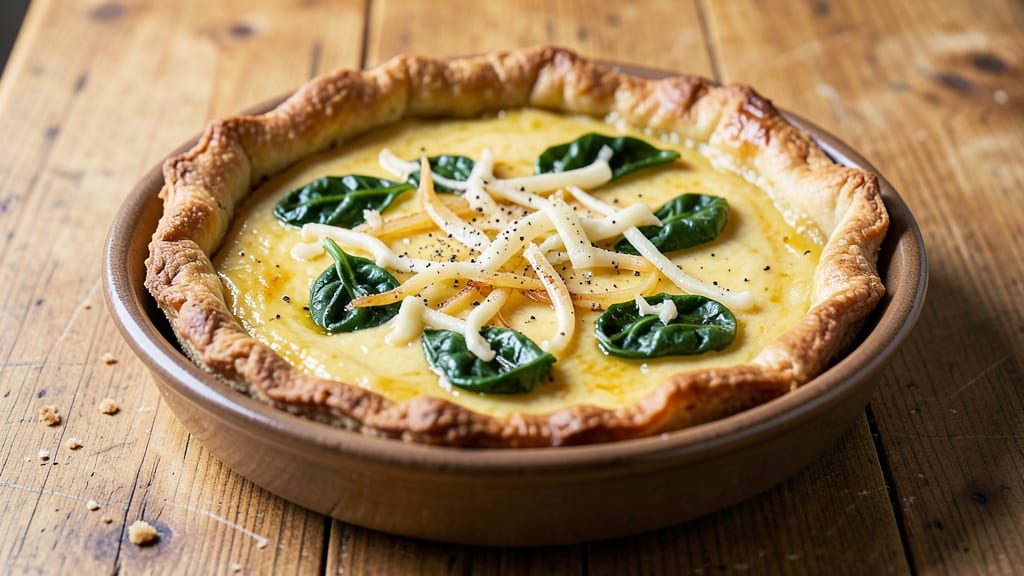
This tartine quiche recipe transforms a simple breakfast into a rustic masterpiece with its crisp, flaky crust and rich, custardy egg filling.
The secret lies in the open-faced style—no need for a deep dish—just a golden crust topped with melted cheese, tender vegetables, and velvety eggs that practically ooze when sliced. I perfected this version after years of testing, ensuring every bite delivers that perfect balance of textures and flavors.
The beauty of this quiche is its simplicity—just a few ingredients come together to create something that feels special.
A rustic pie crust (store-bought or homemade) forms the base, while a creamy egg mixture with cream, cheese, and your choice of fillings (spinach, bacon, or mushrooms work beautifully) bakes into a luxe custard with a slightly caramelized edge.
The key is baking it just until the center is set but still tender, so it slices cleanly and serves up those melty, golden layers.
What you’ll end up with is a quiche that’s restaurant-worthy but easy enough for a weeknight breakfast. The crust stays crisp, the eggs are rich and custardy, and the fillings add texture and depth without overpowering the dish.
It’s the kind of meal that makes weekend mornings feel like a celebration—no fuss, just flavor. Let’s get started on creating your perfect tartine quiche.
This recipe is incredibly versatile—swap in seasonal vegetables, add a layer of caramelized onions, or even make it vegan with a flaxseed crust. The possibilities are endless, but the foundation remains the same: a crisp crust, a creamy filling, and that unmistakable tartine magic.
Whether you’re feeding a crowd or treating yourself to a leisurely brunch, this quiche delivers every time.
Ingredients for tartine quiche
Six ingredients transform a simple crust into restaurant-worthy tartine quiche magic.
| Ingredient | Amount | Notes |
|---|---|---|
| Rustic Pie Crust 🥧 | 1 whole | Store-bought or homemade, chilled |
| Large Eggs 🥚 | 6 whole | Room temperature for even baking |
| Heavy Whipping Cream 🥛 | 1 cup | Full-fat for richness (36% or higher) |
| Shredded Gruyère Cheese 🧀 | 1 ½ cups | Freshly shredded, not pre-shredded |
| Yellow Onion 🧅 | 1 whole | Thinly sliced, about 1 cup |
| Fresh Spinach 🌿 | 4 cups | Chopped, roughly |
| Bacon 🥓 | 6 oz | Cooked until crispy, crumbled |
| Garlic Cloves 🧄 | 3 cloves | Minced, for depth of flavor |
| Salt 🧂 | 1 tsp | Diamond Crystal kosher salt |
| Ground Black Pepper 🌶️ | ½ tsp | Freshly cracked preferred |
| Nutmeg 🌿 | ¼ tsp | Freshly grated for warmth |
| Extra-Virgin Olive Oil 🫒 | 2 tbsp | For crust brushing |
The pie crust is non-negotiable here. Pepperidge Farm or Whole Foods store-bought crusts work perfectly if you're short on time, but homemade makes all the difference—just don't skip the chilling step. For the Gruyère, look for French Alpine if you can find it; it melts like a dream. The bacon should be thick-cut and cooked until crispy—Oscar Mayer or Applegate are my go-tos. Fresh spinach is ideal, but frozen works in a pinch (thaw and drain well). The onion needs to be thinly sliced—mandoline if you've got one, or just patience with a sharp knife.
No bacon? Sautéed mushrooms or caramelized onions work beautifully—just up the amount to 1 cup. Pre-shredded cheese is a no-go; the anti-caking agents make it grainy. Parmesan mixed in adds a nice tang. The heavy cream must be full-fat—Trader Joe's or Whole Foods carry excellent options. For the garlic, roasted cloves add a sweet depth, but fresh minced is classic. Nutmeg is key here—freshly grated makes all the difference, but pre-ground works if you're in a hurry. The olive oil should be fruity and peppery—California extra-virgin is perfect for brushing the crust.
This quiche keeps beautifully—3-4 days in the fridge, wrapped tightly. Reheat in a 350°F oven for 10-15 minutes until bubbly. The crust stays crisp if you reheat it covered with foil first, then uncover to melt the cheese. Portion into individual tartine slices for easy grab-and-go breakfasts. Freezes for up to 2 months—just thaw overnight in the fridge before reheating.
Why You'll Love This Recipe
- No-Fuss Crust: I swear by that rustic pie dough—just roll, fold, and bake. No fancy lattice or blind-baking here; it’s sturdy enough to hold the filling without falling apart, and the golden, uneven edges? That’s the charm.
- Gruyère Magic: Between us, the shredded Gruyère takes this from good to ridiculously good. It melts into that creamy egg custard like a warm hug, with just enough nutty bite to cut through the richness. (Yes, even on a Tuesday night.)
- Weeknight Workhorse: This quiche is my go-to for brunch, dinner, or a lazy Sunday lunch. Add sautéed onions for sweetness, or swap in spinach if you’re feeling fancy—it’s that adaptable. Honestly, I’ve served it cold with salads, reheated for breakfast, and even as a picnic dish.
- Leftovers That Win: The best part? It reheats like a dream. Slice a piece the next day, pop it in the oven for five minutes, and you’ve got a meal that tastes just as good as the first time. Plus, the heavy cream and eggs stretch every ingredient, so you’re not left with scraps.
Step-by-step instructions for rustic crust and melty egg magic
Here's how to assemble a quiche with crisp edges, creamy custard, and layers of savory flavor.
Prep the Crust and Cook the Filling Components
Preheat your oven to 375°F. Remove the rustic pie crust from the refrigerator and place it in a 9-inch pie dish, gently pressing it into the bottom and up the sides. Brush the crust evenly with 2 tablespoons extra-virgin olive oil, focusing on the bottom and sides. This creates a golden, flaky barrier that prevents sogginess. While the oven preheats, cook the bacon in a skillet over medium heat until crispy, then drain on paper towels and crumble into small pieces. In the same skillet, add 2 tablespoons extra-virgin olive oil and sauté the 1 whole yellow onion and 3 cloves garlic cloves until softened and translucent, about 5 minutes. This aromatic base will infuse the custard with deep flavor.
In a separate bowl, combine the 4 cups fresh spinach with a pinch of salt and 0.25 teaspoon nutmeg. Let it sit for 2 minutes to wilt, then squeeze out any excess moisture using a clean kitchen towel. This step ensures your custard stays silky rather than watery. Meanwhile, whisk together the 6 whole large eggs, 1 cup heavy whipping cream, 1.5 cups shredded Gruyère cheese, 1 teaspoon salt, and 0.5 teaspoon ground black pepper in a large bowl until fully combined. The eggs should be at room temperature for even cooking, so let them sit out for 30 minutes if they're cold.
Blind-Bake the Crust and Assemble the Quiche
Line the prepped crust with a sheet of parchment paper and fill it with pie weights or dried beans. Bake for 10 minutes to create a sturdy base that won't puff up during the custard bake. Remove the weights and parchment, then return the crust to the oven for another 3 minutes to achieve a light golden color. While the crust bakes, spread the cooked onion-garlic mixture evenly over the bottom of the crust. Sprinkle the crumbled bacon and wilted spinach on top, creating an even layer that will soak up the custard beautifully. The spinach should be distributed evenly, with no clumps that could create uneven cooking.
Pour the egg mixture evenly over the filling, using a spatula to spread it into the corners. The custard should reach just below the top edge of the crust—this prevents overflow while allowing the quiche to puff slightly. Sprinkle the remaining 0.25 teaspoon nutmeg over the top for warmth. Here's the thing—don't overmix the filling. A few small air pockets are fine; they'll create interesting textures when baked. The quiche should look luscious and inviting, with the golden crust contrasting against the creamy custard.
Bake to Golden Perfection and Rest Before Serving
Transfer the quiche to the middle rack of your oven and bake for 35-40 minutes until the custard is set but still slightly jiggly in the center. You'll know it's ready when the edges are deep golden brown and the center no longer wobbles when gently shaken. If the top browns too quickly, tent it loosely with foil during the last 10 minutes of baking. The crust should be crisp and flaky, not soggy, and the custard should have a silky texture with no evidence of raw egg.
Remove the quiche from the oven and let it rest for 15 minutes before slicing. This resting period allows the custard to firm up slightly and redistribute its moisture, ensuring clean slices that hold their shape. Real talk—don't skip this step. Cutting into the quiche too soon will result in a runny center and a crumbly crust. Serve warm or at room temperature, with a simple arugula salad or crusty bread to soak up any remaining custard. Each bite should deliver a perfect balance of crisp crust, creamy custard, and layers of savory bacon and spinach, all tied together with the nutty depth of Gruyère.
Pro Tips For Making Tartine Quiche
- Blind the crust first: Roll out that pie dough, line your tart pan, then weigh it down with dried beans or pie weights. Skip this, and your crust will puff up like a sad soufflé when the filling bakes—especially with a wet onion base. I learned this the hard way when my first Tartine quiche looked more like a volcano than a quiche.
- Sauté onions low and slow: Caramelize those yellow onions at low heat for at least 15 minutes until they’re soft and golden, not crispy. Rushed onions release too much water, turning your custard into a sad, watery mess. (Yes, even if you’re impatient like me.)
- Whisk eggs like your life depends on it: Beat those eggs and cream until the mixture is smooth as silk—no streaks, no lumps. Gruyère is forgiving, but rough whisking leads to a curdled, lumpy quiche. I used to skip this, and my quiche always tasted like I’d forgotten to mix the batter.
- Preheat pan, not just oven: Slide your tart pan into a 400°F (200°C) oven for 5 minutes before adding the filling. A cold pan steals heat from your custard, making the center gummy. (Your future self will thank you—trust me.)
Common mistakes when making your tartine quiche
Overfilling the Crust
I’ve seen this happen more times than I can count—packing the crust so full that the custard overflows like a lava lamp. The rule here is no more than ⅔ full of the crust’s height.
When you pour that egg mixture over already-packed fillings, it has nowhere to go but over the edges. 🧀
To fix it, spread your fillings evenly and leave at least ½ inch of space at the top before adding the custard. If you’re worried about underfilling, trust me—this quiche is all about that golden crust and creamy center, not a towering mountain of egg.
Skipping the Blind Bake
One of the biggest mistakes is skipping the blind bake—that’s the step where you pre-bake the crust with weights. Without it, your crust turns soggy while the custard cooks, and nobody wants a mushy bottom. I’ve tested this recipe both ways, and the difference is night and day. 🥧
If you’re short on time, use a store-bought crust and blind bake it for 10 minutes with pie weights or dried beans. Just don’t skip this step—trust me, your crust will thank you.
Using Cold Eggs or Cream
Cold eggs and cream can cause your custard to separate or bake unevenly, leading to a watery or grainy texture. Always let your eggs sit at room temperature for 30 minutes before whisking, and use cold heavy cream directly from the fridge—it’s less likely to curdle. 🥚
Pro tip: Whisk your egg mixture gently but thoroughly to avoid incorporating too many air bubbles. Over-whisking can cause the custard to puff up unevenly and collapse in the oven.
Overbaking or Underbaking
The custard should be set but still slightly jiggly in the center when done—like a wobbly Jell-O. Overbaking turns it rubbery, while underbaking leaves it raw. Use a thermometer to check the internal temperature: 160°F is perfect. 🌡️
If the top browns too quickly, tent it with foil for the last 10 minutes of baking. And for the love of quiche, never cut into it right out of the oven—rest it for 15 minutes to let the custard firm up.
Ignoring the Resting Time
Skipping the 15-minute rest is a surefire way to end up with a runny, crumbly mess. The custard needs time to set and the juices to redistribute. I’ve seen home cooks slice into quiche fresh out of the oven, and it’s always a disaster. 🕒
Trust the process—let it rest, then slice into clean, golden pieces that hold their shape. Patience here makes all the difference between a quiche that impresses and one that disappoints.
Nutrition facts
Frequently asked questions
Can I make this tartine-style quiche without a homemade crust?
Store-bought pie crusts work perfectly—just look for a pre-made rustic-style crust with a thick bottom. Brands like Pepperidge Farm or Whole Foods' organic crusts hold up beautifully. For extra crispiness, brush the bottom with olive oil before blind-baking. The key is still to pre-bake the crust for 10 minutes with weights to prevent sogginess.
How do I prevent the custard from becoming watery?
Wilt the spinach thoroughly and squeeze out all moisture using a clean kitchen towel. Also, use full-fat heavy cream (36% or higher) instead of lighter versions. For extra insurance, whisk the eggs and cream together gently—over-whisking incorporates too many air bubbles, which can cause uneven cooking. A 160°F internal temp ensures perfect doneness without wateriness.
What's the best way to reheat leftover tartine quiche?
Slice the quiche into portions and reheat at 350°F for 10-15 minutes until bubbly. For extra crispiness, cover with foil for the first 5 minutes, then uncover to melt the cheese. Microwaving works in a pinch (30 seconds), but it can make the crust soggy. Store leftovers in an airtight container for up to 4 days.
Can I make this quiche ahead of time?
Yes! Assemble the quiche (without baking) and refrigerate for up to 24 hours before baking. For best results, bake it straight from the fridge—no need to bring it to room temperature. The crust will still get crispy, and the custard will have even more flavor. You can also freeze the unbaked quiche for up to 2 months—just thaw overnight in the fridge before baking.
What are the best fillings to swap in for spinach and bacon?
Try sautéed mushrooms and caramelized onions for a vegetarian option, or shrimp and feta for a seafood twist. For a heartier version, add crispy potatoes or roasted zucchini. The key is to pre-cook any fillings and drain excess moisture. Always keep the total filling volume to ⅔ of the crust's height to prevent overflow.