
Main Courses
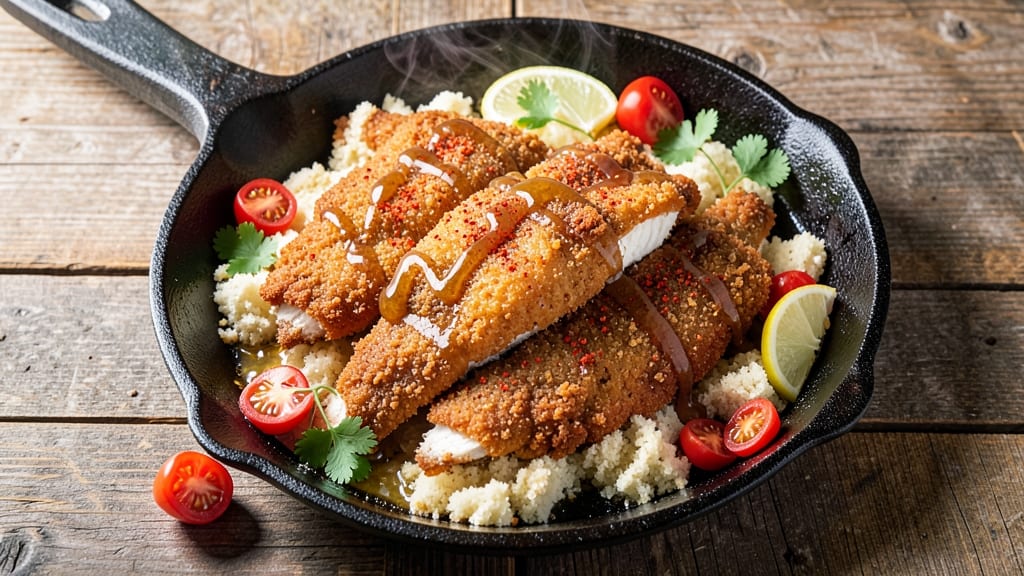
This Southern deep fried fish recipe delivers the crispy gold crust and flaky magic that makes it a weekend staple in kitchens from Charleston to New Orleans.
The secret lies in double-dredging the fish—first in seasoned flour, then in a buttermilk-egg wash, and back into flour—creating a shell that's impossibly crispy while keeping the inside tender. I've perfected this technique over years of testing, and it never fails to impress, even with picky eaters.
The key to authentic Southern results is maintaining the oil at a steady 360°F, which ensures the crust stays golden and crisp rather than greasy.
This recipe uses simple ingredients you likely already have on hand—white flour, cornmeal for texture, and a blend of spices that includes cayenne for just the right kick.
The process takes about 30 minutes from prep to serving, making it perfect for a leisurely weekend brunch or a weeknight dinner when you crave something special.
What you'll end up with is fish that's golden and shatteringly crisp on the outside, with flaky, moist white flesh underneath that melts in your mouth. The aroma alone—warm, buttery, and slightly smoky—will have everyone gathering at the table.
Serve it with classic Southern sides like hush puppies, creamy coleslaw, or buttery cornbread to complete the meal. This is comfort food at its finest, with a technique that's approachable yet delivers restaurant-quality results every time.
For best results, keep a thermometer handy to monitor the oil temperature, and don't overcrowd the fryer—this ensures each piece cooks evenly and stays crispy. The recipe scales easily, so you can double it for a crowd without any fuss.
Once you try this method, you'll never go back to store-bought fish sticks or soggy fried fish again.
Ingredients for southern deep fried fish
Pantry staples and a few key ingredients transform simple fish into Southern crispy perfection.
| Ingredient | Amount | Notes |
|---|---|---|
| White Flour 🌾 | 2 cups | All-purpose, sifted for light crust |
| Cornmeal 🌽 | ½ cup | Fine grind for texture |
| Dried Cayenne Pepper 🌶️ | 1 tsp | Adjust for heat preference |
| Salt 🧂 | 1 tbsp | Kosher or sea salt |
| Dried Paprika 🌶️ | 1 tsp | Smoked or sweet variety |
| Ground Black Pepper 🌶️ | ½ tsp | Freshly ground preferred |
| Buttermilk 🥛 | 1 cup | Full-fat for best flavor |
| Large Eggs 🥚 | 2 whole | Room temperature for coating |
| White Fish Fillets 🐟 | 1 ½ lb | Cod, haddock, or tilapia |
| Vegetable Oil 🫒 | 4 cups | For frying at 360°F |
| Lemon Wedges 🍋 | 2 whole | For serving, optional |
The fish is everything here—cod or haddock are my go-tos because they stay flaky, but tilapia works too. Grab fresh fillets from the seafood counter—frozen is fine if they're properly thawed, but fresh gives you that restaurant-quality texture. The oil is non-negotiable: vegetable or peanut oil both work, but keep it at 360°F (a thermometer is your best friend). I usually buy oil in gallon jugs from Costco—cheaper and lasts for multiple batches. Pat the fish dry before dredging, or the crust won't stick.
No buttermilk? Milk plus 1 tbsp vinegar or lemon juice does the trick. Short on cornmeal? Extra flour works, but the texture won't be quite as crispy. The spices are flexible—skip the cayenne if you're feeding kids, but smoked paprika adds depth. For the flour mix, I like to add a pinch of garlic powder if I've got it (about 0.25 tsp), but it's not required. If you're frying a crowd, double the oil and cook in batches—overcrowding drops the temperature and makes soggy fish.
This crust stays crispy for about 20 minutes after frying, so serve immediately. Keep extra flour on hand to refresh the coating if you're frying in stages. The oil can be reused for up to 3 batches if you strain and store it properly—just keep it covered and reheat to 360°F before each use. For leftovers (if there are any), reheat in a 350°F oven for 5-7 minutes to revive the crisp. Trust me, it's worth the effort.
Why You'll Love This Recipe
- Pantry Magic: I swear by this combo—flour, cornmeal, and just a pinch of cayenne—because it’s the kind of meal I can pull off with whatever’s already in my cupboard. No fancy marinades, no last-minute grocery runs. The cornmeal gives it that signature Southern crunch without needing specialty ingredients.
- Crispy-Spicy Bliss: That first bite? Pure satisfaction. The cayenne and paprika add just enough kick to wake up your taste buds, while the flour-cornmeal crust stays perfectly crispy—no soggy mess here. Honestly, the contrast of the heat and the crunch is what keeps me coming back.
- Tailgate to Tuesday: Between us, this fish is my go-to for everything: game day snacks, lazy Sunday brunches, or even a weeknight when I’m too tired to fuss. Double the batch, freeze half, and you’ve got a meal ready in minutes. (Yes, even on a Tuesday night.)
- Budget Crunch: I’m not kidding—this feeds four for under $15, and the leftovers? Even better the next day. The spices stretch thin, the fish is affordable, and the cornmeal adds bulk without breaking the bank. My wallet and my family thank me for this one.
Step-by-step instructions for Southern deep fried fish
Here's how to get that perfect golden crust and tender flaky fish every time.
Prepare the Battering Station
In a large bowl, whisk together the 2 cups white flour, 0.5 cup cornmeal, 1 tablespoon salt, 1 teaspoon dried paprika, 0.5 teaspoon ground black pepper, and 1 teaspoon dried cayenne pepper. This dry mix is what gives Southern fried fish its signature texture and flavor. I like to use a whisk to break up any flour lumps completely—this ensures a smooth, even coating that won't clump when you add the wet ingredients.
In a separate bowl, beat the 2 whole large eggs until just combined, then whisk in the 1 cup buttermilk. The buttermilk adds tanginess that cuts through the richness of the fried fish. Let this wet mixture sit for 5 minutes while you prepare the fish—this gives the eggs time to fully incorporate and creates a better batter consistency.
Prep the Fish for Frying
Pat the 1.5 lb white fish fillets completely dry with paper towels. You want them as dry as possible—any moisture will prevent the batter from sticking properly and result in a soggy crust. I like to work with the fish straight out of the fridge, but if they're icy cold, let them sit at room temperature for 10-15 minutes before frying. This helps them cook through evenly without drying out.
Season the fillets lightly with a pinch of salt on both sides—just enough to enhance flavor without overpowering the crispy crust. The real seasoning will come from the batter, so don't go heavy here. Arrange the fillets on a wire rack set over a baking sheet to keep them elevated while you fry them one at a time.
Heat the Oil to Perfect Temperature
Fill a deep fryer or heavy pot with 4 cups vegetable oil and heat it to 360°F. Use a deep-fry thermometer to monitor the temperature—this is critical. If the oil isn't hot enough, the fish will absorb oil instead of getting crispy. If it's too hot, the outside will burn before the inside cooks through. Let the oil heat for 10 minutes before you start frying to ensure it's stable at the right temperature.
While the oil heats, dip a wooden spoon into the oil—if bubbles form around it and they disappear within 2-3 seconds, your oil is ready. This little test saves you from overcooking or undercooking your fish. Keep the oil at 360°F throughout frying by adding small amounts of oil as needed to maintain the level.
Create the Perfect Crispy Coating
Working quickly, dip each fish fillet into the wet egg-buttermilk mixture, letting any excess drip off. Then, press the fillet into the dry flour mixture, coating both sides completely. I like to press firmly—this helps the batter adhere and creates that classic thick, crispy crust. Let the coated fillet rest on the wire rack for 30 seconds to allow the batter to set slightly before frying.
Carefully lower the coated fillet into the hot oil using tongs or a slotted spoon. Fry for 3-4 minutes per side until the crust is deep golden brown and the fish flakes easily with a fork. Don't overcrowd the fryer—frying one piece at a time ensures the oil stays at the right temperature. You'll know it's done when the crust is crispy and the fish releases cleanly from the tongs.
Serve Immediately with Lemon
Transfer the fried fish to a paper towel-lined plate to drain any excess oil. The fish will be at its crispiest right out of the fryer, so serve it immediately. The inside should be tender and flaky, while the outside has that perfect golden, crackly crust that Southern fried fish is famous for.
Squeeze the 2 whole lemon wedges over the top just before serving. The bright acidity cuts through the richness of the fried fish and balances all those bold flavors. If you're serving this at a gathering, keep the fish warm in a 200°F oven while you finish frying the rest—just 5 minutes is enough to maintain that crispy texture without making it soggy.
Pro Tips For Making Southern Deep Fried Fish
- CRANK THE OIL TO 375°F: I learned this the hard way—any lower, and your crust turns greasy instead of crispy. Use a deep-fry thermometer; guessing leads to soggy fish and wasted oil. (Yes, even if you're impatient like me.)
- DON’T SKIP THE CORNMEAL LAYER: The flour alone makes a fine crust, but the cornmeal is what gives it that signature Southern crunch. Mix it last—toss the floured fish in cornmeal right before frying, so it stays dry and sticks like glue.
- PAT DRY THE FISH VIGOROUSLY: I used to wipe fish with a damp towel, thinking it was "gentler." Wrong. Press paper towels into every inch until they come away dry—wet skin = steam = a crust that falls off in greasy clumps.
- USE A SLIGHTLY COLDER SECOND BATCH: After frying the first piece, let the oil temp drop just 10°F for the rest. The initial high heat sears the crust, but the slightly lower oil keeps the inside tender. (Your future self will thank you.)
Creative variations of these flavors
Cajun Spice Twist
Swap the cayenne for a bold Cajun seasoning blend—about 1 tablespoon of Tony Chachere's mixed with the flour. This adds smoky, spicy depth inspired by Louisiana bayou flavors.
Serve with creamy remoulade sauce (mayo, hot sauce, capers, and lemon) for dipping. The heat level is higher, so adjust to your crowd's tolerance. 🌶️
Blackened Catfish Style
Use 1 lb catfish fillets instead of cod, and add 1 tablespoon blackened seasoning (like Zatarain's) to the flour mix. Sear the fish in the oil for 2-3 minutes per side—the high heat chars the crust while keeping the inside tender.
Top with sliced green onions and a squeeze of lemon for a restaurant-worthy dish. This version has a smoky, almost charred crust that's addictive.
Cornbread-Crusted Version
Replace half the flour with ½ cup fine cornmeal and add ¼ cup crumbled cornbread to the dry mix. This creates a sweeter, crunchier crust with Southern soul.
Fry as usual, then serve with honey butter—just mix 2 tbsp softened butter with 1 tbsp honey and brush it over the hot fish. The contrast of sweet and savory is pure comfort food magic. 🍯
Spicy Shrimp Adaptation
Swap the fish for 1 lb large shrimp (peeled and deveined) and reduce frying time to 1-2 minutes per side—they cook faster. Toss the fried shrimp with ½ cup sriracha mayo—mix ½ cup mayo with 2 tbsp sriracha and a pinch of garlic powder.
Garnish with chopped cilantro and sesame seeds for a fusion twist that’s perfect for game day. The shrimp version is lighter but packed with flavor.
Gluten-Free Crispy Option
For a gluten-free version, use 1 cup gluten-free all-purpose flour—I recommend Bob’s Red Mill—and ½ cup cornstarch—instead of regular flour. The cornstarch adds extra crispiness.
Keep the buttermilk dip the same, but frying time may need adjustment—check for doneness at 2-3 minutes per side—since gluten-free batters can crisp faster. Serve with tartar sauce or avocado crema for dipping. 🌾
Smoky BBQ Glaze Finish
After frying, brush the hot fish with a homemade BBQ glaze—mix ¼ cup ketchup, 1 tbsp apple cider vinegar, 1 tbsp brown sugar, and ½ tsp smoked paprika. Broil for 1-2 minutes—just until the glaze caramelizes slightly.
This adds a sweet, tangy finish that pairs perfectly with pickled jalapeños or cool ranch dressing. It’s a crowd-pleaser that feels like a Southern fusion masterpiece. 🍖
Nutrition facts
Frequently asked questions
What type of fish works best for this Southern fried recipe?
White, firm fish like cod, haddock, or tilapia work perfectly—they stay flaky and hold up well to frying. Avoid delicate fish like flounder, as they can fall apart. For extra richness, try catfish or shrimp, but reduce frying time by 1-2 minutes since they cook faster.
Why does my fried fish turn out greasy instead of crispy?
Greasy fish usually means the oil wasn't hot enough (360°F) or the fish wasn't dry before dredging. Always pat fillets completely dry with paper towels and use a thermometer to monitor oil temp. Fry in batches to maintain heat—overcrowding drops the temperature and makes soggy crusts.
Can I make this recipe ahead of time?
Freshly fried fish is best served immediately, but you can prep components ahead: mix the dry flour blend and wet buttermilk-egg dip 1 day in advance and store separately. For leftovers (if there are any!), reheat in a 350°F oven for 5-7 minutes to revive crispiness. The crust won't be as perfect, but it's still delicious.
What are the best sides to serve with Southern fried fish?
Classic Southern pairings include creamy coleslaw, buttery cornbread, or crispy hush puppies. For a lighter option, try lemon-dill potato salad or steamed green beans with bacon. The tangy acidity of lemon wedges or tartar sauce cuts through the richness beautifully.
How do I clean up after frying without a mess?
Line your workspace with newspaper or parchment paper for easy cleanup. Use a wire rack over a baking sheet to drain fried fish, and place a bowl of ice water nearby to cool any leftover oil quickly. Store used oil in a sealed container in the fridge for 3-4 days before disposing—never pour it down the drain!