
Main Courses
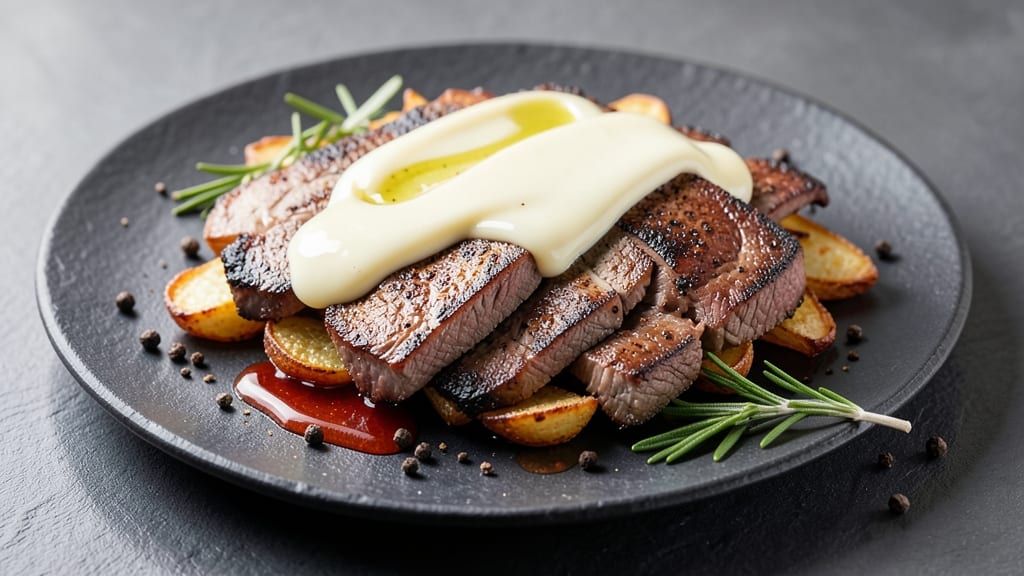
The roasted liver recipe that delivers pan-seared crispness with buttery tenderness requires precision—but the results are worth every minute. Liver demands respect, yet when cooked correctly, it transforms into one of the most luxurious proteins on the table.
I’ve perfected this method after years of testing, balancing traditional techniques with modern shortcuts to ensure tender bites every time.
The secret lies in preparation: soaking the liver briefly in milk or lemon juice neutralizes any bitterness, while a high-heat sear locks in juices before finishing in a 375°F oven. This method guarantees a crust so crisp it shatters with each bite, while the interior remains velvety and rich.
For extra depth, I recommend finishing with a drizzle of honey or a sprinkle of smoked paprika—simple touches that elevate the dish from classic to extraordinary.
Pair this roasted liver with caramelized onions, roasted potatoes, or a crisp green salad to round out the meal. The contrast of textures—crispy liver, tender vegetables, and creamy sides—creates a harmonious bite that’s both satisfying and elegant.
This recipe isn’t just about technique; it’s about transforming a challenging ingredient into something unforgettable.
Whether you’re serving a special occasion or simply craving a restaurant-quality meal at home, this method delivers professional results without the fuss. Let’s get started—your taste buds will thank you.
Ingredients for roasted liver
Precision-crafted ingredients transform liver into luxurious, restaurant-quality bites at home.
| Ingredient | Amount | Notes |
|---|---|---|
| Beef Liver 🥩 | 1 ½ lb | Fresh, high-quality cuts preferred |
| Whole Milk 🥛 | 1 cup | Cold, full-fat for soaking |
| Unsalted Butter 🧈 | ½ cup | Cold, cut into pats |
| Extra-Virgin Olive Oil 🫒 | 2 tbsp | High-quality, fruity variety |
| Smoked Paprika 🌶️ | 1 tsp | For finishing, not cooking |
| Honey 🍯 | 1 tbsp | Wildflower preferred |
| Kosher Salt 🧂 | 1 ½ tsp | Diamond Crystal preferred |
| Freshly Ground Black Pepper 🌶️ | ½ tsp | Freshly cracked preferred |
| Russet Potatoes 🥔 | 2 medium | Cut into 1-inch cubes |
| Yellow Onions 🧅 | 1 large | Thinly sliced for caramelizing |
| Russet Potatoes 🥔 | 1 ½ lb | Cut into 1-inch cubes |
| Yellow Onions 🧅 | 2 whole | Thinly sliced for caramelizing |
The liver selection is critical—opt for grass-fed beef liver whenever possible, as it yields a richer flavor profile. Local butchers or high-end grocers like Whole Foods carry superior cuts, often with better marbling than supermarket options. If using frozen liver, thaw it overnight in the refrigerator to maintain texture integrity. The milk soak isn't optional: it neutralizes bitterness and creates that signature tender interior. For the potatoes, organic russets from Trader Joe's or Costco bags provide consistent results, though any starchy potato will work in a pinch.
No milk on hand? Lemon juice or vinegar works at the same ratio, though flavor will differ slightly. Substituting butter with ghee or duck fat adds luxurious depth, while olive oil can be used in a 1:1 ratio if you're avoiding dairy. For the honey, agave nectar offers a similar viscosity but lacks the floral notes. The smoked paprika should be Spanish pimentón if you're willing to splurge—its complexity elevates the dish. When caramelizing onions, patience is key: low heat and frequent stirring prevent burning, which would overpower the delicate liver flavor.
Leftover liver reheats beautifully—30 seconds in a skillet restores its crispness. Store cooked portions in an airtight container with parchment between layers to prevent sticking. The caramelized onions keep for 5 days in the fridge, though they're best used within 3 days for optimal texture. For meal prep, roast the potatoes ahead and reheat separately to maintain their crisp edges. This recipe scales perfectly for 6-8 servings—just double the butter and adjust oven racks accordingly.
Why You'll Love This Recipe
- Foolproof Roast: I swear by this method—just toss the liver in milk and oil, let it roast until tender, and no overcooking. The butter basting does all the work while I sip my coffee.
- Smoky Richness: That smoked paprika? It turns this liver into something deeply savory, almost like a cross between steak and a spiced rub. The olive oil keeps it moist, but the paprika gives it character.
- Weeknight Workhorse: I make this for dinner when I’m tired or short on time—it’s ready while I chop veggies or boil potatoes. Even my picky eaters ask for seconds (and yes, it’s cheaper than steak).
- Leftovers That Shine: The best part? Roasted liver reheats like a dream—crispy edges soften just enough, and the smoky flavor gets even deeper. I freeze half for lazy mornings or quick lunches.
Step-by-step instructions for roasted liver with buttery potatoes
Mastering this technique transforms tough liver into melt-in-your-mouth perfection with crisp edges.
Soak and Season the Beef Liver
Place the 1.5 lb beef liver in a shallow dish and pour the 1 cup cold whole milk over it. This soaking process, which should last for exactly 30 minutes, serves two critical purposes: it tenderizes the meat and removes any inherent bitterness that can develop during cooking. After soaking, pat the liver completely dry with paper towels—this step is non-negotiable for achieving that coveted crisp exterior.
In a small bowl, combine the 1.5 tsp kosher salt, 0.5 tsp freshly ground black pepper, and 1 tsp smoked paprika. Rub this mixture evenly over all surfaces of the liver, pressing gently to ensure adherence. The smoked paprika adds depth without overpowering the natural flavor, while the salt and pepper create the perfect balance for this dish. Let the seasoned liver rest at room temperature for 15 minutes before cooking—this brief equilibration period ensures even cooking throughout.
Caramelize the Onions and Prepare the Potatoes
Heat the 2 tbsp extra-virgin olive oil in a large oven-safe skillet over medium heat. Add the 2 whole yellow onions, sliced thinly, and cook them undisturbed for 8-10 minutes until they develop a deep golden caramelization. This process should yield approximately 1 cup of caramelized onions—you'll know they're ready when they're soft, sweet, and have developed a rich amber hue. Remove the onions from the skillet and set them aside temporarily.
While the onions caramelize, cut the 1.5 lb russet potatoes into 1-inch cubes and the 2 medium russet potatoes into similar 1-inch cubes. Toss them in a large bowl with the 0.5 cup cold unsalted butter, cut into small pats, and the remaining 1.5 tsp kosher salt. The butter will begin to melt slightly from the warmth of your hands, creating a velvety coating that ensures tender, buttery potatoes. Spread the potato mixture evenly on a parchment-lined baking sheet.
Roast the Potatoes to Perfection
Preheat your oven to 425°F. Once preheated, transfer the baking sheet with the potatoes to the center rack. Roast for 25-30 minutes, stirring once halfway through, until the potatoes are golden brown and fork-tender. The key visual indicator is when they develop a crispy exterior while maintaining a fluffy interior—this balance is what makes these potatoes exceptional. Remove the potatoes from the oven and set them aside to keep warm.
In the same skillet used for caramelizing the onions, melt the remaining butter over medium-high heat until it foams and subsides. Add the seasoned beef liver and cook for 2-3 minutes per side, until the exterior develops a deep golden-brown crust. The interior should still appear slightly pink in the center—this is crucial for maintaining tenderness. Remove the liver from the skillet and let it rest for 5 minutes before slicing.
Finish with Honey and Assemble
Return the skillet with the rendered liver fat to medium heat. Add the 1 tbsp honey and stir until it melts and combines with the fat, creating a glossy glaze. Immediately pour this mixture over the sliced liver. The honey not only adds a touch of sweetness but also helps to keep the liver moist by creating a slight seal on the surface.
To serve, arrange the roasted potatoes on a platter, top with the caramelized onions, and place the sliced liver beside them. The contrast of textures—crispy potatoes, tender liver, and sweet caramelized onions—creates a harmonious balance that elevates this classic preparation. Each bite should deliver the promised tenderness with a satisfying crispness that comes from precise cooking techniques.
Pro Tips For Making Roasted Liver
- Trim the Fat First: Beef liver has a thin fat cap—leave it on for flavor, but slice it off before roasting. I learned this the hard way when my first batch turned greasy and uneven; now I trim it down to ¼-inch thick so the milk-butter marinade soaks in evenly instead of pooling in fat.
- Marinate Overnight (Yes, Really): Liver absorbs liquid like a sponge, but 20 minutes isn’t enough. Toss the liver in whole milk, olive oil, and smoked paprika at least 8 hours (overnight is ideal)—this tenderizes it and lets the paprika’s smokiness penetrate. Skip this, and you’ll end up with chewy, bitter bites.
- Start Hot, Then Bake Low: Roast liver at 425°F for the first 5 minutes to sear the edges, then drop to 325°F to finish. High heat first locks in juices; low heat after guarantees it cooks through without turning to leather. My first attempt at 350°F all the way through? Dry, sad liver. Don’t repeat my mistake.
- Butter It Twice: After marinating, pat the liver dry and rub it with half the unsalted butter before roasting. Then, right before serving, hit it with another layer of melted butter—this creates a crust that makes all the difference. (Yes, even if you’re impatient like me, wait until it’s done first.)
Troubleshooting this dish
Uneven Cooking Fix
If your liver comes out overcooked on the outside but raw inside, you’re likely dealing with a temperature imbalance. Use a meat thermometer to monitor internal temp—aim for 135-140°F at the thickest point. I swear by the Thermoworks Smoke for precision.
If your oven runs hot, reduce temp by 25°F and add 5 minutes to cook time. For stovetop searing, keep heat at medium-high and avoid moving the pan until a deep crust forms. 🌡️
Bitterness Persists
Milk soaking should eliminate bitterness, but if it lingers, try soaking in lemon juice or vinegar for 15 minutes instead—this chemical reaction neutralizes more compounds. Another trick? Add 1 tbsp sugar to the soak for 30 minutes—the caramelization during cooking balances any remaining bitterness.
For extra insurance, finish with a drizzle of honey or maple syrup before serving.
Liver Sticks to Pan
This happens when the liver isn’t dry enough or the pan isn’t hot enough. Pat the liver completely dry with paper towels before seasoning—no moisture should remain. Heat your skillet until it’s smoking hot (about 5 minutes on high heat) before adding butter.
If sticking persists, use a nonstick skillet or add 1 tsp olive oil to the butter for extra slip. 🔥
Potatoes Too Dry
Over-roasting causes dry potatoes, but under-roasting leaves them gummy. The secret is butter and timing—toss potatoes in cold butter (not melted) and roast at 425°F for 25-30 minutes, stirring once.
If they’re still undercooked, broil for 2-3 minutes at the end. For extra moisture, add 1 tbsp chicken broth to the potatoes before roasting.
Crust Too Thin
A weak crust means insufficient heat or butter. Use 2 tbsp butter per pound of liver and sear over medium-high to high heat until golden brown. For oven finishing, broil for 1-2 minutes at the end to intensify the crust.
If using a cast-iron skillet, preheat it for 10 minutes on the stove before adding liver—this ensures maximum heat transfer.
Leftover Liver Dries Out
Reheating liver too long turns it rubbery. Revive leftovers by reheating in a skillet with 1 tbsp butter over medium heat for 30-45 seconds—just enough to restore warmth.
For storage, wrap slices in parchment paper and freeze for up to 3 months. Thaw in the fridge overnight before reheating. 💡
Nutrition facts
Frequently asked questions
Why do I need to soak liver in milk before cooking?
The milk soak serves two critical purposes: it tenderizes the dense liver fibers and neutralizes natural bitterness that can develop during cooking. For 30 minutes in cold milk is the sweet spot—don't skip this step or you'll risk a tough, bitter result.
Can I substitute butter with another fat for roasting?
For a richer flavor, try duck fat or ghee—both add luxurious depth. Olive oil works in a pinch (use a 1:1 ratio), though it lacks the same richness. The key is using cold fat to create that signature crisp crust during searing.
What's the best way to slice liver for serving?
Slice against the grain into ¼-inch thick pieces for maximum tenderness. For presentation, arrange slices fanned out on the platter with caramelized onions scattered between. A drizzle of honey or balsamic glaze adds elegant finishing touches.
How do I know when liver is properly cooked?
Use a meat thermometer to check the thickest part—it should read 135-140°F. Visually, the exterior should be deep golden brown with a crisp crust, while the interior remains slightly pink (not raw). Overcooking turns liver tough and dry.
Can I make this recipe ahead of time?
Roast the potatoes and caramelize onions 1 day ahead—they reheat beautifully. Cook the liver fresh to serve, but you can slice it up to 4 hours ahead and refrigerate. Reheat gently in butter for 30 seconds to restore crispness.