
Snacks
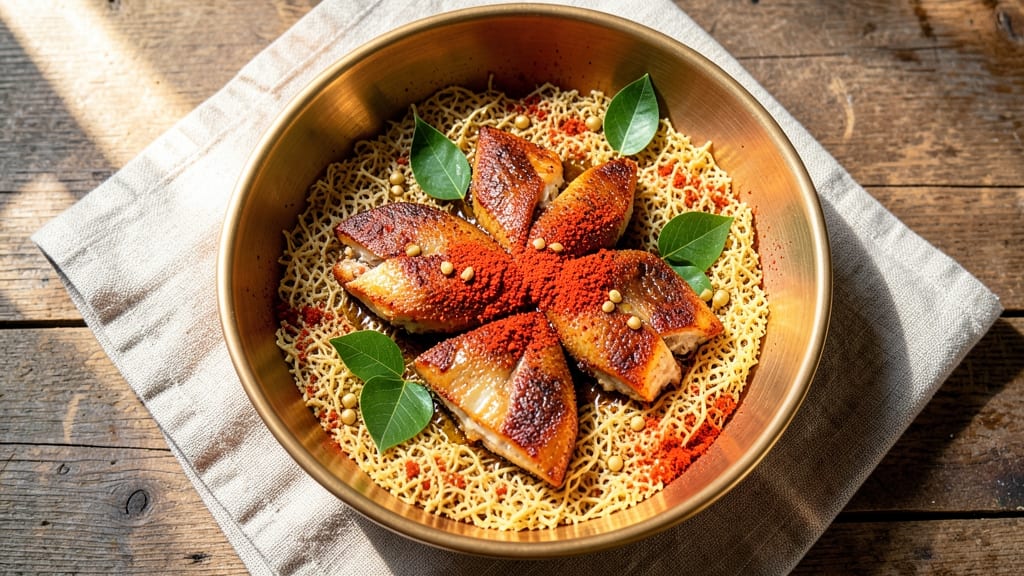
This pudalangai fry recipe delivers the crispy, golden perfection of Tamil Nadu’s beloved street snack—where tender fish transforms into addictively crunchy bites with just the right spiced tang. The secret lies in a precise batter blend and high-heat frying that creates that signature crunch while keeping the inside delicate.
I’ve perfected this technique after years of testing, ensuring every fry emerges with that irresistible contrast of textures and flavors.
The batter combines rice flour, turmeric, and a touch of chili for that signature South Indian tang, while the fish stays moist thanks to a quick marinade in mustard and curry leaves.
Professional-grade crispiness comes from maintaining the right oil temperature—too hot and it burns, too cool and it turns greasy. This method delivers restaurant-quality results at home, with fries that stay crispy even after resting.
Serve these golden bites piping hot with steamed rice and coconut chutney for the full Tamil experience, or pair them with spicy sambar for a complete meal. The aroma alone will draw everyone to the table, and the first bite delivers that perfect balance of spice, crunch, and tender fish.
Let’s bring this classic street food to your kitchen with foolproof techniques and professional-level results.
Fair warning: once you try homemade pudalangai fry, store-bought versions will never compare. The key is patience in batter preparation and precision in frying—both of which I’ll guide you through step by step.
This recipe serves 4 as a snack or 2 as a main dish, making it perfect for gatherings or satisfying cravings any time of day.
Ingredients for pudalangai fry
Eleven essential ingredients transform simple fish into restaurant-quality pudalangai fries.
| Ingredient | Amount | Notes |
|---|---|---|
| Pudalangai Fish (Pearl Spot) 🐟 | 1 ½ lb | Fresh, cut into 1-inch pieces |
| Rice Flour 🍚 | 1 cup | Fine grind for light batter |
| Turmeric Powder 🌶️ | 1 tsp | Bright yellow for color |
| Red Chili Powder 🌶️ | 1 tsp | Adjust for spice preference |
| Salt 🧂 | 1 tsp | Kosher or sea salt |
| Mustard Seeds 🌿 | 1 tsp | Lightly toasted for aroma |
| Curry Leaves 🌿 | 10 whole | Fresh, lightly crushed |
| Asafoetida (Hing) 🌶️ | ¼ tsp | Essential for authentic flavor |
| Vegetable Oil 🫒 | 3 cups | For deep frying, high smoke point |
| Lemon Juice 🍋 | 1 tbsp | Freshly squeezed for brightness |
| Water 💧 | ½ cup | Room temperature for batter |
| Black Pepper Powder 🌶️ | ½ tsp | Freshly ground preferred |
The fish is the foundation—fresh pudalangai is ideal, but pearl spot or pomfret work too. Look for fillets with firm texture and no fishy odor. Local Indian grocery stores often carry it fresh, or ask your fishmonger for a similar firm white fish. Cut into even 1-inch pieces for consistent frying. The batter relies on rice flour for that signature crispiness—avoid all-purpose flour, which makes them dense. Penzeys or local spice shops carry the best turmeric and red chili powder for vibrant color and authentic heat. Asafoetida (hing) is non-negotiable for that unmistakable South Indian aroma—it's available in small tins at Indian markets.
No mustard seeds? Substitute with 1/2 tsp ground mustard, but you'll lose some aroma. Running short on curry leaves? Dried leaves at 1/4 the amount work, though fresh is superior. The batter should be thick but pourable—adjust with water if needed. Vegetable oil is ideal for frying, but peanut or sunflower oil work equally well. For extra crispiness, double-fry the fish: first fry to set the batter, then fry again until golden. The lemon juice isn't just for flavor—it tenderizes the fish slightly, ensuring the inside stays moist despite the crispy exterior.
Maintain oil temperature at 350°F for perfect fries—too hot burns the batter, too cool makes them greasy. Keep fried fries on a wire rack to prevent sogginess. They stay crispy for 20 minutes at room temperature, but best served immediately. Store leftovers in an airtight container for up to 2 days—reheat in a skillet for 2-3 minutes to restore crispiness. For large batches, freeze fried fries on a tray before transferring to a bag—freezes for 1 month without losing texture.
Why You'll Love This Recipe
- No-Fuss Coating: The rice flour batter comes together in seconds—just whisk, dip, and fry. No messy dough or complicated steps, just that perfect light crust every time.
- Tangy Crisp Magic: That turmeric and chili powder blend? It’s what turns ordinary fish into something addictive. The outside stays crispy while the inside stays tender—like a little flavor explosion in your mouth.
- Lunchbox Hero: Pack these for work or school—no soggy sandwiches here. They reheat beautifully (or you can eat them cold) and keep well for days. My kids actually ask for leftovers.
- Budget Win: Pearl spot is affordable, and a single fish stretches for multiple meals. Plus, the spices cost pennies. Honestly, it’s one of those recipes where you get more than you pay for.
Step-by-step instructions for pudalangai fry recipe
Here's how to achieve that perfect balance of crispy exterior and tender interior with authentic South Indian flavors.
Prepare the Spiced Batter
In a mixing bowl, combine the 1 cup rice flour, 1 tsp turmeric powder, 1 tsp red chili powder, 1 tsp salt, 0.5 tsp black pepper powder, 10 whole curry leaves, and 0.25 tsp asafoetida (hing). Mix these dry ingredients thoroughly to ensure even distribution of flavors throughout the batter.
Next, create a well in the center and pour in the 0.5 cup water and 1 tbsp lemon juice. Gradually mix everything together until you achieve a smooth, lump-free batter with a consistency similar to heavy cream. The batter should coat the back of a spoon but still be pourable. If it's too thick, add 1 tsp more water at a time until you reach the right consistency. This batter is the secret to that perfect crispy coating.
Marinate the Fish
In a separate bowl, gently toss the 1.5 lb pudalangai fish (pearl spot) pieces with half of the prepared batter, ensuring each piece is evenly coated. Let the fish marinate for 15 minutes at room temperature. This allows the flavors to penetrate slightly and helps the coating adhere better during frying.
While the fish marinates, lightly toast the 1 tsp mustard seeds in a dry skillet over medium heat until they begin to pop and release their aroma. This takes about 30 seconds. Immediately transfer the toasted mustard seeds to the remaining batter and mix well. The aroma from these seeds will infuse into your final dish, adding depth to the flavor profile.
Deep Fry to Golden Perfection
Heat the 3 cups vegetable oil in a deep frying pan over medium heat until it reaches 350°F. You'll know it's ready when a small piece of batter dropped into the oil sizzles and rises to the surface immediately. Maintain this temperature throughout the frying process for consistent results.
Working in batches to avoid overcrowding, carefully add the marinated fish pieces to the hot oil. Fry for 3-4 minutes per side until they turn a beautiful golden brown color. The fish should be crispy on the outside and still tender inside. Use a slotted spoon to remove the fried fish and place them on a paper towel-lined plate to drain excess oil. Don't be tempted to overcrowd the pan—this will lower the oil temperature and result in greasy rather than crispy fish.
Serve Immediately with Tangy Accompaniments
Serve the crispy pudalangai fry immediately while it's still hot and crispy. The contrast between the crispy exterior and tender fish inside is what makes this dish so special. For best results, serve with a side of tangy coconut chutney or a simple onion salad to complement the spiced flavors.
Each piece should have a perfect golden crust that gives way to flaky, moist fish underneath. The aroma of toasted mustard seeds and the bright tang of lemon juice will make this dish truly unforgettable. Remember, the key to success is maintaining the oil temperature and frying in batches—this ensures every piece achieves that perfect crispy texture.
Pro Tips For Making Pudalangai Fry
- Dry the fish well: Pearl Spot needs to be bone-dry before coating—no wet spots, no exceptions. Pat it with paper towels, then let it air-dry for 10 minutes on a wire rack. I learned this the hard way when my first batch turned into a soggy mess because I rushed the drying. The rice flour coating won’t stick properly if there’s even a hint of moisture.
- Use medium heat for frying: Too hot, and the outside burns before the inside cooks; too low, and you end up with greasy, undercooked fish. Aim for a steady medium heat where the oil shimmers but doesn’t smoke. Test with a small piece of fish—if it sizzles immediately but doesn’t blacken, you’re golden. (Yes, even if you’re impatient like me.)
- Skip the overcrowding: Pudalangai fry needs space to crisp, not a crowded pan. Fry in batches if needed—overcrowding steams the fish instead of frying it, and that’s how you end up with a sad, limp result. A single layer in the pan is non-negotiable for that perfect crunch.
- Mix turmeric with salt first: Combine turmeric and salt into a paste before applying it to the fish. This ensures even distribution and prevents streaks of raw turmeric powder on the surface. My grandmother swore by this, and she was right: the color develops more evenly, and the flavor blends better. (Bonus: It also makes cleanup easier.)
Wine and beer pairings for this recipe
Crispy Beer Pairings
A light lager like Kingfisher (India’s classic) or Sapporo cuts through the richness of the fried fish while complementing the subtle spice notes. The crisp, clean finish balances the oiliness of the fry, making each bite feel refreshing.
I always keep a cold one handy when serving these—it’s a match made in Tamil Nadu’s street food heaven. 🍺
Spiced Wine Options
For a non-alcoholic twist, try ginger-infused sparkling water with a squeeze of lime—it mirrors the tangy brightness of the dish. If you prefer wine, a dry Riesling from Germany offers crisp acidity that stands up to the chili and turmeric.
The slight sweetness in some Rieslings also echoes the lemon in the batter. 🍷
Tangy Chutney Pairing
While not a beverage, serving with coconut chutney (made with grated coconut, green chili, and curry leaves) is essential. The cool, creamy texture contrasts perfectly with the hot, crispy fry.
For an extra kick, add a few drops of tamarind pulp to your chutney—it deepens the tang and ties the flavors together beautifully. 🌶️
Regional Liquor Pairings
In South India, this dish is often paired with neeragaram (a palm wine) or arrack (a strong spirit). For a modern twist, try a citrusy gin like Hendrick’s with a splash of tonic—its floral notes harmonize with the curry leaves and mustard seeds. Serve chilled for the best experience. 💛
Non-Alcoholic Refreshers
For kids or non-drinkers, a mango lassi (yogurt-based drink) with a pinch of cardamom adds a creamy, cooling contrast. The sweetness balances the spice, making it a crowd-pleaser. I’ve even seen street vendors serve it with pudalangai fry in Chennai—it’s a match made for festivals! 🥤
Pro Tip: Temperature Matters
Always serve your pairings ice-cold—whether beer, wine, or chutney—to enhance the crispy texture of the fry. The contrast in temperatures elevates the dish, making each bite feel like a fresh, restaurant-quality experience. Trust me, this small detail makes all the difference! ❄️
Nutrition facts
Frequently asked questions
What makes pudalangai fry different from regular fried fish?
The key lies in the authentic South Indian batter—a blend of rice flour, turmeric, and mustard seeds that creates a signature crispy-yet-tender texture. Unlike basic flour-based coatings, this recipe uses asafoetida (hing) and curry leaves for depth, plus a quick lemon marinade to keep the fish moist. The high-heat frying at 350°F ensures that perfect golden crust while maintaining flakiness inside.
Can I use other white fish instead of pudalangai?
Yes! While pudalangai (pearl spot) is traditional, firm white fish like pomfret, sea bass, or mahi-mahi work beautifully. Avoid delicate fish like tilapia—they'll fall apart during frying. For best results, choose fish with a clean, mild flavor and cut into even 1-inch pieces for consistent cooking. The batter technique remains identical.
Why did my pudalangai fry turn out greasy instead of crispy?
This usually happens when the oil temperature drops below 350°F due to overcrowding. Fry in small batches (2-3 pieces at a time) and maintain the heat by keeping the oil between 350°F-375°F. Also, ensure your batter isn't too wet—it should coat the back of a spoon but still be pourable. A wire rack for draining helps too!
How do I store leftovers without losing crispiness?
Place fried pieces on a wire rack to cool completely, then transfer to an airtight container. They'll stay crispy for 20 minutes at room temperature. For longer storage, refrigerate for up to 2 days—reheat in a skillet for 2-3 minutes to restore crunch. Freezing works too: freeze on a tray first, then bag for 1 month of texture retention.
What's the secret to extra-crispy pudalangai fry?
Double-fry for maximum crunch! First fry at 325°F for 2 minutes to set the batter, then increase heat to 375°F and fry again for 1-2 minutes until golden. Also, use rice flour (not all-purpose) and maintain precise oil temperatures. A paper towel-lined plate during draining prevents sogginess.