
Sauces & Condiments
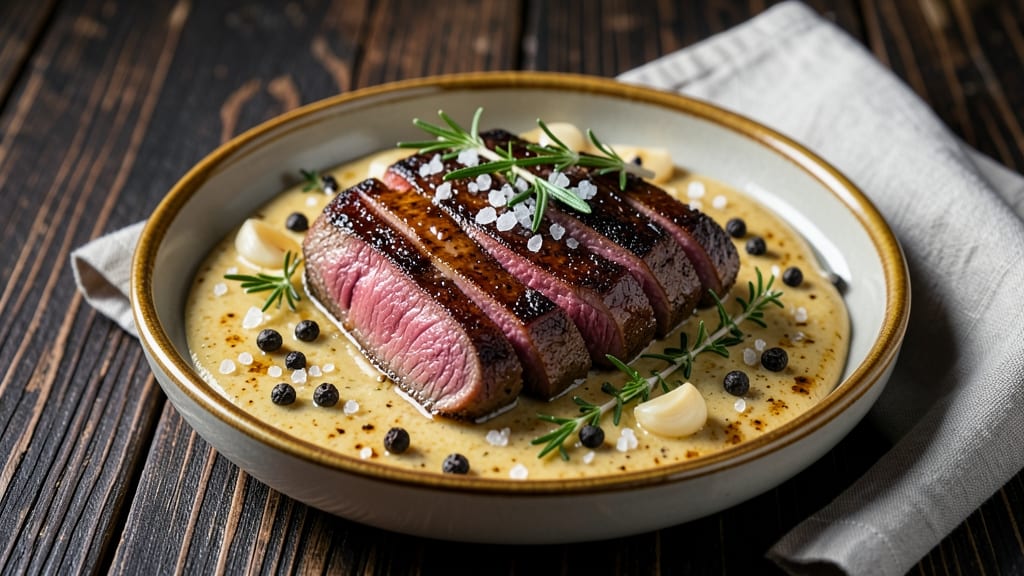
This prime rib paste transforms ordinary roasts into showstopping centerpieces with layers of deep garlic, rosemary, and black pepper that caramelize beautifully during cooking.
The secret lies in blending softened butter with finely minced aromatics until it becomes a velvety, spreadable compound—rich enough to baste or slice thickly onto steaming meat. I developed this after years of testing restaurant-style techniques at home, and it never fails to elevate even the simplest roast.
The beauty of this paste is its versatility—use it to baste prime rib while it roasts for maximum flavor infusion, or slice thick pieces onto the finished meat for dramatic presentation.
The high-fat content ensures it stays stable under heat, while the garlic and herbs infuse deeply into the beef’s surface. Unlike store-bought seasonings, this blend delivers restaurant-quality depth with just a few ingredients and minimal effort.
What you’ll end up with is a paste so flavorful it becomes the star of the meal—its golden crust and aromatic richness making every bite unforgettable. The texture is perfectly balanced: smooth enough to spread but firm enough to hold its shape when sliced.
This isn’t just a topping; it’s the difference between a good roast and one that commands attention at the table.
Store any leftovers in the refrigerator for up to 5 days, or freeze for 3 months—it keeps beautifully and makes an excellent gift for holiday gatherings.
Pair it with roasted potatoes, creamy mashed turnips, or a crisp red wine reduction for a complete prime rib experience. Let’s get started!
Ingredients for prime rib paste
Eight ingredients, restaurant-style flavor—this paste turns prime rib into a showstopper.
| Ingredient | Amount | Notes |
|---|---|---|
| Unsalted Butter 🧈 | ¾ cup | Cold, cut into small cubes |
| Garlic Cloves 🧄 | 8 cloves | Finely minced, skinless |
| Fresh Rosemary 🌿 | ¼ cup | Finely chopped, stems removed |
| Fresh Thyme Leaves 🌿 | 1 tbsp | Finely chopped, stems removed |
| Coarse Black Peppercorns 🌶️ | 2 tbsp | Freshly cracked, not ground |
| Diamond Crystal Kosher Salt 🧂 | 1 ½ tsp | Fine grain preferred |
| Extra-Virgin Olive Oil 🫒 | 1 tbsp | For finishing, high quality |
| Fresh Parsley Leaves 🌿 | 2 tbsp | Finely chopped, for freshness |
The butter is non-negotiable here—European-style unsalted gives the richest, most stable base. Grab a Plugrá or Kerrygold from specialty stores if you can, but regular supermarket brands work fine. Freshness matters: if your butter smells like milk, toss it. The garlic should be plump and firm, not sprouting or soft. For rosemary, look for bright green sprigs at the market—dried works in a pinch but lacks that fresh piney punch. I always buy extra because I use half for this paste and save the rest for roasting potatoes.
No fresh rosemary? Dried at one-third the amount gets you close, but the flavor won't be the same. Short on thyme? Fresh oregano works too, though it's slightly more assertive. Peppercorns must be cracked fresh—pre-ground loses its bite fast. For the parsley, flat-leaf is best (curly gets bitter when finely chopped). The olive oil should be peppery and fruity—none of that mild supermarket stuff. If you're making this ahead, store the paste in the fridge and add the olive oil and parsley just before using to keep everything vibrant.
This paste keeps beautifully—5 days in the fridge sealed in a jar, or 3 months frozen in portion-sized discs. For freezing, spread thin on parchment, chill 1 hour, then slice into rectangles. The butter stays firm, so no need for extra oil. I always double the batch—one for the roast, one to gift. It reheats perfectly in the microwave (20 seconds) or on the stovetop (low heat). The texture becomes slightly softer but still holds its shape when sliced. Perfect for basting or serving as a dramatic garnish.
Why You'll Love This Recipe
- Five-Ingredient Magic: I swear by this—just butter, garlic, rosemary, thyme, and peppercorns. That’s it. No fancy gadgets, no stress, just pure flavor with zero fuss.
- Rich Without Effort: The butter and garlic melt into a velvety paste that clings to meat like a dream. Honestly, it’s the kind of depth you’d pay extra for at a steakhouse, but I make it in 10 minutes.
- Holiday or Weeknight: Slather it on prime rib for Thanksgiving or toss it on chicken thighs for Tuesday. Between us, it’s my go-to for anything that needs that "I put in work" taste—no one ever questions the effort.
- Leftovers That Shine: Make a big batch—this stuff keeps for weeks in the fridge. I’ve used it to jazz up mashed potatoes, roasted veggies, even scrambled eggs. (Yes, even on a Tuesday.)
Step-by-step instructions for prime rib paste recipe
This rich garlic-herb blend transforms ordinary prime rib into a showstopper with layers of flavor.
Prepare the Base with Cold Butter
Place the 0.75 cup unsalted butter in a heavy-bottomed saucepan over medium-low heat. Let it melt completely, stirring occasionally until it becomes a smooth, liquid consistency. This gentle heat prevents burning while allowing the butter to fully incorporate. Once fully melted, remove the pan from heat and let it cool slightly—you want it warm but not hot when you add the aromatics.
I like to work quickly here because cold butter solidifies the paste, but too much heat will make the garlic burn before it infuses. The butter should be just warm to the touch, around 120°F, before proceeding. This temperature ensures the garlic cooks gently rather than frying.
Infuse with Garlic and Fresh Herbs
Add the 8 cloves finely minced garlic to the warm butter and stir continuously for 1-2 minutes until the garlic becomes fragrant but doesn't brown. The moment it turns golden, remove the pan from heat immediately—burnt garlic will dominate the flavor and ruin your paste. You're aiming for a pale, translucent color with an intense aroma.
Next, stir in the 0.25 cup finely chopped fresh rosemary and 1 tbsp finely chopped fresh thyme leaves, reducing heat to low. Let the mixture simmer gently for 5-7 minutes, stirring occasionally, until the herbs soften and their oils release into the butter. You'll notice the mixture darkening slightly and developing a rich, earthy aroma—this is when the magic happens. The herbs should be completely wilted but not crisp, indicating they've released their full flavor.
Season and Finish with Pepper and Salt
While the herbs infuse, use a mortar and pestle to crack the 2 tbsp coarse black peppercorns into a coarse powder—this preserves their bright, piquant flavor better than pre-ground pepper. Add the cracked pepper to the butter mixture along with the 1.5 tsp fine-grain kosher salt, stirring constantly for 2-3 minutes over low heat until fully combined.
Here's the thing—don't rush this step. The salt needs time to dissolve completely into the butter, and the pepper should be evenly distributed. Taste the mixture now—it should be bold, aromatic, and balanced between the herbal notes and pepper's heat. If it needs more salt, add it gradually; you can always adjust later, but you can't remove excess salt.
Finish with Olive Oil and Parsley
Remove the pan from heat and let the mixture cool to room temperature, stirring occasionally to prevent a skin from forming. Once cool, drizzle in the 1 tbsp extra-virgin olive oil and stir until fully incorporated. The oil adds a silky texture and helps the paste spread more evenly on the meat.
Finally, fold in the 2 tbsp finely chopped fresh parsley leaves by hand using a silicone spatula. The parsley brightens the deep, earthy flavors of the rosemary and thyme, adding a fresh finish. Transfer the paste to a clean jar and let it chill in the refrigerator for at least 1 hour before using—this allows all the flavors to meld completely. The paste will firm up slightly in the fridge, making it easier to spread on the prime rib.
Pro Tips For Making Prime Rib Paste
- Toast the Aromatics First: Heat your butter in a pan until it foams and smells nutty—about 2 minutes on medium. This draws out the garlic’s sweetness and deepens the rosemary’s piney notes before you even add them. I used to skip this, and the paste always tasted flat.
- Smash the Garlic Cloves: Use the flat side of your knife to crush the garlic cloves into a paste before adding them to the butter. This releases more flavor than mincing, and the texture blends smoother into the paste. (Yes, it looks like overkill, but trust me.)
- Don’t Overcrowd the Herbs: Add thyme leaves and rosemary sprigs one at a time, letting each infuse the butter for 30 seconds before adding more. Too many at once steams them instead of toasting, and you’ll end up with a dull, herbal soup instead of a rich paste.
- Pulse the Peppercorns: Lightly crush the coarse black peppercorns in a mortar or with a rolling pin before mixing them in. This distributes their heat and aroma more evenly—no more finding random pepper shards in your bite. (I learned this after a very confused dinner guest.)
Troubleshooting great prime rib paste
Butter Overheating
If your butter starts browning or smells nutty before the aromatics are added, you’ve gone too far. Remove the pan immediately and let it cool slightly—burnt butter ruins the delicate balance of flavors. I’ve learned the hard way: medium-low heat is key, and 120°F is the sweet spot.
Work in stages if needed: melt half the butter, add aromatics, then melt the rest later. This keeps everything fresh and prevents bitterness. 🌡️
Garlic Burning
Garlic turns from fragrant to bitter in seconds—watch it like a hawk! Once it hits a pale golden color, remove the pan from heat. If you miss the window, strain out the burnt pieces and start fresh.
For extra insurance, I like to add the garlic to the warm (not hot) butter and stir constantly. A food thermometer helps—keep temps below 160°F to avoid burning. Freshly minced garlic also cooks faster than pre-minced.
Herbs Not Infusing
If your rosemary and thyme retain their bright green color after 5-7 minutes of simmering, they’re not releasing their oils. This usually means the heat was too low. Increase to low-medium and stir more aggressively to break down the herb fibers.
A quick fix: finely chop the herbs even smaller—they’ll infuse faster. I’ve also found that using fresh sprigs (lightly bruised with a rolling pin) releases more flavor than pre-chopped store-bought herbs.
Paste Too Soft
A paste that’s too runny or greasy likely sat too long at room temperature or was over-stirred. Chill it for 30 minutes before using—this firms up the butter. If it’s still too soft, add 1 tbsp cold butter and mix until smooth.
For a firmer texture, spread the paste thinly on parchment, chill for 1 hour, then slice into rectangles. This works perfectly for freezing or gifting. ❄️
Uneven Seasoning
If your paste tastes bland or overly salty, the salt and pepper weren’t fully incorporated. Stir constantly over low heat for 2-3 minutes to dissolve the salt completely. For pepper, crack fresh coarse peppercorns—pre-ground loses potency fast.
Taste as you go: adjust gradually. I like to add a pinch of smoked paprika (just ¼ tsp) if the paste needs depth without extra salt.
Storage Issues
If your paste develops a strange odor or mold after refrigeration, it’s past its prime. Always store it in an airtight container and use within 5 days. For freezing, portion into 1-inch discs on parchment, freeze solid, then transfer to a bag.
Thaw in the fridge overnight—never microwave directly. If the texture seems oily after thawing, mix in 1 tbsp cold butter to restore consistency. 💡
Nutrition facts
Frequently asked questions
Can I make this paste without fresh herbs?
Yes, but the flavor will be less vibrant. Use 1 tsp dried rosemary and ½ tsp dried thyme (one-third the fresh amount) for a close substitute. For extra depth, add ½ tsp smoked paprika to mimic the herbal complexity. Fresh herbs release more aroma and oils, so dried versions work best when finely ground.
How should I store leftovers?
Keep any unused paste in an airtight container in the fridge for up to 5 days. For longer storage, freeze in 1-inch discs on parchment, then transfer to a bag. Thaw overnight in the fridge—never microwave directly. The texture may soften slightly but remains spreadable when chilled again.
Can I use this paste on other meats?
This rich blend works beautifully on steaks, chops, or even roasted vegetables. For poultry, reduce the pepper slightly (1 tbsp) to avoid overpowering delicate flavors. The high-fat butter base makes it ideal for basting or spreading on grilled meats during the last 10 minutes of cooking.
Why does my paste separate or look oily?
This happens when butter melts too much or the paste sits at room temperature too long. Chill the mixture for 30 minutes to firm up. For a firmer texture, add 1 tbsp cold butter and mix until smooth. If storing, keep it refrigerated—never leave it out for more than 2 hours.
How can I make this paste ahead of time?
Prepare the paste up to 2 days in advance and store it in the fridge. For best results, add the olive oil and parsley just before using to keep them fresh. Freeze portions in 1-inch discs for up to 3 months. Thaw in the fridge overnight—it reheats perfectly in the microwave (20 seconds) or on the stovetop (low heat).