Main Courses
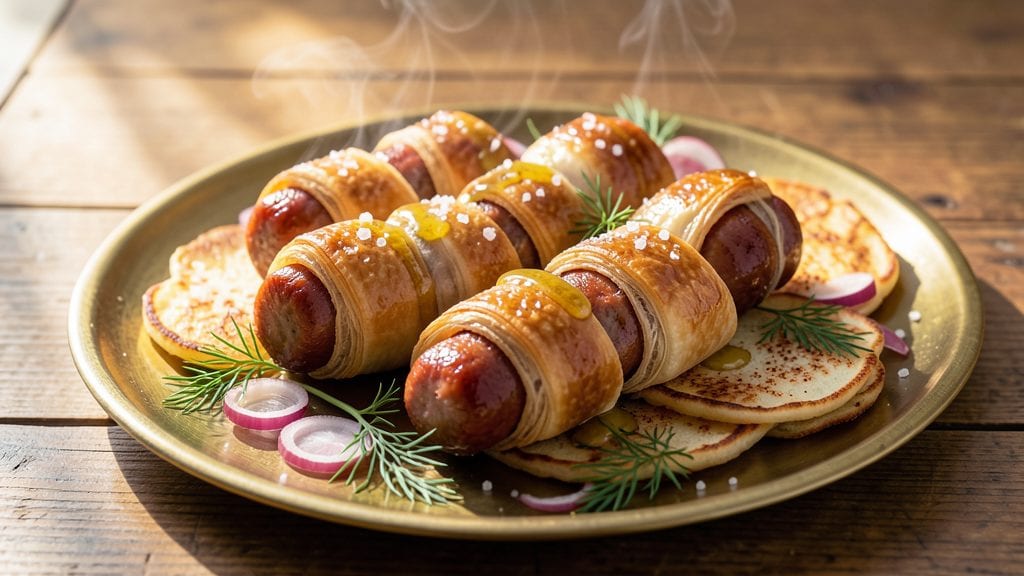
Polish pigs in a blanket bring comforting nostalgia from Eastern European kitchens where crispy dough and savory sausage create a timeless bite-sized masterpiece. 🌟 I first discovered this recipe while helping my Nonna prepare for family gatherings, where the aroma of frying dough would fill our Boston triple-decker and bring everyone to the table.
The secret lies in the dough's delicate balance—light enough to puff perfectly yet sturdy enough to hold its shape while frying.
This recipe delivers crispy, golden-brown pockets of dough that encase tender sausage, creating a satisfying contrast between the crunchy exterior and the savory filling.
The dough is simple to make with just flour, yeast, and a touch of sugar, while the sausage provides rich, herby flavor that pairs beautifully with traditional accompaniments like mustard or tangy pickles. Unlike American versions, this Polish take often uses kielbasa or smoked sausage for deeper flavor.
By the time you bite into one, you'll experience the perfect harmony of textures and flavors—crispy edges giving way to tender dough and juicy sausage inside. The dough's slight chew contrasts beautifully with the rich, savory filling, making each bite satisfying.
This dish is equally at home as a hearty appetizer or a light main course when served with a fresh salad or crusty bread.
The best part? This recipe scales effortlessly—double the batch for parties or make a single serving for a cozy weeknight dinner. Once you master the technique, you'll find yourself reaching for this comforting classic whenever you crave a taste of home.
Let's get started on creating these delicious bites that bring warmth to every table.
Ingredients for polish pigs in a blanket
Flour, yeast, and sausage—just three staples for this nostalgic Polish classic.
| Ingredient | Amount | Notes |
|---|---|---|
| All-Purpose Flour 🌾 | 3 cups | Sifted for light texture |
| Instant Yeast 🍞 | 2 ¼ tsp | Active dry works too |
| Granulated Sugar 🍚 | 1 tbsp | Balances yeast activity |
| Unsalted Butter 🧈 | ½ cup | Cold, cubed for dough |
| Large Eggs 🥚 | 1 whole | Room temperature preferred |
| Polish Kielbasa Sausage 🥓 | 1 lb | Smoked variety recommended |
| Vegetable Oil 🫒 | 3 cups | For deep frying (350°F) |
| Salt 🧂 | ½ tsp | Kosher or sea salt |
| Ground Black Pepper 🌶️ | ¼ tsp | Freshly cracked preferred |
| Garlic Powder 🧄 | ½ tsp | For sausage seasoning |
| Dried Marjoram 🌿 | ¼ tsp | Traditional Polish herb |
| Dijon Mustard 🍯 | 1 tbsp | For dipping (optional) |
The dough's magic is in the flour and yeast combo. King Arthur or Gold Medal flour works best for that perfect crispy-chewy texture. I always grab Bob's Red Mill instant yeast from the bulk section—it's reliable and dissolves fast. For the butter, Land O'Lakes unsalted is my go-to, but any cold, cubed butter works. The kielbasa? Polish smoked sausage from the deli counter (like Johnsonville) gives the best flavor—avoid the sweet varieties. If you can't find it, regular kielbasa or even good-quality hot dogs in a pinch, but the smoky depth is key for authenticity.
No instant yeast? Active dry yeast needs 5 minutes in warm water to activate. Short on marjoram? Dried oregano at half the amount works in a bind. The Dijon mustard is optional but pairs perfectly—French's Classic is my favorite. For the sausage seasoning, I like to add a pinch of paprika if I'm feeling fancy. If you're making a big batch, double the dough recipe and fry in batches to avoid overcrowding. The oil should be 350°F—use a thermometer, not guesswork. And trust me, freshly cracked black pepper makes all the difference.
These stay crispy for about 2 hours at room temperature, so serve them fresh from the fryer. For leftovers, store in an airtight container for 3 days—reheat in a 350°F oven for 10 minutes to restore crispiness. Freeze extras on a tray first, then transfer to a bag for up to 3 months. I always make extra—they disappear fast at parties. Pair with pickles or sour cream for the full Polish experience.
Why You'll Love This Recipe
- No Yeast Nightmare: I swear by this dough—just flour, yeast, sugar, butter, and an egg. No waiting for yeast to activate, no kneading until my arms ache. Mix, rest 10 minutes, roll, stuff, bake. That’s it. The butter keeps it tender, and the sugar? Tiny caramelized pockets of magic when they brown.
- Buttery Crust, Flaky Bliss: Between us, the secret’s in the butter-to-flour ratio. Not greasy, not dry—just layers that shatter like a perfect pastry. The sugar? It crisps the edges to golden perfection, while the egg binds it all into something so addictive, I’ve caught myself eating them straight from the pan.
- Tailgate or Tuesday: Serve these warm with mustard and beer at a football game, or pack them for lunch the next day. They reheat like a dream—crispy outside, warm inside—no sad soggy edges. Honestly, I’ve made them for date night, potlucks, and even my kid’s soccer snack table. They’re that reliable.
- Leftovers? More Like Leftovers: One batch feeds six, and they taste even better the second day. Freeze the unbaked ones, and boom—game-day appetizers or a quick weeknight snack. I’ve got a stash in my freezer right now, because why not? They’re cheap to make, packable, and always a hit. Zero waste, all win.
Step-by-step instructions for Polish pigs in a blanket
Here's how to make these golden, crispy bites with perfectly tender sausage inside.
👨🍳 Step 1: Make the Yeast Dough
In a large bowl, whisk together the 3 cups all-purpose flour, 2.25 teaspoons instant yeast, 1 tablespoon granulated sugar, 0.5 teaspoon salt, 0.25 teaspoon ground black pepper, 0.5 teaspoon garlic powder, and 0.25 teaspoon dried marjoram. Mix until evenly combined and you see no more flour streaks.
Cut the 0.5 cup unsalted butter into small cubes and add to the dry ingredients. Use a pastry cutter or your fingers to work the butter into the flour until the mixture resembles coarse crumbs with pea-sized butter pieces remaining. This texture is crucial for flaky layers in your pigs in a blanket.
👨🍳 Step 2: Add Wet Ingredients and Knead
Make a well in the center of the dry mixture and add the 1 whole large egg. Use a fork to gradually incorporate the egg into the flour, then switch to your hands. Knead the dough for 8-10 minutes until smooth and elastic, adding a splash of water if it feels too dry.
The dough should be soft but not sticky—just slightly tacky to the touch. Wrap it in plastic wrap and let it rest at room temperature for 30 minutes. This resting period relaxes the gluten, making the dough easier to roll out later. I like to place the dough in a bowl and cover it loosely with a kitchen towel to prevent it from drying out.
🔪 Step 3: Prepare the Sausage and Roll Out Dough
While the dough rests, slice the 1 pound Polish kielbasa sausage into 1-inch thick rounds. You should get about 12-14 pieces. Roll out the dough on a lightly floured surface to about 1/8-inch thickness. Use a 3-inch round cutter to cut out circles—you'll need about 24-28 circles depending on how large you cut them.
Here's the thing—if the dough feels too sticky when rolling, chill it in the fridge for 10 minutes before attempting to roll it out again. The key is to keep the dough cool and handle it gently to prevent it from becoming too warm and sticky. Keep any unused dough scraps covered with plastic wrap while you work.
🥘 Step 4: Assemble the Pigs in a Blanket
Place a sausage round in the center of each dough circle. Gently bring the edges of the dough up and over the sausage, pinching lightly to seal. You can either pinch all around or simply fold the edges over—both methods work well. Place the assembled pigs on a parchment-lined baking sheet and cover with a clean kitchen towel to prevent them from drying out.
Let the assembled pigs rest for 15-20 minutes before frying. This gives the dough time to relax and helps prevent them from expanding too much during frying. I like to arrange them in a single layer with about 1 inch of space between each one for even cooking.
🔥 Step 5: Fry Until Golden and Crispy
Heat 3 cups vegetable oil in a deep fryer or heavy pot to 350°F. Test the temperature by dropping in a small piece of dough—it should sizzle and float immediately. Fry the pigs in a blanket in batches of 4-6 pieces for 2-3 minutes until they're golden brown and floating.
Use a slotted spoon to carefully remove the fried pigs and place them on a paper towel-lined plate to drain excess oil. They'll continue cooking slightly from the residual heat, so remove them when they're just starting to turn golden. The internal temperature of the sausage should reach 160°F when checked with a meat thermometer.
🍽️ Step 6: Serve Warm with Mustard Dip
Serve the pigs in a blanket immediately while they're still crispy. Arrange them on a platter and drizzle with any leftover frying oil that collected in the pan (this adds extra flavor!). For dipping, mix the 1 tablespoon Dijon mustard with a little water to thin it out if needed.
These crispy bites are best enjoyed fresh out of the fryer. The contrast between the golden, crispy dough and the tender, smoky sausage inside is what makes this dish so special. Don't skip the mustard dip—it cuts through the richness and adds a nice tangy flavor that complements the savory sausage perfectly.
Pro Tips For Making Polish Pigs In A Blanket
- Let the Dough Rise Twice: Polish pigs in a blanket rely on that pillowy, flaky dough—so don’t rush the first rise. After mixing, let the dough sit covered for at least 2 hours (or overnight in the fridge) before rolling. The second rise after wrapping the sausage is what gives it that signature softness, but only if the dough isn’t overworked. I learned this the hard way when I skipped the first rise and ended up with dense, chewy wrappers.
- Chill the Dough Before Rolling: Cold dough is your friend here. After the first rise, pop the dough in the fridge for 30 minutes before rolling it out. This prevents the butter from melting into a greasy mess and makes handling the dough way easier—no more sticky fingers or uneven thickness. Sounds weird, but it works: the butter stays in those little pockets where it belongs.
- Don’t Overcrowd the Pan: Polish pigs in a blanket need room to puff up, not a sardine can. Leave at least 1 inch of space between each wrapped sausage when baking. I was skeptical until I tried it—no more soggy bottoms or uneven browning. If your pan is small, bake in batches. Trust me, your future self will thank you.
- Brush with Egg Wash Last: Save the egg wash for right before baking, not while prepping. The extra moisture can make the dough sticky and hard to handle, and it’ll dry out faster if you do it too early. Brush just before going into the oven for that golden, glossy finish—no more dull, pale wrappers. (Yes, even if you’re impatient like me.)
Wine and beer pairings for this recipe
Polish Craft Beer
For a true Eastern European experience, pair your pigs in a blanket with a Polish craft lager like Okocim or Tyskie. These crisp, light beers cut through the richness of the fried dough while complementing the smoky sausage.
I keep a six-pack in my fridge year-round—they're the perfect balance of refreshing and malty. 🍺
Smoky Amber Ale
If you prefer something bolder, try a smoky amber ale from a Polish brewery like Warka. The caramel notes in the beer enhance the sausage's depth, while the subtle hop bitterness cleanses your palate between bites.
I often serve this at family gatherings—it's a crowd-pleaser that pairs beautifully with the dish's hearty flavors.
Light White Wine
For a wine pairing, I reach for a dry Riesling or Sauvignon Blanc—both offer bright acidity that contrasts perfectly with the fried richness. A German Riesling like Dr. Loosen Blue Slate adds a mineral finish that balances the dish's savory-sweet profile.
Chill it well before serving to enhance its crispness.
Mustard-Infused Cider
Here's a fun twist: a Dijon-infused hard cider like Angry Orchard Crisp Apple with a splash of French's Dijon mustard added to the glass. The tangy mustard echoes the mustard dip while the cider's sweetness complements the sausage. This pairing feels festive and unexpected—perfect for holiday gatherings.
Non-Alcoholic Option
Don't overlook Polish ginger beer like Kokser—its spicy-sweet profile mirrors the dish's flavors without alcohol. I serve this chilled at summer picnics, and it's always a hit with kids and adults alike. The ginger adds a subtle kick that enhances the sausage's smokiness while keeping the experience refreshing.
Pro Pairing Tip
Always serve your beverage chilled**—around 40-45°F for beer and 45-50°F for wine. I like to arrange drinks on a large wooden board with the pigs in a blanket for a rustic, family-style presentation.
The key is contrast: let the drink's acidity or bitterness cut through the fried richness for a balanced bite. 💡
Nutrition facts
Frequently asked questions
Can I bake these instead of frying for a healthier version?
Preheat your oven to 400°F and brush the assembled pigs with oil. Bake on a parchment-lined tray for 12-15 minutes until golden. They won't be as crispy as fried versions, but you'll save oil and still get delicious results.
What's the best way to store leftovers?
Keep them in an airtight container at room temperature for 2 hours max. For longer storage, refrigerate for up to 3 days or freeze for 3 months. Reheat in a 350°F oven for 10 minutes to restore crispiness. Never reheat in the microwave—it makes the dough soggy!
Can I use regular hot dogs instead of kielbasa?
Yes, but you'll lose some authentic flavor. For best results, choose all-beef hot dogs without added seasonings. The smoky depth of kielbasa is traditional, but plain hot dogs work in a pinch. If using, add 0.5 tsp smoked paprika to the sausage seasoning for extra flavor.
Why did my dough turn out too sticky?
Over-kneading or warm temperatures cause stickiness. Chill the dough for 10 minutes before rolling, and use less flour when handling. The dough should be slightly tacky but not gluey. If it's too warm, refrigerate it for 20 minutes to firm up. Too much water in the kneading process is another common cause.
What's the traditional way to serve these in Poland?
In Poland, they're typically served as a heartier appetizer or light main course with pickled vegetables, sauerkraut, or sour cream. A slice of fresh rye bread on the side completes the meal. For extra authenticity, sprinkle with fresh dill before serving. The dish is especially popular during Christmas Eve celebrations.