
Sauces & Condiments
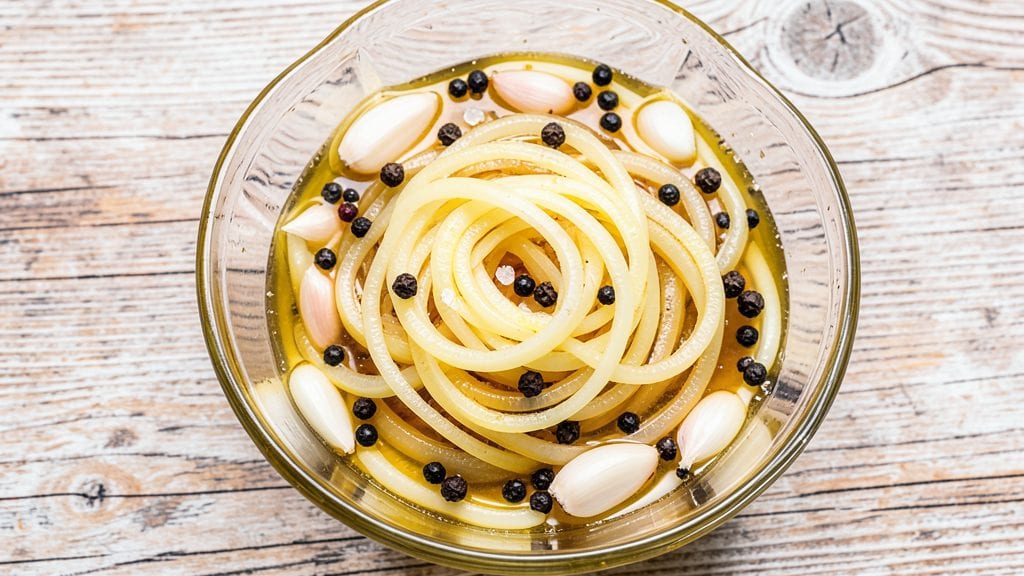
This no-sugar pickled onion recipe delivers bright, tangy crunch in just 10 minutes—no artificial sweeteners or preservatives needed. The secret lies in a simple vinegar and water brine with natural spices that preserve while enhancing flavor.
I developed this version after realizing how often sugar-heavy pickles masked the true taste of onions, leaving me craving something cleaner and more vibrant.
The beauty of this method is its versatility—no fermentation required, just a quick soak that transforms raw onions into crisp, tangy bites perfect for topping burgers, tacos, or salads. Salt and garlic act as natural preservatives, while black pepper and mustard seeds add subtle depth without overpowering.
What you’ll end up with is a jar of onions that stay crisp for days, their sharp bite softened just enough to balance rich, savory dishes.
Storage is effortless: simply refrigerate in an airtight container for up to 2 weeks, though they’ll disappear long before then. The onions maintain their crunch and bright flavor, making them ideal for meal prep or last-minute garnishes.
This recipe proves you don’t need sugar to create pickles that pack a punch—just the right balance of acid, salt, and time.
Use them on everything from loaded fries to charcuterie boards, or even as a tangy addition to sandwiches and soups. The possibilities are endless, and the process couldn’t be simpler. Let’s get started!
Ingredients for pickled onion recipe no sugar
Bright, tangy crunch comes from just eight simple ingredients—no sugar needed.
| Ingredient | Amount | Notes |
|---|---|---|
| Yellow Onions 🧅 | 2 large | Thinly sliced into rings |
| White Vinegar 💧 | 2 cups | Distilled or apple cider preferred |
| Water 💧 | 1 cup | Filtered or bottled preferred |
| Diamond Crystal Kosher Salt 🧂 | 1 ½ tbsp | Not iodized table salt |
| Garlic Cloves 🧄 | 4 cloves | Smashed for infusion |
| Black Peppercorns 🌶️ | 1 tsp | Crushed lightly |
| Mustard Seeds 🌿 | ½ tsp | Whole or ground |
| Fresh Dill Sprigs 🌿 | 2 sprigs | For subtle herbal note |
The onions are the star, so grab sweet, firm yellow onions—the kind that slice crisply. Whole Foods or local farmers markets often carry the freshest, but your grocery store's produce section works fine. Thin slices are key here—about 1/8-inch thick—so take your time. The vinegar matters too: apple cider vinegar adds subtle sweetness, while plain white vinegar keeps it sharp. I always buy the 5-gallon jugs from Costco when I'm doing a big batch, but a small bottle works for testing. The garlic should be plump and firm, not sprouting or soft.
No fresh dill? Dried dill at one-third the amount works in a pinch, though fresh has more aroma. Short on mustard seeds? Celery seeds are a great swap—they bring a similar earthy depth. The black peppercorns can be omitted if you're sensitive to heat, but I love the little kick they add. Want extra crunch? Add 1 tbsp of sliced jalapeños to the jar. The brine ratio is flexible—if you prefer tangier pickles, use 2.5 cups vinegar and 0.5 cup water. For milder flavor, reverse the ratio. The onions will stay crisp for up to 2 weeks if you pack them tightly in the jar.
This keeps beautifully in the fridge—honestly, they'll disappear faster than the 2-week shelf life allows. I portion mine into small mason jars so I can grab just what I need for tacos or burgers. The flavor actually improves after 24 hours of soaking, so if you can wait, do it. Freezing isn't recommended since the texture turns mushy, but you can store them in the fridge for months if you're really organized. The best part? You can make a big batch and use them all week without any artificial junk.
Why You'll Love This Recipe
- No Sugar, No Stress: I swear by this—just vinegar, salt, and garlic. No measuring cups, no sugar crashes, and zero guilt. The sharpness cuts through anything, and honestly? It’s the kind of simple that makes me feel like I’ve actually cooked.
- Crispy-Garlicky Magic: That first bite of the onions—still crisp, with a garlicky punch? It’s the kind of flavor that lingers just right. The vinegar mellows out the onion’s bite while the garlic cloves add depth. I’ll be real: I’ve eaten these straight from the jar. (Don’t judge.)
- Pantry Staple Power: Between us, this recipe uses things you already own. No fancy ingredients, no last-minute grocery runs. I’ve tossed these onto burgers, stirred them into tacos, and even dumped them over grilled chicken. It’s the ultimate “I’ve got nothing but this” fix.
- Months of Leftovers: Make a big batch and thank me later. These keep for months—yes, really—and taste better as they sit. I’ve got jars in my fridge from last summer’s batch, and they’re still perfect. Budget win? Absolutely. Time win? Even better.
Instructions for quick, sugar-free pickled onions
Here's how to make tangy, crunchy pickled onions in minutes using just vinegar and spices.
Prep and Sterilize the Onions
Slice the 2 large yellow onions into thin rings—about ⅛-inch thick. I like to use a sharp chef's knife and work in batches to avoid overcrowding. As you slice, transfer the onion rings to a large bowl immediately to prevent browning. The fresher the onions, the crisper they'll stay after pickling.
While you work, prepare a clean quart-sized mason jar with its lid. Run hot water over both the jar and lid for about 30 seconds to sterilize them. This prevents any unwanted bacteria from spoiling your pickled onions later. Let them air-dry completely before proceeding—any moisture left on the glass could dilute your brine.
Create the Flavor-Packed Brine
In a medium saucepan, combine the 2 cups white vinegar and 1 cup water. Bring to a gentle simmer over medium heat—you're not boiling, just creating enough heat to dissolve the salt completely. Add the 1.5 tablespoons diamond crystal kosher salt, stirring until fully dissolved. The mixture should look completely clear with no graininess.
While the brine heats, lightly crush the 4 garlic cloves with the flat side of your knife—just enough to release their aroma without turning them into paste. Add them to the saucepan along with the 1 teaspoon black peppercorns and 0.5 teaspoon mustard seeds. Let this mixture simmer for exactly 3 minutes to infuse all the flavors. Remove from heat immediately after—you don't want to cook the spices.
Assemble and Pack the Onions
Using a slotted spoon, carefully transfer the onion rings to the sterilized mason jar, packing them down gently but firmly. You want them to fit snugly but not so tightly that they can't absorb the brine. Leave about 1 inch of headspace at the top of the jar—this prevents the onions from floating and ensures they stay submerged in the liquid.
Pour the warm spiced brine over the onions until they're completely covered. The liquid should reach about ½ inch above the onion rings. Add the 2 sprigs fresh dill sprigs to the jar, pressing them down slightly to help hold the onions in place. The dill will add a bright herbal note that balances the vinegar's sharpness.
Seal and Rest for Maximum Flavor
Place the lid on the jar and tighten it securely. Let the jar cool to room temperature completely—this usually takes about 30 minutes. Once cooled, transfer the jar to the refrigerator and let it sit for at least 4 hours before using. This resting period allows all the flavors to meld together perfectly.
For best results, use these pickled onions within 1 week. The flavor will continue to develop over time, but after about 10 days, they'll start to soften. Store them in the fridge, and they'll keep their crisp texture and bright flavor for up to 2 months. The onions will be ready to use as soon as they're fully submerged in the tangy, aromatic liquid.
Pro Tips For Making Pickled Onion Recipe No Sugar
- USE THIN, EVEN SLICES: Grab a sharp knife and cut onions into ⅛-inch slices—no thicker, no thinner. I learned this the hard way; uneven slices mean some stay crunchy while others turn mushy. A mandoline helps if you’re impatient, but a steady hand works too.
- SALT THE WATER FIRST: Dissolve all the kosher salt in the water before adding vinegar—this guarantees even distribution. I used to add it later and ended up with salty bits at the bottom. Stir it in until fully dissolved, then add vinegar last.
- CHILL BEFORE SERVING: Let the pickled onions sit in the fridge for at least 4 hours, but overnight is better. Rushing it means they’ll taste sharp and underdeveloped. The longer they steep, the milder and more complex the flavor gets.
- SKIP THE GARLIC IF IT’S BITTER: If your garlic cloves have green shoots or a sharp bite, peel and soak them in cold water for 10 minutes first. This mellows out the harshness—no need to waste good vinegar on overpowering flavor. (Yes, even if you’re in a hurry.)
Perfect pairings for this pickled onion recipe no sugar
Burger Topping Essentials
These pickled onions transform any burger into a masterpiece. I love them on smash burgers with blue cheese crumbles and caramelized onions—the tang cuts through the richness perfectly. For a beef patty, use about 2 tablespoons per burger, layered between the bun and patty.
For chicken or turkey burgers, add them directly on top to balance the milder meat. 🍔
Taco & Nacho Game-Changer
Add these to your taco bar for instant brightness. I sprinkle about 1 tablespoon over each hard taco or crispy tortilla chips before adding cheese. They also elevate queso dip—just mix 1 cup pickled onions into 2 cups melted Monterey Jack with a pinch of chipotle powder.
The acidity keeps the cheese from getting too heavy. 🌮
Salad & Sandwich Upgrades
Toss them into Caesar salads for a vinegar-forward twist that replaces croutons. I also add them to Reuben sandwiches between the layers of corned beef and Swiss cheese—the tang balances the sauerkraut beautifully. For BLTs, they replace pickles and add a fresh, herbal note. 🥗
Dip & Spread Pairings
Mix ½ cup pickled onions into ranch or blue cheese dressing for a zesty kick. I also blend them into aioli by adding ¼ cup chopped onions to ½ cup mayo with 1 minced garlic clove and 1 tsp lemon juice.
This works perfectly with fried fish or chicken tenders. 🍳
Global Flavor Boosters
Use them in Indian curries—stir 2 tbsp into butter chicken sauce just before serving. They also brighten Vietnamese pho by adding 1 tbsp to the broth. For Mexican pozole, they replace radishes and add a sharp contrast to the hominy and pork. 🌍
Cheese Board Must-Have
Arrange them alongside aged cheddar, brie, and provolone on a charcuterie board. The acidity cuts through the richness, and the crunch adds texture. I also pair them with dried apricots, walnuts, and fig jam for a sweet-savory balance. 🧀
Nutrition facts
Frequently asked questions
Can I use apple cider vinegar instead of white vinegar?
Apple cider vinegar adds a subtle sweetness and richer flavor that works beautifully. For a more pronounced tang, stick with white vinegar, but apple cider is perfect if you prefer a milder, slightly fruity note. Just use the same 2 cups measurement.
How do I keep my pickled onions crispy longer?
Pack the onions tightly into the jar and ensure they're fully submerged in the brine. A 1-inch headspace prevents floating, and refrigerating in an airtight container extends crispness up to 2 months. Avoid overcrowding—this causes sogginess.
What if I don’t have fresh dill?
No problem! Swap with ½ teaspoon dried dill or 1 teaspoon celery seeds for a similar earthy depth. The mustard seeds already provide a similar aromatic base, so you won’t lose much flavor.
Can I make this recipe with red onions instead?
Yes, but expect a slightly sweeter, milder flavor. Red onions work well, though they’ll lose their vibrant color over time. For best results, stick with yellow onions—they hold their texture and sharpness longer in the brine.
Why did my pickled onions turn mushy?
Overcrowding or improper storage causes mushiness. Always pack onions snugly but not tightly, and keep them fully submerged. If they soften too quickly, try reducing the soak time to 4-6 hours instead of overnight.