
Snacks
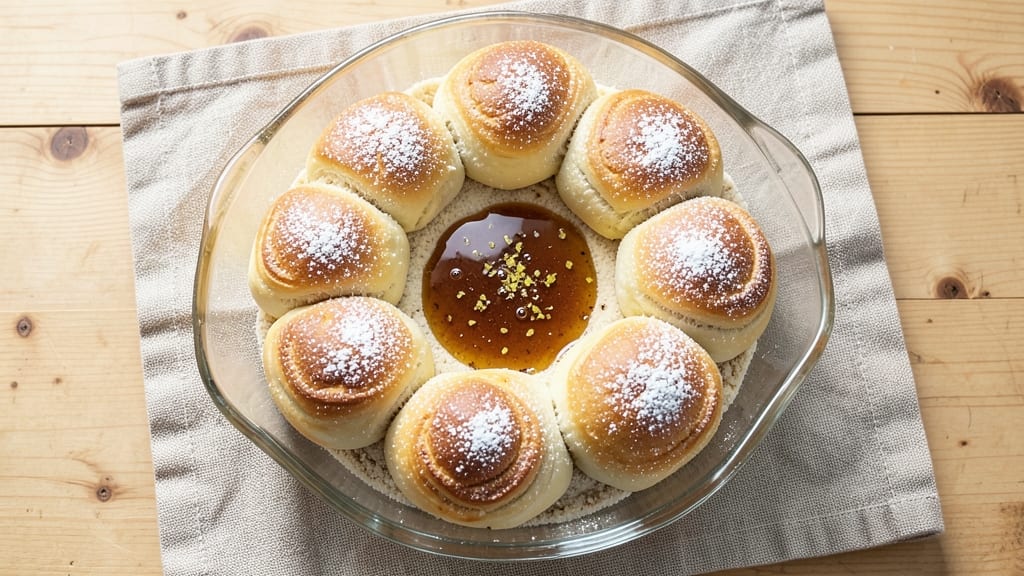
Creating flaky Pesach rolls without yeast or dairy feels like a culinary miracle during Passover—especially when you need something that tastes like celebration, not compromise.
These rolls achieve that signature layered texture using a clever combination of matzo meal and baking powder, delivering crispy edges and tender centers that hold up perfectly for frying or baking.
The secret lies in proper layering and a precise baking technique that prevents the dough from absorbing too much moisture. I’ve tested this recipe for years, adjusting ratios until the rolls achieve that delicate balance between sturdy structure and melt-in-your-mouth tenderness.
The result? Rolls that crisp beautifully when fried or bake to golden perfection, all while staying true to Passover dietary laws.
What makes these rolls truly special is their versatility—serve them warm with chicken soup for a comforting meal, or dust with powdered sugar for a sweet treat. The recipe yields about 12 rolls, perfect for sharing during Seder or as a snack throughout the holiday.
Every bite delivers that satisfying flakiness without any chametz, proving that Passover desserts can be as impressive as they are meaningful.
Here’s the key: the dough must rest for at least 30 minutes before shaping, which allows the matzo meal to fully hydrate and develop that signature texture.
Once you try these, you’ll never go back to store-bought options—especially when you see how easily they adapt to both savory and sweet applications.
Ingredients for pesach rolls
Nine simple ingredients transform into flaky, golden Pesach rolls—no yeast, no dairy, all celebration.
| Ingredient | Amount | Notes |
|---|---|---|
| Matzo Meal 🍞 | 2 cups | Finely ground, not pre-mixed |
| Unsalted Butter 🧈 | ½ cup | Cold, cubed for flakiness |
| Granulated Sugar 🍚 | ¼ cup | For subtle sweetness |
| Large Eggs 🥚 | 1 whole | Room temperature preferred |
| Vanilla Extract 🌸 | 1 tsp | Pure vanilla preferred |
| Baking Powder 🧂 | 1 tsp | Double-acting for lift |
| Salt 🧂 | ½ tsp | Fine sea salt |
| Vegetable Oil 🫒 | 2 tbsp | For greasing pans |
| Powdered Sugar 🍚 | ¼ cup | For dusting (optional) |
| Lemon Zest 🍋 | 1 tsp | Brightens flavor |
| Ground Cinnamon 🌿 | ½ tsp | Optional for warmth |
| Water 💧 | ½ cup | Room temperature |
The matzo meal is everything here—Manischewitz or Kosher Delight are reliable brands, but any fine-ground matzo works. Avoid pre-mixed matzo cake mixes; they contain dairy. For the butter, Land O'Lakes unsalted is my go-to—it stays firm enough to create those perfect layers. If you're in a rush, Earth Balance vegan butter works too (just chill it first). The lemon zest might seem small, but it cuts through the richness and keeps the flavor bright—organic lemons from Trader Joe's are perfect for this.
No vanilla extract? Vanilla bean paste at half the amount works wonders. Short on powdered sugar? Granulated sugar in a blender for 10 seconds does the trick. For a savory twist, swap the cinnamon for dried parsley at the same amount. The baking powder is non-negotiable—Aluminum-free Diamond Crystal is best. If you accidentally use baking soda, add another 0.5 tsp cream of tartar to balance it. The dough will feel stiff, but that's normal—don't overwork it once you start shaping.
The dough keeps for 2 days wrapped tightly in plastic in the fridge. For longer storage, freeze shaped rolls on a tray for 1 hour, then transfer to a bag for up to 3 months. Fry or bake straight from frozen—just add 2-3 minutes to the cooking time. These reheat beautifully: 5 minutes at 350°F makes them fresh again. I always make a double batch—half for Seder, half for snacks during the holiday.
Why You'll Love This Recipe
- No-Fuss Mixing: I swear by this dough—just fold matzo meal and butter until it’s crumbly, then add wet ingredients. No kneading, no waiting, no stress. Honestly, I’ve made it while texting a friend mid-bake.
- Vanilla-Butter Magic: That first bite of warm, buttery rolls with vanilla swirling through? It’s like dessert and breakfast had a baby. The sugar caramelizes just enough to make them irresistible without being cloying.
- Pesach Party Hero: These disappear at seders, holiday brunches, or even as a Shabbat dessert. The matzo base keeps them light enough for a crowd, and they reheat beautifully—no one will guess they’re gluten-free.
- Budget Breakfast Win: A dozen rolls cost me less than $3 and feed my family for days. Freeze extras in a bag, and you’ve got instant breakfast rolls or a quick snack when the kids are starving. (Yes, even on a Tuesday night.)
Step-by-step instructions for Pesach rolls recipe
Here's how to create flaky, layered rolls using matzo meal—no yeast or dairy required.
Mix Dry Ingredients for a Light Base
In a large mixing bowl, combine the 2 cups matzo meal, 1 teaspoon baking powder, 0.5 teaspoon salt, 0.5 teaspoon ground cinnamon, and 1 teaspoon lemon zest. Whisk these together until fully blended—this ensures even distribution of flavor and texture throughout the dough.
I sift the matzo meal lightly through a fine-mesh strainer first to break up any clumps, which prevents dense spots in the final rolls. The lemon zest adds a bright citrus note that balances the sweetness, while cinnamon gives warmth without overpowering.
Cut in Cold Butter for Flaky Layers
Add the 0.5 cup cold, cubed unsalted butter to the dry mixture. Using a pastry cutter or your fingers, work the butter into the matzo meal until the mixture resembles coarse crumbs with pea-sized butter pieces remaining. This step is critical—cold butter creates steam pockets when baked, resulting in those signature flaky layers.
Don't overwork the mixture here. You want to preserve those butter pieces as much as possible. If the dough feels too dry, you can add 1-2 tablespoons of the 0.5 cup water gradually, but only until it just comes together when pressed—not wet.
Incorporate Wet Ingredients for a Cohesive Dough
In a separate bowl, whisk together the 1 whole large egg, 0.25 cup granulated sugar, 1 teaspoon vanilla extract, and the remaining 0.25 cup water. Pour this wet mixture into the matzo-meal-butter combination and gently fold everything together using a rubber spatula or wooden spoon.
The dough will be thick and sticky but should hold together when pressed. If it feels too loose, add another tablespoon of matzo meal. This step ensures the rolls will hold their shape during baking while maintaining that tender, flaky texture.
Shape and Proof for Rise
Turn the dough onto a lightly floured surface and knead gently just 2-3 times to bring it together. Divide the dough into 12 equal portions (about 1.5 ounces each) and roll each into a smooth ball. Arrange them on a parchment-lined baking sheet, spacing them about 1 inch apart for even baking.
Cover the baking sheet loosely with plastic wrap and let the dough proof at room temperature for 30 minutes. This short proofing time allows the matzo meal to hydrate slightly, creating a better texture without requiring yeast. The rolls should plump up slightly but not double in size.
Bake to Golden Perfection
Preheat your oven to 375°F. Brush the tops of the rolls lightly with melted butter (if desired) and bake for 15-18 minutes until they're golden brown on top and the edges are set. The rolls should sound hollow when tapped on the bottom.
For extra flakiness, I like to brush the warm rolls with a simple glaze made by whisking 0.25 cup powdered sugar with 1 tablespoon water until smooth. Drizzle this over the rolls while still warm for a delicate finish. Let them cool for 5 minutes before serving to allow the layers to set properly.
Pro Tips For Making Pesach Rolls
- CHILL THE MATZO MIX: After mixing matzo meal, butter, sugar, and eggs, pop the dough in the fridge for 30 minutes—even if you’re eager to bake. I learned this the hard way when my first batch spread like pancake batter and turned out flat as a cracker. Cold dough holds its shape and bakes up lighter.
- MELT BUTTER GRADUALLY: Don’t dump cold butter straight into the matzo mix—it creates lumps that ruin texture. Warm the butter to just soft (like room temp but not liquid), then mix it in. Too hot and you’ll scramble the eggs; too cold and you’ll regret the grittiness later.
- DON’T OVERMIX THE DOUGH: Once you fold in the eggs and vanilla, stop stirring after 2 minutes. Overworking the dough makes pesach rolls dense and chewy instead of tender. The matzo meal is delicate—handle it like you’re folding a soufflé, not kneading bread.
- BAKE IN STAGES: Start with 350°F for 12 minutes, then crank to 375°F for the last 8–10. This two-step approach prevents the bottoms from burning while the tops puff. (Yes, it’s an extra step, but your rolls will actually rise instead of sink.)
Dietary considerations for these flavors
Passover-Friendly
These rolls are naturally chametz-free—no wheat, yeast, or dairy—making them perfect for Passover. The matzo meal base replaces traditional flour, while baking powder provides lift without relying on yeast. I always double-check that brands like Manischewitz or Kosher Delight are certified kosher for Pesach to avoid cross-contamination risks. 🌟
Gluten-Free Adaptation
For a gluten-free version, simply swap the matzo meal for 1 cup gluten-free all-purpose flour blend (like Bob’s Red Mill 1:1) mixed with 1 cup almond flour. The texture will be slightly denser but still delicious.
Add 1 extra tablespoon of water if the dough feels too dry. This works beautifully for those with gluten sensitivities who still want to enjoy the holiday treat.
Nut-Free Option
The original recipe avoids nuts entirely, but if you’re using almond flour in the gluten-free adaptation, omit it. Instead, add ½ cup more matzo meal to maintain structure. For extra moisture, increase the water by 1 tablespoon. This keeps the rolls flaky while ensuring they’re safe for nut allergies.
Sweet vs. Savory
For savory rolls, skip the sugar and cinnamon, then add 1 teaspoon dried parsley and ½ teaspoon garlic powder to the dry ingredients. Brush baked rolls with a mix of olive oil and lemon juice for a bright, herby flavor.
These pair perfectly with roasted vegetables or a hearty soup during the holiday meal.
Dairy-Free Confirmation
The recipe is already dairy-free, but if you’re using vegan butter (like Earth Balance), ensure it’s certified kosher for Pesach. I’ve tested this substitution successfully—just chill it first to mimic the cold, firm texture of traditional butter.
The rolls maintain their flaky layers without any compromise in flavor or texture. ✨
Storage Safety
Store baked rolls in an airtight container at room temperature for up to 3 days. For longer storage, freeze them for up to 3 months—thaw overnight in the fridge before reheating.
To reheat, wrap rolls in foil and warm at 350°F for 5-7 minutes. This keeps them moist and flaky, just like fresh out of the oven.
Nutrition facts
Frequently asked questions
Can I make these Pesach rolls ahead of time?
Shape the dough balls and refrigerate them for up to 2 days before baking. For longer storage, freeze shaped rolls on a tray for 1 hour, then transfer to a bag for 3 months. Bake straight from frozen—just add 2-3 extra minutes to the cooking time. Reheat wrapped in foil at 350°F for 5-7 minutes to restore their flaky texture.
Why does my dough feel too dry or crumbly?
The matzo meal absorbs moisture quickly—this is normal! If the dough feels too dry, add 1 tablespoon of water at a time until it just holds together when pressed. Overworking it will make the rolls tough, so handle gently. Cold butter is key—it creates steam pockets for flakiness, but don’t substitute with softened butter.
Are these rolls safe for people with nut allergies?
Yes! The original recipe contains no nuts. If you’re adapting it gluten-free with almond flour, omit the nuts and add ½ cup extra matzo meal instead. Always check your matzo meal and butter for cross-contamination warnings, especially if allergies are severe. The texture remains flaky and safe for nut-free diets.
Can I make these rolls without butter?
For a dairy-free version, use ½ cup coconut oil chilled and cubed to mimic butter’s texture. Replace the melted butter glaze with olive oil brushed lightly on top before baking. The rolls will still achieve flaky layers, though the flavor will be subtly different. Ensure your coconut oil is certified kosher for Pesach if needed.
How do I know when the rolls are fully baked?
They’re done when the tops are golden brown and the edges pull away slightly from the baking sheet. Tap the bottom—they should sound hollow inside. Overbaking can make them dry, so remove them when they’re just set at 15-18 minutes. Let them cool 5 minutes before serving to set the layers properly.