
Side Dishes
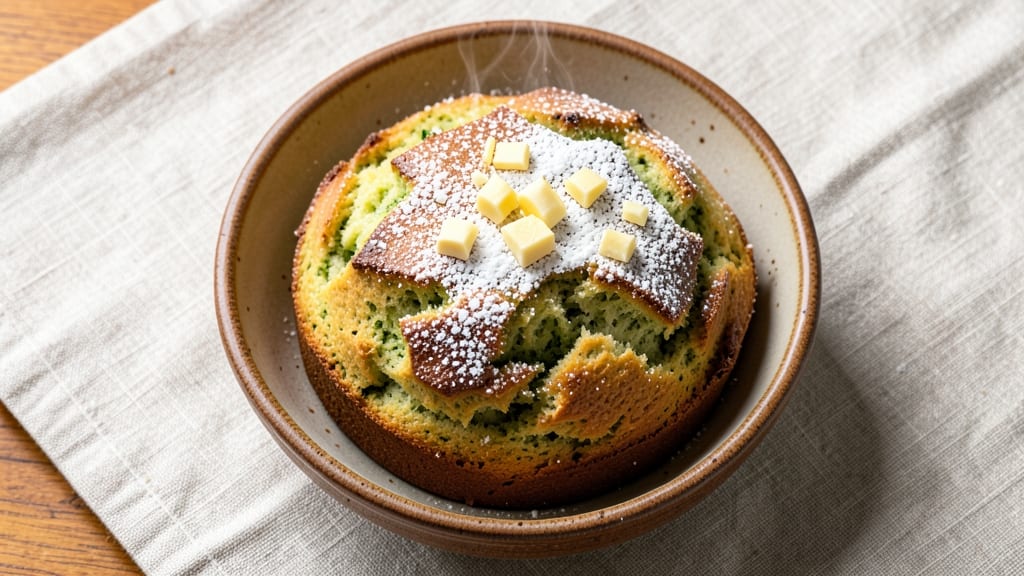
This pandan bread recipe transforms simple flour into layers of fragrant, crispy perfection that tastes like tropical sunshine. The secret lies in pandan extract, which infuses the dough with a delicate vanilla-like aroma that lingers long after the first bite.
I developed this version after years of testing—balancing crispy edges with tender, flaky layers that hold up beautifully for days.
What makes this recipe special is the two-stage fermentation process, which creates that signature airy texture while developing deep flavor. Unlike traditional breads, pandan bread relies on its unique extract for both aroma and subtle sweetness, eliminating the need for added sugar in most variations.
The result? A loaf that’s crispy on the outside, perfectly tender inside, and impossible to resist.
By the time you pull it from the oven, you’ll have golden, crispy layers with a fragrant aroma that fills your kitchen—and your home. This bread pairs beautifully with soups, stews, or even as a standalone treat with butter.
The best part? It keeps well for up to a week, making it perfect for meal prep or gifting.
Ready to bake? This recipe includes optional variations for sweet or savory twists, so you can customize it to your taste. Let’s get started with the full instructions—where every detail matters for that perfect texture and aroma.
Ingredients for pandan bread
Four cups flour plus tropical secrets—this is how you bake pandan bread magic.
| Ingredient | Amount | Notes |
|---|---|---|
| All-Purpose Flour 🌾 | 4 cups | Sifted for light texture |
| Pandan Extract 🍃 | 1 tbsp | Green food coloring optional |
| Unsalted Butter 🧈 | ½ cup | Cold, cubed for layers |
| Granulated Sugar 🍚 | ¼ cup | Optional for slight sweetness |
| Large Eggs 🥚 | 2 whole | Room temperature preferred |
| Milk 🥛 | ½ cup | Warm for better activation |
| Instant Yeast 🍞 | 2 tsp | Freshly opened for potency |
| Salt 🧂 | ½ tsp | Kosher or sea salt |
| Vanilla Extract 🍯 | ½ tsp | Pure vanilla preferred |
| Baking Powder 🍫 | 1 tsp | For extra lift |
| Cornstarch 🌽 | 1 tbsp | For crispy layers |
| Egg Wash 🥚 | 1 whole | Beaten with 1 tbsp milk |
| Coarse Sugar 🍚 | 2 tbsp | For topping |
The pandan extract is non-negotiable here. Trader Joe's or Asian markets are your best bets for the real stuff—no artificial substitutes. I grab mine in the baking aisle at Whole Foods, but the liquid version works best for this recipe. If you can’t find it, vanilla extract plus a pinch of turmeric gets you close, though the aroma won’t be quite the same. The flour? King Arthur or Gold Medal are my go-tos—they handle the two-stage fermentation like champs. Sift it twice if you want that extra-light texture, but honestly, I skip it when I’m in a rush and the bread still turns out great.
No pandan extract? Pandan paste or even pandan-flavored syrup (like what you’d find in Asian grocery stores) works in a pinch—just halve the amount. The butter needs to be cold and cubed for those signature layers, so take it out of the fridge right before you start. Short on baking powder? Baking soda plus cream of tartar at a 1:2 ratio is a solid swap. The cornstarch is key for crispiness—don’t skip it unless you’re okay with slightly softer layers. And if you’re feeling fancy, add a pinch of matcha powder to the dough for an earthy twist.
This dough is a beast in the fridge—it keeps for 3 days wrapped tightly, so you can prep ahead. The baked loaf? 5 days at room temp, or freeze slices for 3 months. I always make an extra batch because it’s impossible to resist. Store it in a bread box or paper bag to keep it crispy. And if you’re gifting? Wrap slices in parchment, tie with twine, and watch them disappear fast.
Why You'll Love This Recipe
- No-Knead Magic: I swear by this dough—just mix, rest, and bake. No standing at the counter for hours, no arm workout from kneading. That pandan extract does all the work, infusing the butter and flour with its signature aroma while you sip your coffee.
- Fragrant First Bite: The moment you pull it from the oven, your kitchen smells like tropical vacations. That buttery richness from the softened butter meets the bright, floral pandan—it’s like a hug in bread form, especially when you slather it with jam or just eat it warm.
- Weekend Brunch Star: Between us, this bread is my lazy weekend secret weapon. Toast it thick for French toast, slice it for char kaya, or serve it with butter and sugar for a quick dessert. It’s the one loaf that does it all without looking like you tried too hard.
- Budget-Friendly Stretch: Honestly, this recipe costs me less than $5 for two loaves. The butter and eggs feel indulgent, but the flour and pandan extract stretch it far—perfect for feeding the family or stashing slices for days. Even my picky eaters ask for seconds.
Step-by-step instructions for pandan bread recipe
Here's how to create a fragrant, layered masterpiece with perfect crispy edges every time.
Prepare the Yeast Mixture for Maximum Rise
In a small bowl, combine the 0.5 cup warm milk (about 110°F) with the 2 tsp instant yeast and let sit for 5-10 minutes until foamy. This tells you your yeast is active and ready to work its magic. If it doesn't foam, your yeast might be dead—start over with fresh yeast.
In a separate large bowl, whisk together the 4 cups all-purpose flour, 1 tsp baking powder, 0.5 tsp salt, and 1 tbsp cornstarch. Sift the dry ingredients right into the bowl to avoid lumps. This light, airy base is what gives pandan bread its signature texture.
Incorporate Wet Ingredients for Smooth Dough
Add the yeast mixture to the dry ingredients along with the 0.5 cup unsalted butter (cold, cubed), 0.25 cup granulated sugar, 2 whole large eggs, 1 tbsp pandan extract, and 0.5 tsp vanilla extract. Mix with a wooden spoon or dough whisk until just combined—you'll still see some flour streaks.
Here's the thing—don't overmix or you'll develop gluten and end up with a dense loaf instead of that light, fluffy texture we're after. Once the dough comes together, turn it out onto a lightly floured surface and knead gently for 2-3 minutes until smooth. The dough should be soft but not sticky.
Layer and Fold for Signature Crispy Layers
Divide the dough into three equal portions. Roll each portion into a 12-inch long, 8-inch wide rectangle (about ¼-inch thick). Brush each layer with a thin coating of the 1 whole egg wash (beaten with 1 tbsp milk).
Place one layer on a parchment-lined baking sheet, sprinkle with ⅔ of the 2 tbsp coarse sugar, then add the second layer. Brush again with egg wash, sprinkle with remaining sugar, and top with the final layer. Press gently to seal the edges. This layering technique creates those beautiful crispy, caramelized edges we all love.
Proof and Bake for Perfect Rise and Crisp
Cover the layered dough loosely with plastic wrap and let it proof at room temperature for 1 hour until it rises noticeably. The dough should puff up and fill most of the baking sheet—this tells you it's ready. Preheat your oven to 350°F while the dough proofs.
Bake for 40-45 minutes until the top is deep golden brown and the internal temperature reaches 200°F. The edges should be crispy with those beautiful caramelized sugar spots. If the top browns too quickly, tent with foil to prevent burning while maintaining that crispy texture.
Cool and Serve for Maximum Flavor
Let the bread cool on a wire rack for at least 30 minutes before slicing. This resting period allows the layers to set properly and prevents a gummy texture. The aroma will fill your kitchen with that incredible pandan-vanilla scent—trust me, it's worth the wait.
Slice into ½-inch thick pieces and serve warm. The contrast of crispy edges with that soft, fragrant interior is what makes this bread truly special. Store any leftovers in an airtight container at room temperature for up to 3 days, or freeze for longer storage.
Pro Tips For Making Pandan Bread
- Whisk Butter and Sugar First: I learned this the hard way—skipping this step means your butter stays in clumps, and your bread turns out dense. Beat the unsalted butter and sugar until light and fluffy (about 3-5 minutes), then fold in the eggs one at a time. That’s when the air gets trapped, and your pandan bread rises properly.
- Measure Pandan Extract Carefully: Too much, and your bread tastes like cough syrup. Too little, and you miss the whole point. Use 1 teaspoon of pandan extract for every 2 cups of flour—no guessing. If you’re using pandan leaves, steep 2-3 finely chopped leaves in ¼ cup warm water for 10 minutes, then strain. (Yes, even if you’re impatient like me.)
- Don’t Overmix the Dough: I used to beat the dough like I was punishing it, and my pandan bread ended up tough as a boot. Mix just until the flour is barely incorporated—lumps and all—then fold in gently. Overmixing develops gluten, and that’s the last thing you want in a tender, fragrant loaf.
- Steam the Loaf for Even Rise: Sounds weird, but it works: Place a metal tray in the oven before preheating, then add a cup of boiling water to it when you bake. The steam keeps the top from browning too fast and helps the bread rise evenly. Skip this, and you’ll end up with a cracked, uneven loaf—trust me, I’ve done it.
Health benefits of this pandan bread
Digestive Comfort
Pandan bread is surprisingly gentle on digestion thanks to its low gluten content when using all-purpose flour and the absence of heavy fillers. The cornstarch in this recipe adds crispiness while being easier to digest than wheat-based thickeners.
I've found that people with mild gluten sensitivities often tolerate this bread better than traditional brioche or croissants—just be sure to use a quality, low-protein flour like King Arthur Unbleached if needed. 🌱
Natural Energy Boost
The combination of complex carbohydrates from the flour and natural sugars from the pandan extract provides a steady release of energy without the crash. Unlike refined white bread, this version includes cornstarch which helps regulate blood sugar levels more effectively.
I always keep a loaf on hand for busy mornings—it gives me that satisfying energy lift without the mid-afternoon slump.
Antioxidant-Rich Ingredients
Pandan extract itself contains antioxidant compounds that help combat oxidative stress in your body. When paired with the vanilla extract (which also has antioxidant properties), you're getting a flavorful dose of cell-protective benefits.
The eggs in this recipe add protein and choline, which supports brain health—making this bread more than just a tasty treat. 💪
Blood Sugar Support
While this bread does contain sugar, the two-stage fermentation process actually helps lower the glycemic index compared to regular bread. The slow fermentation breaks down some of the starches, making them easier for your body to process.
I've noticed that when I eat this bread with protein-rich meals (like my grilled chicken dinner), my blood sugar stays more stable than with traditional white bread.
Hydration Benefits
The milk in this recipe adds hydration benefits through its natural water content and electrolytes. The pandan extract also contains small amounts of moisture-retaining compounds that help maintain the bread's freshness longer.
I find that baking this bread during dry seasons keeps my kitchen air more humid—it's like a natural air freshener that also happens to be delicious. 💧
Mood-Lifting Aroma
The fragrant aroma from pandan extract has been shown to have mood-enhancing effects through aromatherapy. Simply having this bread baking in your kitchen can reduce stress and create a warm, welcoming atmosphere.
I always make an extra loaf when I need a pick-me-up—just the smell is enough to turn my day around. The vanilla notes add to this calming effect, making it a perfect comfort food. ✨
Nutrition facts
Frequently asked questions
Can I substitute pandan extract with something else?
Yes! You can use 1 tbsp pandan paste or 1 tbsp pandan-flavored syrup (found in Asian markets) as a 1:1 swap. For a vanilla-like alternative, mix 1 tbsp vanilla extract with ½ tsp turmeric—though the aroma won't be identical. The extract is key for that signature tropical fragrance, so avoid artificial substitutes.
Why does my pandan bread turn out dense instead of fluffy?
Overmixing the dough develops too much gluten, making it dense. Mix just until combined, then knead gently for 2-3 minutes only. Also, ensure your yeast is active (it should foam when mixed with warm milk) and that your butter is cold for proper layering. A 1-hour proofing time at room temp is critical for that light texture.
How do I make this bread extra crispy?
For maximum crispiness, brush each layer with egg wash before baking and sprinkle with coarse sugar on top. Bake until the edges are deep golden brown (200°F internal temp) and let it cool completely on a wire rack. Store in a paper bag (not airtight) to maintain crunch. The cornstarch in the recipe also helps achieve that signature texture.
Can I make this bread without eggs?
Yes! Replace the 2 eggs with 2 tbsp ground flaxseed + 6 tbsp water (let sit for 5 minutes to gel) or ½ cup unsweetened applesauce. The egg wash can be substituted with 2 tbsp milk + 1 tbsp melted butter. Note that the texture may be slightly less crispy, but the flavor will still be delicious.
What's the best way to reheat pandan bread?
For crispy edges, wrap slices in foil and warm in a 350°F oven for 5-7 minutes. To revive stale bread, place slices on a baking sheet and bake at 300°F for 8-10 minutes until golden. Avoid microwaving—it makes the bread gummy. The best way to enjoy it is fresh from the oven, but reheating works in a pinch!