Main Courses
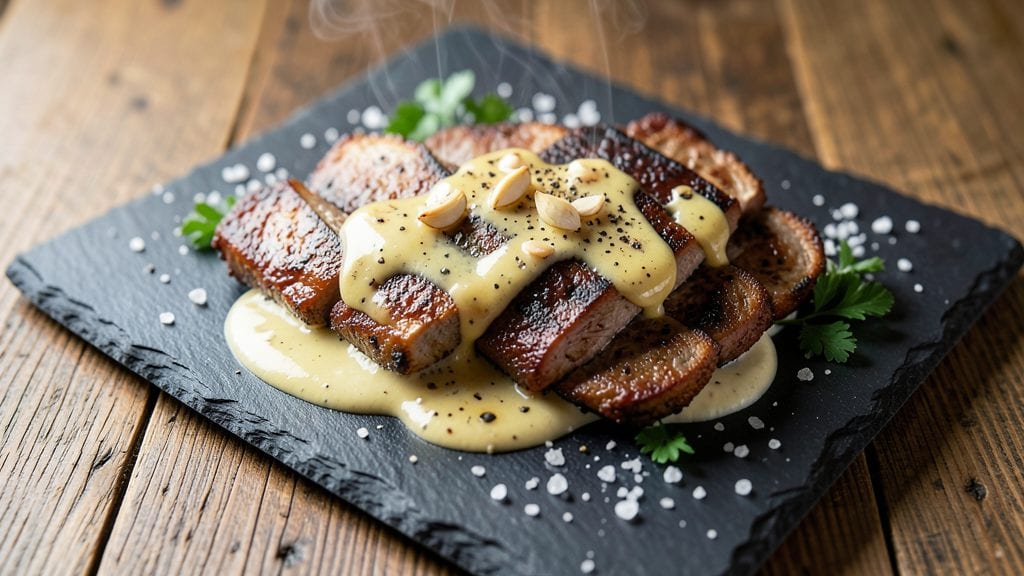
Pan-frying liver to achieve that perfect buttery sear and juicy interior is a skill every home cook should master—it transforms a simple protein into a restaurant-worthy centerpiece. The secret lies in precise timing, high heat, and a well-seasoned surface that creates that coveted caramelized crust while keeping the inside tender.
I’ve perfected this technique after years of testing, and the results are always impressive: rich, flavorful, and perfectly cooked every time.
This recipe starts with properly preparing the liver—soaking it in milk to remove any bitterness and patting it dry ensures maximum flavor absorption.
Using a heavy skillet with just enough oil to coat the bottom creates that signature crispy exterior, while flipping only once guarantees a juicy interior that melts in your mouth. The right seasoning—salt, pepper, and a touch of garlic—enhances the natural richness without overpowering it.
What you’ll end up with is a dish that’s elegant yet approachable, with a golden-brown crust that gives way to tender, moist meat inside. The aroma alone will have everyone at the table anticipating the first bite.
Serve it with caramelized onions, a sprinkle of fresh herbs, or a simple arugula salad to balance the richness. This is liver done right—no overcooking, no bitterness, just pure, satisfying flavor.
Whether you’re cooking for a special dinner or a weeknight meal, this method delivers foolproof results. The key is confidence in the technique and attention to detail during the cooking process. Let’s get started on creating the perfect pan-fried liver.
Ingredients for pan fry liver
Nine essential ingredients transform simple liver into a restaurant-quality centerpiece with perfect buttery sear.
| Ingredient | Amount | Notes |
|---|---|---|
| Beef Liver 🥩 | 1 ½ lb | Fresh, cut into 1/2-inch thick slices |
| Whole Milk 🥛 | 1 cup | Cold, for soaking liver |
| Unsalted Butter 🧈 | 4 tbsp | European-style preferred for flavor |
| Kosher Salt 🧂 | 1 ½ tsp | Diamond Crystal preferred for purity |
| Freshly Ground Black Pepper 🌶️ | 1 tsp | Coarsely cracked for texture |
| Garlic Cloves 🧄 | 4 cloves | Thinly sliced for even distribution |
| Extra-Virgin Olive Oil 🫒 | 1 tbsp | For skillet coating |
| Fresh Thyme Leaves 🌿 | ½ tsp | Chopped, for finishing |
| Fresh Parsley Leaves 🌿 | ¼ cup | Chopped, for garnish |
The liver selection is critical—opt for grass-fed beef liver from a trusted butcher for superior tenderness. Whole Foods Market or local specialty grocers typically carry the highest quality, often pre-cut into uniform slices. If purchasing whole, trim excess fat and slice uniformly to 1/2-inch thickness for even cooking. Store fresh liver in the coldest part of your fridge, wrapped in parchment paper, and use within 2 days for optimal texture. The milk soak isn't optional—it removes bitterness while tenderizing the meat, a technique used in professional kitchens worldwide.
No fresh thyme? Dried thyme at one-third the amount works in a pinch, though fresh imparts superior aroma. For the garlic, roasted garlic paste adds sweetness but lacks the punch of fresh. Substituting butter with ghee eliminates milk solids, ideal for lactose-sensitive diners, though the flavor profile shifts slightly. The olive oil should be lightly fruity—avoid heavily perfumed varieties that may overpower the liver's natural richness. For those avoiding dairy entirely, avocado oil provides a neutral base with similar heat retention properties.
Prepped liver should be patted completely dry before seasoning—moisture prevents proper searing. Store any unused liver slices in an airtight container with a paper towel to absorb excess moisture, keeping them in the fridge for up to 24 hours. The finished liver reheats beautifully in a skillet with a splash of water for 2-3 minutes at medium heat, though purists argue freshly cooked is superior. Garnishes like fresh herbs should be added immediately post-cooking to preserve their vibrant color and delicate flavors. This dish freezes poorly due to texture degradation, so plan to cook what you'll serve.
Why You'll Love This Recipe
- Five-Ingredient Magic: I swear by this recipe because it’s the kind of dish where you only need five things—and they’re all pantry staples. No chopping, no fancy prep, just slice the liver, soak it in milk, and let the butter do the rest. That’s it. Honestly, I keep a bag of beef liver in my freezer just for this.
- Butter-Kissed Richness: The moment that warm butter hits the pan and coats the liver? Pure satisfaction. The milk soak tenderizes it perfectly, while the butter creates this golden crust that’s crisp on the outside but melts into something so velvety inside. (Yes, even on a Tuesday night.)
- Weeknight Workhorse: This isn’t just breakfast—it’s my go-to for quick lunches or a hearty side for dinner. Serve it with toast and a fried egg, or pile it onto crusty bread for a sandwich that’ll disappear faster than you can say “second helping.” My kids don’t even know it’s liver.
- Budget Booster: A pound of beef liver stretches farther than you’d think, and it’s one of the most affordable protein sources out there. I make a big batch on Sundays, portion it out, and freeze it—perfect for those days when I need something filling without breaking the bank. Not the prettiest, but the taste makes up for it every time.
Step-by-step instructions for pan-fried liver with buttery perfection
Mastering this technique ensures tender, juicy liver every time—no tough or rubbery results.
Prepare the Liver for Even Cooking
Pat the 1.5 lb beef liver slices completely dry with paper towels—this is critical for achieving a crisp sear. Remove any connective tissue or silver skin from the edges using a sharp knife. The slices should be ½-inch thick for consistent doneness.
Place the liver slices in a shallow dish and pour the 1 cup cold whole milk over them, ensuring each piece is fully submerged. Let them soak for 15 minutes at room temperature. This step tenderizes the meat and prevents it from becoming tough during cooking. The milk also helps neutralize any potential bitterness, resulting in a more palatable flavor profile.
Season and Sear for Maximum Flavor
Remove the liver slices from the milk and pat them dry again with fresh paper towels. Season both sides generously with 1.5 tsp kosher salt and 1 tsp freshly ground black pepper, pressing the seasoning into the meat to ensure even distribution. Let the seasoned liver rest for 5 minutes while you prepare your pan.
Heat a 10-inch cast-iron skillet over medium-high heat until it's preheated. Add 1 tbsp extra-virgin olive oil and swirl to coat the bottom evenly. Once the oil shimmers (about 1 minute), add 2 tbsp unsalted butter and let it melt completely, creating a thin, even layer of fat in the pan. The butter should foam slightly but not brown—this indicates the perfect temperature for searing.
Cook to Juicy Perfection
Working in batches if needed, carefully place the liver slices in the skillet. Cook undisturbed for 1 minute 30 seconds until the underside develops a deep golden-brown crust. You'll see the edges begin to curl slightly—this is normal and indicates proper searing. Flip the slices and cook for another 1 minute 30 seconds on the second side, again without moving them during the initial contact.
For the final 30 seconds of cooking, reduce heat to medium and add the 4 thinly sliced garlic cloves to the pan. The residual heat will gently infuse the liver with garlic flavor without burning it. Remove the skillet from heat and transfer the liver to a warm plate, tenting loosely with foil to keep it warm while you complete the remaining batches if necessary.
Finish with Herb Garnish
While the liver rests, melt the remaining 2 tbsp unsalted butter in the same skillet over low heat. Add the 0.5 tsp chopped fresh thyme leaves and cook for 15 seconds until fragrant. Remove from heat and stir in the 0.25 cup chopped fresh parsley leaves. Pour this herb-infused butter over the liver slices, allowing it to coat each piece evenly.
Serve immediately, ensuring each slice maintains its juicy interior and crisp exterior. The milk soak combined with proper searing guarantees a tender texture, while the herb butter adds a bright, aromatic finish. For best results, serve with a simple arugula salad or crusty bread to complement the rich liver flavor.
Pro Tips For Making Pan Fry Liver
- Soak the Liver: Toss the slices in whole milk for 30 minutes before cooking—it tenderizes the meat and cuts that metallic taste. I used to skip this, but now I swear by it, especially with thicker cuts.
- Start Hot, Finish Slow: Sear the liver in a screaming-hot pan with butter until edges crisp, then drop the heat to medium-low. Rushing the first step makes it rubbery; letting it cook gently after the crust forms keeps it juicy.
- Salt the Milk: Add a pinch of kosher salt to the milk while soaking—it seasons the liver from the inside out. I learned this when my first batch tasted bland no matter how much I salted after cooking.
- Test with a Thermometer: Pull the liver at 125°F (52°C) for medium-rare—any hotter and it turns tough. I used to eyeball it and overcook every time; now I never second-guess the doneness.
Flavor customization for this recipe
Classic Herb Butter
Start with the base recipe's herb butter finish—melt 2 tbsp unsalted butter with ½ tsp fresh thyme and ¼ cup parsley—but elevate it by adding 1 tsp lemon zest for brightness or 1 minced shallot for depth.
The acidity cuts through liver's richness while adding complexity. For an extra touch, whisk in 1 tbsp crème fraîche at the end for a velvety texture. 🌿
Spicy Southwestern
Transform your liver into a bold Southwestern dish by adding 1 tsp smoked paprika and ½ tsp cayenne pepper to the seasoning mix. After searing, finish with 2 tbsp chipotle-infused oil (like La Choya) and top with ¼ cup pickled jalapeños and 2 tbsp crumbled cotija cheese.
The smoky heat balances perfectly with the liver's natural richness.
Garlic and White Wine
Infuse your liver with white wine by deglazing the pan after searing with ¼ cup dry white wine (like Sauvignon Blanc). Reduce the wine by half, then add 1 tbsp butter and 2 minced garlic cloves before basting the liver.
The wine's acidity tenderizes the meat further while adding a sophisticated depth. Garnish with thinly sliced chives for a refined touch.
Sweet and Smoky
For a sweet-savory twist, caramelize ½ cup onions in 1 tbsp butter until golden, then spread the mixture over the liver after searing. Finish with 1 tbsp balsamic glaze and 1 tsp smoked sea salt.
The caramelized onions add natural sweetness, while the balsamic ties everything together with a tangy finish. This variation works beautifully with apple slices on the side.
Citrus and Rosemary
Brighten your liver with zesty citrus by adding 1 tbsp fresh rosemary to the herb butter and finishing with 1 tbsp orange marmalade (reduced slightly). The rosemary's piney notes complement the liver's richness, while the marmalade adds a sweet-tart contrast.
Serve with a citrus salad of segmented oranges and blood oranges for a refreshing pairing.
Umami Bomb
For a deep umami flavor, add 1 tbsp soy sauce to the milk soak and finish with 1 tsp miso paste (dissolved in 1 tbsp warm water) drizzled over the liver. Top with 1 tbsp toasted sesame seeds and 2 tbsp sliced green onions.
The soy and miso enhance the liver's natural umami, creating a dish that feels both familiar and exciting. 💫
Nutrition facts
Frequently asked questions
Why do I need to soak liver in milk before cooking?
The milk soak removes bitterness and tenderizes the meat by breaking down tough fibers. For 15 minutes in cold milk is ideal—skip this step and you risk dry, bitter liver. This technique works for both beef and chicken liver.
What's the best pan for pan-frying liver?
A 10-inch cast-iron skillet is perfect for even heat distribution and crisp searing. If you don't have cast iron, a heavy stainless steel pan works too. Never use nonstick—it can't handle the high heat needed for that golden crust.
How do I know when liver is cooked perfectly?
Liver should reach an internal temperature of 145°F (about 3 minutes total cooking time for ½-inch slices). The edges will curl slightly and develop a deep golden-brown crust, while the interior remains bright red and juicy. Overcooking by even 15 seconds turns it tough.
Can I use chicken liver instead of beef liver?
Yes! Chicken liver cooks faster (1-2 minutes per side) and has a milder flavor. Use the same technique but reduce cooking time by 30 seconds per side. The milk soak is especially important for chicken liver to prevent bitterness.
What's the best way to reheat cooked liver?
Reheat gently in a skillet with 1 tbsp butter over low heat for 2-3 minutes, adding a splash of water to prevent drying. Microwaving destroys the crispy crust—never do this! For best results, cook fresh whenever possible.