
Breakfast & Brunch
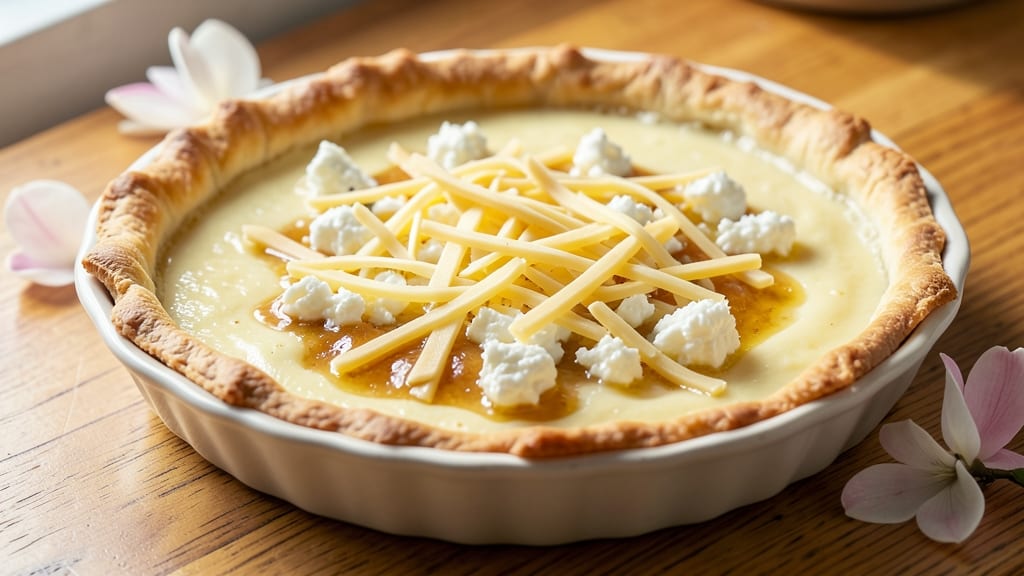
This Magnolia three-cheese quiche delivers the perfect balance of flaky crust, creamy filling, and three distinct cheeses that melt into velvety perfection. The secret lies in layering sharp cheddar, creamy Gruyère, and tangy goat cheese for depth and texture that rivals any bakery.
I developed this recipe after years of testing—every bite should be tender, rich, and just slightly crisp at the edges.
The crust starts with a classic pie dough, rolled thin and baked until golden, creating the ideal foundation for the filling. Meanwhile, the cheese mixture combines eggs, cream, and a touch of Dijon mustard for subtle tang.
This isn’t just any quiche—it’s a restaurant-quality breakfast that’s foolproof for home cooks, even on busy mornings.
By the time it emerges from the oven, you’ll have a quiche with a golden crust, a filling so creamy it practically melts on your tongue, and cheeses that harmonize in every bite.
The Gruyère adds nutty richness, the cheddar brings sharpness, and the goat cheese introduces a bright, tangy contrast. It’s the kind of dish that makes breakfast feel like a celebration.
Serve warm with a simple arugula salad or crusty bread to soak up every last drop of that luscious filling. Perfect for brunch gatherings or a special weekend treat, this quiche proves homemade can truly outshine the best bakery versions. Let’s get baking!
Ingredients for magnolia three cheese quiche
Six ingredients make this golden, triple-cheese quiche a showstopper—flaky crust, creamy filling, and cheeses that melt into perfection.
| Ingredient | Amount | Notes |
|---|---|---|
| Classic Pie Dough 🥧 | 1 sheet | Store-bought or homemade, rolled thin |
| Large Eggs 🥚 | 4 whole | Room temperature for best mixing |
| Heavy Cream 🥛 | ½ cup | Full-fat for ultimate creaminess |
| Sharp White Cheddar Cheese 🧀 | ¾ cup | Freshly grated, not pre-shredded |
| Gruyère Cheese 🧀 | ½ cup | Finely grated, nutty flavor |
| Goat Cheese 🧀 | ½ cup | Crumble by hand, not pre-shredded |
| Dijon Mustard 🍯 | 1 tbsp | Adds subtle tangy depth |
| Salt 🧂 | ½ tsp | Kosher or sea salt preferred |
| Freshly Ground Black Pepper 🌶️ | ¼ tsp | Freshly cracked for best flavor |
| All-Purpose Flour 🌾 | 1 tbsp | For dusting pie dish |
| Unsalted Butter 🧈 | 2 tbsp | For brushing crust edges |
| Fresh Chives 🌿 | 2 tbsp | Chopped for garnish |
The cheeses are non-negotiable here. Gruyère from Whole Foods or a specialty shop delivers that nutty depth, while sharp white cheddar from a block (not pre-shredded) gives real bite. Goat cheese? Fresh from the cheese counter—the crumbly kind, not that pre-shredded junk. I always grab extra Gruyère because it freezes beautifully. For the crust, Pillsbury pie crust works in a pinch, but homemade is worth the effort if you're baking anyway. The key is rolling it thin—about 1/8-inch thick—and docking it well to prevent puffing.
No Gruyère? Comté or Emmental work in a pinch for that creamy texture. Short on goat cheese? Extra sharp cheddar plus a splash of lemon juice mimics the tang. Pre-shredded cheese? Toss it in hot water for 5 minutes to remove the anti-caking agents—game changer. The Dijon mustard is essential for that subtle tang, but if you're out, lemon zest plus a pinch of salt does the trick. Fresh chives can be swapped for dried chives at one-third the amount, but fresh is definitely better. And for the love of quiche, don't skip the butter on the crust edges—it makes all the difference for that golden finish.
This quiche is best made the night before—it actually tastes better after the flavors meld. Store leftovers in the fridge for up to 4 days, or freeze for 2 months in a sealed container. To reheat, cover with foil and warm at 350°F for 15 minutes. The crust stays crispy that way, and the filling remains creamy. I always make a double batch because it disappears fast—perfect for brunch leftovers or a quick lunch. And if you've got extra crust, turn it into mini quiches for fun finger food.
Why You'll Love This Recipe
- One-Bowl Magic: I swear by this recipe—just toss the pie dough, crack in the eggs, and stir in the cheeses. No fancy steps, no stress. That buttery crust and creamy filling come together while you sip your coffee.
- Cheese Love Bomb: Sharp cheddar and nutty Gruyère? It’s a flavor explosion in every bite. The custard sets just right—creamy but firm—so you get that perfect balance of rich and tangy.
- Brunch or Dinner Fix: Honestly, this quiche works for anything. Serve it warm with a salad for a lazy Sunday brunch, or slice it cold for a quick lunch. Even my picky teenage nephew asks for seconds.
- Leftovers That Shine: Between us, this recipe makes enough for three meals. The crust stays crispy when reheated, and the cheeses melt into that golden custard every time. Zero waste, all win.
Step-by-step instructions for Magnolia three cheese quiche
Here's how to create a showstopping quiche with that perfect golden crust and creamy triple-cheese filling.
Prepare the Crust for a Golden Finish
Preheat your oven to 375°F and roll out the classic pie dough on a lightly floured surface to fit a 9-inch pie dish. Gently press it into the bottom, letting the edges extend slightly up the sides. I like to use my fingers to create a slight rim—this prevents filling from spilling over during baking.
Place the pie dish on a baking sheet (to catch any drips) and prick the bottom of the crust all over with a fork. This prevents air bubbles from forming. Line the crust with parchment paper, fill it with pie weights or dried beans, and bake for 12-15 minutes until the edges are just starting to turn golden. Remove the weights and bake for another 3-4 minutes until the crust is light golden brown.
While the crust bakes, brush the edges with melted unsalted butter using a pastry brush. This creates that beautiful contrast between the golden crust and creamy filling. Let the crust cool slightly before adding the filling—just enough to handle it without burning yourself.
Whisk the Egg and Cheese Filling
In a large bowl, whisk together the 4 whole large eggs until they're completely combined. Add the 0.5 cup heavy cream and whisk again until smooth. The mixture should look like pale yellow custard—this is your base for the creamy filling.
Add the 0.75 cup sharp white cheddar cheese, 0.5 cup gruyère cheese, and 0.5 cup goat cheese to the egg mixture. I like to add the cheeses in this order—the sharp cheddar provides the base flavor, the gruyère adds nutty depth, and the goat cheese contributes that tangy richness. Use a rubber spatula to fold everything together until the cheeses are completely melted and evenly distributed.
In a small bowl, mix together the 1 tbsp dijon mustard, 0.5 tsp salt, and 0.25 tsp freshly ground black pepper. Stir this seasoning blend into the cheese mixture until fully incorporated. The mustard adds just the right amount of subtle tang that balances the richness of the cheeses.
Assemble and Bake the Quiche
Carefully pour the cheese mixture into the pre-baked crust. I like to use a spatula to spread it evenly, making sure to leave about ½ inch of space at the edges for the crust to puff up. Sprinkle the 2 tbsp chopped fresh chives evenly over the top—they'll add a fresh, bright note that cuts through the richness.
Transfer the quiche to the oven and bake for 35-40 minutes until the center is just set and the edges are golden brown. You'll know it's done when the filling is slightly jiggly in the center but no longer runny—it will continue to set as it cools. The top should be golden brown with no wet spots.
Here's the thing—don't overbake. The quiche will continue cooking as it cools, and you want that creamy, custard-like texture. If you see the filling starting to brown too quickly, tent the quiche with aluminum foil to protect it while it finishes baking.
Rest and Serve with Confidence
Remove the quiche from the oven and let it cool for 10-15 minutes before slicing. This resting period allows the filling to set properly and makes it much easier to slice cleanly. I like to run a thin knife around the edges first to loosen it from the dish.
Use a sharp chef's knife to cut into 6 equal wedges, serving immediately or storing covered in the refrigerator for up to 3 days. The quiche tastes even better the next day as the flavors meld together. For serving, I like to pair it with a simple arugula salad dressed with lemon vinaigrette to balance the richness.
Each bite should deliver that perfect combination of crispy crust, creamy custard, and the complex flavors of three different cheeses. The golden edges contrast beautifully with the rich filling, making every slice look as good as it tastes.
Pro Tips For Making Magnolia Three Cheese Quiche
- Preheat That Oven: I learned this the hard way—skipping the 375°F preheat for 20 minutes means a soggy crust and uneven cooking. The quiche’s custard needs that hot start to set properly while the cheese melts evenly. (Yes, even if you’re impatient like me.)
- Grate Cheese Fresh: Pre-shredded cheese has anti-caking agents that make the quiche’s filling gummy. Use a box grater for sharp white cheddar and Gruyère—it melts smoother and clumps less. (Your future self will thank you when the top isn’t glued together.)
- Blind-Bake the Crust: Skip the raw egg wash on the crust—it’ll steam and turn limp. Instead, prick the dough, weigh it down with pie weights or dried beans, and bake for 10 minutes before adding the filling. This guarantees a flaky base that won’t turn to mush.
- Whisk the Custard Well: No lumps in the egg-heavy cream mix means a silky texture. Whisk vigorously for 30 seconds after mixing—even if it looks fine. I used to skip this, and the quiche always had that weird grainy bite. (Not worth it.)
Troubleshooting great magnolia three cheese quiche
Crust Too Puffy
If your crust puffs up like a balloon, it’s likely because you didn’t dock it properly or used too much butter. Prick the dough with a fork every 1 inch before baking, and use a 9-inch pie dish (not a smaller one).
For extra insurance, place a baking sheet under the dish to catch any excess air. I’ve found that Pillsbury pie crust puffs less than homemade if rolled thinly and docked well. 🥧
Filling Too Watery
A runny filling usually means you over-whisked the eggs or didn’t cook the crust long enough. Whisk the eggs just until combined—no need to make them frothy. For extra insurance, bake the quiche for 5 extra minutes if the center still looks jiggly.
If it’s truly too wet, broil for 1-2 minutes on low heat to set the top without burning it.
Cheese Not Melting
Pre-shredded cheese contains anti-caking agents that prevent proper melting. Always grate your own cheeses—Gruyère and cheddar should be freshly grated, and goat cheese crumbled by hand.
If your cheese isn’t melting, preheat your oven to 375°F and bake the quiche uncovered for 10 extra minutes to help the heat penetrate evenly.
Crust Too Pale
A pale crust often means it didn’t bake long enough or wasn’t brushed with butter. After removing the weights, bake the crust for 3-4 more minutes until golden. For extra color, brush the edges with melted unsalted butter before adding the filling.
I also like to broil the crust for 1-2 minutes at the very end if it’s still pale.
Filling Separates
If your filling looks curdled or separated, it likely sat too long before baking or wasn’t mixed properly. Whisk the eggs and cream together first, then gently fold in the cheeses using a rubber spatula.
For extra stability, add 1 tbsp all-purpose flour to the egg mixture. Bake immediately after assembling—don’t let it sit at room temperature for more than 30 minutes.
Quiche Sticks to Dish
This happens when the crust isn’t fully baked or the dish isn’t properly prepared. Always bake the crust until golden before adding filling, and dust the dish with 1 tbsp flour before pressing in the dough.
For easy removal, run a thin knife around the edges before slicing. If it still sticks, place the dish in the freezer for 10 minutes** before serving to loosen it.
Nutrition facts
Frequently asked questions
Can I make this quiche ahead of time?
This quiche actually tastes better the next day as the flavors meld together. Store it covered in the refrigerator for up to 4 days or freeze for 2 months in an airtight container. To reheat, cover with foil and warm at 350°F for 15 minutes—this keeps the crust crispy while maintaining that creamy texture.
What if I don't have Gruyère?
No problem! Substitute with Comté or Emmental for a similar creamy, nutty flavor. For extra tang, add a splash of lemon juice to your cheddar mixture. The key is maintaining that balance of sharp, creamy, and slightly tangy notes in your filling.
Why does my crust keep puffing up?
This usually happens when the dough isn't properly docked or the oven isn't hot enough. Prick the crust with a fork every 1 inch before baking, and use a 9-inch pie dish (not smaller). For extra stability, place a baking sheet underneath to catch any excess air during baking.
Can I make this quiche without a pie crust?
Yes! For a crustless version, simply whisk your egg mixture with cheeses and bake in a greased 9-inch cake pan at 350°F for 30-35 minutes. The texture will be more like a savory custard than a traditional quiche, but it's still delicious—just add extra chives or herbs for freshness.
How do I prevent the filling from getting watery?
Over-whisking the eggs is the most common cause. Whisk just until combined—no need for frothy peaks. For extra insurance, add 1 tbsp all-purpose flour to your egg mixture. Also, make sure your crust is fully baked before adding filling to absorb any excess moisture.