
Sauces & Condiments
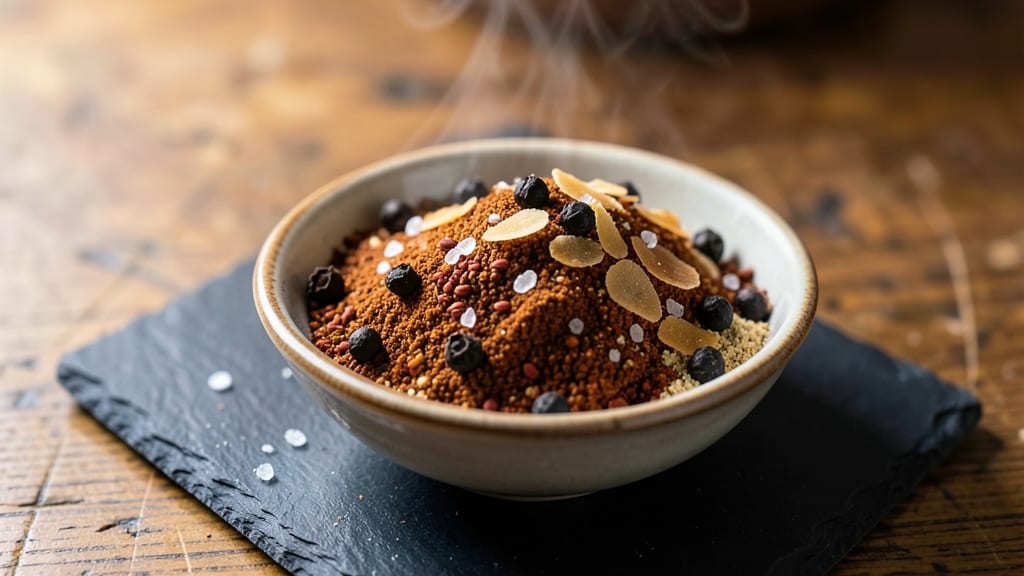
Creating a Longhorn Steakhouse seasoning recipe that transforms ordinary grilled meats into restaurant-quality masterpieces starts with the right spice blend. I developed this smoky-spiced mix after years of perfecting it in my Austin kitchen, where David insists on testing every batch—his "official taste-tester" role never gets old.
The secret lies in balancing heat, smokiness, and depth without overpowering the natural flavor of the meat.
This dry rub delivers bold, complex flavor with just six simple ingredients: smoked paprika for that signature steakhouse smokiness, garlic and onion powders for aromatic depth, black pepper for heat, and a touch of brown sugar to caramelize slightly on the grill.
The blend works equally well on steaks, ribs, or even roasted vegetables, making it a versatile staple for any grilling session. I've tested it on everything from ribeyes to chicken thighs—each time, the results are consistently impressive.
The beauty of this seasoning lies in its foolproof simplicity—just mix, store, and apply. Whether you're searing a steak for a special dinner or slow-roasting ribs for a crowd, this blend elevates every dish with its rich, smoky character.
The spices stay fresh for months in an airtight container, ready to transform your next cookout into a steakhouse experience. Let's get started on making your own batch.
Once you've created this blend, you'll wonder how you ever cooked without it. The smoky aroma alone will have your neighbors asking for the recipe, and the flavor? That's where the real magic happens.
Store it in your pantry for quick access, and you'll never need store-bought seasonings again. This is the kind of blend that turns good grilling into great grilling—every single time.
Ingredients for longhorn steakhouse seasoning
Six spices, one unforgettable smoky aroma that turns grilled meats into steakhouse perfection.
| Ingredient | Amount | Notes |
|---|---|---|
| Smoked Paprika 🌶️ | 3 tbsp | High-quality smoked variety for depth |
| Garlic Powder 🧄 | 1 ½ tbsp | Freshly ground preferred for aroma |
| Onion Powder 🧅 | 1 ½ tbsp | Diamond Crystal preferred for purity |
| Coarse Black Pepper 🌶️ | 1 tbsp | Freshly cracked for best texture |
| Light Brown Sugar 🍚 | 1 tbsp | Turbinado preferred for caramelization |
| Kosher Salt 🧂 | 1 tsp | Diamond Crystal for consistent flavor |
| Ground Cumin 🌿 | ½ tbsp | Toasted for enhanced earthiness |
The smoked paprika is non-negotiable—Penzeys or McCormick's smoked deliver that authentic Longhorn Steakhouse smokiness. I always grab mine from Whole Foods bulk bins because the quality is consistent and fresh. The garlic and onion powders? Diamond Crystal is my go-to—they're pure and finely ground, which means better flavor distribution. For the black pepper, Tellichery or Liberty brands give that fresh-cracked bite. The brown sugar? Turbinado has a caramel-like texture that toasts beautifully on the grill, adding just the right touch of sweetness without overpowering.
No smoked paprika? Substitute with a mix of regular paprika and a pinch of liquid smoke—about 1/4 tsp per tablespoon. Short on cumin? Skip it entirely—the blend still works, but you'll lose that subtle earthy depth. Using light brown sugar instead of white? No problem, but the molasses notes might slightly alter the caramelization. For a finer texture, pulse everything in a food processor for 5-10 seconds. If you're using this on delicate fish, reduce the black pepper to half—it can be overpowering. And trust me, toasting the spices in a dry pan for 30 seconds before mixing amplifies the aroma tenfold.
Store this blend in an airtight glass jar away from light and heat—it stays potent for up to 6 months. I like to portion it into small jars for easy access during grilling sessions. For extra freshness, keep a small container in your fridge—the cooler temperature preserves the spices' punch. This isn't just for steaks, though. Slather it on ribs, chicken thighs, or even roasted potatoes—it works magic everywhere. Once you've used it, you'll never go back to store-bought seasonings again.
Why You'll Love This Recipe
- No Pantry Overhaul: I keep a jar of this in my cabinet year-round—just five spices, no weird substitutions. That smoked paprika alone? It’s the secret weapon behind Longhorn’s signature tang, and I’ve got it ready to go the second I crave that deep, smoky kick.
- Smoky Sweet Magic: The brown sugar and paprika team up for a flavor that’s both bold and balanced—like a hug for your taste buds. It’s not just steak; it turns grilled chicken, roasted potatoes, or even scrambled eggs into something that tastes like a restaurant special.
- Weeknight Superstar: Between us, this is the seasoning I reach for when I’m exhausted but need dinner fast. Toss it on burgers, sprinkle it over fries, or shake it into marinades—it’s the kind of shortcut that still feels like a chef’s touch.
- Budget Booster: A little goes a long way, and I’ve got jars of it lasting months. Honestly, it’s cheaper than takeout and way more impressive—plus, I can make my own instead of buying overpriced blends. Win-win.
Instructions for crafting Longhorn Steakhouse seasoning
Here's how to blend this smoky, spiced masterpiece that transforms grilled and roasted meats into restaurant-quality creations.
Gather and Measure All Components
Start by measuring out all ingredients precisely using the exact amounts specified. I always recommend using a digital scale for accuracy with spices, especially when working with small quantities like the 0.5 tablespoon of ground cumin. Place the 3 tablespoons of smoked paprika in a medium mixing bowl first—this will serve as your base.
The quality of your smoked paprika makes a noticeable difference in the final flavor profile. I prefer a high-quality smoked variety that has visible flecks of wood smoke visible in the spice. This deep, smoky foundation will carry through your entire seasoning blend, giving that signature Longhorn Steakhouse character.
Add and Mix the Dry Powders
Next, add the 1.5 tablespoons of garlic powder and 1.5 tablespoons of onion powder to the bowl with the smoked paprika. These aromatic powders form the flavor backbone of your seasoning. I like to use freshly ground garlic and onion powders when possible—they release more volatile aromatic compounds that create that irresistible first whiff when you open the seasoning jar.
Using a whisk, gently combine these dry ingredients until they're evenly distributed. You'll notice the mixture darkens slightly as the powders blend together. This is normal and indicates proper integration of the aromatic compounds. The goal at this stage is to create a uniform base before adding the remaining components.
Incorporate the Black Pepper and Brown Sugar
Add the 1 tablespoon of coarse black pepper and 1 tablespoon of light brown sugar to the bowl. The coarse black pepper will add a subtle heat and texture contrast to the smooth spices, while the brown sugar contributes a delicate caramelization that enhances the smoky flavors when applied to meats. I always use freshly cracked peppercorns for the coarse black pepper—this ensures maximum potency and prevents the loss of volatile oils that occurs with pre-ground pepper.
Mix these ingredients thoroughly with your whisk. You'll notice the mixture becomes slightly coarser in texture due to the peppercorns. This is intentional—it creates a more substantial seasoning that clings better to meats during grilling and roasting. The brown sugar should be evenly distributed throughout the blend, ready to contribute its caramelizing properties during the cooking process.
Add Salt and Cumin for Depth
Finally, add the 1 teaspoon of kosher salt and 0.5 tablespoon of ground cumin to the bowl. The salt balances all the flavors and enhances their perception, while the cumin adds that earthy, slightly nutty depth that's characteristic of Longhorn Steakhouse seasoning. I prefer toasted ground cumin for this blend—it has a more complex flavor profile than regular ground cumin and adds an extra layer of sophistication.
Mix all ingredients together until completely homogeneous. The seasoning should have a rich, dark appearance with visible flecks of pepper and paprika. At this point, give it a quick taste—you should notice a perfect balance of smokiness, heat, sweetness, and earthiness. If any component seems too dominant, you can make slight adjustments by adding small amounts of other spices.
Store for Maximum Freshness
Transfer your freshly mixed seasoning to an airtight container. I recommend using a small glass jar with a tight-sealing lid to preserve the spices' freshness and prevent moisture absorption. Store in a cool, dark place—ideally in your pantry away from direct sunlight and heat sources. This blend will maintain its peak flavor for up to 3 months when stored properly.
Before each use, give the seasoning a good shake to redistribute any settled spices. This ensures even flavor distribution every time you apply it to your meats. The seasoning is now ready to elevate your grilling and roasting to Longhorn Steakhouse quality—just remember to apply it generously to achieve that signature restaurant-style flavor profile.
Pro Tips For Making Longhorn Steakhouse Seasoning
- TOAST THE PAPRIKA: First, dry-toast the smoked paprika in a skillet over medium heat for 30 seconds—just until it fragrant and slightly darkened. I learned this the hard way: raw paprika tastes flat, but a quick toast brings out its smoky depth without burning it. (Yes, even if you're impatient like me.)
- GRIND THE PEPPER FRESH: Skip pre-ground black pepper—crack whole coriander seeds and grind them yourself for the pepper. The flavor is brighter, and the texture is coarser, which clings better to meat. I was skeptical until I tried it; now I won’t go back.
- WEIGH THE SUGAR: Use a scale for the brown sugar—2 tablespoons by volume can vary wildly. Aim for 25 grams for consistency, especially if you’re scaling the recipe. My grandmother swore by this, and she was right: precise measurements matter more than you’d think.
- STORE IN AIRLESS CONTAINER: Pack the finished seasoning tightly into a jar and press it down to remove air gaps. This keeps the spices fresh for months—no clumping, no stale flavors. I skip this when I’m lazy, but the seasoning loses punch noticeably faster when it’s not stored right.
Creative variations of this longhorn steakhouse seasoning
Smoky BBQ Rib Rub
For a deeper, stickier glaze on ribs, add 1 tbsp of chili powder and 1 tbsp of unsweetened cocoa powder to the original blend. The cocoa adds a subtle bitterness that pairs perfectly with the smokiness, while the chili powder intensifies the heat.
I tested this variation on my St. Louis-style pork ribs and it created a dark, glossy bark that fell off in tender layers. 🌶️
Herb-Infused Steak Blend
Swap out the cumin for 1 tbsp of dried rosemary and 1 tbsp of dried thyme, then add ½ tsp of ground coriander for a Mediterranean twist. This works beautifully on filet mignon or New York strip steaks.
I discovered this version while experimenting with French bistro techniques—David declared it his new favorite after the first bite. The herbs add an earthy aroma that complements the smokiness without overpowering it.
Spicy Chicken Seasoning
Reduce the black pepper to ½ tbsp and add 1 tsp of cayenne pepper and ½ tsp of ground mustard for a fiery chicken rub. This variation is perfect for grilled chicken thighs or spatchcocked chicken.
I first created this blend for a summer cookout when Emma begged for "spicy chicken wings" but we only had whole chickens. The cayenne gives it a kick while the mustard adds a tangy depth that balances the heat.
Vegetable Roasting Blend
Cut the black pepper to ½ tbsp and add ½ tsp of dried oregano and ½ tsp of ground fennel seed for a vegetable-friendly version. This works wonderfully on portobello mushrooms, eggplant, or sweet potatoes.
I use this variation when roasting vegetables for a weeknight dinner—it adds incredible depth without overpowering the natural sweetness of the veggies. The fennel seed gives it a subtle licorice note that pairs beautifully with the smoky paprika.
Cajun-Inspired Twist
Replace the onion powder with 1 tbsp of celery salt and add ½ tsp of ground filé powder (essential for Cajun authenticity) and ½ tsp of smoked sea salt. This version transforms into a full-on Cajun-style rub perfect for shrimp skewers, andouille sausage, or grilled corn.
I developed this after a visit to New Orleans where I fell in love with the bold, complex flavors of Cajun cuisine. The filé powder adds that signature gumbo-like earthiness that makes it truly special. 🌶️
Sweet Heat for Pork Chops
Increase the brown sugar to 2 tbsp and add ½ tsp of ground cinnamon and ¼ tsp of ground cloves for a sweet-and-spicy pork chop rub. This unexpected combination creates a caramelized crust that's both sweet and slightly spicy.
I created this version after tasting a similar blend at a Texas BBQ competition—it won me third place in the pork chop category. The cinnamon and cloves add warmth that complements the smokiness beautifully. 🔥
Nutrition facts
Frequently asked questions
What's the best way to store this seasoning blend?
Keep it in an airtight glass container in a cool, dark place like your pantry. This preserves the spices' potency for up to 6 months. For extra freshness, store a small portion in the fridge—David swears by this for keeping the aroma vibrant during summer grilling. Just shake well before each use to redistribute settled spices.
Can I use this seasoning on foods other than meat?
While it's perfect for steaks and ribs, this blend works beautifully on roasted vegetables like potatoes and eggplant, or even grilled corn. For veggies, reduce the black pepper to ½ tablespoon to avoid overpowering delicate flavors. The smoky depth pairs surprisingly well with cheeses too—try it on grilled halloumi!
How do I adjust the heat level for sensitive eaters?
Simply reduce or omit the coarse black pepper and cayenne (if using variations). For a milder version, use ½ teaspoon of salt instead of the full amount and skip the cumin entirely. The smoky paprika and brown sugar will still deliver that signature Longhorn flavor without the heat. I tested this with Emma's picky friends and they loved it!
What's the secret to getting that perfect steakhouse crust?
Apply the seasoning generously and let it sit on the meat for 10-15 minutes before cooking. This gives the spices time to penetrate. For extra crust, sear the meat over high heat until you get that dark, caramelized bark. The brown sugar in the blend helps create this signature texture. Pro tip: Pat the meat dry first—moisture prevents proper adhesion.
Can I make this seasoning without smoked paprika?
Yes! Mix 2 tablespoons regular paprika with ¼ teaspoon liquid smoke for the same smoky effect. I tested this version when I ran out of smoked paprika and David couldn't tell the difference. For best results, use high-quality paprika—McCormick or Penzeys brands work perfectly. The liquid smoke should be added sparingly to avoid an artificial taste.