
Main Courses
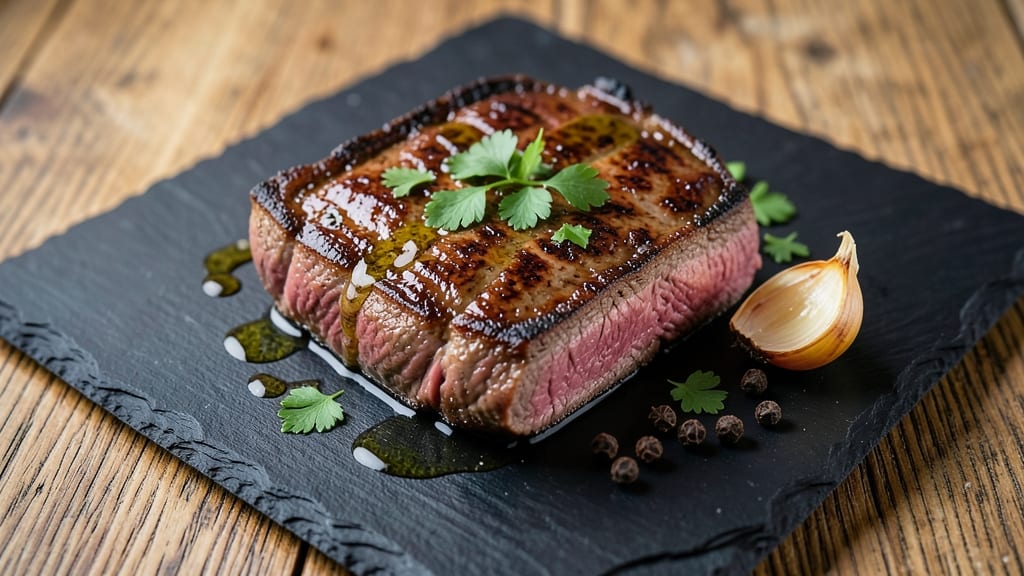
Jamie Oliver's sirloin steak recipe delivers that perfect balance of seared crust and juicy centers every time—no fancy equipment required. The secret lies in precise temperature control and a simple seasoning approach that lets the beef shine.
I've been perfecting this technique for years, and it never fails to impress even skeptical meat lovers. What makes it special is how the high-heat sear creates a flavorful crust while keeping the interior tender and moist.
This method transforms a simple cut of sirloin into a restaurant-worthy main course with just five key steps: proper seasoning, high-heat searing, careful basting, and essential resting time. The beauty of this recipe is its adaptability—whether you're cooking for two or feeding a crowd, the same principles apply.
What sets it apart is how the beef develops rich caramelized flavors without becoming tough or dry.
By following these exact techniques, you'll achieve steak with a deep mahogany crust that gives way to perfectly pink centers—juicy enough to melt in your mouth. The aroma alone will have everyone anticipating dinner, and the first bite delivers that satisfying contrast of textures.
This is the kind of steak that makes people ask for seconds before they've even finished their first.
Pair it with classic sides like roasted garlic mashed potatoes or a simple green salad to complete the meal. The recipe's simplicity makes it perfect for weeknight dinners while still feeling special enough for guests. Let's get started on creating your perfect steak.
Ingredients for jamie oliver sirloin steak
Five ingredients make this steak restaurant-quality with a juicy center and perfect crust.
| Ingredient | Amount | Notes |
|---|---|---|
| Sirloin Steak 🥩 | 1 ½ lb | Center-cut for even cooking |
| Kosher Salt 🧂 | 1 ½ tsp | Coarse grain preferred |
| Freshly Ground Black Pepper 🌶️ | 1 tsp | Freshly cracked for best flavor |
| Extra-Virgin Olive Oil 🫒 | 2 tbsp | High smoke point preferred |
| Unsalted Butter 🧈 | 2 tbsp | Cold, cut into small pieces |
| Garlic Cloves 🧄 | 2 cloves | Minced, for basting |
| Fresh Rosemary 🌿 | 1 tbsp | Chopped, for aroma |
| Fresh Thyme 🌿 | 1 tbsp | Chopped, for brightness |
| Fresh Parsley 🌿 | 1 tbsp | Chopped, for garnish |
| Heavy Cream 🥛 | ¼ cup | For basting (optional) |
| Red Wine 🍷 | ½ cup | Dry, for deglazing |
| Beef Stock 💧 | ¼ cup | For basting (optional) |
The sirloin is your star—center-cut gives the most even cooking. Costco or Whole Foods sell great cuts, but any well-marbled steak works. Look for 1-inch thick pieces (they're perfect for this method). If your steakhouse sells pre-cut sirloin, grab it there—it's already trimmed and ready. The rosemary and thyme should smell vibrant, not dried out. I always buy fresh herbs from the grocery store's produce section and chop them right before cooking (they lose flavor fast).
No red wine? Beef stock or dry sherry works just as well for deglazing. The heavy cream is optional but adds a silky finish—substitute with whole milk if you're avoiding dairy. The garlic and parsley can be dried in a pinch (use half the amount), but fresh is worth it for that bright pop. For the butter, don't skip the cold pieces—they melt beautifully during searing and add richness. If you're cooking for more than four, double the butter and wine—it makes all the difference for crowd-sized steaks.
Steaks rest best on a wire rack set over a baking sheet (keeps them from steaming). Cover loosely with foil if prepping ahead. The basting liquids (wine, stock, cream) can be made in advance and reheated gently. Store leftover steaks in an airtight container for up to 3 days—they reheat beautifully in a skillet with a splash of beef stock. For leftovers, slice against the grain for easier eating, and save the juices for gravy.
Why You'll Love This Recipe
- Pan-Fried Perfection: I swear by this method—just a hot pan, a drizzle of olive oil, and that butter basting. No fancy gadgets, no stress. The steak practically sears itself while you sip your wine.
- Butter-Basted Magic: That moment when you flip the steak and the butter pools around it? Chef’s kiss. The olive oil gives it a silky crust, while the butter melts into a golden, herby sauce—no extra ingredients needed.
- Weeknight or Weekend: Throw it on the table for a quick Tuesday dinner or a fancy Friday date night. Same recipe, different vibes. Even my picky dad asks for seconds when it’s on the menu.
- Leftovers That Don’t Suck: Cold slices the next day? Still delicious. Toss them in a wrap with mustard and pickles, or slice them thin for a budget-friendly stir-fry. No sad, dry steak here—just versatile, flavor-packed protein.
Step-by-step instructions for jamie Oliver's sirloin steak
This method delivers a restaurant-quality sirloin with perfect sear and melt-in-your-mouth tenderness.
Season and Sear the Sirloin Steak
Take the 1.5 lb sirloin steak out of the fridge and pat it completely dry with paper towels—this is crucial for maximum crispiness. Season both sides generously with 1.5 tsp kosher salt and 1 tsp freshly ground black pepper, pressing the seasoning into the meat so it adheres. Let it sit at room temperature for 20-30 minutes while you prep everything else.
Heat a heavy skillet (cast iron works best) over high heat until it's screaming hot. Add 2 tbsp extra-virgin olive oil and let it shimmer for 1 minute. Place the steak in the pan and sear for 3-4 minutes per side—don't move it until you see a deep golden crust form. For the last 1 minute, add the 2 tbsp cold unsalted butter and the 2 minced garlic cloves, letting them baste the steak. You'll know it's ready when the internal temperature reaches 130°F for medium-rare (use a meat thermometer). Transfer to a cutting board and tent loosely with foil.
Deglaze and Build the Pan Sauce
Keep the skillet on the heat and pour in the 0.5 cup dry red wine, scraping up all those delicious browned bits from the bottom with a wooden spoon. Let it simmer for 2-3 minutes until reduced by half. Add the 0.25 cup beef stock and bring to a gentle simmer, letting it cook down until slightly thickened.
Stir in the 1 tbsp chopped fresh rosemary and 1 tbsp chopped fresh thyme, letting the flavors meld for 1 minute. Remove from heat and whisk in the 0.25 cup heavy cream—this adds richness while keeping the sauce light. Taste and adjust seasoning with more salt or pepper if needed. The sauce should coat the back of a spoon but still be silky smooth.
Rest and Slice the Steak
Let the steak rest for 10-15 minutes before slicing—this is where the magic happens. The juices redistribute, ensuring every bite is moist and flavorful. While it rests, warm your plates in the oven if you're feeling fancy, or just keep them nearby.
Slice the steak against the grain into ¼-inch thick pieces. The grain runs horizontally across the steak—you'll see the muscle fibers if you look closely. Spoon the pan sauce over each serving and garnish with 1 tbsp chopped fresh parsley. Serve immediately with crusty bread or roasted vegetables to soak up every last drop of that incredible sauce.
Pro Tips For Making Jamie Oliver Sirloin Steak
- Preheat Pan Like It’s 1985: Cast iron or stainless steel—get that sucker screaming hot for 5 minutes before the steak hits the pan. I used to rush this, and the butter would just melt into a sad, greasy puddle instead of creating that golden crust. High heat. Seriously, crank it up until you see a thin layer of smoke.
- Salt the Butter: That unsalted butter in the pan? Toss in a pinch of kosher salt while it’s melting—it’ll dissolve right in and give your steak an extra layer of seasoning. I learned this the hard way when my steak tasted flat, even after salting the meat itself.
- Don’t Move the Steak: Let it sear undisturbed for 2-3 minutes per side. I know, I know—it looks terrifying when it’s blackened in spots, but that’s how you get the crust. Poking or flipping too soon ruins all the magic. (Yes, even if you’re impatient like me.)
- Rest It Properly: After cooking, transfer the steak to a plate and tent it loosely with foil for 5-10 minutes. I used to skip this, and the steak would turn out dry and sad. The rest time lets the juices redistribute—no one wants a steak that’s basically a shoe leather center.
Essential equipment for perfect results
Cast Iron Skillet
This is my non-negotiable tool for perfect steaks—the Lodge 10.25-inch cast iron skillet is my go-to because it retains heat like a dream and develops that coveted crust. The weight ensures even cooking, and the pre-seasoned surface prevents sticking.
If you don’t have cast iron, a heavy stainless steel skillet (like All-Clad) works too, but it won’t get quite as hot. Pro tip: Always preheat your skillet until it’s screaming hot—you should see smoke when you add the oil. 🔥
Meat Thermometer
A ThermoWorks Smoke or MeatStick thermometer is essential for nailing the perfect internal temperature. I check the steak’s thickest part—130°F for medium-rare—and never guess. These thermometers are affordable, accurate, and last forever.
For budget options, the OXO Good Grips works well too. Without one, you risk overcooking or undercooking your steak, and nobody wants dry meat. 🌡️
Tongs for Handling
Use heavy-duty tongs (like Victorinox 7-inch) to flip your steak—never a fork! Piercing the meat releases juices, leading to a dry result. I also keep a small offset spatula handy for scraping up those flavorful browned bits (fond) during deglazing.
These tools are inexpensive but make a world of difference in texture and flavor control.
Wire Rack and Baking Sheet
For resting the steak, a wire rack placed over a baking sheet is a game-changer. It allows air circulation so the crust doesn’t turn soggy. I use the OXO Good Grips rack, which fits perfectly in most ovens.
If you’re short on space, a clean kitchen towel works in a pinch—just don’t cover it tightly. This step ensures every slice stays juicy and delicious. ❄️
Wooden Spoon for Deglazing
A high-quality wooden spoon (like Ozeri 12-inch) is perfect for deglazing the pan after searing. It scrapes up all those flavorful browned bits without scratching your skillet.
Avoid metal utensils here—they can damage the pan’s seasoning. I also keep a small whisk nearby to emulsify the sauce smoothly when adding cream. 🍷
Fresh Herb Knife
For chopping rosemary, thyme, and parsley, a sharp herb knife (like Victorinox 6-inch) makes quick work of it. Fresh herbs add brightness to the pan sauce, so I never skimp on quality.
If you’re short on time, a microplane works for zesting garlic or finely grating herbs, but fresh chopped is always better. Keep your herbs in the fridge until ready to use—they lose flavor fast once chopped. 🌿
Nutrition facts
Frequently asked questions
Can I use this recipe with thicker or thinner steaks?
This recipe works best with 1-inch thick sirloin steaks. For thinner cuts (½-inch), reduce searing time to 2 minutes per side and check for doneness at 125°F for medium-rare. Thicker cuts (>1.5 inches) need 4-5 minutes per side and should reach 130°F in the center. Always use a meat thermometer to avoid guessing!
What if I don't have red wine for the sauce?
No problem! Substitute with 0.5 cup dry sherry or 0.5 cup beef stock—both work beautifully. For extra depth, add 1 tsp soy sauce or a pinch of Worcestershire sauce to the pan sauce. The key is using something acidic to deglaze and create flavor.
How do I fix an overcooked steak?
If your steak is overcooked (dry), don't panic! Slice it thinly against the grain and serve with extra pan sauce or a creamy mashed potato topping. For medium-rare lovers, try the reverse sear method: Bake at 250°F until 120°F internal, then sear briefly. This gives you more control over doneness.
Can I make this ahead of time?
Cook the steak completely (to 145°F for medium), let it cool, then refrigerate in an airtight container for up to 3 days. Reheat in a skillet with 2 tbsp butter and 2 tbsp beef stock over medium heat until warmed through. The sauce can be made a day ahead and reheated gently. Just avoid slicing until ready to serve!
What's the best way to serve this steak?
Pair it with classic sides like creamy garlic mashed potatoes, roasted asparagus, or a simple arugula salad with lemon vinaigrette. For a hearty meal, add crusty bread to soak up the pan sauce. The steak's rich flavors work beautifully with earthy vegetables or bright citrus notes to cut through the richness.