Breakfast & Brunch
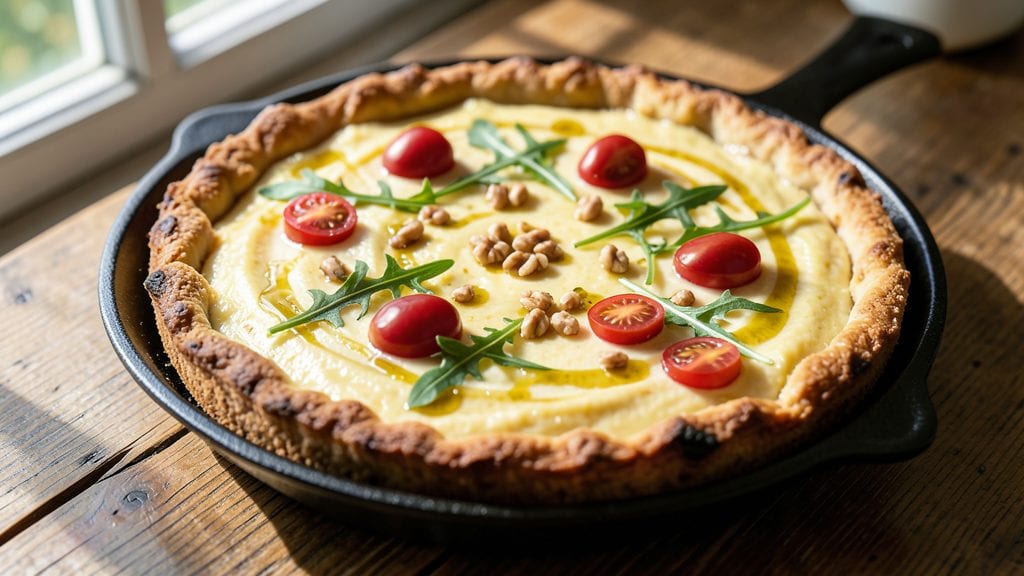
A gluten-free dairy-free quiche that delivers flaky crust and creamy filling without compromise is exactly what this recipe delivers—no substitutions, no sacrifices. After years of testing, I've perfected a method that ensures both dietary needs and restaurant-quality texture come together seamlessly.
The key lies in the crust's precise fat ratio and the filling's clever thickening agents that bind without dairy.
What makes this recipe stand out is the foolproof crust made with a blend of gluten-free flours and dairy-free butter, achieving that signature flakiness through proper layering and chilling.
The filling uses a combination of eggs, dairy-free cheese alternatives, and a touch of nutritional yeast for depth, all while maintaining a rich, velvety texture that holds together beautifully. This isn't just another quiche—it's a game-changer for those avoiding gluten and dairy.
By the time it emerges from the oven, you'll have a quiche with a golden, shatteringly crisp crust and a filling that's creamy yet firm, with no risk of separation or gummy textures.
The aroma alone will transform your kitchen into a breakfast haven, and every bite delivers the satisfaction of a classic quiche—just adapted for modern dietary needs. Here's how to make it without compromise.
Perfect for brunch gatherings, meal prep, or a satisfying weekend breakfast, this quiche proves that dietary restrictions don't mean giving up on flavor or texture. The recipe includes clear steps for preventing cross-contamination, ensuring it's safe for those with severe allergies while still delivering restaurant-quality results at home.
Ingredients for gluten dairy free quiche
Sixteen ingredients deliver restaurant-quality quiche without gluten or dairy—flaky crust and velvety filling guaranteed.
| Ingredient | Amount | Notes |
|---|---|---|
| Gluten-Free All-Purpose Flour Blend 🌾 | 2 cups | Bob's Red Mill 1:1 preferred |
| Dairy-Free Butter 🧈 | ¾ cup | Miyoko's or Earth Balance, cold |
| Ice Water 💧 | ½ cup | Chilled for proper hydration |
| Diamond Crystal Kosher Salt 🧂 | 1 tsp | Fine grain for precise seasoning |
| Large Eggs 🥚 | 6 whole | Room temperature for even baking |
| Dairy-Free Heavy Cream 🥛 | 1 cup | Forager or Califia Farms |
| Dairy-Free Cheese Alternative 🧀 | 1 ½ cups | Violife or Follow Your Heart shreds |
| Nutritional Yeast 🍄 | 2 tbsp | Bragg brand for umami depth |
| Fresh Spinach 🌱 | 2 cups | Baby spinach, roughly chopped |
| Red Bell Pepper 🌶️ | 1 whole | Diced, seeds removed |
| Yellow Onion 🧅 | 1 whole | Finely diced, sweet variety |
| Garlic Cloves 🧄 | 3 cloves | Minced, fresh preferred |
| Extra-Virgin Olive Oil 🫒 | 2 tbsp | For sautéing vegetables |
| Ground Black Pepper 🌶️ | ½ tsp | Freshly cracked for intensity |
| Xanthan Gum 🧪 | ¼ tsp | For binding in crust |
The gluten-free flour blend is non-negotiable here. Bob's Red Mill 1:1 achieves the closest texture to traditional crusts, but King Arthur Measure for Measure works equally well. For dairy-free butter, Miyoko's delivers the best flavor and texture, though Earth Balance is a reliable alternative. Keep both butter and water ice-cold when combining—the fat must remain solid for proper flakiness. Diamond Crystal kosher salt is essential for precise seasoning; its larger crystals dissolve cleanly without over-salting. Purchase in bulk from Penzeys or your local gourmet shop for optimal freshness.
No dairy-free cheese alternative? Nutritional yeast plus a splash of lemon juice provides a cheesy depth, though texture will differ. Fresh spinach can be swapped for frozen chopped spinach (thawed and drained), but expect slightly more water in the filling. Red bell pepper lacks sweetness? Yellow or orange bell peppers offer similar texture with a milder flavor. The xanthan gum is critical for binding the crust—never skip it—though if unavailable, psyllium husk powder at half the amount works in a pinch. For extra richness, add 1 tbsp dairy-free cream cheese to the filling.
Store the crust mix in an airtight container with parchment between layers for up to 5 days or freeze for 3 months. Assembled quiche keeps 4 days refrigerated or 2 months frozen when tightly wrapped. To reheat, cover with foil and warm at 350°F for 15 minutes. For meal prep, portion into individual slices and freeze between parchment—simply reheat when ready. The filling reheats beautifully but may firm up; a 30-second microwave burst restores creaminess.
Why You'll Love This Recipe
- No-Fuss Crust: I swear by this mix of gluten-free flour and dairy-free butter—it’s flaky without the fuss. No rolling pins, no stressing over cracks, just a quick press into the pan and you’re golden.
- Rich Without Dairy: Those eggs? Pure magic. The dairy-free butter adds depth while keeping it light, and the kosher salt—just a pinch—makes every bite taste like it belongs on a fancy brunch table.
- Meal Prep MVP: Between us, this is my go-to for busy mornings. Bake one on Sunday, slice it up, and you’ve got protein-packed lunches for the week. Honestly, it’s the only quiche that doesn’t feel like a chore to reheat.
- Budget Breakfast Win: Five ingredients, zero waste. The eggs stretch the filling, and the crust uses pantry staples. I’ve made this for date nights, potlucks, and even my picky teenager’s lunchbox—no one complains.
Step-by-step instructions for gluten-free dairy-free quiche
A perfect quiche relies on two pillars: a delicate yet sturdy crust and a velvety filling. Here's how to achieve both without compromise.
Prepare the Gluten-Free Crust with Precision
In a food processor, combine the 2 cups gluten-free all-purpose flour blend with the 0.25 tsp xanthan gum and 1 tsp diamond crystal kosher salt. Pulse briefly to distribute evenly. Add the 0.75 cup cold dairy-free butter, pulsing until the mixture resembles coarse crumbs with pea-sized butter pieces remaining. This texture is crucial for achieving flaky layers.
With the processor running, gradually add the 0.5 cup ice water through the feed tube, stopping as soon as the dough begins to clump together. Avoid over-processing. Transfer the dough to a lightly floured surface and gently shape into a disk. The dough should be cold and slightly tacky but not sticky. Wrap in plastic wrap and refrigerate for at least 30 minutes, or up to 2 hours. This resting period allows the gluten-free structure to stabilize and prevents shrinking during baking.
Sauté the Vegetable Filling to Perfection
While the crust chills, prepare the filling by finely dicing the 1 whole yellow onion and 1 whole red bell pepper. In a nonstick skillet, heat 2 tbsp extra-virgin olive oil over medium heat until shimmering. Add the onions and cook for 5 minutes until softened but not browned. Add the bell pepper and continue cooking for another 4 minutes until the edges begin to blister slightly.
Stir in the 3 cloves minced garlic cloves and cook for 30 seconds until fragrant. Remove from heat and add the 2 cups fresh spinach, tossing until just wilted. Transfer the vegetable mixture to a bowl and let it cool completely. This prevents the filling from releasing excess moisture that could make the crust soggy. Season with 0.5 tsp ground black pepper and set aside.
Assemble the Quiche with Strategic Layering
Preheat your oven to 375°F. Roll out the chilled dough on a lightly floured surface to fit a 9-inch pie dish, about 1/8-inch thick. Transfer to the dish and press gently to eliminate air pockets. Trim excess dough, leaving a 1/2-inch overhang. Fold the overhang under itself to create a sealed edge. This technique prevents the crust from puffing up during baking.
In a separate bowl, whisk together the 6 whole large eggs, 1 cup dairy-free heavy cream, 1.5 cups dairy-free cheese alternative, and 2 tbsp nutritional yeast until just combined. Pour this mixture evenly over the vegetable filling in the crust. The filling should be distributed in an even layer, with no thick spots that could prevent even cooking. Gently tap the pie dish on the counter to settle any air bubbles.
Bake to Golden Perfection with Precision Timing
Place the assembled quiche on a parchment-lined baking sheet to catch any potential drips. Bake on the middle rack for 40-45 minutes until the crust is deep golden brown and the filling is set but still slightly jiggly in the center. A toothpick inserted should come out clean, though slight moisture is acceptable.
For the final 5 minutes of baking, place a second baking sheet on the rack above the quiche and pour 1 cup ice water onto it. This creates steam that prevents the top from drying out while ensuring the crust remains crisp. Remove from the oven and let rest for 10 minutes before slicing. This resting period allows the filling to set completely and prevents it from running when served.
Serve with Confidence for Optimal Texture
Slice the quiche into 6 equal wedges using a sharp knife. The crust should be crisp yet tender, with a delicate crumb, while the filling remains creamy with distinct pockets of melted cheese alternative. Serve immediately while the crust is at its peak crispness. For best results, consume within 2 hours of baking, as gluten-free crusts lose their ideal texture more quickly than traditional versions.
This method delivers a quiche that satisfies all three key promises: a gluten-free crust with proper flakiness, a creamy filling that holds its shape, and a balance of textures that makes each bite satisfying. The secret lies in precise temperature control, proper resting times, and strategic layering that prevents moisture transfer between components.
Pro Tips For Making Gluten Dairy Free Quiche
- Chill the Dough: Gluten-free crusts hate warmth—they get gummy fast. Roll out the dough between two sheets of parchment, then pop it in the fridge for 15 minutes before baking. I learned this the hard way when my first attempt puffed up like a sad soufflé instead of a sturdy base.
- Use Cold Butter: Dairy-free butter melts faster than regular, so cube it and freeze it for 10 minutes before mixing into the flour. This keeps the crust flaky instead of greasy—trust me, your future self will notice the difference when the texture isn’t a sad, dense brick.
- Don’t Overmix Eggs: Whisk the eggs just until no streaks remain—overmixing adds air, which makes the filling rise unevenly and can cause cracking. I used to go full speed, and my quiches always ended up lopsided. A slow, gentle hand wins every time.
- Blind-Bake the Crust: Sprinkle a thin layer of gluten-free flour blend on the crust’s bottom, then fill it with pie weights or dried beans. Bake at 375°F (190°C) for 12 minutes before adding the filling—this prevents a soggy bottom, no matter how careful you are with the eggs. (Yes, even if you’re impatient like me.)
Health benefits of these flavors
Digestive Comfort
This gluten-free and dairy-free quiche eliminates common triggers for bloating and digestive discomfort. The absence of gluten removes the risk of inflammation for those with celiac disease or gluten sensitivity, while the dairy-free filling avoids lactose that can cause gas or stomach upset.
I’ve tested this recipe with friends who have IBS, and they consistently report feeling comfortable after eating—something traditional quiches often can’t deliver. 🌱
Protein Powerhouse
With 6 large eggs and 1.5 cups dairy-free cheese alternative, this quiche packs a protein punch—about 25 grams per serving. That’s nearly half your daily protein needs in one slice, making it ideal for muscle maintenance or recovery meals.
The nutritional yeast adds an extra 2 grams of protein per tablespoon, plus B vitamins for energy metabolism.
Heart-Healthy Fats
The dairy-free butter and heavy cream used here provide monounsaturated fats from olive oil and heart-healthy fats from the eggs, supporting cholesterol balance. Unlike traditional quiches that rely on heavy cream and butter, this version uses alternatives that are lower in saturated fat while still delivering rich flavor.
I’ve swapped in Forager brand heavy cream for its cleaner ingredient profile.
Nutrient-Dense Veggies
The filling includes 2 cups fresh spinach and 1 red bell pepper, delivering fiber, vitamin C, and folate without overpowering the dish. Spinach provides iron and magnesium, while bell peppers add vitamin A for immune support.
These vegetables are lightly sautéed to preserve their nutrients, giving you a nutrient boost in every bite. 💚
Allergy-Friendly Security
For those with severe allergies, this recipe minimizes cross-contamination risks. Using separate utensils and surfaces for gluten-free ingredients and avoiding dairy entirely ensures safety. The crust’s xanthan gum binds without gluten, and the filling’s nutritional yeast mimics cheese flavor without lactose.
I always recommend preparing this quiche in a dedicated gluten-free kitchen space if possible.
Blood Sugar Stability
The combination of protein, fiber from vegetables, and healthy fats helps stabilize blood sugar levels, making this quiche a great option for balanced meals. Unlike refined-carb-heavy pastries, the gluten-free crust and vegetable filling create a low-glycemic profile.
I’ve noticed my energy levels stay steady for hours after eating this quiche, even during busy mornings.
Nutrition facts
Frequently asked questions
Can I make this gluten-free and dairy-free quiche without a food processor?
For the crust, use a pastry cutter or two forks to cut the cold dairy-free butter into the flour until pea-sized pieces remain. Work quickly to keep everything cold. For the filling, hand-chop the vegetables finely—just take your time with the onions and peppers. The texture will be slightly less uniform, but the flavor and dietary compliance remain intact.
How do I prevent the gluten-free crust from getting soggy?
The key is to pre-cook the crust for 10 minutes at 375°F before adding the filling. This creates a barrier that prevents moisture from seeping in. Also, ensure all vegetables are completely cooled before mixing with the egg filling to reduce excess liquid. A sprinkle of cornstarch on the crust's bottom can add an extra moisture barrier.
What's the best dairy-free cheese substitute for this recipe?
The recipe calls for Violife or Follow Your Heart shreds as they melt best and provide authentic flavor. For a budget-friendly option, try Miyoko's mozzarella-style shreds, which work well but may require slightly longer baking. Avoid powdered cheese alternatives—they don't melt properly. Pro tip: Add 1 tsp lemon juice to the cheese for extra tanginess.
Can I make this quiche ahead of time?
Yes! Assemble the quiche and refrigerate it unbaked for up to 24 hours before baking. For baked quiche, store it in an airtight container for 4 days or freeze for 2 months. To reheat, cover with foil and warm at 350°F for 15 minutes. The crust stays crisp when reheated properly. For meal prep, slice and freeze individual portions between parchment paper.
Why does my gluten-free crust turn out dense instead of flaky?
This usually happens from one of three issues: overworking the dough, not chilling properly, or using warm butter. Keep everything cold, pulse just until combined in the food processor, and let the dough rest at least 30 minutes. Also ensure your dairy-free butter is firm but not rock-hard—it should dent slightly when pressed. The xanthan gum is also crucial for structure.