
Main Courses
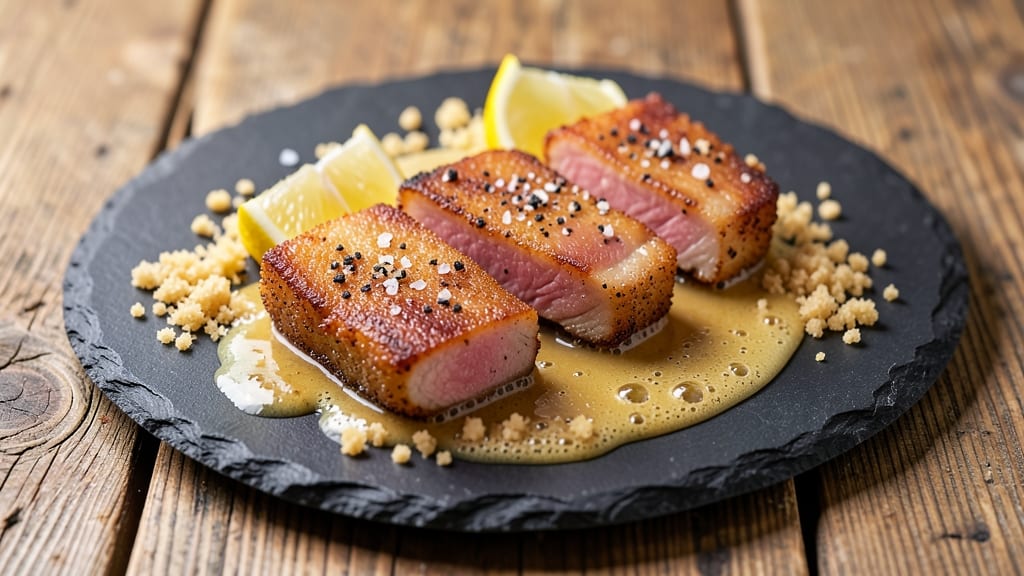
Mastering this fried moose heart recipe means balancing crispy edges with a tender interior—something I’ve perfected after years of experimenting with game meats.
The key lies in a careful marinade to tenderize the meat and a precise breading technique that ensures a golden, shatteringly crisp exterior while keeping the inside juicy and rich. This isn’t just another fried meat recipe; it’s a method that transforms an unusual ingredient into a restaurant-worthy dish.
The process begins with a 24-hour marinade using buttermilk and a blend of spices that penetrate deeply, breaking down the natural toughness of the moose heart.
From there, a double-dredge in seasoned flour and panko creates that signature crunch, while frying at the right temperature—350°F—locks in moisture and delivers the crispy texture you’re after.
Every step is designed to maximize flavor and texture, ensuring you don’t end up with a dish that’s either too chewy or greasy.
What you’ll end up with is a plate of crispy, golden-brown moose heart that’s tender enough to cut with a fork, with a flavor profile that’s rich, slightly sweet, and deeply savory.
The crispy edges give way to a melt-in-your-mouth interior, making it a dish that’s equal parts impressive and satisfying. Serve it with a side of lemon wedges to cut through the richness or a simple arugula salad to balance the plate.
This recipe isn’t just about the technique—it’s about respecting the ingredient. Moose heart is leaner and more delicate than traditional cuts, so handling it properly is just as important as the cooking process.
With these instructions, you’ll not only achieve the perfect texture but also a dish that feels special enough to share. Let’s get started on creating something truly memorable.
Ingredients for fried moose heart
Fourteen ingredients transform wild moose heart into a restaurant-worthy crispy-tender masterpiece.
| Ingredient | Amount | Notes |
|---|---|---|
| Fresh Moose Heart 🦌 | 1 ½ lb | Trimmed of excess fat and silver skin |
| Buttermilk 🥛 | 2 cups | Full-fat for optimal tenderness |
| All-Purpose Flour 🌾 | 1 ½ cups | For first dredge, sifted |
| Japanese Panko Breadcrumbs 🍞 | 1 ½ cups | Light and crispy texture |
| Large Eggs 🥚 | 2 whole | Room temperature for even coating |
| Vegetable Oil 🫒 | 4 cups | High smoke point preferred |
| Kosher Salt 🧂 | 1 ½ tsp | Fine grain for even distribution |
| Ground Black Pepper 🌶️ | 1 tsp | Freshly cracked preferred |
| Garlic Powder 🧄 | 1 tsp | For subtle depth of flavor |
| Onion Powder 🧅 | ½ tsp | Enhances savory notes |
| Paprika 🌶️ | ½ tsp | Smoked variety for color |
| Lemon Wedges 🍋 | 4 whole | For serving, fresh squeezed |
| Fresh Arugula 🌱 | 4 cups | Baby leaves for salad base |
| Extra-Virgin Olive Oil 🫒 | 2 tbsp | For salad dressing |
The moose heart is the star, so source it carefully. Local game processors or specialty butchers are your best bet—look for cuts that are lean but not fibrous. If you can't find fresh, vacuum-sealed frozen works too, just thaw it overnight in the fridge. The buttermilk marinade is non-negotiable; it tenderizes the lean meat while adding richness. For the flour, Bob's Red Mill is a reliable choice, but any high-quality all-purpose will do. Panko should be light and airy—none of that dense, hard stuff. If you're in a pinch, pulse regular breadcrumbs in a food processor for a second to lighten them up.
No buttermilk? Substitute with 2 cups plain yogurt plus 1 tbsp lemon juice. Running short on panko? Crushed cornflakes or matzo meal work surprisingly well for extra crunch. The spices are flexible—swap paprika for a pinch of cayenne if you want heat, or add 1/4 tsp of dried thyme for earthiness. For the salad, mixed greens work if arugula isn't available, but the peppery bite balances the richness perfectly. The olive oil for dressing should be fruity and peppery—none of that mild stuff. If you're feeling fancy, add a splash of balsamic vinegar to the dressing for depth.
This dish is best served immediately after frying, but you can reheat in a 375°F oven for 5-7 minutes if needed. The moose heart keeps for 2 days in the fridge if wrapped tightly in foil, though texture suffers after that. For the salad, store components separately—dressing on the side keeps greens crisp. The panko mixture can be prepped a day ahead and stored in an airtight container. Just don't bread the meat until ready to fry—it loses crispiness fast. Freezing isn't recommended for the fried pieces, but the raw, marinated moose heart freezes beautifully for up to 3 months.
Why You'll Love This Recipe
- Crispy in Minutes: The panko crust gets golden fast—no waiting for breading to set. I’ve fried these while chatting with guests; the buttermilk soak does all the work while you sip your drink.
- Tender Crunch Magic: That first bite? Crunchy panko gives way to buttermilk-soft moose heart—like a hug for your taste buds. Honestly, the texture alone makes it worth trying.
- Campfire to Dinner Table: Grill it over an open fire or fry it on the stove—same great result. I’ve served it at summer cookouts and weekday dinners; it’s that adaptable.
- Leftovers? Better Next Day: The crust stays crispy reheated, and the heart stays juicy. My freezer’s full of these because they’re cheaper than takeout and just as satisfying. (Yes, even on a Tuesday night.)
Step-by-step instructions for wild game crispy-edge tenderness
Master this technique for perfectly fried moose heart with a golden crust and juicy interior.
Prepare the Moose Heart for Even Cooking
Begin by trimming the 1.5 lb fresh moose heart of any remaining silver skin and excess fat—this ensures even cooking and maximum tenderness. Cut the heart into 4 equal portions, each about ½-inch thick. Pat each piece dry with paper towels to remove all surface moisture, which prevents the breading from sticking properly.
Place the trimmed pieces in a shallow dish and season both sides generously with 1 tsp of the 1.5 tsp kosher salt and ½ tsp of the 1 tsp ground black pepper. Let the seasoned pieces sit at room temperature for 15 minutes while you prepare the buttermilk marinade. This resting period allows the salt to penetrate slightly, enhancing flavor throughout the meat.
Create the Buttermilk Marinade and First Dredge
In a medium bowl, whisk together the 2 cups buttermilk, 1 tsp garlic powder, 0.5 tsp onion powder, and 0.5 tsp paprika until fully combined. Place the seasoned moose heart pieces in this marinade and let them soak for 10 minutes, turning once halfway through. This step tenderizes the meat and creates a perfect base for the breading to adhere.
After marinating, remove the pieces one at a time and lightly dredge each side in the 1.5 cups all-purpose flour, shaking off any excess. Tap the coated pieces gently against the edge of the bowl to ensure an even, thin layer of flour. This first dredge helps create a crispy foundation for the panko layer that will follow.
Set Up the Double-Fry Station
Fill a deep skillet or Dutch oven with 2 cups of the 4 cups vegetable oil and heat it to 325°F. Use a deep-fry thermometer to monitor the temperature—this lower temperature ensures the moose heart cooks through without burning the breading. In a separate shallow bowl, beat the 2 whole large eggs until frothy, then add the 1.5 cups japanese panko breadcrumbs and mix gently to combine.
While the oil heats, dip each floured moose heart piece into the beaten egg mixture, allowing any excess to drip off, then press it firmly into the panko breadcrumbs, coating all sides completely. Let the breaded pieces rest on a wire rack for 2 minutes before frying—this helps the coating adhere better and prevents it from falling off during cooking.
Fry to Golden Perfection
Carefully add 2 breaded moose heart pieces to the 325°F oil and fry for 3-4 minutes per side, or until the breading is golden brown and the internal temperature reaches 145°F. Use tongs to flip the pieces gently—don't press down, as this can cause the breading to break apart. Maintain the oil temperature throughout this process by adding more oil as needed to keep it at 325°F.
Transfer the fried pieces to a paper towel-lined plate to drain excess oil. Repeat with the remaining pieces, working in batches to avoid overcrowding the skillet. The key to success here is patience—the moose heart needs time to cook through while maintaining that crispy exterior. If the breading isn't golden enough, return the pieces to the oil for an additional 30 seconds per side.
Assemble and Serve Immediately
While the moose heart rests for 2 minutes, toss the 4 cups fresh arugula with the 2 tbsp extra-virgin olive oil, a pinch of the remaining 0.5 tsp kosher salt, and a few grinds of the remaining 0.5 tsp ground black pepper. Arrange the arugula on serving plates and place the fried moose heart pieces on top, each accompanied by a lemon wedge.
Serve immediately with the lemon wedges squeezed over the top—this bright citrus cuts through the richness of the fried meat and enhances the natural flavors. The moose heart should be golden brown with a crispy exterior that gives way to tender, juicy meat inside. Each bite should deliver that perfect contrast of textures and flavors we're after.
Pro Tips For Making Fried Moose Heart
- SCORE THE HEART THIN: Use a sharp knife and slice against the grain—no thicker than ½-inch, or you’ll end up with a chewy, uneven bite. I learned this the hard way after frying a batch that tasted like shoe leather.
- SOAK IT LONGER: The moose heart needs at least 2 hours in buttermilk—overnight if possible—to break down the fibers and soak up flavor. Skimp here, and your crust will cling like regret.
- DREDGE IN STAGES: Flour first, then egg, then panko—double-dipping isn’t lazy, it’s necessary. The first layer locks in moisture, and the second ensures that crispy, shatterable crust everyone’s after.
- FRIES BEST HOT: Get your oil smoking (350°F) before adding the hearts, and don’t crowd the pan—two at a time max. I used to rush this, and the result was soggy, greasy disappointment. (Yes, even if you’re impatient like me.)
Creative variations of these flavors
Smoky Maple Glaze Twist
Swap the buttermilk marinade for a maple-bourbon glaze by reducing ½ cup maple syrup, 2 tbsp bourbon, and 1 tsp smoked paprika to a thick syrup. Brush this onto the moose heart after frying for a caramelized, smoky-sweet finish.
I like to add ½ tsp cinnamon to the breading for warmth that pairs beautifully with the glaze. 🌟
Spicy Cajun Crunch
Boost the heat by adding 1 tbsp Cajun seasoning (like Tony Chachere’s) and ½ tsp cayenne to the panko mixture. For extra kick, mix 1 tbsp hot honey into the buttermilk marinade.
The Cajun spices add depth while the honey balances the spice—trust me, it’s a game-changer. Serve with cool dairy like buttermilk ranch to tame the heat. 🌶️
Herb-Infused Butter Dip
Elevate the dish with a garlic-herb butter dip by melting ½ cup unsalted butter, mixing in 2 minced garlic cloves, 1 tbsp chopped parsley, and ½ tsp dried thyme.
Warm the dip in a small saucepan and serve alongside the fried moose heart for dipping. The herbs complement the richness of the meat while adding a fresh, aromatic note. 💛
Asian-Inspired Five-Spice Crust
For a fusion twist, replace the standard spices with a blend of ½ tsp five-spice powder, ½ tsp ginger, and ¼ tsp star anise in the panko. The five-spice adds a warm, slightly sweet complexity that pairs wonderfully with the moose heart’s natural richness.
Serve with a side of hoisin glaze for dipping—it’s a flavor combo that surprises and delights. ✨
Citrus-Herb Marinade
Brighten the dish by marinating the moose heart in a mix of ½ cup orange juice, 1 tbsp olive oil, 1 tbsp chopped rosemary, and 1 tsp honey for 24 hours.
This citrusy marinade tenderizes the meat while adding a zesty contrast to the crispy exterior. After frying, garnish with additional fresh rosemary and a squeeze of lemon for a refreshing finish. 🍊
Cheesy Breaded Version
For a decadent twist, mix ½ cup shredded sharp cheddar into the panko before coating the moose heart. The cheese melts slightly during frying, creating a gooey, cheesy crust that’s irresistible.
I recommend using Monterey Jack for a creamier texture. Serve with a side of spicy slaw to cut through the richness. 🧀
Nutrition facts
Frequently asked questions
Is moose heart safe to eat raw or undercooked?
Never eat moose heart raw or undercooked—always cook to an internal temperature of 145°F to ensure safety. Game meats like moose heart can carry parasites or bacteria, so proper cooking is critical. The buttermilk marinade and thorough frying in this recipe eliminate any risks while enhancing tenderness.
Can I substitute moose heart with another type of game meat?
Yes, but texture and flavor will differ. Venison or elk heart works similarly, while beef heart is leaner and requires slightly less marinating time (6-8 hours instead of 24). Avoid pork or lamb hearts—they have stronger flavors that may overpower the dish.
Why does my fried moose heart turn out greasy instead of crispy?
Greasy results usually come from oil that’s too hot (375°F+) or overcrowding the pan. Maintain a steady 325°F and fry in batches. Also, ensure your moose heart is fully dried before breading—any moisture causes the coating to steam instead of crisp.
How do I store leftovers without losing crispiness?
Store fried moose heart in an airtight container for up to 2 days, but reheat at 375°F for 5-7 minutes to restore crunch. For longer storage, wrap pieces individually in foil and freeze for 1 month. Thaw overnight in the fridge before reheating.
What’s the best way to source moose heart?
Look for local game processors or specialty butchers who handle wild game. Ask for trimmed, fresh cuts—avoid pre-packaged frozen options unless vacuum-sealed. If hunting yourself, field-dress immediately and refrigerate within 4 hours to maintain quality.