
Main Courses
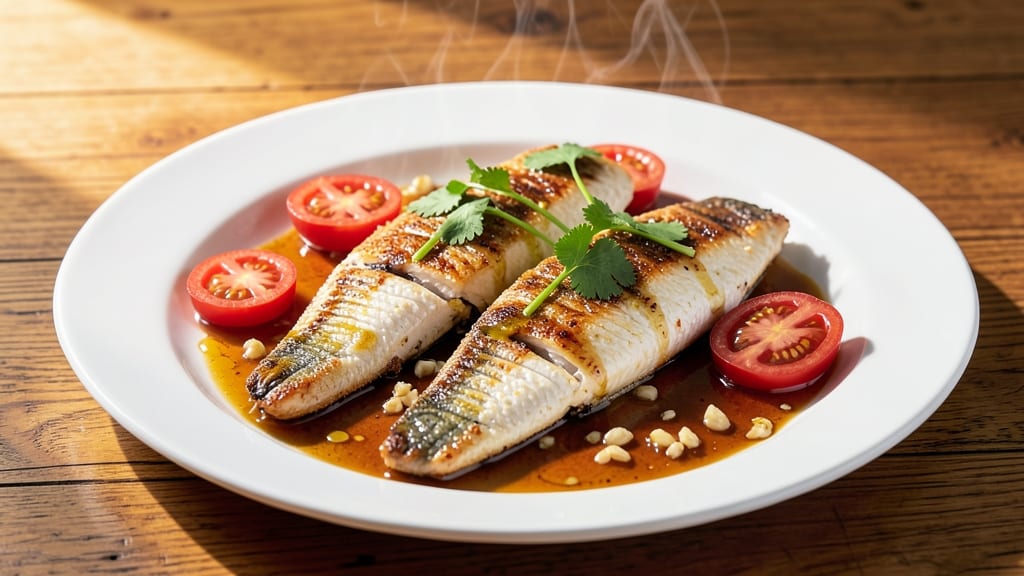
Filipino-style fish with tomatoes delivers a bold, savory-sweet harmony that transforms simple ingredients into restaurant-worthy magic. This one-pan recipe captures the essence of Filipino home cooking—where soy sauce, tomatoes, and aromatic spices create a dish that’s both comforting and deeply flavorful.
I developed this version after years of testing traditional methods, ensuring every bite delivers the perfect balance of tangy, umami-rich goodness without requiring special techniques.
The beauty of this dish lies in its simplicity: just a few fresh ingredients simmered together until the fish flakes apart and the sauce thickens into a glossy, caramelized glaze.
Traditional Filipino flavors shine through with soy sauce as the base, tomatoes adding natural acidity, and a touch of garlic and ginger for depth. The result is tender, flavorful fish with a sauce so rich it’ll have everyone asking for seconds.
What makes this recipe truly special is how it comes together in under 30 minutes with minimal prep—no marinating, no complicated steps, just one pan and a few essential ingredients.
The tomatoes soften into a velvety consistency while infusing the fish with their bright, slightly sweet notes, creating a dish that’s both pescatarian-friendly and packed with authentic Filipino soul. Serve it over steamed rice to soak up every last drop of that incredible sauce.
Perfect for weeknight dinners or special occasions, this recipe proves Filipino home cooking doesn’t have to be complicated to be extraordinary. Whether you're a seasoned cook or just starting out, the techniques here are foolproof and designed to deliver consistent, delicious results every time.
Let’s bring this flavorful dish to your table!
Ingredients for fish with tomatoes filipino
Simple ingredients, extraordinary Filipino flavors—where soy sauce, tomatoes, and aromatic spices transform humble fish into a restaurant-worthy masterpiece.
| Ingredient | Amount | Notes |
|---|---|---|
| White Fish Fillets 🐟 | 1 ½ lb | Firm white fish like cod or snapper |
| Medium Tomatoes 🍅 | 4 whole | Roma or vine-ripened for best texture |
| Light Soy Sauce 🍶 | ½ cup | Kikkoman preferred for authentic flavor |
| Garlic Cloves 🧄 | 4 cloves | Freshly minced for aromatic depth |
| Fresh Ginger 🌿 | 1 tbsp | Finely grated, not powdered |
| Extra-Virgin Olive Oil 🫒 | 2 tbsp | High-quality for balanced flavor |
| Brown Sugar 🍯 | 1 tbsp | Light or dark, packed |
| White Vinegar 💧 | 1 tbsp | For bright acidity |
| Ground Black Pepper 🌶️ | ½ tsp | Freshly cracked for heat |
| Salt 🧂 | 1 tsp | Diamond Crystal kosher preferred |
| Green Onions 🧅 | 2 whole | Thinly sliced for garnish |
| Fresh Chili Peppers 🌶️ | 1 whole | Optional, sliced for heat |
The fish is the star here, so pick firm white varieties like cod or snapper—they hold up beautifully to the long simmer. Costco or Whole Foods usually carry these in the seafood case, and you want fillets about 1-inch thick for even cooking. The tomatoes? Roma or vine-ripened are your best bets—they soften into that velvety consistency without turning mushy. If you can't find Roma, regular beefsteak tomatoes work too, but they'll release more juice. For the soy sauce, Kikkoman light soy sauce is the gold standard, but any good-quality light soy will do. The ginger and garlic? Fresh is non-negotiable—powdered just won't cut it in this dish. Grab them from the produce section, and keep an eye out for those plump, firm ginger roots with tight skin.
No light soy sauce? Substitute with 2 tbsp soy sauce plus 1 tbsp mirin for that authentic sweetness. Running short on tomatoes? Tomato paste at half the amount works, but you'll lose some of that juicy texture. The brown sugar can be swapped for coconut sugar if you're avoiding refined sugar, though it'll have a slightly different flavor profile. Fresh ginger hard to find? Powdered ginger at half the amount is better than nothing, but it won't have the same depth. The green onions are purely for garnish, but if you're feeling adventurous, try cilantro or Thai basil for a different twist. And that fresh chili? Silken tofu or banana pepper slices can replace it if you want to keep things mild.
This dish tastes even better the next day—honestly, the sauce gets richer as it sits. Store leftovers in an airtight container in the fridge for up to 3 days, or freeze for 2 months if you're planning ahead. The sauce thickens as it cools, so you might want to add a splash of water when reheating. I always make extra sauce because it's just too good to waste—drizzle it over rice, use it as a marinade, or even mix it into noodles. And if you've got leftover fish, flake it into salads or tacos for a completely different meal. The aromas alone will have everyone rushing to the table!
Why You'll Love This Recipe
- No-Fuss Weeknight Win: I swear by this when I’m too tired to think. Just slice tomatoes, mince garlic and ginger—no peeling, no fancy techniques—and let the soy sauce do the heavy lifting. The fish cooks in the same pan, so cleanup is a joke.
- Umami Bomb: That light soy sauce and ginger? They turn simple white fish into something ridiculously flavorful. The tomatoes caramelize just enough to add sweetness, while the garlic gives it this deep, savory punch—like a hug in a pan.
- Lunchbox Hero: Between us, this reheats perfectly for work lunches. Pack the leftovers with rice, and the fish stays tender while the sauce clings to every bite. My coworkers still ask for seconds, and I just smile while eating mine first.
- Budget-Friendly Flex: White fish is cheap, tomatoes are cheap, and a little soy sauce stretches far. I’ve fed four people for under $15 with this, and honestly? It’s just as satisfying as any fancy seafood dish. Plus, the leftovers last days—no waste, all flavor.
Step-by-step instructions for one-pan soy-sauce simmered fish with tomatoes
This vibrant Filipino dish delivers restaurant-quality flavor in a single pan—crispy fish, sweet-savory tomatoes, and aromatic spices all working in harmony.
Prepare the Fish and Aromatics
Pat the 1.5 lb white fish fillets completely dry with paper towels—this ensures maximum crispiness when seared. Season both sides generously with 1 tsp salt and 0.5 tsp ground black pepper, pressing the seasoning into the flesh. Set aside while you prepare the aromatics.
In a small bowl, combine the 4 cloves garlic cloves (minced), 1 tbsp fresh ginger (finely grated), and 1 tbsp brown sugar. This aromatic blend forms the flavor foundation of the dish, balancing sweetness with depth. Let it sit for 5 minutes while you prep the tomatoes—this allows the ginger to soften slightly and release its essential oils.
Sear the Fish to Golden Perfection
Heat 2 tbsp extra-virgin olive oil in a large, deep skillet over medium-high heat until shimmering. Add the fish fillets skin-side down and cook undisturbed for 3-4 minutes until the edges turn opaque and golden brown. Flip carefully and cook the other side for another 2-3 minutes—the fish should release easily from the pan when ready.
Transfer the seared fish to a plate and set aside. Here's the thing—don't overcrowd the pan. Cooking the fish in batches prevents steaming and ensures a proper sear. The residual oil in the pan will form the base for your sauce, so don't wipe it clean.
Build the Tomato-Ginger Sauce
In the same skillet (with all that delicious fish oil), add the prepared garlic-ginger-sugar mixture and cook for 1 minute until fragrant. Add the 4 whole medium tomatoes, cut into wedges, and cook for 5-6 minutes until they begin to soften and release their juices. Stir occasionally to prevent sticking.
Pour in the 0.5 cup light soy sauce and 1 tbsp white vinegar, scraping up any browned bits from the bottom of the pan. This deglazing step captures all the concentrated flavors. Let the mixture simmer for 3-4 minutes until the tomatoes break down into a chunky, slightly thickened sauce. The vinegar brightens the flavors while the soy sauce adds umami depth.
Finish with the Fish and Garnish
Return the fish to the skillet, spooning the tomato sauce over and around the fillets. Simmer gently for 2-3 minutes until the fish is cooked through and the sauce has coated the fish evenly. The internal temperature should reach 145°F—fish is done when it's just opaque throughout and flakes easily with a fork.
Remove from heat and let the dish rest for 2 minutes. This brief resting period allows the fish to absorb the sauce without falling apart. Garnish with thinly sliced 2 whole green onions and, if using, sliced 1 whole fresh chili pepper for a subtle heat. The green onions add freshness while the chili pepper brings a bright, spicy finish that cuts through the richness.
Serve with Confidence
Divide the fish and sauce among 4 plates, ensuring each serving gets an equal portion of the vibrant tomato sauce. The fish should be tender with a crispy exterior, the sauce should be glossy with just the right balance of sweet, tangy, and umami flavors, and each bite should deliver that perfect harmony of textures and tastes.
Serve immediately with steamed jasmine rice to soak up every last drop of that incredible sauce. This dish is best enjoyed fresh while the fish is still warm and the sauce is at its peak flavor. The combination of crispy fish, sweet-savory tomatoes, and aromatic spices makes this a showstopper for any meal—simple yet incredibly satisfying.
Pro Tips For Making Fish With Tomatoes Filipino
- Sear Fish First: Hit the fish with a quick, hot pan—no oil needed—just 2 minutes per side until golden. I learned this the hard way: skipping the sear means the fish absorbs all the tomato sauce instead of holding its shape. Let it rest 3 minutes after cooking, or it’ll fall apart when you plate it.
- Dice Tomatoes Small: Cut those tomatoes into ¼-inch pieces, not chunks. Too big, and they’ll turn mushy; too small, and they’ll disappear into the sauce. My grandmother swore by this, and she was right: the texture stays bright and the flavor sings.
- Bloom Garlic in Oil: Cook the minced garlic in oil for 30 seconds before adding ginger—just until it’s fragrant, not brown. I used to rush this, and the dish always tasted flat. That quick bloom builds the flavor base the sauce needs to shine.
- Simmer Sauce Low: Reduce heat to medium-low once the tomatoes hit the pan—this isn’t a race. Too high, and the soy sauce burns before the tomatoes soften. I was skeptical until I tried it: the sauce thickens evenly and tastes richer, not bitter.
Essential equipment for this recipe
Skillet Essentials
Start with a large, deep skillet—I recommend a 12-inch cast-iron pan like the Lodge Pre-Seasoned for its heat retention and even cooking. The deep sides help prevent splattering when the tomatoes release their juices.
If you don’t have cast iron, a stainless steel skillet (like All-Clad Stainless) works too—just make sure it’s heavy enough to maintain consistent heat. Avoid nonstick pans for searing the fish, as they can’t handle the high heat needed for that perfect golden crust. 🔥
Heat Control Tools
A kitchen thermometer is your best friend for this recipe. I use the Thermoworks Thermapen One to monitor the skillet temperature—aim for medium-high heat (375°F) when searing the fish. For the simmering stage, reduce to medium-low (300°F) to avoid burning the sauce.
If you don’t have a thermometer, use the water test: flick a few drops of water onto the pan—if they sizzle and evaporate instantly, you’re at the right heat. 🌡️
Knife and Cutting Gear
Invest in a sharp chef’s knife (I love the Wüsthof Ikon) for mincing garlic and ginger—dull knives crush instead of chop, which releases bitter compounds. A microplane is perfect for grating fresh ginger quickly and finely.
For the tomatoes, a serrated knife (like Victorinox Fibrox) makes clean cuts without squishing them. Prep all aromatics before cooking to streamline the process—this dish moves fast once the pan hits the stove! 🧄
Measuring and Mixing
Use a small mixing bowl (like Pyrex glassware) for combining the garlic, ginger, and sugar—it’s the perfect size for tossing ingredients together. For precise measurements, a liquid measuring cup (like OXO Good Grips) ensures accurate soy sauce and vinegar ratios.
A fine-mesh strainer (if you prefer smoother sauce) or a wooden spoon (for stirring) completes your toolkit. Pro tip: Keep a small bowl of ice water nearby to refresh your hands while chopping—ginger and garlic can be pungent! 💧
Garnish and Plating
Thinly sliced green onions and fresh chili peppers elevate the dish visually and add freshness. Use a mandoline slicer (like Bennett Mandoline) for even, paper-thin green onion slices—it’s faster than hand-slicing and looks restaurant-perfect. For plating, a large serving spoon helps distribute the fish and sauce evenly.
Serve on white or neutral plates to let the vibrant sauce and fish shine. A small squeeze bottle (for extra sauce drizzle) adds a professional touch. ✨
Nutrition facts
Frequently asked questions
What's the best fish to use for this Filipino tomato dish?
Firm white fish like cod, snapper, or mahi-mahi work perfectly—they hold up well to the long simmer and stay tender. Avoid delicate fish like tilapia, which can fall apart. The fillets should be about 1-inch thick for even cooking.
Can I make this dish without fresh tomatoes?
Yes! Use 1/2 cup tomato paste instead of whole tomatoes, but add 1/4 cup water to maintain the right consistency. For extra depth, stir in 1 tsp sugar to balance the acidity. The sauce will be thicker but still flavorful.
Why does the recipe call for resting the fish after cooking?
Resting the fish for 2 minutes after cooking prevents it from falling apart when plated. This brief pause lets the proteins redistribute, keeping the fillets intact while they absorb the sauce. It's especially important for delicate fish varieties.
How can I adjust the heat level in this dish?
For milder flavor, omit the chili pepper entirely. For extra heat, add 1/2 tsp red pepper flakes to the sauce or serve with sriracha on the side. The soy sauce and vinegar already provide enough brightness without needing additional spice.
Can I prepare this ahead of time for a meal?
The sauce actually improves overnight. Cook the fish and sauce as directed, then refrigerate in an airtight container for up to 3 days. Reheat gently on the stove with a splash of water to restore the sauce's glossy texture.