
Snacks
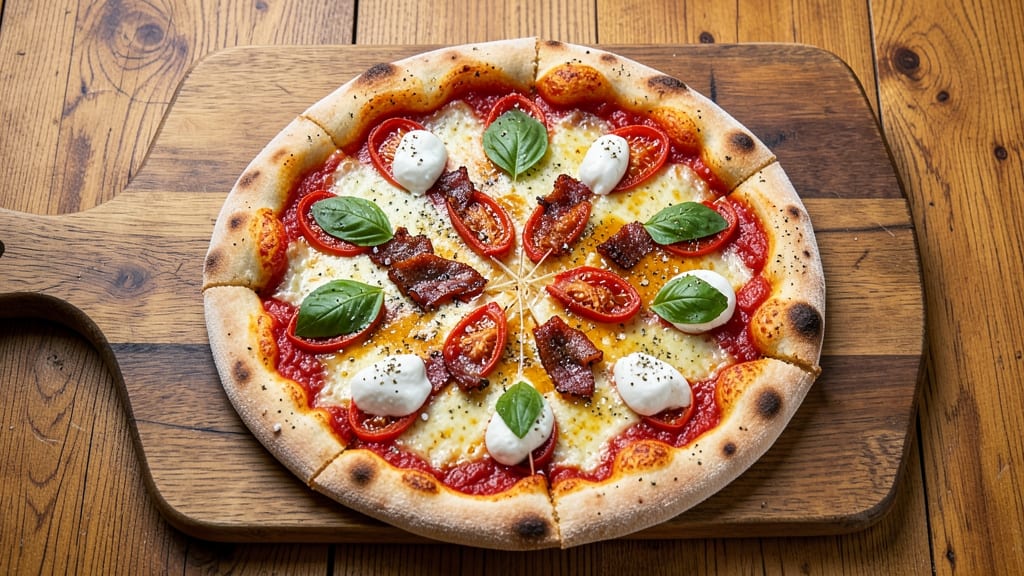
Ellio's pizza recipe delivers that perfect balance of crispy crust and melty cheese that makes every slice irresistible. I've perfected this method after years of experimenting with dough hydration, sauce reduction, and baking techniques—each step designed to replicate the restaurant experience at home.
The secret lies in a precise dough recipe that develops flavor during a slow rise, paired with a rich tomato sauce that caramelizes beautifully under high heat.
What sets this pizza apart is the foolproof technique for achieving a golden, crispy crust without sacrificing tenderness. Whether you prefer a classic New York-style thin crust or a hearty deep-dish version, this method adapts seamlessly while maintaining that signature crispy edge.
The cheese melts into a bubbly, stretchy blanket, creating the perfect texture contrast with the crispy base.
By following these instructions, you'll end up with pizza that's restaurant-quality—crispy at the edges, perfectly chewy in the middle, and topped with a sauce that's neither too sweet nor too acidic.
The aroma alone will have everyone gathering around the table, and the first bite delivers that satisfying combination of textures and flavors.
Ready to master this recipe? We'll cover everything from dough preparation to baking techniques, including tips for achieving that crispy perfection every time. Whether you're cooking for a crowd or treating yourself to a personal pizza night, this method ensures consistent, delicious results.
Ingredients for ellio's pizza
Precision measurements and quality ingredients create Ellio's signature crispy crust and melty cheese perfection.
| Ingredient | Amount | Notes |
|---|---|---|
| All-Purpose Flour 🌾 | 3 ½ cups | Bread flour for enhanced chewiness |
| Active Dry Yeast 🍞 | ¼ oz | Or 2 1/4 tsp instant yeast |
| Granulated Sugar 🍚 | ½ tsp | Feeds yeast for activation |
| Unsalted Butter 🧈 | ¼ cup | Cold, cubed for dough development |
| Warm Water 💧 | 1 ¼ cups | 110°F for optimal yeast activity |
| Salt 🧂 | 1 ½ tsp | Diamond Crystal preferred |
| San Marzano Tomato Paste 🍅 | ½ cup | High-quality, no sugar added |
| Extra-Virgin Olive Oil 🫒 | ¼ cup | For sauce richness |
| Garlic Cloves 🧄 | 4 cloves | Minced for aromatic depth |
| Fresh Basil Leaves 🌿 | ¼ cup | Chopped, for sauce freshness |
| Mozzarella Cheese 🧀 | 1 ½ cups | Fresh, shredded by hand |
| Parmesan Cheese 🧀 | ½ cup | Freshly grated, aged 24+ months |
| Cornmeal 🌽 | ¼ cup | For crispy crust base |
| Dried Oregano 🍃 | 1 tsp | Italian variety preferred |
| Red Bell Pepper Flakes 🌶️ | ½ tsp | For subtle heat |
The dough's foundation begins with high-protein flour—bread flour yields superior chewiness, while all-purpose works in a pinch. For yeast activation, Wegmans or Whole Foods carry reliable active dry yeast; store unopened in the freezer for longevity. The butter must be cold to develop gluten properly—Plugrá or Land O'Lakes are excellent choices, but any unsalted brand will suffice. Measure water temperature precisely: too hot kills yeast, too cool prevents activation. The San Marzano tomato paste is non-negotiable for authentic sweetness—Barilla or Rao's are reliable alternatives if unavailable. For the cheese, fresh mozzarella from the deli counter (like BelGioioso) melts far better than pre-shredded varieties, which contain anti-caking agents that prevent proper melting.
Substitutions begin with flour: whole wheat at 20% replacement adds nutrition but reduces crispiness. No San Marzano paste? Crushed tomatoes blended and reduced works, though flavor depth suffers. For garlic, garlic powder at half the amount suffices in a bind, but fresh is always superior. The cheese blend can be adapted: fontina or provolone add complexity, while low-moisture mozzarella (like Sargento) prevents excess grease. Cornmeal alternatives include semolina or crushed crackers for the crust base. Preserve the sauce's balance by adjusting acidity with a pinch of sugar if tomatoes are overly tart. For a vegetarian option, omit Parmesan or substitute nutritional yeast for umami depth.
Store dough in an airtight container with a damp towel for up to 24 hours in the refrigerator, allowing flavor development. Sauce components keep separately for 3 days refrigerated or 3 months frozen in ice cube trays. Shredded cheese freezes beautifully for 6 months when portioned in airtight bags. Baked pizza reheats best at 350°F for 5-7 minutes to restore crispiness. For meal prep, assemble pizzas without sauce, freeze on parchment-lined trays, then transfer to bags—bake straight from frozen with 10 extra minutes at 425°F. The crust's crispiness peaks immediately after baking; serve promptly to maintain texture integrity.
Why You'll Love This Recipe
- No-Yeast Hassle: I swear by this dough—just flour, butter, yeast, and warm water. No kneading, no waiting for store-bought dough to thaw. The butter keeps it tender without the fuss of oil, and the sugar? Just enough to wake up the yeast faster than my morning coffee.
- Buttery Crust Magic: That unsalted butter melted into the dough? It’s the secret. The crust turns golden and crispy at the edges while staying soft inside—like biting into a warm hug. Honestly, my kids fight over the crust before the toppings even hit the table.
- Weeknight Workhorse: Between us, this is my go-to for lazy Fridays, game nights, or when I’m too tired to order in. Toss on whatever’s in the fridge—pepperoni, veggies, or just cheese—and it’s ready in under an hour. (Yes, even on a Tuesday night.)
- Budget-Friendly Stretch: Flour, yeast, butter—these are pantry staples that won’t break the bank. One batch feeds four, and leftovers reheat like a dream. I’ve made this for birthdays, movie nights, and even packed it for lunch the next day. Not the prettiest, but the taste makes up for it every time.
Step-by-step instructions for Ellio's pizza recipe
Mastering the perfect pizza requires precision in technique and timing—here's how to achieve a crispy crust and melty cheese every time.
Mix and Knead the Dough for Optimal Texture
In a large mixing bowl, combine the 3.5 cups all-purpose flour, 1.5 tsp salt, and 1 tsp dried oregano. Create a well in the center and add the 0.25 oz active dry yeast and 0.5 tsp granulated sugar. Gradually pour in the 1.25 cups warm water (110°F) and 0.25 cup unsalted butter, mixing with a wooden spoon until a shaggy dough forms.
Transfer the dough to a lightly floured surface and knead vigorously for 8-10 minutes until smooth and elastic. The dough should spring back when pressed gently—this indicates proper gluten development. If it feels too sticky, add flour 1 tablespoon at a time; if too dry, sprinkle warm water. Cover the bowl with a damp towel and let rise in a warm place for 1-2 hours, or until doubled in size. This resting period allows the yeast to activate fully, ensuring a light, airy crust.
Prepare the Sauce and Toppings for Flavor Balance
While the dough rises, prepare the sauce by combining 0.5 cup San Marzano tomato paste, 0.25 cup extra-virgin olive oil, 4 minced garlic cloves, 0.5 tsp red bell pepper flakes, and 0.25 cup chopped fresh basil leaves in a saucepan. Cook over medium-low heat for 10-12 minutes, stirring occasionally, until the sauce thickens slightly and the garlic is fragrant but not browned. Season with salt to taste and set aside.
Shred the 1.5 cups mozzarella cheese by hand (avoid pre-shredded—it contains anti-caking agents that prevent melting) and finely grate the 0.5 cup Parmesan cheese. Keep these toppings separate until ready to assemble, as moisture from the cheese can make the dough soggy.
Shape and Pre-Bake the Crust for Crispiness
Punch down the risen dough to release air, then divide it into 4 equal portions. Roll each portion into a 12-inch round on a floured surface, keeping the edges slightly thicker for a rustic look. Transfer the dough to parchment-lined baking sheets and brush the surface lightly with olive oil for extra crispiness.
Preheat your oven to 475°F with a pizza stone or baking sheet inside for 30 minutes. Sprinkle 0.25 cup cornmeal evenly over the dough rounds—this creates a crispy, golden-brown base. Bake the untopped crusts for 5-7 minutes until they begin to puff and turn golden at the edges. This pre-baking step, known as "par-baking," ensures the crust holds its shape under toppings and develops maximum crispiness.
Assemble and Bake to Perfection
Remove the par-baked crusts from the oven and quickly spread 2-3 tablespoons of sauce over each, leaving a ½-inch border for the crust. Sprinkle half of the mozzarella and Parmesan evenly over the sauce, then add any additional toppings you prefer (though this recipe keeps it classic). The cheese should melt into a bubbly, golden blanket—this is your visual cue to proceed.
Return the pizzas to the oven and bake for 8-10 minutes until the cheese is fully melted and bubbling, and the crust edges are deeply golden brown. Rotate the pans halfway through for even browning. The crust should be crisp enough to hold its shape when lifted, while the cheese pulls slightly when you tug a corner—this indicates perfect meltiness.
Rest and Serve for Maximum Enjoyment
Let the pizzas rest for 2-3 minutes after baking—this allows the cheese to set slightly and makes slicing cleaner. Cut each pizza into 8 slices using a sharp pizza wheel or chef's knife. Serve immediately while the crust is still crisp and the cheese remains stretchy. For an extra touch, drizzle with a little more olive oil and sprinkle with fresh basil leaves.
The result should be a pizza with a crispy, caramelized crust that contrasts beautifully with the melty, bubbly cheese and rich, aromatic sauce. Each bite delivers the perfect balance of texture and flavor, with the crust holding its shape while the toppings remain vibrant. This method ensures consistency every time—no more soggy slices or undercooked dough.
Pro Tips For Making Ellio'S Pizza
- Measure Butter by Weight: This recipe calls for unsalted butter, and I used to eyeball it—big mistake. Butter’s density varies, so weigh it (113g for ½ cup). Too little butter makes the dough dry; too much turns it greasy. A kitchen scale solves this faster than guessing.
- Bloom Yeast in Warm Water: Skip pouring yeast straight into flour—it dies before it wakes up. Mix the yeast with warm water (105–110°F) and sugar first, then wait 5–10 minutes for frothy bubbles. If it’s sluggish, your dough will be too, and no amount of kneading fixes that.
- Knead Until Windowpane: The dough should stretch thin like a window without tearing—that’s the test. I used to stop when it looked “done” (read: when my arm gave out). Push through the effort; under-kneaded dough shrinks during baking, leaving you with a sad, dense pizza.
- Let Dough Rise Twice: First rise (1–2 hours) builds flavor, but the second rise (after shaping) is non-negotiable. Cold-proof overnight in the fridge for even better texture—just pull it out 1–2 hours before baking. Rushed dough collapses; patience pays off.
Make-ahead tips for leftovers
Dough Prep Ahead
Shape your pizza dough into balls and refrigerate them in an airtight container with a damp towel for up to 24 hours before use. This cold fermentation enhances flavor complexity and improves texture.
When ready to bake, let the dough sit at room temperature for 1-2 hours to rise slightly before rolling. I always do this the night before—it saves time and makes the dough easier to handle. 🌾
Sauce Prep & Storage
Prepare your tomato sauce up to 3 days in advance and store it in an airtight glass container in the refrigerator. For longer storage, freeze the sauce in ice cube trays—thaw quickly in the microwave when needed.
The flavors deepen over time, especially with the garlic and basil. I like to keep a batch of sauce ready so I can assemble pizzas on short notice. 🍅
Cheese Pre-Shredding
Shred your mozzarella and Parmesan ahead of time and store them in separate airtight containers in the freezer for up to 6 months. Pre-shredding saves time during assembly, but be sure to use freshly grated Parmesan for the best flavor.
When ready to use, let the cheese sit at room temperature for 10 minutes to prevent excess moisture on your pizza. 🧀
Full Assembly Freezing
For ultimate convenience, assemble your pizzas completely (without sauce) and freeze them on parchment-lined trays for 1 hour. Then transfer to airtight freezer bags with parchment between slices to prevent sticking.
Bake straight from frozen at 425°F for 15-18 minutes—add sauce and cheese just before the final 5 minutes of baking. This method keeps the crust crispy even when reheating. ❄️
Sauce-On Freezing Hack
If you prefer to freeze with sauce already applied, spread it sparingly (just enough to coat the dough lightly) and freeze the pizzas as described above. When baking from frozen, add extra cheese and bake for 20-22 minutes, rotating halfway.
The sauce will caramelize beautifully while the crust stays crisp. This works best for quick weeknight meals when you're short on time. 🍕
Reheating Leftovers
To revive leftover pizza, preheat your oven to 350°F and place slices on a baking sheet. Cover loosely with foil and heat for 5-7 minutes to restore crispiness. For microwave reheating, cover with a damp paper towel and heat in 30-second bursts until warmed through.
Always finish with a sprinkle of fresh basil to brighten flavors. 🔥
Nutrition facts
Frequently asked questions
Can I use bread flour instead of all-purpose for this pizza recipe?
Yes, bread flour will give you a chewier crust with better structure. Simply replace the all-purpose flour with the same measurement, but expect slightly longer kneading time (about 10-12 minutes) since bread flour absorbs more water. The dough will be more elastic, creating that perfect chewy bite while maintaining crispy edges.
Why does the recipe call for pre-baking the crust?
Pre-baking (or "par-baking") the crust creates that signature crispy texture while preventing a soggy bottom. When you add sauce and cheese later, the crust stays firm enough to hold its shape. This two-step process also ensures even cooking—toppings can vary in weight, and pre-baking guarantees the crust cooks through completely.
How do I prevent my pizza from getting soggy?
Soggy pizza usually comes from excess moisture in toppings or undercooked dough. Start by patting toppings dry (especially veggies) and using freshly shredded cheese (pre-shredded contains anti-caking agents). Also, bake the pizza on a preheated stone or baking sheet—this conducts heat better than a regular pan. For extra insurance, sprinkle cornmeal on the dough before the first bake.
What's the best way to reheat leftover pizza?
For crispy results, reheat in a 350°F oven for 5-7 minutes on a baking sheet. Cover loosely with foil to prevent over-browning. If using a microwave, cover with a damp paper towel—this adds steam to restore moisture without making the crust rubbery. Always finish with fresh basil to revive flavors.
Can I make this pizza in a home oven without a pizza stone?
Use a baking sheet or inverted baking pan instead. For best results, place it directly on the oven rack (not on the bottom) to allow heat to circulate. Preheat the oven for 45 minutes—this ensures even heat distribution. If your oven runs hot, reduce temperature by 25°F to prevent burning.