Sauces & Condiments
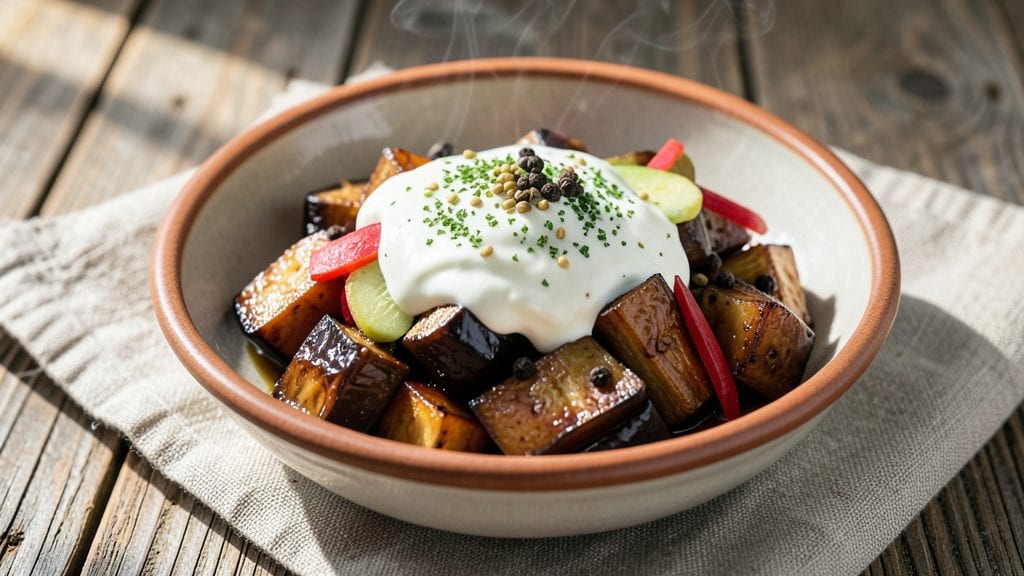
This eggplant chutney recipe transforms humble eggplant into a rich, aromatic paste that elevates everything from dosas to grilled meats. The secret lies in slow-roasting the eggplant to concentrate its natural sweetness before blending it with warm spices, tangy yogurt, and fresh herbs.
I developed this version after years of experimenting with Indian condiments—it’s the perfect balance of smoky depth and bright acidity that keeps it versatile for any meal.
The beauty of this chutney is its adaptability—use it as a dip with crispy fries, a spread on toast, or a sauce for curries and stir-fries. The roasting process caramelizes the eggplant, creating a velvety texture that’s far more complex than raw versions.
With just 10 ingredients and 30 minutes of active time, you’ll have a pantry staple that tastes like it simmered for hours.
What makes this recipe stand out is the spice blend—cumin, coriander, and black pepper create an earthy backbone, while lemon juice and ginger add brightness. The yogurt keeps it smooth and digestible, but you can adjust the tang to suit your taste.
Store it in the fridge for up to a week, or freeze for longer shelf life.
For variations, add a pinch of cayenne for heat, a spoon of tahini for creaminess, or fresh cilantro for extra freshness. It pairs beautifully with dosas, sandwiches, or even as a marinade for grilled chicken. Let’s make this chutney your new go-to condiment.
Ingredients for eggplant chutney
Ten simple ingredients transform roasted eggplant into a velvety, aromatic chutney perfect for dips, spreads, or curry sauces.
| Ingredient | Amount | Notes |
|---|---|---|
| Eggplant 🍆 | 2 lbs | Asian or Japanese variety preferred |
| Plain Yogurt 🥛 | 1 cup | Full-fat for creaminess |
| Cumin Seeds 🌿 | 1 tbsp | Toasted for deeper aroma |
| Ground Coriander 🌿 | 1 tbsp | Freshly ground preferred |
| Black Peppercorns 🌶️ | 1 tsp | Crushed for texture |
| Fresh Ginger 🧄 | 2 tbsp | Grated, peeled |
| Lemon Juice 🍋 | 2 tbsp | Freshly squeezed |
| Garlic Cloves 🧄 | 4 cloves | Peeled, rough chopped |
| Fresh Cilantro 🌿 | ½ cup | Stems removed |
| Olive Oil 🫒 | ¼ cup | Extra-virgin for richness |
The eggplant is the star—Asian varieties like Japanese eggplant have thinner skins and fewer seeds, making them ideal for roasting. Whole Foods or Indian grocery stores carry these, but regular grocery stores usually have them too. Look for firm, glossy skin with no soft spots. I roast mine whole, wrapped in foil, until the flesh is tender and slightly charred—this caramelization is what gives the chutney its deep, smoky flavor. If you're short on time, you can roast it in the oven at 400°F for about 45 minutes, turning occasionally. The yogurt should be full-fat and plain—Greek yogurt works too, but traditional Indian yogurt adds that authentic tang.
No cumin seeds? Ground cumin at half the amount works, but toasting whole seeds first really makes a difference. Fresh cilantro is ideal, but dried cilantro or parsley at one-third the amount gets you close. The lemon juice can be bottled, but fresh is brighter. For extra richness, add a spoon of tahini or peanut butter—it’s a game-changer. If you’re making this ahead, skip the cilantro until serving to keep it fresh. The ginger and garlic can be prepped ahead and stored in the fridge for up to 3 days. And if you’ve got a food processor, this chutney comes together in minutes—no blender needed.
This chutney keeps beautifully in the fridge for up to 1 week, sealed in an airtight container with a layer of olive oil on top to preserve freshness. For longer storage, freeze in ice cube trays—perfect for single servings. It reheats well, but honestly, it’s best at room temperature. I always make a double batch—one for the fridge and one to freeze. The flavors deepen over time, so it’s even better the next day. Pair it with warm dosas, crispy fries, or grilled meats—it’s that versatile.
Why You'll Love This Recipe
- No-Fuss Roast: I swear by roasting the eggplant first—it softens the flesh without drying it out, and the skin practically peels off in sheets. No blender battles, no sticky messes, just smooth blending after a quick roast in the oven.
- Tangy Warmth Combo: That yogurt base cuts through the richness of the eggplant, while the cumin and coriander add this earthy, almost smoky depth. Honestly, the black peppercorns finish it with a little kick that makes it impossible to stop dipping.
- Party or Pantry: Slather it on grilled sandwiches for a picnic, dollop it on toast with a fried egg, or stash it in the fridge for a week—it’s my go-to for lazy dinners or unexpected guests. (Yes, even on a Tuesday night.)
- Budget Magic: Eggplant’s cheap, yogurt stretches, and spices last forever. I make this twice a month and never stress about grocery bills. Plus, the leftovers taste better the next day—proof it’s actually improved with time.
Step-by-step instructions for eggplant chutney recipe
Here's how to transform simple ingredients into a rich, smoky chutney with layers of flavor.
Roast the Eggplant for Deep, Smoky Flavor
Preheat your oven to 400°F and line a baking sheet with parchment paper. Cut the 2 lbs eggplant into 1-inch cubes—smaller pieces will roast more evenly. Place them in a single layer on the prepared sheet, leaving space between each cube for proper air circulation.
Drizzle the eggplant with 2 tablespoons of the 0.25 cup olive oil and toss gently to coat. Roast for 25-30 minutes, stirring halfway through, until the edges are deep golden brown and slightly charred. You'll know it's ready when the skin starts to wrinkle and the flesh becomes tender when pierced with a fork. Let the roasted eggplant cool slightly before blending—this prevents a watery chutney.
Toast the Spices for Maximum Aroma
While the eggplant roasts, heat a small skillet over medium-low heat. Add the 1 tablespoon cumin seeds and toast for 1-2 minutes until they begin to sizzle and release their nutty aroma. Immediately transfer them to a small bowl and let cool.
In the same skillet, add the 1 tablespoon ground coriander and toast for 30 seconds while stirring constantly. This step unlocks the warm, citrusy notes of coriander that will shine in the final chutney. Let the coriander cool as well. Crush the 1 teaspoon black peppercorns lightly with a mortar and pestle or roll them under a clean glass bottle—this releases their sharp, piquant flavor without turning the chutney gritty.
Blend the Roasted Eggplant with Aromatics
Transfer the cooled roasted eggplant to a food processor or blender. Add the toasted cumin seeds, ground coriander, and crushed black peppercorns. Pulse 3-4 times to break down the spices and incorporate them into the eggplant. This ensures every bite carries that toasty depth.
Peel and grate the 2 tablespoons fresh ginger using a fine grater or microplane. Add it to the processor along with the 4 peeled garlic cloves and 0.5 cup fresh cilantro. Pulse again until the mixture is finely chopped but not completely smooth—you want some texture to balance the creamy yogurt later.
Finish with Yogurt and Lemon for Creamy Tang
With the processor running, slowly drizzle in the 1 cup plain yogurt through the feed tube. This gradual addition prevents the yogurt from curdling. Add the 2 tablespoons lemon juice and pulse until the mixture is smooth but still slightly textured. Taste and adjust the seasoning—you might want to add a pinch more salt or a splash more lemon juice for brightness.
Finally, drizzle in the remaining 2 tablespoons olive oil while blending. This creates a silky, emulsified chutney that clings beautifully to bread, rice, or grilled meats. For extra richness, you can blend in a few tablespoons of the reserved roasting juices from the eggplant—just be mindful not to add too much, or the chutney may become watery.
Rest and Serve for Perfect Texture
Transfer the chutney to a serving bowl and let it rest at room temperature for 15-20 minutes. This allows the flavors to meld and the yogurt to fully incorporate, resulting in a velvety consistency. If the chutney thickens too much, stir in 1-2 tablespoons of water or reserved roasting juices to reach your desired consistency.
Serve the chutney immediately while still cool but not chilled. It pairs beautifully with warm naan, grilled chicken, or as a dip for fresh vegetables. The smoky roasted eggplant, creamy yogurt, and bright lemon create a harmonious balance that keeps getting better with each bite. Store any leftovers in an airtight container in the refrigerator for up to 5 days—the flavors only deepen over time!
Pro Tips For Making Eggplant Chutney
- CHAR THE EGPLANT: Roast the eggplant whole over direct flame or high heat until the skin blackens and collapses—this concentrates the flavor into a deep, smoky base. I used to peel it raw and wondered why my chutney tasted bland; charring unlocks the real taste.
- SALT THE YOGURT: Mix a generous pinch of salt into the yogurt and let it sit for 10 minutes before blending—this draws out moisture and makes the chutney creamier. I skipped this once and ended up with a watery, thin mess.
- TOAST THE SPICES: Dry-toast the cumin seeds and whole peppercorns in a pan for 30 seconds until fragrant before grinding—this adds a nutty depth that raw spices miss. My grandmother called it "waking up the spices," and she was right.
- PULSE DON’T BLEND: Use short pulses in the food processor to keep the eggplant texture slightly chunky, not pureed—this prevents a gluey, overworked mess. I learned this after one disastrous attempt at a smooth, thick chutney that resembled wallpaper paste.
Best sauces and condiments for this eggplant chutney
Spicy Roasted Twist
For a fiery kick, add ½ teaspoon cayenne pepper or 1 tablespoon gochujang (Korean chili paste) to the blended base. Roast the eggplant with 1 sliced jalapeño (seeds removed) for subtle heat, or finish with 1 teaspoon red pepper flakes stirred in at the end.
I love this variation with grilled pork skewers—the smokiness of the eggplant and the heat create a perfect balance. 🌶️
Creamy Tahini Swirl
Swap out 2 tablespoons of the olive oil for tahini to add nutty richness and a silky texture. Blend in 1 tablespoon tahini with the yogurt for a Middle Eastern-inspired twist.
Garnish with toasted sesame seeds and a drizzle of extra-virgin olive oil before serving. This version pairs beautifully with warm pita bread or as a dip for crudité platter.
Tangy Yogurt Boost
Increase the tang by adding 1 tablespoon white vinegar or 1 teaspoon apple cider vinegar to the lemon juice. For extra depth, stir in 1 tablespoon plain yogurt mixed with ½ teaspoon chaat masala (available at Indian grocery stores) before blending.
This variation elevates the chutney’s brightness, making it perfect for spicy dishes like biryani or kebabs.
Herb-Forward Finish
Boost freshness by adding ¼ cup chopped mint or 2 tablespoons fresh basil to the cilantro. For a Mediterranean touch, blend in 1 tablespoon lemon zest along with the lemon juice.
This herb-forward version works wonderfully as a dipping sauce for falafel or a spread for bruschetta. The bright, zesty notes cut through rich flavors beautifully. 🌿
Smoky Chipotle Fusion
For a smoky-sweet variation, blend in 1-2 chipotle peppers in adobo sauce (adjust for heat preference) along with the spices. Add 1 teaspoon honey or maple syrup to balance the heat. This fusion version is incredible with grilled chicken tacos or as a slather for grilled corn.
The chipotle adds a deep, smoky complexity that pairs perfectly with the roasted eggplant. 🔥
Nutrition facts
Frequently asked questions
Why should I roast the eggplant instead of boiling or frying it?
Roasting caramelizes the eggplant's natural sugars, creating a deep, smoky sweetness that can't be achieved through boiling or frying. This process also removes excess moisture, resulting in a thicker, more concentrated chutney with better texture. The slight char adds complexity that elevates the dish beyond basic versions.
Can I make this chutney without a food processor?
Yes! Use a mortar and pestle to grind the roasted eggplant and spices into a coarse paste first. Then mix with yogurt, lemon juice, and herbs by hand. The texture will be slightly chunkier but still delicious. For smoothness, strain through a fine-mesh sieve before serving.
How do I adjust the consistency if it's too thick or too thin?
For a thicker chutney, let it rest for 15 minutes to thicken naturally, or blend in 1 tablespoon tahini. If too thin, simmer gently for 5 minutes to reduce, or stir in 1 teaspoon cornstarch mixed with water. The ideal texture should be spoonable but pourable.
What are the best ways to use leftover chutney?
Spread it on toasted bread or crackers, mix into curry sauces, or use as a marinade for grilled meats. Freeze in ice cube trays for single-serving portions. It also works as a dip for veggies or fries—just thin with a splash of water if needed.
Can I substitute yogurt with something else for a dairy-free version?
Yes! Replace the yogurt with 1 cup coconut yogurt or ½ cup coconut milk blended with ½ cup water for creaminess. For tang, add 1 tablespoon lemon juice or vinegar. The texture will be slightly lighter but still flavorful.