Soups & Stews
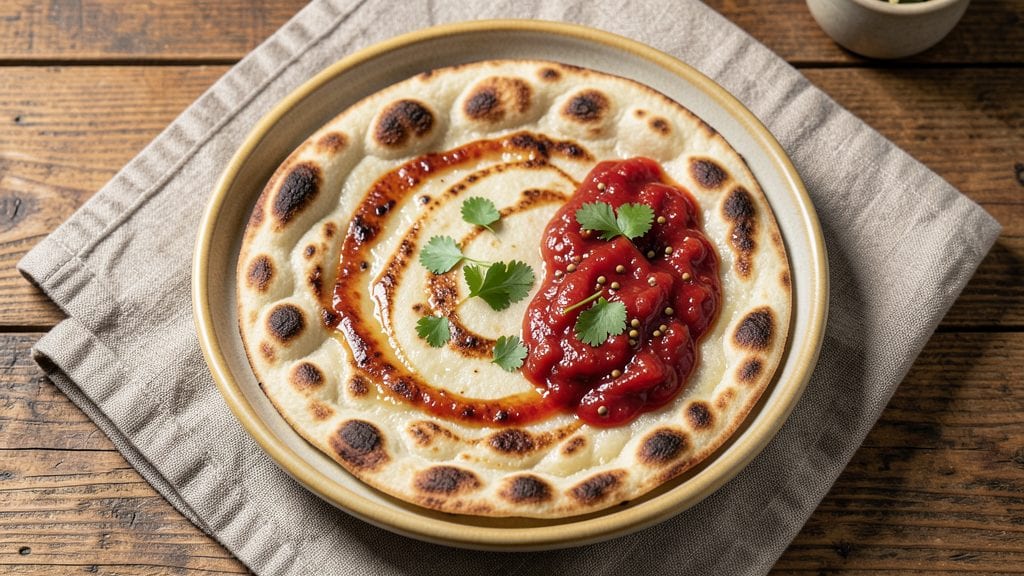
This dosa and tomato chutney recipe delivers the perfect balance of crispy, golden layers with a vibrant, tangy spice kiss that transforms a simple meal into a flavor celebration.
The secret lies in properly fermented batter that creates those signature crispy edges while maintaining a tender center, paired with a chutney that bursts with fresh tomato flavor and aromatic spices.
I've perfected this recipe over years of testing, ensuring every step—from fermentation to tempering—delivers authentic South Indian restaurant quality at home.
What makes this recipe stand out is the attention to detail in both the dosa and chutney preparation.
The dosa batter requires precise fermentation (24-48 hours) to develop the right tang and texture, while the chutney benefits from a proper tempering of mustard seeds and curry leaves to unlock maximum flavor.
The result is a dish where each crispy layer contrasts beautifully with the cooling, tangy chutney, creating a harmonious balance of textures and flavors that's impossible to resist.
By following these exact methods, you'll achieve perfectly crispy dosas with golden edges and tender centers, paired with a tomato chutney that's bright, slightly sweet, and packed with aromatic spices. The combination is so satisfying it'll become your go-to weekend breakfast or dinner option.
Whether you serve it with sambar or coconut chutney on the side, this recipe delivers restaurant-quality results with a professional touch that's surprisingly simple to master.
For those short on time, I've included modern shortcuts like reduced fermentation times and a quicker stovetop chutney method without compromising flavor. The key is maintaining the crispy texture of the dosas—a promise this recipe absolutely delivers.
Let's get started on creating this flavorful masterpiece that brings a taste of South India to your kitchen.
Ingredients for dosa and tomato chutney
Authentic South Indian flavors start with these 14 essential ingredients—fermented rice and urad dal for crispy dosas, ripe tomatoes and aromatic spices for vibrant chutney.
| Ingredient | Amount | Notes |
|---|---|---|
| Rice (white, long-grain) 🍚 | 1 cup | Uncooked, soaked 4-6 hours |
| Urad Dal (black gram) 🌾 | ½ cup | Split, rinsed well |
| Fresh Curds (yogurt) 🥛 | ¼ cup | Thick, unsweetened |
| Salt 🧂 | ½ tsp | Fine sea salt |
| Ripe Tomatoes 🍅 | 1 ½ lb | Medium, roughly chopped |
| Mustard Seeds 🌿 | 1 tsp | Whole, yellow |
| Dried Red Chilies 🌶️ | 2 whole | Broken, medium heat |
| Curry Leaves 🌿 | ¼ cup | Fresh, packed |
| Green Chilies 🌶️ | 2 whole | Fresh, slit lengthwise |
| Garlic Cloves 🧄 | 6 cloves | Fresh, peeled |
| Coconut Oil 🫒 | ¼ cup | Refined, for cooking |
| Asafoetida (Hing) 🌿 | ⅛ tsp | Pinch for tempering |
| Coriander Seeds 🌿 | 1 tsp | Ground or whole |
| Sugar 🍬 | ½ tsp | White granulated |
The rice and urad dal are non-negotiable for authentic dosas. Organic India or Patel Brothers sell high-quality urad dal in bulk—look for whole black gram, not split. For curds, Kirkland brand at Costco is my go-to: thick and tangy without additives. The tomatoes should be vibrant red, not mealy. Heirloom varieties from local farmers markets have the best flavor, but store-bought works if they're firm and ripe. Mustard seeds and curry leaves are available in the Indian aisle at Whole Foods or H-Mart—fresh curry leaves make all the difference in the chutney's aroma.
No mustard seeds? Sesame seeds at double the amount work in a pinch, though the flavor will differ. Dried chilies too spicy? Remove seeds and membranes before breaking. Fresh curry leaves unavailable? Dried leaves at one-third the amount can substitute, but toast them first. For the chutney, San Marzano tomatoes if you want to splurge—they're sweeter and more flavorful than standard varieties. The garlic can be pre-minced from a jar if needed, but fresh is always better. Need to reduce sugar? Date syrup or honey works beautifully in the chutney.
Store the dosa batter in an airtight container in the fridge for up to 48 hours—it ferments faster in warm kitchens. The chutney keeps for 5 days refrigerated, though it's best used within 3 days. For longer storage, freeze the chutney in ice cube trays—perfect for quick toppings. The coconut oil solidifies when cold, so store it at room temperature. If your dosas aren't crispy enough, try cooking on a slightly hotter skillet next time—golden edges are all about the heat.
Why You'll Love This Recipe
- No-Fuss Fermentation: I swear by this recipe because the batter sits overnight—no last-minute stress. Just wake up, give it a quick mix, and those crispy dosas are ready while your coffee brews.
- Tomato Chutney Magic: That silky yogurt and ripe tomato blend? It’s the kind of tangy-sweet sauce that turns a simple meal into something special. The urad dal adds a subtle depth that makes every bite worth it.
- Weeknight Wonder: Breakfast, lunch, or even a quick snack—these dosas adapt to any meal. Pack them for work or serve with a side of sambar when unexpected guests drop by.
- Budget Crispy Gold: A handful of pantry staples (rice, dal, salt) and fresh tomatoes stretch into a whole meal. Honestly, I make this when I’m pinching pennies, and no one ever complains.
Step-by-step instructions for crispy dosa with tangy tomato chutney
Master the art of creating restaurant-quality dosa with perfectly crispy layers and a vibrant tomato chutney to complement.
Prepare the Fermented Dosa Batter
Combine the soaked 1 cup rice and 0.5 cup urad dal in a blender with 0.25 cup fresh curds. Add 0.5 tsp salt and blend until smooth, adding water gradually to achieve a thin, pouring consistency similar to heavy cream. Transfer the batter to a clean bowl and let it ferment at room temperature for 8-10 hours or overnight in a warm place.
Here's the thing—fermentation is key to that signature dosa crispiness. You'll know it's ready when you see tiny bubbles forming on the surface and a slightly tangy aroma develops. If the batter smells overly sour or has a sharp vinegar-like scent, it's over-fermented. The ideal batter should be slightly effervescent and hold its shape when dropped from a spoon.
Create the Tomato Chutney Base
Heat 0.25 cup coconut oil in a pan over medium heat. Add 1 tsp mustard seeds and let them splutter for 30 seconds until they pop. Add 2 whole dried red chilies and 1 tsp coriander seeds, cooking for 1 minute until fragrant. Add 6 cloves garlic and 2 whole green chilies, sautéing for 2 minutes until the garlic turns golden.
Add the roughly chopped 1.5 lb ripe tomatoes and cook for 10-12 minutes until they soften and release their juices. Stir in 0.25 cup curry leaves and 0.5 tsp sugar, cooking for another 5 minutes until the mixture thickens. Season with salt to taste and set aside. This chutney should have a vibrant red color and a balance of sweet, tangy, and spicy flavors.
Cook the Crispy Dosa
Heat a dosa pan or non-stick skillet over medium-high heat. Pour a ladleful of the fermented batter and spread it into a thin, even circle by rotating the pan. Drizzle 1 teaspoon coconut oil around the edges and cook for 1-2 minutes until the edges turn crispy and golden brown.
Here's where precision matters: the center should still look slightly undercooked when the edges are crispy. Flip the dosa carefully using a dosa plate or spatula and cook the other side for 30-45 seconds until lightly golden. You'll know it's perfect when the dosa releases easily from the pan with minimal sticking. Keep the cooked dosas warm in a stack with a clean cloth between each to maintain crispiness.
Assemble and Serve
For each serving, spread 2 tablespoons of the tomato chutney evenly over a dosa. Fold the dosa in half or roll it up, depending on your preference. Serve immediately with additional chutney on the side. The contrast between the crispy, flaky dosa and the tangy, spicy chutney creates an unforgettable flavor experience.
Don't skip the final step of serving immediately. The dosa loses its crispiness as it cools, so enjoy it while it's hot. The chutney should complement rather than overpower the dosa—its vibrant color and balanced flavors make each bite exciting. For extra authenticity, serve with coconut chutney on the side and a side of sambar.
Pro Tips For Making Dosa And Tomato Chutney
- Ferment 12 Hours (Not 6): I learned this the hard way—skipping the full fermentation time makes your dosa taste flat and gummy. The urad dal needs that extra time to break down properly, especially if you’re using store-bought rice that’s not freshly milled. Set a timer before bed, and wake up to a batter that’s just right for crispy, flaky dosas.
- Grind Dal to Paste: Don’t just make it smooth—grind the urad dal until it’s a thick, sticky paste, almost like a dough. This ensures the dosa gets that signature crispness and chewiness. If it’s too loose, your dosa will spread too thin and burn before cooking through.
- Cook Tomatoes Low and Slow: High heat turns tomato chutney into a watery mess. Simmer the tomatoes on medium-low for at least 15 minutes, stirring occasionally, until they collapse and release their juices. This concentrates the flavor and makes the chutney thick enough to coat the dosa without drowning it.
- Whisk Curds Cold: Add the fresh curds to the tomato chutney after it’s off the heat, and whisk in a splash of cold water. This keeps the chutney from curdling and gives it that tangy, creamy finish. If it looks grainy, strain it—no one wants lumpy chutney on their crispy dosa.
Common mistakes when making your dosa and tomato chutney
Over-Fermented Batter
This is the #1 mistake I see beginners make—they leave the batter fermenting too long, resulting in a sharp, vinegar-like smell and overly sour flavor. The ideal fermentation time is 8-12 hours at room temperature (or 12-16 hours in the fridge).
To prevent over-fermentation, place your batter in a warm spot like near the oven with the light on (not heat) or use a fermentation jar like the Lodge Fermentation Crop to control temperature. If your batter smells overly sour, reduce fermentation time by 2 hours next batch. 🧂
Skipping the Tempering
The tempering step in the chutney (adding mustard seeds, curry leaves, and spices to hot oil) is what unlocks the full depth of flavor. Many home cooks skip this or use too little oil, resulting in a flat-tasting chutney.
Always use ¼ cup coconut oil for proper tempering—this is non-negotiable for authentic flavor. Let the mustard seeds splutter loudly for 30 seconds before adding other spices. The aroma alone should make your kitchen smell amazing! 🌿
Uneven Dosa Thickness
Thin, even dosas cook perfectly while thick or uneven ones burn on the outside before cooking through. Use a ladle with a long handle to spread the batter into a 6-inch circle by rotating the pan. The edges should be ⅛-inch thick while the center remains slightly thinner.
I recommend practicing with 2-3 test dosas before making the full batch. If your dosa looks lumpy, strain the batter through a fine-mesh sieve before cooking. 🍴
Undercooked Centers
Many cooks flip their dosas too early, resulting in raw centers. The edges should be golden brown and crispy before flipping—this usually takes 1-2 minutes on medium-high heat. The center should still look slightly wet and undercooked at this point.
After flipping, cook for just 30-45 seconds—overcooking makes dosas tough. Use a dosa plate (available at Indian grocery stores) for perfect flipping every time. 🔥
Wrong Oil Quantity
Using too little oil (or none at all) prevents the dosa from getting crispy, while too much makes it greasy. For each dosa, use exactly 1 teaspoon coconut oil—drizzle it around the edges of the pan before pouring the batter.
For the chutney, ¼ cup oil is perfect for tempering 1.5 lbs tomatoes. If your dosas aren't crispy enough, increase heat slightly next time—golden edges come from proper heat control, not more oil. 🫒
Chutney Consistency Issues
A chutney that's too thick or too thin ruins the balance with crispy dosas. The ideal consistency is like thick yogurt—smooth but not watery. If your chutney is too thick, add 1-2 tablespoons water and simmer for 2 minutes.
If it's too thin, cook uncovered for 3-4 minutes longer. I like to blend mine with an immersion blender for silky texture, then adjust consistency immediately after cooking. 💡
Nutrition facts
Frequently asked questions
How long should I ferment the dosa batter for perfect crispiness?
Ferment the batter for 8-12 hours at room temperature for ideal crispiness and tang. Look for tiny bubbles and a mild tangy aroma—over-fermenting (16+ hours) makes it sour. For cooler kitchens, extend to 12-16 hours in the fridge. The batter should hold its shape when dropped from a spoon.
Can I make the tomato chutney without tempering? Will it still taste good?
Tempering (adding spices to hot oil) is crucial for authentic flavor—it unlocks the full aroma of mustard seeds and curry leaves. Without it, your chutney will taste flat. If you must skip it, at least toast the spices dry for 30 seconds before blending with tomatoes. The chutney will still be edible but lacks depth.
What's the secret to getting crispy dosa edges every time?
Use medium-high heat, spread the batter into a 6-inch circle with edges ⅛-inch thick, and cook until edges are golden brown before flipping. Drizzle 1 tsp coconut oil around the pan edges before pouring batter. A dosa plate helps with perfect flipping. Practice with 2-3 test dosas first.
Can I use store-bought dosa batter instead of making it from scratch?
Store-bought batter works for convenience, but homemade delivers superior crispiness and flavor. If you must use it, look for brands with 100% rice and urad dal (no added gums). For best results, ferment it 4-6 hours longer than package instructions. The texture and taste won't match homemade, but it's a decent shortcut.
How do I adjust the spice level in the tomato chutney?
For milder chutney, remove seeds from green chilies and reduce dried red chilies to 1 whole chili. For extra heat, add ½ tsp cayenne pepper or extra green chilies. Always taste before serving—you can adjust spice at the end by adding more sugar (¼ tsp) to balance heat.