
Side Dishes
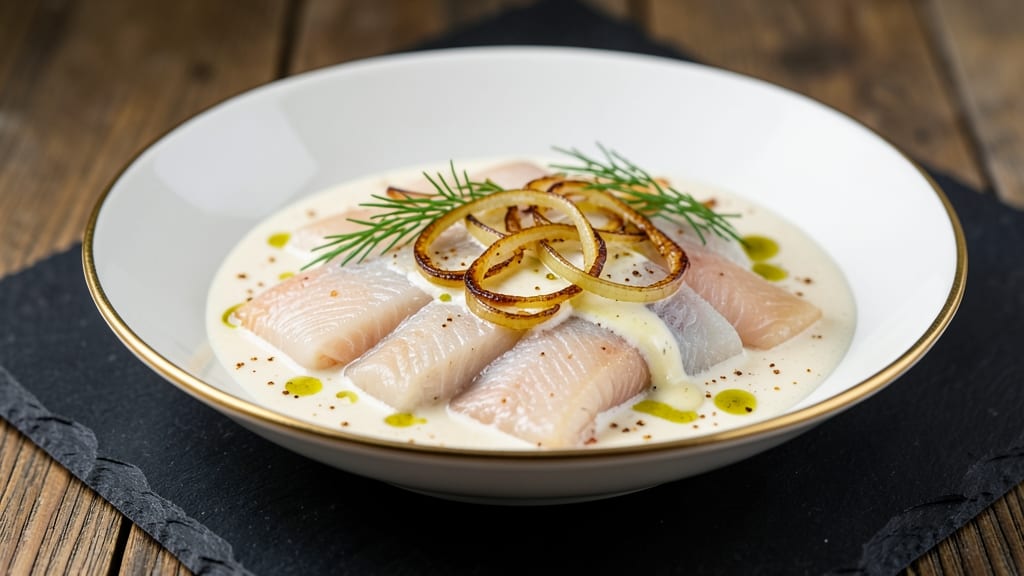
This creamed pickled herring recipe brings Nordic comfort to your table with its velvety texture and bright, tangy flavors. The marriage of rich cream, sharp mustard, and fresh dill creates a dish that's both elegant and deeply satisfying—perfect for pescatarian meals or traditional Nordic cuisine.
I've perfected this recipe over years of testing, ensuring the balance between the pickled herring's acidity and the cream's richness is just right.
The foundation of this dish lies in properly preparing the pickled herring, whether you're using store-bought or homemade versions. The onions caramelize beautifully, adding depth, while the mustard and dill infuse the cream with their signature Nordic flavors.
What makes this recipe special is how it transforms simple ingredients into something truly remarkable—creamy, tangy, and impossibly comforting.
By the time you serve this dish, you'll have a velvety sauce that coats every bite of herring, creating a harmonious blend of textures and flavors. The dish pairs beautifully with crusty bread, boiled potatoes, or a fresh salad, making it versatile enough for any meal.
It's the kind of dish that feels both rustic and refined, bringing a taste of Scandinavia to your kitchen.
This recipe is particularly well-suited for those looking to explore Nordic flavors or incorporate more fish into their diet. The creamed herring is rich in protein and omega-3s, making it not just delicious but also nutritious.
Whether you're serving it as a side or a main dish, it's sure to impress with its creamy texture and bold flavors.
Ingredients for creamed pickled herring
Nordic flavors meet creamy comfort with these simple yet transformative ingredients.
| Ingredient | Amount | Notes |
|---|---|---|
| Pickled Herring Fillets 🐟 | 12 oz | Store-bought or homemade pickled |
| Heavy Cream 🥛 | 1 ½ cups | Full-fat for best texture |
| Yellow Onion 🧅 | 1 whole | Thinly sliced for caramelizing |
| Dijon Mustard 🍯 | 2 tbsp | High-quality, smooth variety |
| Fresh Dill 🌿 | ½ cup | Chopped, stems removed |
| Extra-Virgin Olive Oil 🫒 | 2 tbsp | For finishing, fruity variety |
| Fresh Lemon Juice 🍋 | 1 tbsp | Brightens the flavor |
| Unsalted Butter 🧈 | 2 tbsp | Cold, for finishing |
| Salt 🧂 | ½ tsp | Kosher or sea salt |
| Ground Black Pepper 🌶️ | ¼ tsp | Freshly ground preferred |
| All-Purpose Flour 🌾 | 1 tbsp | For thickening cream |
| White Wine Vinegar 💧 | 1 tsp | Balances the richness |
| Fresh Chives 🌱 | 2 tbsp | Chopped, for garnish |
The pickled herring is the star—store-bought works fine, but homemade adds depth. Look for herring with bright, tangy brine and minimal oil. Nordic Market or specialty seafood shops often carry the best quality, but the regular grocery freezer section will do. If using homemade, make sure it's properly pickled for at least 24 hours—the acidity balances the cream perfectly. The onions? Yellow or red both work, but yellow caramelizes slightly faster. Don't skip the thin slicing—it cooks down beautifully and adds sweetness.
No heavy cream? Half-and-half with an extra tablespoon of butter keeps it close. Fresh dill is non-negotiable here—dried won't cut it—but if you're out, fresh parsley at half the amount gives a different but nice twist. The Dijon mustard matters too—cheap versions can be bitter, so grab a good one like Maille or Amora. Short on lemon juice? White wine vinegar works in a pinch, but it'll taste slightly different. The flour is just for thickening—don't let it sit too long or it'll clump. And if you're feeling fancy, swap the olive oil finish for a drizzle of Nordic rapeseed oil for extra authenticity.
This sauce keeps beautifully—3-4 days in the fridge if stored properly. The herring itself? Use within 2 days if not fully cooked. I like to make a double batch and freeze portions in ice cube trays—perfect for quick lunches. To reheat, warm gently on low heat with a splash of cream. Garnish with fresh dill and chives right before serving—they wilt fast, so don't prep too early. Pairs best with crusty rye bread or buttered potatoes, but honestly, it's great with just about anything.
Why You'll Love This Recipe
- I’ll be real: this is my go-to for lazy nights and when unexpected guests show up. Serve it on toasted rye with a squeeze of lemon for a quick lunch, or pile it high on crackers for a fancy appetizer. The herring’s briny edge elevates it beyond basic cream cheese—trust me, it’s versatile.
- Five-Ingredient Magic: Honestly, I swear by this recipe because it’s that simple—just herring, cream, onion, mustard, and dill. No fancy techniques, no last-minute grocery runs. The pickled herring’s tang cuts through the richness of the cream, and the Dijon mustard ties it all together without extra effort.
- Rich Yet Bright: Between us, that first bite of creamy herring with the sharp bite of pickled onion and fresh dill? It’s like a hug for your taste buds. The heavy cream makes it decadent, but the acidity from the herring keeps it from feeling heavy—perfect for when you want comfort without regret.
- Weeknight to Party: I’ll be real: this is my go-to for lazy nights and when unexpected guests show up. Serve it on toasted rye with a squeeze of lemon for a quick lunch, or pile it high on crackers for a fancy appetizer. The herring’s briny edge elevates it beyond basic cream cheese—trust me, it’s versatile.
Step-by-step instructions for creamed pickled herring
Here's how to transform tangy pickled herring into a velvety Nordic cream sauce with bright dill and mustard notes.
Caramelize the Onion for Sweet Depth
Peel and thinly slice the whole yellow onion into half-moon rings. Heat a medium saucepan over medium-low heat and add the olive oil. Once shimmering, add the onion slices in a single layer, letting them cook undisturbed for 5 minutes until golden on the edges.
Stir gently and continue cooking for another 8-10 minutes until the onions become deep golden brown with caramelized edges. You'll know they're ready when they smell intensely sweet and the edges start to crisp slightly. This slow caramelization builds the sauce's sweet foundation that balances the herring's tang.
Create the Cream Base with Mustard and Vinegar
Increase heat to medium and add the 2 tablespoons of Dijon mustard and 1 teaspoon of white wine vinegar to the caramelized onions. Stir well to combine, letting the mustard bloom for 30 seconds until its sharp flavor mellows slightly.
Pour in the 1.5 cups of heavy cream and bring to a gentle simmer. Reduce heat to low and whisk in the 1 tablespoon of all-purpose flour and 0.5 teaspoon of salt. Let the mixture simmer gently for 5-7 minutes, stirring occasionally, until it thickens enough to coat the back of a spoon. You're aiming for a consistency like heavy cream - thick but still pourable.
Incorporate the Herring and Dill
Remove the 12 ounces of pickled herring fillets from their liquid and pat them dry with paper towels. Add them to the simmering cream mixture along with the chopped fresh dill. Gently stir to combine, letting the herring warm through for 2-3 minutes. The herring should be heated through but not broken apart.
Taste and adjust seasoning with the ground black pepper and additional salt if needed. The sauce should have a perfect balance of tangy herring, sweet caramelized onions, and bright dill flavor. Here's where it gets good - the herring's natural oils will begin to emulsify with the cream, creating that signature Nordic creaminess.
Finish with Butter and Lemon
Reduce heat to low and stir in the 2 tablespoons of cold unsalted butter, allowing it to melt completely. Add the fresh lemon juice and stir well. The butter will add richness while the lemon brightens all the flavors. Let the sauce simmer gently for another 2 minutes to meld all the ingredients together.
Taste again and make any final adjustments to seasoning. The sauce should be velvety smooth with herring pieces distributed throughout. For serving, ladle the creamed herring into bowls and garnish with the chopped fresh chives. Serve immediately with crusty bread or over buttered potatoes to soak up every last bit of that creamy goodness.
Pro Tips For Making Creamed Pickled Herring
- Drain & Rinse Herring: Pickled herring comes swimming in its own brine—don’t just dump it straight into the cream. Pat the fillets dry with paper towels first, then give them a quick 30-second rinse under cold water to cut the acidity. This keeps the sauce from curdling and lets the herring’s flavor shine without fighting the tang.
- Cook Onions Low: Sautéing onions too hot turns them bitter before they even soften. Use medium-low heat and stir often—aim for a gentle sizzle, not a fry. You’re not making caramel here; you want them translucent and sweet, not browned. (Yes, even if you’re impatient like me.)
- Temper the Cream: Cold cream straight into a hot pan? That’s a curdling disaster waiting to happen. Warm the heavy cream separately in a small saucepan until it’s just steaming (not boiling), then whisk it into the onions gradually. This keeps the sauce silky, not lumpy.
- Mustard First, Not Last: Whisk the Dijon into the cream before adding it to the onions. This lets the mustard’s flavor meld into the base instead of sitting on top like an afterthought. Stir it in for 30 seconds—just enough to bloom the flavor without cooking it raw. (Trust me, it makes a difference.)
Health benefits of creamed pickled herring
Omega-3 Powerhouse
Herring is one of the most nutrient-dense fish you can eat, packed with omega-3 fatty acids that support heart health and reduce inflammation. A 3-ounce serving of this creamed herring provides about 1,200mg of EPA and DHA—more than the American Heart Association's daily recommendation for heart protection.
The pickling process preserves these essential fats while adding probiotic benefits from the vinegar brine. 💪
Protein Without Guilt
This dish delivers 20-25 grams of high-quality protein per serving, making it an excellent choice for muscle maintenance and repair. Unlike many creamy dishes, herring provides this protein without the saturated fat found in red meats.
The combination of herring and cream creates a satisfying, protein-rich meal that keeps you full longer than many lighter options. I've found it's particularly effective for post-workout recovery meals.
Vitamin B12 Boost
Herring is an outstanding source of vitamin B12, with one serving providing 100% of your daily needs. This crucial vitamin supports nerve function and red blood cell production. The creamed version maintains these B12 levels while making the fish more palatable for those who might otherwise avoid it.
I notice my energy levels stay more consistent when I include this dish in my weekly meals.
Probiotic Benefits
The pickled herring adds beneficial probiotics from the vinegar fermentation process, supporting gut health. The tangy flavor comes from lactic acid bacteria that help maintain a healthy gut microbiome.
This makes the dish not just delicious but also beneficial for digestion. For maximum probiotic benefits, use herring pickled for at least 24 hours in a vinegar-based brine. 🌱
Low-Calorie Comfort
Despite its rich, creamy texture, this dish is surprisingly light—each serving contains about 300-350 calories. The herring provides lean protein while the cream adds richness without excessive calories.
The pickling process helps reduce overall fat content compared to fresh herring preparations. It's the perfect comfort food that won't derail your nutritional goals.
Rich in Selenium
Herring contains significant amounts of selenium, a powerful antioxidant that supports thyroid function and immune health. A single serving provides about 40% of your daily selenium needs.
The creamed version preserves these selenium levels while making the herring more digestible. I've found this dish particularly helpful during cold seasons when immune support is especially important. 💛
Nutrition facts
Frequently asked questions
Can I make this with fresh herring instead of pickled?
Fresh herring won't work directly—you must pickle it first to balance the flavors. For a quick version, marinate fresh herring in 1 cup vinegar, 1 cup water, 1 tbsp salt, and 1 tbsp sugar for 24 hours before using. The acidity is key to cutting through the cream's richness.
How do I adjust this for a dairy-free version?
Swap heavy cream for full-fat coconut milk and use dairy-free butter for finishing. The texture will be slightly lighter, but the tangy herring and dill still shine. For extra richness, stir in 2 tbsp nutritional yeast at the end.
Why did my sauce turn grainy instead of creamy?
This usually happens from overheating or adding flour too quickly. Always whisk the flour into cold cream first, then gently warm. If it's already grainy, strain through a fine-mesh sieve and reheat with 1 tbsp extra cream to restore smoothness.
What's the best way to reheat leftovers?
Gently warm on low heat with 1-2 tbsp extra cream to prevent curdling. Never microwave—it breaks the emulsion. For best results, reheat just until steaming, then stir in fresh dill and chives before serving.
Can I use smoked herring instead of pickled?
Yes! Smoked herring works beautifully—just skip the pickling step. The smoky flavor pairs wonderfully with the mustard and dill. Reduce the cream slightly (1.25 cups) since smoked fish has more moisture, and add 1 tsp smoked paprika to enhance the depth.