
Sauces & Condiments
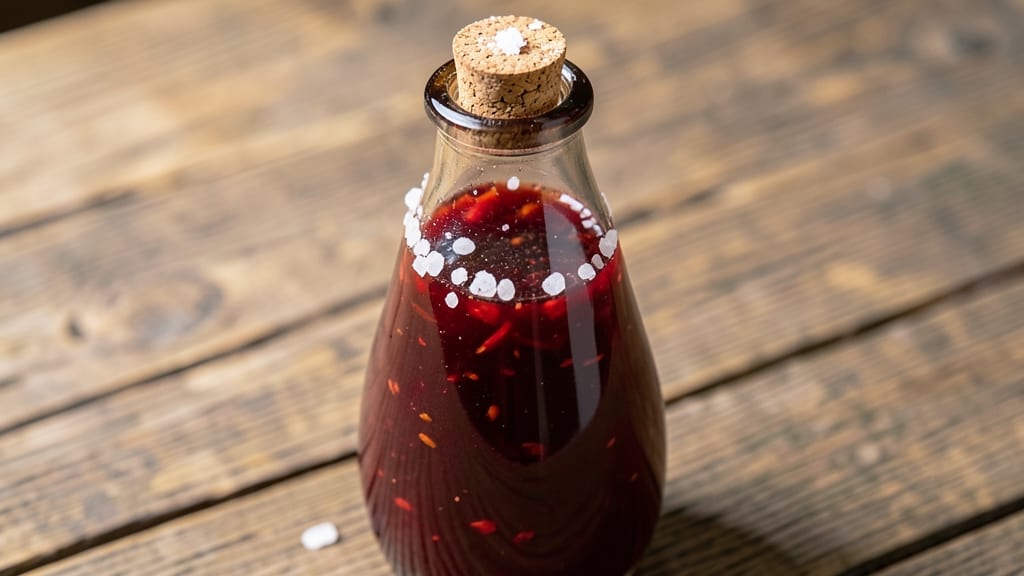
This copycat Tabasco sauce recipe brings that beloved tangy, smoky punch straight to your stove—no trip to the store required. This copycat version uses just three core ingredients—peppers, vinegar, and salt—to capture the signature heat and depth that makes Tabasco a pantry staple.
The fermentation process is where the magic happens, transforming simple components into a condiment that rivals the original.
What sets this recipe apart is its precision: a 30-day fermentation period ensures the perfect balance of heat and acidity, while the specific pepper-to-vinegar ratio delivers that unmistakable Tabasco profile.
No special equipment is needed—just a clean jar and patience. The result is a sauce with layers of complexity: bright, vinegary tang, subtle smokiness, and a slow-building heat that lingers.
Once fermented, this sauce transforms everyday dishes—drizzled over eggs, mixed into cocktails, or used as a marinade base. The texture remains smooth and pourable, just like the original, with a shelf life of up to a year when stored properly.
Every batch delivers that unmistakable Tabasco flavor, proving you don’t need a Louisiana plant to recreate it.
Whether you're a hot sauce enthusiast or simply want to elevate your cooking, this method guarantees professional-quality results. Let’s get started with the exact steps to ferment your own batch.
Ingredients for copycat tabasco sauce
Three core ingredients transform into a professional-grade sauce with 30 days of patience.
| Ingredient | Amount | Notes |
|---|---|---|
| Cayenne Peppers 🌶️ | 1 cup | Fresh, whole pods preferred |
| White Vinegar 💧 | 1 cup | Distilled, 5% acidity |
| Diamond Crystal Kosher Salt 🧂 | 1 tbsp | Fine grain preferred |
| Granulated Sugar 🍚 | ½ tbsp | White, for fermentation |
| Distilled Water 💧 | ½ cup | For initial dilution |
The cayenne peppers are the foundation—look for bright red, firm pods with no soft spots. Whole Foods or local farmers' markets often carry the freshest varieties, but any quality grocery store will suffice. The vinegar must be white distilled with 5% acidity—avoid malt or apple cider vinegars, as their flavor profiles will alter the final product. For the salt, Diamond Crystal kosher dissolves cleanly and prevents cloudiness in the final sauce. If you can't find it, Morton kosher salt works as a substitute, though it may leave a slight residue.
No cayenne peppers? Red jalapeños or habaneros can substitute at double the quantity, but expect a slightly different heat profile. The sugar is critical—it kickstarts fermentation, so don't omit it. If you're avoiding sugar entirely, agave syrup at half the amount works, though the fermentation timeline may extend slightly. The distilled water ensures clarity; tap water with strong mineral content can cloud the final sauce. For a smokier profile, add 1/4 tsp smoked paprika after fermentation, but this isn't traditional Tabasco.
Ferment in a sterilized glass jar with an airtight seal, stored in a cool, dark place. The sauce will develop its signature tang over 30 days, with the heat peaking around day 21. Once opened, refrigerate and use within 6 months for optimal flavor. For long-term storage, freeze in ice cube trays—thaw quickly in warm water before use. The sauce thickens naturally over time; stir occasionally to maintain consistency.
Why You'll Love This Recipe
- No-Fuss Simmer: I just toss cayenne, vinegar, salt, and sugar into a pot with water—no fancy prep, no measuring cups with mystery stains. Honestly, the hardest part is waiting for it to steep while I sip my coffee.
- Heat That Sticks: That first bite of tangy, fiery punch? It’s the cayenne and vinegar playing nice, with just enough sugar to keep it balanced. Between us, it’s the kind of heat that lingers without burning your mouth out—perfect for dipping, drizzling, or sneaking into dishes.
- Pantry Staple Magic: Already have vinegar, salt, and sugar? Boom—this sauce is yours. I keep a jar in my fridge for everything from eggs to tacos, and it turns even the simplest meal into something that feels special. (Yes, even on a Tuesday night.)
- Lasts Like Crazy: Make a big batch—it keeps for months in the fridge. I’ve got jars tucked in my pantry for emergencies, and it never loses its kick. Plus, it’s cheaper than buying bottles of Tabasco, so my wallet thanks me every time.
Step-by-step instructions for copycat Tabasco sauce recipe
This method delivers authentic Tabasco-style heat using only pantry staples and precise fermentation.
Prepare and Sterilize the Cayenne Peppers
Begin by selecting 1 cup of fresh cayenne peppers—whole pods are ideal, but seeds removed if you prefer milder heat. Rinse them thoroughly under cool water to remove any surface debris, then pat completely dry with paper towels. Sterilization is critical here: place the peppers in a clean glass jar and pour ½ cup of boiling distilled water over them. Let them soak for 10 minutes—this kills any bacteria and softens the peppers slightly for better extraction.
After soaking, drain the peppers but retain the jar. The distilled water ensures no mineral interference during fermentation. If using dried cayenne, reconstitute them first by soaking in ½ cup distilled water for 30 minutes before proceeding. The goal is to create a clean, sterile environment for the fermentation process that mimics Tabasco's signature tang and depth.
Combine Ingredients for Fermentation
In the same sterilized jar, add the drained cayenne peppers, 1 cup of white vinegar, 1 tablespoon of Diamond Crystal kosher salt, and ½ tablespoon of granulated sugar. Seal the jar tightly with a lid and shake vigorously for 30 seconds to ensure all ingredients are fully integrated. The vinegar acts as both a preservative and acidifier, while the sugar and salt create the ideal osmotic environment for fermentation.
Place the jar in a dark, cool location—68-72°F is ideal—where it will remain undisturbed for 7-10 days. This temperature range allows for controlled fermentation without bacterial spoilage. You'll notice the mixture darkening slightly and developing a subtle effervescence as natural yeasts and bacteria break down the sugars. The fermentation process is what gives Tabasco its complex, umami-rich profile, so patience is key here.
Strain and Bottle the Sauce
After the fermentation period, remove the jar from storage and carefully strain the contents through a fine-mesh sieve or cheesecloth into a clean glass bottle. Press the peppers firmly against the sieve to extract every last drop of liquid—this ensures maximum yield and potency. The strained liquid should be a deep amber color with visible cayenne particles suspended throughout, resembling commercial Tabasco sauce in both appearance and viscosity.
Store the bottled sauce in a cool, dark place for at least 2 weeks before using. This secondary aging period allows the flavors to meld and intensify. The sauce will continue to develop complexity over time, much like its commercial counterpart. For best results, use within 3 months of bottling, as the vinegar base will eventually break down the remaining plant material.
Test and Adjust Heat Levels
Taste the sauce directly from the bottle to assess heat and balance. If the cayenne flavor is too overpowering, dilute with an additional 1 tablespoon of white vinegar and let it rest for 24 hours before retesting. For milder heat, strain through a finer mesh to remove more pepper particles. The ideal copycat Tabasco should deliver a bold, smoky heat with a lingering vinegar tang—similar to the original but with a slightly more pronounced pepper character due to the fermentation process.
Use this sauce immediately in recipes calling for Tabasco or store it in the refrigerator for up to 6 months. The fermentation process creates a living product that continues to evolve, so the flavor profile may shift slightly over time. For maximum authenticity, serve chilled alongside seafood, cocktails, or grilled meats where its bright acidity and heat can truly shine.
Pro Tips For Making Copycat Tabasco Sauce
- CHAR THE PEPPERS: Toss whole cayennes directly into a dry, screaming-hot pan—no oil needed. Let them blacken and blister for 2-3 minutes until they smell like smoke and campfires. I learned this the hard way: undercooked peppers taste like sad, watery heat instead of deep, charred punch.
- SALT FIRST, THEN SWEET: Dissolve the Diamond Crystal kosher salt in the vinegar before adding sugar—it prevents grainy clumps and lets the salt fully integrate. After burning through three batches with gritty surprises, I now stir the salt in cold vinegar first, then heat gently. Sugar goes in last, when everything’s smooth.
- STRAIN THE PEPPERS: Skip the blender—finely chop the charred cayennes with kitchen shears or a knife, then strain through a fine-mesh sieve lined with cheesecloth. This removes skins and seeds for a silky texture. (Yes, it’s extra work, but your sauce won’t taste like you’re eating pepper skins.)
- USE LESS SUGAR: Start with half the sugar called for—Tabasco’s sweetness comes from reduction, not upfront syrup. Simmer the vinegar-pepper mix uncovered until it’s syrupy but not caramelized (about 15-20 minutes). Taste as you go; you can always add more sugar later, but you can’t undo over-sweetening.
Common mistakes when making your copycat tabasco sauce
Skipping Sterilization
One of the most critical mistakes is skipping the sterilization step for your peppers and jar. Even a small amount of bacteria can ruin your batch, leading to mold or off flavors. I always use boiling distilled water for 10 minutes to ensure everything is clean.
If you’re in a hurry, run your jar and utensils through a dishwasher cycle on high heat, or wipe them with 70% isopropyl alcohol. Never use tap water for sterilization—minerals can interfere with fermentation and cloud your sauce. 💡
Incorrect Pepper Selection
Using the wrong peppers throws off the entire flavor profile. Tabasco sauce relies on cayenne peppers for that signature heat and depth. Substituting with jalapeños or habaneros changes the heat level and flavor dramatically.
If you can’t find cayenne, opt for red chili peppers like Thai bird’s eye, but adjust the quantity—use half the volume since they’re hotter. Always choose fresh, firm peppers with vibrant color; wilted or moldy peppers will make your sauce bitter or funky.
Temperature Mismanagement
Fermentation is a delicate process, and temperature control is everything. Keeping your jar in a spot that’s too warm (above 75°F) can cause uncontrolled fermentation, leading to alcohol buildup or spoilage. Conversely, temperatures below 65°F slow fermentation to a crawl, resulting in a weak, underdeveloped sauce.
I store my jars in a cool pantry or cellar, but a garage or basement works too—just avoid direct sunlight or heat sources like ovens. A digital thermometer (like the Thermopro TP17) helps monitor conditions precisely.
Rushing the Fermentation
Patience is key with homemade Tabasco sauce—skipping the full 30-day fermentation means missing out on the complex flavors that develop over time. After just 10 days, the sauce will taste sharp and acidic but lack the depth of the original.
I’ve learned the hard way that rushing leads to a sauce that’s more like vinegar than Tabasco. If you’re impatient, extend the fermentation to 45 days for a richer, more authentic result. The longer it ferments, the smoother and more balanced the heat becomes. 🔥
Improper Straining
Failing to strain the sauce properly leaves behind pepper seeds and debris, which can make your sauce gritty and uneven in texture. Use a fine-mesh sieve or cheesecloth to catch every particle, and press the peppers firmly to extract all the liquid.
I double-strain mine through a coffee filter for an ultra-smooth finish. Skimping on this step can also trap mold spores, which can spoil your sauce faster. Always work in a clean environment to avoid contamination during straining.
Ignoring the Aging Process
After straining, the sauce needs time to mature—at least 2 weeks in a cool, dark place. This secondary aging allows flavors to meld and intensify, just like commercial Tabasco. If you use the sauce too soon, it’ll taste harsh and unbalanced.
I’ve made the mistake of using it immediately after straining, and the results were disappointing. For the best flavor, wait 4-6 weeks before using it in recipes. The longer it ages, the more complex and refined the taste becomes. 💫
Nutrition facts
Frequently asked questions
Why does my homemade sauce need to ferment for 30 days?
Fermentation is what creates Tabasco's signature depth and complexity. During the 30-day process, natural yeasts and bacteria break down the sugars in the peppers, developing that signature tang and umami richness. The longer it ferments, the smoother and more balanced the heat becomes—rushing this step results in a sharp, vinegary sauce that lacks the authentic Tabasco profile.
Can I use dried cayenne peppers instead of fresh?
Yes, but you'll need to reconstitute them first. Soak ½ cup dried cayenne in ½ cup distilled water for 30 minutes before using in the recipe. Dried peppers are more concentrated, so they'll deliver a stronger heat profile. For best results, use high-quality dried cayenne without added fillers or anti-caking agents.
How do I adjust the heat level if it's too spicy?
For milder heat, strain the sauce through a finer mesh sieve or coffee filter to remove more pepper particles. You can also dilute it with an additional 1 tablespoon of white vinegar and let it rest for 24 hours before testing. If you want to reduce heat during fermentation, simply use fewer cayenne peppers in your initial batch.
What's the best way to store my homemade Tabasco sauce?
Store in a clean glass bottle with an airtight lid in a cool, dark place. The sauce will keep for up to 6 months unrefrigerated, though flavors will degrade faster than commercial Tabasco. For longer storage, refrigerate after opening and use within 3 months. Freezing in ice cube trays works well for small batches—thaw quickly in warm water before use.
Can I make this sauce without vinegar?
Vinegar is essential for both preservation and the signature tang. While you could try using lemon juice or apple cider vinegar, the flavor profile will differ significantly. White distilled vinegar provides the clean acidity needed to mimic Tabasco's bright, sharp character. Without it, your sauce will taste more like a pepper-infused brine than the classic hot sauce.