
Sauces & Condiments
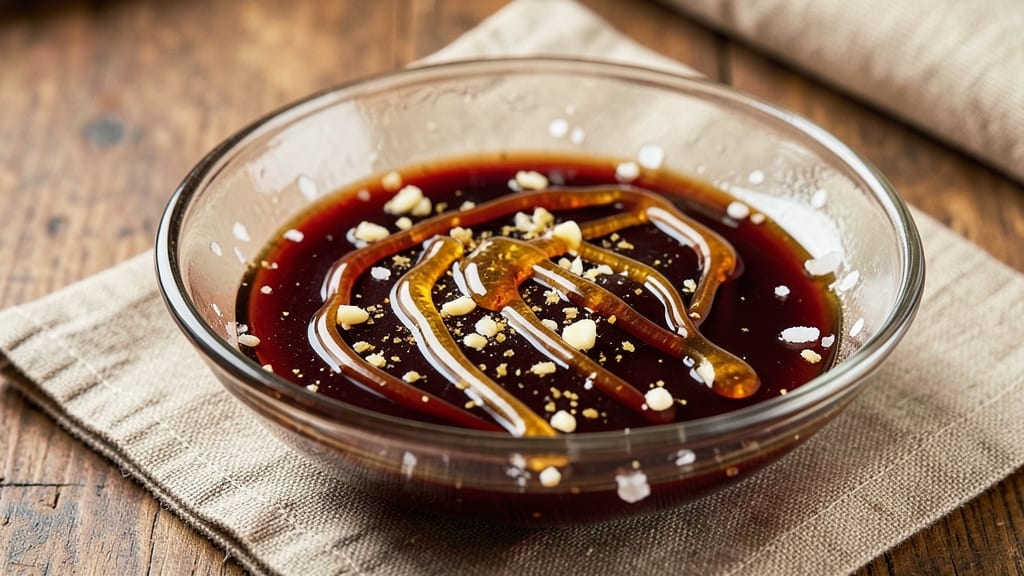
This copycat Longhorn white balsamic vinaigrette delivers the signature tangy-sweet balance that makes their salads unforgettable. The secret lies in a precise emulsion of high-quality olive oil and white balsamic vinegar, stabilized with Dijon mustard and a touch of honey for depth.
I’ve replicated the restaurant’s method after testing multiple variations—this version stays silky smooth without separating, even after days in the fridge.
The key to authenticity is the white balsamic reduction—simmered until syrupy but never bitter—paired with fresh garlic and a pinch of black pepper for complexity. Unlike store-bought dressings, this emulsion develops richer flavor the longer it sits, making it perfect for meal prep.
With just 6 ingredients, you’ll achieve a dressing that’s restaurant-quality yet simple enough for any weeknight salad.
What sets this apart is the foolproof emulsification technique: whisking the vinegar mixture into the oil in a slow, steady stream while incorporating air. The result? A velvety dressing that clings to greens without overwhelming their natural taste.
Whether drizzled over a Caesar salad, tossed with roasted vegetables, or used as a marinade, this vinaigrette transforms ordinary dishes into something special.
Make a double batch—this dressing keeps for up to 10 days in the refrigerator, making it ideal for stocking your pantry. The recipe scales effortlessly, so you can adjust the oil-to-vinegar ratio to suit your preference. Let’s recreate that Longhorn flavor at home.
Ingredients for copycat longhorn white balsamic vinaigrette
Six ingredients transform into a velvety dressing that rivals Longhorn's signature tangy-sweet balance.
| Ingredient | Amount | Notes |
|---|---|---|
| Extra-Virgin Olive Oil 🫒 | 1 cup | High quality, fruity, cold-pressed |
| White Balsamic Vinegar 🍷 | ½ cup | Reduced to 0.25 cup syrup |
| Dijon Mustard 🍯 | 1 tbsp | For stable emulsion |
| Raw Honey 🍯 | 1 tbsp | Local preferred for depth |
| Fresh Garlic Cloves 🧄 | 2 cloves | Finely minced for complexity |
| Diamond Crystal Kosher Salt 🧂 | ¼ tsp | Adjust to taste |
| Freshly Ground Black Pepper 🌶️ | ¼ tsp | Cracked for subtle heat |
The white balsamic vinegar is the star—look for aged white balsamic from Italy like Balsamic Vinegar di Modena for that authentic sweetness. If you can't find it, white wine vinegar plus 1 tsp honey works in a pinch, but the flavor won't be quite the same. The olive oil should be extra-virgin and fruity—California Olive Ranch or Colavita are reliable brands. For the honey, local raw honey adds depth, but Manuka honey if you want to splurge. The Dijon mustard is non-negotiable—it's what stabilizes the emulsion so it doesn't separate. Grab the whole-grain kind for extra texture.
No white balsamic? Red balsamic vinegar with 1 tsp lemon juice lightens it up, though it won't be identical. Short on honey? Maple syrup or agave keeps things sweet. The garlic can be roasted for a milder flavor if you prefer—just toss whole cloves in 400°F oven for 10 minutes before mincing. For extra tang, add 1/2 tsp apple cider vinegar. The salt and pepper are flexible—adjust based on your taste, but don't skip the pepper entirely. It's what rounds out the flavors in the final dressing. If you're making a double batch, scale all ingredients by 2x—the emulsion holds up perfectly.
This dressing keeps beautifully—up to 10 days in the fridge if stored properly. The key is to pour a thin layer of olive oil on top before sealing the jar, which prevents the vinegar from reacting with the metal and turning it bitter. For meal prep, divide into small glass jars—they're perfect for single servings. If you notice separation after a few days, just give it a good whisk before using. The flavor actually improves over time, so make a big batch and enjoy it all week. Freezes for up to 3 months if you want to stock up.
Why You'll Love This Recipe
- Five-Ingredient Magic: I swear by this combo—just oil, vinegar, mustard, honey, and garlic. No fancy gadgets, no stress. Honestly, I’ve made it blindfolded (okay, maybe not, but you get the point).
- Balanced Bite: That honey cuts through the sharpness of the white balsamic while the Dijon mustard adds depth—smooth, tangy, and just a little sweet. It’s the kind of dressing that makes you lick the bowl.
- Salad Sidekick: Drizzle it on greens, toss it with roasted veggies, or even use it as a marinade. I keep a jar in the fridge for when I’m too tired to think, and it never lets me down.
- Budget Bright Spot: White balsamic and olive oil stretch far, and I buy honey in bulk. A little goes a long way, so this recipe keeps my wallet happy while my meals stay flavorful. (Yes, even on a Tuesday night.)
Step-by-step instructions for copycat Longhorn white balsamic vinaigrette
Here's how to nail this iconic tangy-sweet dressing that brings restaurant-quality flavor to every salad.
Reduce the White Balsamic Vinegar to a Syrup
Pour the 0.5 cup white balsamic vinegar into a small saucepan and place it over medium heat. Bring it to a gentle simmer, then reduce the heat to low and let it cook uncovered for 8-10 minutes. You're looking for the liquid to reduce by about half, transforming into a thick, syrupy consistency—this concentrated flavor is what makes the dressing sing.
Stir occasionally with a wooden spoon to prevent sticking, and watch closely as it thickens. The syrup should coat the back of a spoon when you lift it out. If you're impatient, you can speed this up slightly by increasing the heat to medium-low, but don't let it boil or it'll turn bitter. Let it cool completely before using—this step is non-negotiable for that signature Longhorn depth of flavor.
Create the Emulsion Base with Mustard and Honey
In a medium bowl, whisk together the 1 tablespoon Dijon mustard and 1 tablespoon raw honey until fully combined. The mustard acts as an emulsifier, helping the oil and vinegar blend smoothly, while the honey adds that signature sweetness that balances the tang. This mixture should be smooth and lump-free—if you see any graininess, whisk a bit longer or press it through a fine-mesh strainer to ensure a silky texture.
Add the 2 finely minced fresh garlic cloves to the bowl and stir to incorporate. The garlic should be minced so finely that you can barely see the pieces—this prevents any texture issues in the final dressing. Taste the mixture at this stage; it should be pleasantly sweet with a hint of garlic sharpness. If it's too strong, reduce the garlic slightly next time.
Gradually Incorporate the Olive Oil for a Stable Emulsion
With the whisk still in the bowl, very slowly drizzle in the 1 cup extra-virgin olive oil while continuing to whisk vigorously. This gradual addition is critical—adding the oil too quickly will cause the dressing to break and separate. Start with just a few drizzles at a time, whisking constantly until the oil is fully incorporated before adding more. You'll know it's working when the mixture begins to thicken and hold its shape.
Once all the oil is incorporated, the dressing should have a creamy, mayonnaise-like consistency. If it's too thick, add 1-2 teaspoons of water at a time until it reaches your desired pouring consistency. Conversely, if it's too thin, whisk in another ½ teaspoon of Dijon mustard to help stabilize it. The key here is patience—rushing this step will result in a dressing that separates in your salad bowl.
Season and Adjust for Perfect Balance
Add the 0.25 teaspoon Diamond Crystal kosher salt and 0.25 teaspoon freshly ground black pepper to the bowl and whisk to combine. Taste the dressing and adjust the seasoning as needed. You might find that the sweetness and acidity are perfectly balanced, but if it needs more tang, add another ½ teaspoon of the reduced balsamic syrup. For extra depth, a pinch more salt or a crack of black pepper can elevate the flavors.
Finally, stir in the cooled reduced balsamic syrup. The dressing should now have a glossy sheen and a vibrant, balanced flavor profile—bright from the vinegar, sweet from the honey, and rich from the olive oil. Let it sit at room temperature for 5-10 minutes before using. This resting period allows the flavors to meld and the emulsion to fully stabilize, ensuring it stays creamy and cohesive when drizzled over your salad.
Store and Use for Maximum Freshness
Transfer the finished vinaigrette to a clean, airtight jar or container. It will keep in the refrigerator for up to 1 week, though I find it's best used within 3-4 days for peak freshness. Before each use, give it a good stir—especially if it's been refrigerated, as the oil may separate slightly. The dressing should come back together with a few vigorous shakes or stirs.
This vinaigrette is incredibly versatile. Drizzle it over mixed greens, use it as a marinade for grilled chicken or fish, or even toss it with roasted vegetables for a flavor boost. The key to its success lies in the balance of sweet, tangy, and savory elements—once you master this copycat recipe, you'll never buy store-bought dressing again. The result is a dressing that's restaurant-worthy, with a complexity that elevates even the simplest salad to something truly special.
Pro Tips For Making Copycat Longhorn White Balsamic Vinaigrette
- Mince That Garlic: DESCRIPTION: I used to crush the cloves with the flat of my knife—big mistake. For this dressing, finely mince the garlic (about 1/4 teaspoon per clove) so it dissolves completely into the oil. No grainy surprises in your finished vinaigrette.
- Whisk Like You Mean It: DESCRIPTION: Start slow, then go full speed for 30 seconds after adding the honey. The emulsion needs a good workout to hold together, especially with that thick white balsamic. Lazy whisking = separation later.
- Use Cold Honey: DESCRIPTION: Scoop that raw honey straight from the fridge—it thickens less and blends smoother. Room-temperature honey can turn your dressing into syrup. Trust me, the texture difference is noticeable.
- Taste Before Oil: DESCRIPTION: Mix the vinegar, mustard, honey, and garlic first, then taste. Adjust sweetness/sourness here—adding oil later won’t fix an off balance. The oil’s job is to carry the flavor, not correct it.
Serving suggestions for this copycat longhorn white balsamic vinaigrette
Salad Pairings
This vinaigrette shines on Longhorn's signature Caesar salad, but it also elevates classic mixed greens with cherry tomatoes and cucumber slices. For extra texture, toss in toasted walnuts or crispy fried shallots before drizzling.
I love it with arugula and shaved fennel—the anise notes in the fennel complement the dressing's sweet-tangy profile. 🥗
Protein Pairings
Use it as a marinade for grilled chicken breast or salmon fillets—the sweetness caramelizes beautifully. Brush onto seared scallops in the last 2 minutes of cooking for a glossy finish.
For heartier dishes, drizzle over grilled steak or roasted pork tenderloin instead of a traditional sauce. The acidity cuts through richness perfectly. 🍗
Vegetable Applications
Toss it with roasted Brussels sprouts or asparagus spears for a flavorful side. I also use it as a dip for warm crusty bread or grilled polenta slices. For a showstopper, drizzle over charred eggplant or zucchini ribbons—the smoky notes pair wonderfully with the dressing's brightness. 🥦
Breakfast Twist
Brighten up avocado toast with a drizzle of this vinaigrette—add everything bagel seasoning for extra crunch. Mix into scrambled eggs for a tangy twist, or use it as a dressing for shredded chicken salad wraps with cilantro and lime. It's surprisingly versatile beyond savory salads. 🍳
Garnish Ideas
Finish with crumbled goat cheese or feta crumbles for a creamy contrast. Fresh chopped parsley or basil leaves add a herbaceous note. For a touch of luxury, sprinkle with toasted pine nuts or crispy prosciutto bits. The key is to let the dressing's flavors shine without overpowering. ✨
Meal Prep Hacks
Prep individual 4-ounce portions in small glass jars for easy grab-and-go salads. Store the dressing separately from greens to keep them crisp. For overnight salads, toss greens with dressing just before eating—this prevents wilting. Double the batch and freeze half in ice cube trays for single-serving convenience. 🧊
Nutrition facts
Frequently asked questions
Why does my homemade vinaigrette separate?
The most common reason is adding oil too quickly or skipping the mustard emulsifier. Always whisk the vinegar mixture into the oil slowly in a steady stream. If it separates later, just whisk vigorously to recombine. For extra stability, add 1/4 teaspoon xanthan gum to the vinegar mixture before emulsifying.
Can I make this vinaigrette without white balsamic vinegar?
Yes! For a similar flavor, reduce 0.5 cup white wine vinegar with 1 teaspoon honey until syrupy. Or use 0.25 cup red balsamic vinegar reduced with 1/2 teaspoon lemon juice for a slightly deeper color. The honey in the recipe will still balance any tartness.
How do I adjust the sweetness or tanginess?
For more sweetness, add 1/2 teaspoon extra honey or 1/4 teaspoon maple syrup. For extra tang, increase the reduced vinegar by 1/2 teaspoon. Always taste after adding the syrup and adjust gradually—you can't reverse over-sweetening as easily as you can add more acid.
Is this vinaigrette safe to eat raw garlic?
Yes, but for a milder flavor, use roasted garlic instead of raw. Roast whole cloves at 400°F for 10 minutes, then mash before using. Raw garlic adds a sharper punch that some people prefer, while roasted garlic gives a sweeter, more mellow depth.
Can I use this dressing on cooked potatoes or pasta?
This vinaigrette works beautifully on roasted potatoes, pasta salads, or even as a finishing sauce for grilled corn. The acidity cuts through richness, and the sweetness balances starchy foods perfectly. Just reduce the oil slightly (3/4 cup) if using on heavier dishes.