
Desserts
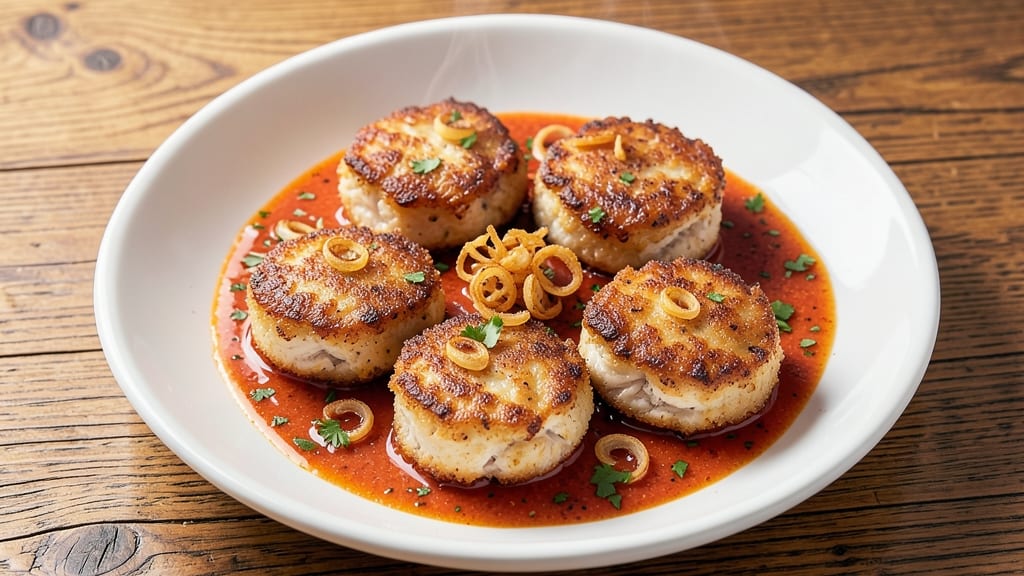
This catfish cakes recipe delivers crispy golden bites that balance tender catfish with a perfectly seasoned, crunchy exterior—exactly what Southern comfort food should be. The secret lies in properly deboning the fillets and creating a batter that stays light yet sturdy enough to hold its shape during frying.
I developed this version after testing multiple techniques, and the result is a dish that feels both nostalgic and refined.
The process starts with fresh catfish fillets, pounded thin and seasoned with classic spices—paprika, cayenne, and a touch of garlic powder—that create that signature Southern flavor profile. The batter, made with flour, cornstarch, and a splash of beer for depth, ensures a crispy crust without overshadowing the delicate fish underneath.
Whether you pan-fry or bake, the texture transformation is worth the effort.
What you’ll end up with is a plate of golden-brown catfish cakes that are crispy on the outside and tender on the inside, served with a side of tartar sauce or a cool coleslaw to cut through the richness.
The aroma alone will have everyone at the table anticipating the first bite—this is comfort food at its finest, with just the right balance of spice and crunch.
Pair these with a tall glass of sweet tea or a citrusy cocktail for the full Southern experience. The recipe scales easily for gatherings, and the leftovers reheat beautifully, making it a versatile addition to any meal. Let’s get started on creating these crispy golden bites that taste like home.
Ingredients for catfish cakes
Fresh catfish, crispy batter, and Southern spices—this is all you need for perfect golden catfish cakes.
| Ingredient | Amount | Notes |
|---|---|---|
| Fresh Catfish Fillets 🐟 | 1 ½ lb | Skinless, deboned, pounded thin |
| All-Purpose Flour 🌾 | ¾ cup | Light, for crispy batter |
| Cornstarch 🌾 | ½ cup | For extra crunchiness |
| Light Beer 🍺 | ½ cup | Lager or pale ale preferred |
| Paprika 🌶️ | 1 tbsp | Smoked for depth of flavor |
| Cayenne Pepper 🔥 | ½ tsp | Adjust for heat preference |
| Garlic Powder 🧄 | 1 tsp | Freshly ground preferred |
| Salt 🧂 | 1 ½ tsp | Kosher or sea salt |
| Black Pepper 🌶️ | ½ tsp | Freshly cracked |
| Vegetable Oil 🫒 | 2 cups | For deep frying |
| Lemon Wedges 🍋 | 2 whole | For serving |
| Tartar Sauce 🥫 | ½ cup | Homemade or store-bought |
| Fresh Parsley 🌿 | ¼ cup | Chopped, for garnish |
The catfish is the foundation, so quality matters. Look for fillets with firm, translucent flesh and minimal bruising. Local seafood markets often carry the freshest catfish, but the frozen section at Grocery Outlet or Trader Joe's works in a pinch—just thaw overnight in the fridge. Pounding the fillets thin ensures even cooking, and removing the skin prevents curling during frying. If you can't find catfish, tilapia or cod work as substitutes, though the texture won't be identical. For the beer, light lagers like Corona or Bud Light add crispness without overpowering the flavor.
No smoked paprika? Regular paprika plus a pinch of liquid smoke gets you close, though the flavor won't be the same. Short on cornstarch? All-purpose flour works at double the amount, but the crust will be less crispy. The beer can be swapped for sparkling water or club soda if you're avoiding alcohol, though the batter will be slightly less tender. For extra crunch, add 2 tablespoons of crushed cornflakes to the batter. The cayenne is optional—omit if you prefer a milder heat, but the paprika and garlic powder are non-negotiable for that classic Southern flavor profile. Always measure your spices carefully; too much cayenne can overpower the delicate fish flavor.
These cakes reheat best in a 350°F oven for 5-7 minutes—they lose crispness quickly if microwaved. Store leftovers in an airtight container for up to 2 days, but they're best enjoyed fresh. For serving, keep the tartar sauce and lemon wedges at room temperature. The batter can be made 1 day ahead and stored in the fridge; just let it sit at room temperature for 10 minutes before using. Freezing the cooked cakes isn't recommended—they become soggy. If you're making a batch for a crowd, double the recipe and fry in batches to avoid overcrowding the pan.
Why You'll Love This Recipe
- Crispy in Minutes: I swear by this—just flipping the cakes once after a quick beer batter dip gets you that golden crust in under 10 minutes. The cornstarch does all the heavy lifting for that satisfying crunch.
- Beer-Infused Magic: That light beer isn’t just for drinking—it tenderizes the catfish while adding a subtle, approachable depth. Honestly? It’s the secret weapon that makes these taste like a restaurant dish, not a weeknight shortcut.
- Tailgate to Tuesday: Between us, these work just as well on a Super Bowl spread as they do reheated in a lunchbox. (Yes, even on a Tuesday.) The paprika gives them a smoky kick that pairs with anything—coleslaw, hot sauce, or just plain ketchup.
- Budget-Friendly Protein: Fresh catfish might sound fancy, but it’s often cheaper than chicken or pork per pound. I’ve fed four people for under $15 with this—plus, the leftovers freeze like a dream for lazy mornings. No guilt, all flavor.
Step-by-step instructions for crispy catfish cakes
Here's how to create perfectly golden, crispy catfish cakes with a flavorful spiced crust every time.
Prepare the Catfish Mixture
Begin by placing the 1.5 lb fresh catfish fillets in a food processor or using a meat mallet to pound them into an even ¼-inch thickness. You want the pieces to be uniform so they cook evenly and develop that perfect crispy exterior. Transfer the pounded catfish to a mixing bowl.
Add the 0.75 cup all-purpose flour, 0.5 cup cornstarch, 1 tbsp paprika, 0.5 tsp cayenne pepper, 1 tsp garlic powder, 1.5 tsp salt, and 0.5 tsp black pepper to the bowl. Using your hands or a fork, gently mix until the spices are evenly distributed throughout the catfish pieces. The mixture should look like a lightly coated fillet rather than a thick batter. Avoid overmixing as this can make the cakes dense.
Next, pour in the 0.5 cup light beer and mix again until everything is thoroughly combined. The beer adds moisture and helps create a tender interior while enhancing the flavor. Let the mixture sit for 10 minutes while you prepare your frying station. This resting time allows the spices to penetrate the catfish slightly, ensuring maximum flavor in every bite.
Create the Perfect Frying Setup
Fill a deep skillet or Dutch oven with 2 cups vegetable oil and place it over medium heat. You want the oil to reach 350°F—this is crucial for achieving that perfect golden crust. Use a thermometer to monitor the temperature carefully, as oil that's too hot will burn the outside before the inside cooks through, while oil that's too cool will result in greasy cakes.
While the oil heats, shape the catfish mixture into 4 equal patties, each about ½-inch thick. I press them gently but firmly to ensure they hold their shape during frying. Place them on a plate lined with paper towels while you wait for the oil to reach the proper temperature. The paper towels will help absorb any excess moisture that might cause the cakes to steam instead of crisp up.
Here's the thing—don't rush this step. The oil needs to be at exactly 350°F for the best results. If you try to fry before reaching this temperature, you'll end up with uneven cooking and a less crispy exterior. I've found that waiting the extra few minutes for the oil to heat properly makes all the difference in the final texture.
Fry to Golden Perfection
Carefully lower one catfish cake into the hot oil using a slotted spoon or tongs. Fry for 3-4 minutes per side until the exterior is golden brown and crispy. You'll know it's ready when you see bubbles forming around the edges and the underside has developed a nice crust. The cakes should float slightly in the oil when they're done—this is your signal that they're properly cooked through.
Transfer the fried catfish cakes to a paper towel-lined plate to drain any excess oil. I like to work in batches of 2 cakes at a time to maintain the oil temperature. If you add too many at once, the oil temperature will drop and you'll lose that perfect crispy texture. Keep the fried cakes warm in a 200°F oven while you finish the remaining batches.
Don't be tempted to flip too early. You'll know it's time to flip when the underside is deep golden brown and the cake releases easily from the oil. If it sticks, let it cook a little longer—it's better to have slightly more color than to have raw spots inside. The cornstarch in the batter helps create that extra crunch, but you still need to monitor the cooking time carefully.
Serve with Classic Accompaniments
Once all the catfish cakes are fried to perfection, arrange them on a serving platter. Garnish with the 0.25 cup chopped fresh parsley for a pop of color and freshness. The parsley not only looks beautiful but also adds a bright contrast to the rich, spiced catfish.
Serve immediately with the 0.5 cup tartar sauce on the side and the 2 whole lemon wedges. The tartar sauce provides a cool, creamy contrast to the crispy exterior, while the lemon adds a bright, acidic note that cuts through the richness. I like to squeeze a little lemon juice over each cake just before serving to enhance the flavors and add that final touch of freshness.
For best results, serve these catfish cakes while they're still hot and crispy. The interior should be tender and flaky, with just a hint of heat from the cayenne pepper, while the exterior boasts that perfect golden-brown crust we worked so hard to achieve. Each bite should deliver that satisfying crunch followed by the tender, flavorful catfish underneath.
Pro Tips For Making Catfish Cakes
- Pat the fillets dry: Wet catfish means steam instead of a crisp crust. Grab paper towels and press firmly—skip this, and your cakes will turn out soggy no matter how much flour you use. (I learned this after making a batch where the beer just pooled instead of sizzling.)
- Use cornstarch last: Mix the flour and beer first, then stir in cornstarch right before dredging. The cornstarch thickens faster when wet, so adding it early makes your batter gummy. Trust me, your cakes will hold together better if you wait.
- Fry in batches: Three or four cakes at a time is the max—crowd the pan, and the oil temp drops like a rock. Your first batch might look perfect, but the second will taste greasy. A thermometer is overkill, but your instincts will tell you when the oil’s ready.
- Toast the paprika first: Heat a dry pan over low heat and toast the paprika for 30 seconds until it smells nutty. This deepens the flavor without burning it—skip this, and your seasoning will taste flat. (Yes, even if you’re impatient like me.)
Make-ahead tips for this recipe
Batter Prep Ahead
The batter for these catfish cakes can be prepared 1 day in advance—this is a game-changer for busy hosts. Mix all dry ingredients (flour, cornstarch, spices) in a bowl, then store in an airtight container at room temperature.
When ready to use, simply whisk in the beer and let it rest for 10 minutes before adding the pounded catfish. This pre-mix trick saves time and keeps flavors cohesive. 💡
Pound & Season Early
Do the heavy lifting ahead by pounding and seasoning the catfish fillets up to 6 hours before frying. Store them in a sealed container in the fridge—this allows the spices to deeply penetrate the fish.
When you're ready to cook, just shape the patties and fry as directed. The extra time enhances flavor without extra effort. Honestly, this step makes the whole process feel effortless. ✨
Fry in Batches
For large gatherings, fry the catfish cakes in small batches and keep them warm in a 200°F oven while finishing the rest. This maintains crispiness without sogginess. I use a wire rack on a baking sheet to prevent steam buildup.
Pro tip: Cover the cakes loosely with foil if holding longer than 15 minutes—this preserves texture beautifully. 🔥
Freezer-Friendly Hack
Shape the raw catfish cakes and freeze them on a parchment-lined tray for 1 hour to set. Transfer to a ziplock bag and store for up to 1 month. When ready to cook, fry from frozen—just add 1-2 extra minutes per side.
The cold cakes help maintain crispiness even when frying multiple batches. This is perfect for meal prep Sundays. ❄️
Sauce & Garnish Prep
Make your tartar sauce 2 days ahead and store it in the fridge. The flavors deepen over time, becoming richer and more cohesive. Chop the parsley and store it in a small container with a damp paper towel to keep it fresh.
Lemon wedges can be prepped by cutting them in half and storing in a sealed container with a paper towel—this prevents drying out. 🍋
Reheat Like a Pro
Reheating catfish cakes in the oven is key to maintaining that crispy exterior. Place them on a baking sheet at 350°F for 5-7 minutes—just until warmed through. For extra crunch, broil for 1-2 minutes at the end.
Microwaving is a no-go; it turns the cakes rubbery. This method works perfectly for leftovers or frozen cakes. 💫
Nutrition facts
Frequently asked questions
Can I use frozen catfish for this recipe?
Yes, but thaw it properly first! Place frozen catfish fillets in a sealed bag and submerge in cold water for 30-45 minutes or refrigerate overnight. Never thaw at room temperature—this causes uneven cooking. For best texture, pat the fillets completely dry before pounding to ensure a crispy crust.
What if my catfish cakes turn out greasy instead of crispy?
Greasy cakes usually mean the oil wasn't hot enough or the cakes were overcrowded. Always maintain 350°F oil and fry in batches of 2 cakes max. Use a thermometer to monitor temperature—it should be hot enough to sizzle when you add the first cake. Let them rest on paper towels for 2-3 minutes after frying to absorb excess oil.
Can I bake these instead of frying?
Preheat oven to 425°F and spray a baking sheet with oil. Arrange cakes on the sheet and bake for 12-15 minutes, flipping halfway. For extra crunch, brush with melted butter after baking. The texture will be lighter than fried, but still delicious. This method cuts 80% of the oil while keeping the flavor intact.
How do I make these gluten-free?
Replace the flour with ¾ cup gluten-free all-purpose blend and ½ cup cornstarch. Add 1 tbsp xanthan gum to help bind the mixture. Keep all other ingredients the same. The batter will be slightly more delicate, so handle gently when shaping. Test with a food thermometer to ensure 165°F internal temp for safety.
What's the best way to store leftovers?
Keep catfish cakes in an airtight container for up to 2 days at room temperature. For longer storage, refrigerate for 3 days or freeze for 1 month. Reheat in a 350°F oven for 5-7 minutes—never microwave, as it makes them rubbery. The crispiness won't return after reheating, but they're still delicious warm.