
Main Courses
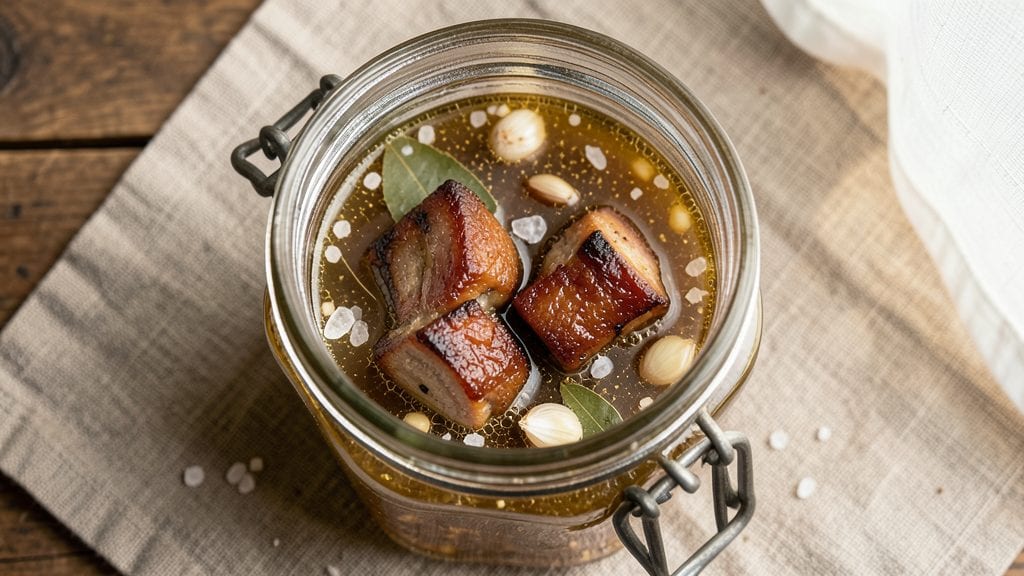
Mastering canned pickled pork hocks transforms tough cuts into melt-in-your-mouth collagen-rich perfection—this recipe preserves every tender bite for months. Growing up in small-town Georgia, my grandmother’s pressure canner was the heart of our pantry, and this technique remains my go-to for preserving pork the old-fashioned way.
The slow braising breaks down connective tissue while the vinegar brine tenderizes, creating a dish that’s both comforting and impressive.
This method combines traditional Southern preservation with modern precision, using a carefully balanced brine of vinegar, spices, and aromatics to penetrate the meat during the 8-hour slow braise. The result is pork hocks that practically fall apart, infused with bright, tangy flavors that deepen over time.
Whether you’re canning for winter or simply want to elevate a weeknight meal, this recipe delivers restaurant-quality results with minimal effort.
By the time you seal those jars, you’ll have a pantry staple that’s rich in protein and flavor—ideal for sandwiches, stews, or served alongside collard greens.
The pressure canning process ensures safety while locking in freshness for up to a year, making this a foolproof way to preserve pork the way my family has for generations. Let’s get started on creating a dish that tastes like home, no matter the season.
For those new to canning, I’ll walk you through sterilization, jar prep, and the exact timing needed to achieve that signature tender texture. The key lies in patience—the longer the braise, the more the collagen dissolves into the meat, creating a dish that’s worth every minute of preparation.
This is how tradition meets technique, and why my kitchen always has jars of this ready for any occasion.
Ingredients for canned pickled pork hocks
Six essential ingredients plus jars for preserving—this Southern classic transforms tough pork into melt-in-your-mouth perfection.
| Ingredient | Amount | Notes |
|---|---|---|
| Pork Hocks 🍖 | 4 whole | Fresh, bone-in, 2-3 lbs each |
| White Vinegar 🍶 | 4 cups | Distilled, 5% acidity minimum |
| Granulated Sugar 🍚 | 1 cup | White, for balanced sweetness |
| Diamond Crystal Kosher Salt 🧂 | ½ cup | Coarse grain preferred |
| Garlic Cloves 🧄 | 8 cloves | Peeled, whole for infusion |
| Fresh Bay Leaves 🌿 | 4 whole | Dried works at half amount |
| Black Peppercorns 🌶️ | 1 tbsp | Whole, lightly crushed |
| Mustard Seeds 🌶️ | 1 tsp | Whole, for subtle heat |
| Allspice Berries 🌿 | 1 tsp | Crushed lightly for aroma |
| Onion Powder 🧅 | 1 tsp | Freshly ground preferred |
| Pint-Sized Canning Jars 🥫 | 4 jars | Mason jars with new lids |
| Cold Water 💧 | 8 cups | For sterilization and brine |
The pork hocks are non-negotiable—look for bone-in cuts weighing 2-3 lbs each at your butcher shop or Costco. They should smell fresh, not gamey, and have a vibrant pinkish hue. Local farms often have the best quality, but grocery store brands work if they're labeled 'fresh.' The vinegar matters too—stick with distilled white vinegar at 5% acidity for reliable preservation. I always buy an extra quart just in case. For the jars, Ball or Kerr brand mason jars are the gold standard—check the rim for any nicks before canning.
No fresh bay leaves? Dried works at half the amount, but the flavor won't be as bright. Mustard seeds giving you trouble? Swap for 1/2 tsp ground mustard, though texture will differ slightly. Short on allspice? Cinnamon sticks or cloves add warmth, but won't replicate the same depth. The onion powder can be replaced with 1/4 cup finely minced onion if you're prepping ahead. For the sugar, brown sugar works too, but the color will darken slightly. And if you're really in a pinch, apple cider vinegar can substitute for white vinegar—just add an extra pinch of salt to compensate for the natural sweetness.
Sterilize jars and lids in boiling water for 10 minutes before filling. The pork hocks should be fully submerged in the brine—if not, add more vinegar. These keep in a cool, dark pantry for up to 12 months, but trust me, they'll disappear long before then. I always label mine with the date and contents—Sharpie on masking tape works perfectly. For serving, simply reheat in the jar with the liquid, or use cold straight from the pantry. The flavors only get better with time, so don't rush it.
Why You'll Love This Recipe
- Pantry Magic Ready: I swear by this recipe because it turns five ingredients into something extraordinary with almost no effort. Just toss the pork hocks in a jar with vinegar, sugar, salt, and garlic—no fancy prep, no fuss.
- Tangy-Sweet Obsession: The balance of bright vinegar and caramelized sugar creates this addictive flavor that’s both sharp and sweet. That first bite? It’s like biting into a crispy, juicy cloud with a garlicky punch.
- Leftovers That Last: This recipe actually improves the longer it sits—think of it as a flavor bomb that keeps giving. I’ve had jars last weeks, and every time I open one, it’s just as good as the first.
- Budget Feast for All: Pork hocks are affordable, and a single batch stretches across multiple meals. Perfect for feeding a crowd, meal prepping, or even gifting—no one will guess it’s this easy to make.
Step-by-step instructions for canning pickled pork hocks
Here's how to transform tough pork hocks into melt-in-your-mouth, collagen-rich delicacies through precise pickling.
Prepare the Pork Hocks for Maximum Flavor Extraction
Rinse the 4 whole pork hocks thoroughly under cold water to remove any surface debris. This step ensures a clean canvas for the pickling process. Pat them completely dry with paper towels—moisture on the surface will dilute your brine and prevent proper flavor infusion.
Place each pork hock in a large pot and cover with fresh cold water by about 2 inches. Bring to a boil over high heat, then immediately reduce to a simmer. Skim off any foam or impurities that rise to the surface during the first 10 minutes of cooking. This process removes blood and impurities that would otherwise create off-flavors in your finished product.
Simmer the pork hocks uncovered for 1 hour, stirring occasionally. You'll notice the meat begin to separate slightly from the bone and the liquid turn cloudy with released collagen. This pre-cooking step is crucial—it softens the connective tissue while preparing the meat for the pickling process. Drain the pork hocks and set them aside to cool slightly before proceeding.
Create the Perfect Pickling Brine
In a separate large bowl, combine the 4 cups white vinegar, 1 cup granulated sugar, and 0.5 cup diamond crystal kosher salt. Stir until the sugar and salt dissolve completely, creating a clear brine solution. This acidic environment is what will preserve your pork hocks while infusing them with flavor.
Add the 8 peeled garlic cloves, 4 whole fresh bay leaves, 1 tablespoon lightly crushed black peppercorns, 1 teaspoon whole mustard seeds, 1 teaspoon lightly crushed allspice berries, and 1 teaspoon onion powder to the vinegar mixture. Give everything a thorough stir to ensure even distribution of all aromatics throughout the liquid.
Pour the 8 cups cold water into a clean pot and bring to a boil. Once boiling, carefully pour the hot water over the vinegar mixture in the bowl. This creates your complete pickling solution. The heat helps dissolve any remaining sugar and salt while activating the aromatic compounds from your spices. Let the mixture cool to room temperature before using—this prevents thermal shock to your pork hocks.
Pack and Process the Pork Hocks
Sterilize your 4 pint-sized canning jars and lids by boiling them in water for 10 minutes. This critical step prevents contamination during storage. While the jars are sterilizing, carefully pack each cooled pork hock into a jar, arranging them vertically to maximize space utilization.
Ladle the warm pickling brine over the pork hocks, ensuring each piece is completely submerged. Use a wooden spoon to press down on the pork hocks if needed to maintain proper submersion—this prevents mold growth during storage. Leave about 1 inch of headspace at the top of each jar to allow for liquid expansion during processing.
Seal the jars according to manufacturer instructions and place them in a large pot fitted with a rack. Cover the jars with about 2 inches of hot water, ensuring the water level is above the jar tops. Bring to a boil and process for 90 minutes. The pressure and heat will drive out any remaining air bubbles and create an airtight seal that preserves your pork hocks for months.
Cool, Store, and Enjoy Your Preserved Delight
Remove the jars from the pot and let them cool completely on a towel-lined countertop. You'll hear the satisfying "ping" as the lids seal properly—this indicates successful preservation. Once cooled, check that the lids have sealed by pressing down on them; they should not pop up when pressed.
Store the sealed jars in a cool, dark place for at least 2 weeks before consuming. This aging period allows the flavors to fully develop and the meat to become tender. When ready to serve, simply open a jar and enjoy the pork hocks straight from the brine. The meat should be fork-tender with a rich, slightly sweet and tangy flavor profile that's perfect for sandwiches, soups, or as a standalone appetizer.
For best quality, consume within 12 months. The collagen-rich meat will continue to develop deeper flavor with age, making these preserved pork hocks a true pantry treasure that rewards patience with exceptional taste.
Pro Tips For Making Canned Pickled Pork Hocks
- Parboil First: Toss your pork hocks in a pot of cold water and bring to a rolling boil for 10 minutes before pickling—this loosens the connective tissue and guarantees they stay tender. I used to skip this, and the hocks turned out chewy no matter how long I pickled them.
- Use Less Vinegar: Diamond Crystal kosher salt measures differently than table salt, so cut your vinegar by 20% (about 1 cup per quart of liquid) to avoid an overly sour bite. I learned this after dumping extra vinegar in twice and ending up with pickles that tasted like a science experiment.
- Peel and Smash Garlic: Peel your garlic cloves and gently smash them with the flat side of a knife before adding to the jar—this releases more flavor without turning the brine muddy. Whole cloves just sit there like decorative rocks.
- Sterilize Jars Hot: Run your jars and lids through a 200°F oven for 10 minutes before filling, then keep them hot until canning. Cold jars create a vacuum seal failure, and nobody wants to open a jar that didn’t seal properly—especially after hours of cooking.
Serving suggestions for canned pickled pork hocks
Sandwich Showstoppers
Pickled pork hocks shine in Southern-style pulled pork sandwiches—shred the meat and pile it onto toasted brioche buns with tangy coleslaw made from shredded cabbage, carrot, and a vinegar-based dressing.
I like adding a smear of yellow mustard and a sprinkle of crispy fried onions for texture. For an extra kick, serve with pickled jalapeños on the side. 🌶️
Stew & Soup Elevations
Add a jar of pork hocks directly to beef or chicken stews during the last 30 minutes of cooking. The meat will disintegrate into rich, gelatinous strands, thickening your broth naturally.
I love this in collard greens soup with smoked turkey necks—it’s a true Southern comfort food. For a quicker option, toss shredded pork hocks into ramen broth for an umami-packed upgrade.
Breakfast Reinvented
Yes, pork hocks belong at breakfast! Shred the meat and mix it into scrambled eggs with sharp cheddar cheese and sliced jalapeños for a Southern-style huevos rancheros twist.
Or serve it on buttered cornbread with a drizzle of hot honey and crispy bacon. The tangy, savory flavors cut through the richness perfectly. 🍳
Appetizer Platter Star
Slice the pork hocks thinly and arrange them on a platter with pickled vegetables, olives, and crusty bread for a charcuterie-style appetizer. The meat’s tender texture and bold flavor make it a conversation starter.
Pair with a dry Riesling or craft IPA to balance the acidity. For extra flair, drizzle with a spicy aioli made from mayonnaise, sriracha, and lime juice.
Global Fusion Twists
Get creative with global flavors! Use shredded pork hocks in Vietnamese pho for added depth, or stir-fry with hoisin sauce, ginger, and scallions for a Chinese-inspired dish.
In my kitchen, I’ve even made Italian-style arancini by stuffing risotto with shredded pork hocks and breading them—crispy on the outside, rich on the inside. The possibilities are endless! ✨
Nutrition facts
Frequently asked questions
Can I use frozen pork hocks for this recipe?
Fresh pork hocks work best for optimal texture, but you can use frozen if necessary. Thaw them completely in the refrigerator first—never at room temperature—to prevent bacterial growth. Expect slightly longer cooking times since frozen meat requires extra time to tenderize during the initial simmer. For best results, buy fresh from your butcher when possible.
How do I know if my jars are properly sealed?
After cooling, press the center of each lid—if it doesn't pop up, the seal is good. You'll also hear a satisfying "ping" sound as the jars cool. For extra security, check the lid edges: if they're sealed tightly with no gaps, your pork hocks are safely preserved. Any jars that don't seal should be refrigerated and used within 5-7 days.
What can I do if my pork hocks aren't tender enough?
If the meat feels firm after processing, extend the initial simmer time to 2 hours before pickling. The collagen needs more time to break down. For extra tenderness, add a 1-inch piece of kombu seaweed to the brine—it contains natural enzymes that help tenderize. Remember, patience is key with pork hocks; they should practically fall apart when fork-tested.
Can I adjust the vinegar-to-water ratio in the brine?
Yes, but maintain at least a 1:1 ratio of vinegar to water for proper preservation. For a milder flavor, increase water to 10 cups while keeping 4 cups vinegar. If you want more tang, reduce water to 6 cups. Just ensure all pork hocks stay fully submerged to prevent spoilage. The acidity level must stay above 4.6 pH for safe canning.
How do I store unopened jars after canning?
Keep sealed jars in a cool, dark pantry (below 70°F) away from direct sunlight. The dark prevents flavor degradation, while cool temperatures preserve freshness. Label each jar with the date—properly canned pork hocks stay safe for 12 months, though flavor peaks at 3-6 months. Store them upright to prevent lid warping over time.