
Sauces & Condiments
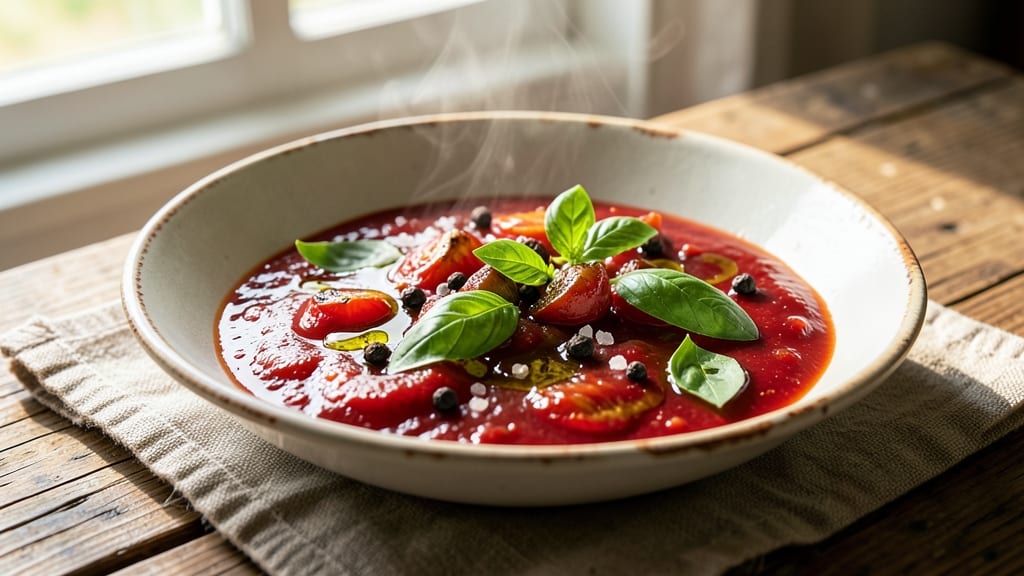
This canned cherry tomato sauce recipe transforms pantry staples into a velvety, sweet-tangy condiment that elevates everything from pasta to pizza—no fresh tomatoes required. The secret lies in simmering canned cherry tomatoes with aromatic herbs until they break down into a luscious, jammy consistency, then blending until perfectly smooth.
I developed this recipe during a particularly busy week when fresh produce was scarce, and it became an instant pantry staple.
The beauty of this sauce is its versatility and ease—just five simple ingredients combine to create a foolproof base that can be customized with garlic, onions, or a pinch of sugar to balance acidity.
Unlike store-bought versions, this sauce develops deeper flavor the longer it simmers, resulting in a rich, concentrated condiment that keeps for months in the fridge. The blending step ensures a silky texture without any seeds or skins, making it ideal for drizzling or spooning.
What you’ll end up with is a perfectly balanced sauce that’s sweet, tangy, and just slightly smoky from the slow simmer.
It’s the kind of condiment that transforms simple meals into restaurant-worthy dishes—think creamy pasta tossed in this sauce, as a pizza base, or even as a dip for crusty bread. The best part? It takes less than 30 minutes to make and requires no special equipment beyond a blender.
Once you’ve mastered this sauce, you’ll find yourself reaching for it in ways you never expected—try it as a marinade for grilled meats, a topping for grilled cheese, or even mixed into mayo for a quick sandwich spread.
The possibilities are endless, and the process is so simple you’ll wonder why you haven’t been making it all along. Let’s get started!
Ingredients for canned cherry tomato sauce
Pantry staples plus a few fresh aromatics—this sauce comes together faster than you can say 'no-fresh-tomatoes-needed'.
| Ingredient | Amount | Notes |
|---|---|---|
| Canned Cherry Tomatoes 🍅 | 28 oz | San Marzano preferred, no liquid |
| Extra-Virgin Olive Oil 🫒 | ¼ cup | High quality, fruity variety |
| Fresh Garlic Cloves 🧄 | 3 cloves | Peeled, roughly chopped |
| Dried Basil 🌿 | 1 tbsp | Or 2 tbsp fresh basil |
| Salt 🧂 | 1 tsp | Kosher or sea salt |
| Black Pepper 🌶️ | ½ tsp | Freshly ground preferred |
| White Sugar 🍚 | 1 tbsp | Adjust to taste |
| Red Wine Vinegar 🍷 | 1 tbsp | For brightness (optional) |
The cherry tomatoes are the star, so San Marzano cans are worth the splurge—they're sweeter and less watery. If you can't find them, any high-quality canned tomatoes work, but drain them well (or even squeeze out excess liquid with your hands). The olive oil should be fruity and peppery—California Early Harvest or Colavita are my go-tos. Fresh garlic cloves make all the difference here (no jarred minced garbage), but if you're in a pinch, two cloves of jarred garlic will do. For dried basil, Penzeys or the bulk bins at Whole Foods have the best quality—it's worth it for that deep, earthy flavor.
No red wine vinegar? Balsamic vinegar or lemon juice works just as well for brightness. Short on sugar? Honey or maple syrup at half the amount adds depth. Want more complexity? Toss in a pinch of smoked paprika or a sprig of rosemary during simmering. The sauce thickens as it cools, so if it feels too thin after blending, simmer it uncovered for another 5 minutes. And if you're using fresh basil, chop it finely—it packs more flavor that way. No fresh herbs? Dried oregano or thyme at half the amount keeps things aromatic.
This sauce tastes even better the next day as flavors meld. Store it in a glass jar in the fridge for up to 2 weeks, or freeze for up to 6 months—it's perfect for batch cooking. I always double the recipe and freeze half. The sauce thickens when chilled, so give it a quick whisk or shake before using. If it separates, just stir it back together—it's normal and won't affect the flavor. Trust me, you'll want to make a big batch. It disappears faster than you'd think.
Why You'll Love This Recipe
- No Pantry Panic: I keep a can of these tomatoes in my cupboard just for this—no fresh tomatoes, no fancy prep, just open, drain, and simmer. The sauce comes together while I chop garlic (which, honestly, is the only real effort here).
- Garlic-Basil Magic: That first hit of sizzling garlic in olive oil? Chef’s kiss. The dried basil deepens as it cooks, giving you a bright, herby punch that’s way more complex than you’d expect from a 5-ingredient sauce.
- Weeknight to Dinner Party: I toss this over pasta for a quick weeknight meal, but it’s also my go-to for bruschetta or drizzled over grilled chicken when I’m feeling fancy. (Between us, no one ever guesses it’s canned.)
- Lasts All Week: This sauce thickens beautifully and keeps for days in the fridge—perfect for when I’m too tired to cook but still want flavor. I freeze half the batch too; thaw it straight into soups or sauces without a second thought.
Step-by-step instructions for canned cherry tomato sauce
This simple method transforms pantry staples into a velvety, sweet-tart sauce with minimal effort.
Prepare the Tomatoes for Cooking
Open the 28 oz canned cherry tomatoes and drain them completely, discarding any liquid. I like to give them a quick rinse under cold water to remove any excess pulp that might make the sauce too thick. Transfer the tomatoes to a large, heavy-bottomed saucepan—this helps prevent scorching during cooking.
Add the 0.25 cup extra-virgin olive oil and stir gently to coat the tomatoes evenly. The oil will help mellow their acidity while adding richness. Place the saucepan over medium heat and let it warm through for about 5 minutes, stirring occasionally. You'll notice the tomatoes begin to soften and release their juices—this is when the flavors start to meld together.
Build Flavor with Garlic and Seasonings
Once the tomatoes are gently simmering, add the 3 peeled, roughly chopped fresh garlic cloves. Stir them in and cook for 2-3 minutes until they become fragrant but never brown—burnt garlic makes the sauce bitter. At this point, sprinkle in the 1 tablespoon dried basil, 1 teaspoon salt, and 0.5 teaspoon black pepper.
I like to press the basil leaves between my fingers to release their oils before adding them to the sauce. This ensures every bite gets that deep, herby flavor. Stir everything together and let it cook for another 3-4 minutes, allowing the spices to bloom and infuse the tomatoes. You should smell a warm, aromatic blend of garlic and basil—this is your cue that the seasonings are working their magic.
Sweeten and Brighten the Sauce
Add the 1 tablespoon white sugar and 1 tablespoon red wine vinegar to the saucepan. The sugar will balance the acidity of the tomatoes, while the vinegar adds a bright, tangy note that cuts through the richness. Stir well to dissolve the sugar completely—you want it to integrate smoothly rather than settle at the bottom.
Let the sauce simmer gently for 15-20 minutes, uncovered. This slow cooking allows the flavors to deepen and the sauce to thicken naturally. Stir occasionally to prevent sticking, and taste as you go. If the sauce seems too acidic, add a pinch more sugar. If it's too sweet, a splash of vinegar will bring it back into balance. The perfect sauce should have a harmonious sweet-tart flavor with no single note overpowering the others.
Finish and Adjust the Texture
Once the sauce has thickened to your desired consistency—it should coat the back of a spoon but still be smooth—remove it from the heat. Use an immersion blender to purée the sauce until it's completely smooth, or transfer it to a blender in batches and blend until silky. If you prefer a chunkier texture, skip blending and simply mash the tomatoes lightly with a wooden spoon.
Taste the sauce one final time and adjust the seasoning if needed. A sprinkle of salt or a drizzle of vinegar can make all the difference. Transfer the sauce to a clean jar or airtight container and let it cool to room temperature. This sauce keeps well in the refrigerator for up to 5 days, making it perfect for meal prep. Serve it warm over pasta, drizzled over grilled meats, or spooned alongside crusty bread for a simple, satisfying meal.
Pro Tips For Making Canned Cherry Tomato Sauce
- Crush the Garlic First: I learned this the hard way—adding whole garlic cloves to simmering tomatoes means you’ll end up with flavorless bits. Mince or press the cloves into a paste before tossing them in. The oil will carry the aroma instantly, and you won’t waste time fishing for undercooked pieces later.
- Drain, Don’t Rinse: Those canned cherry tomatoes come packed in juice, and that’s not just water—it’s concentrated flavor. Drain them, but leave the juice in a separate bowl. If the sauce gets too thick, stir in a splash of that juice instead of plain water. It’ll taste richer every time.
- Simmer, Don’t Boil: High heat turns this sauce into a sad, watery mess. Keep it at a gentle simmer—small bubbles, occasional swirls—so the tomatoes break down without losing their structure or releasing excess liquid. Patience here makes all the difference.
- Toast the Basil: Skip the dried basil straight from the jar. Toast a pinch in the olive oil for 30 seconds first—it deepens the flavor and cuts through the acidity of the tomatoes. (Yes, even if you’re impatient like me, wait for the aroma to hit before adding the tomatoes.)
Flavor customization for this recipe
Sweet-Tart Balance
Adjust the sugar and vinegar ratio to match your preference. For a sweeter sauce, add an extra ½ tablespoon sugar and simmer for 5 more minutes to let it caramelize slightly.
If you prefer tangier, increase the vinegar to 2 tablespoons and finish with a pinch of red pepper flakes for a bright kick. I often taste-test during simmering—this sauce is all about finding your perfect harmony. 🌶️
Herb Variations
Swap out the basil for other dried herbs to create completely different flavor profiles. Try 1 tablespoon dried oregano for a Mediterranean twist or 1 teaspoon dried thyme for an earthy depth.
For fresh herbs, use 2 tablespoons chopped parsley at the end for brightness or 1 tablespoon chopped tarragon for an anise-like note. Always add fresh herbs after cooking to preserve their vibrant flavors.
Umami Boosters
Take your sauce to the next level by adding umami-rich ingredients. A 1 teaspoon soy sauce or ½ teaspoon fish sauce deepens the savory notes beautifully. For a vegetarian option, stir in 1 tablespoon nutritional yeast or a pinch of MSG during the final simmer.
These additions work especially well with pasta dishes where you want that extra layer of complexity. 💡
Spicy Heat Levels
Add heat gradually to avoid overwhelming the sauce. For mild heat, stir in ½ teaspoon crushed red pepper flakes during the final simmer. For medium heat, add 1 teaspoon hot sauce or ½ teaspoon cayenne pepper.
If you love spicy, finish with 1 chopped fresh jalapeño or 1 teaspoon gochujang (Korean chili paste) for a smoky, spicy depth. Always taste first—you can always add more, but you can't take it out.
Smoky Depth
Infuse your sauce with smoky goodness by adding ½ teaspoon smoked paprika or 1 teaspoon liquid smoke during the simmer. For a more intense flavor, char ½ onion in a dry pan until blackened, then blend it into the sauce.
This technique works especially well for pizza bases or as a marinade for grilled meats. The smokiness complements the natural sweetness of the tomatoes perfectly. 🔥
Creamy Variations
Transform your sauce into a creamy condiment by stirring in ¼ cup heavy cream or ½ cup ricotta cheese at the end. For a dairy-free option, blend in ¼ cup coconut cream or 2 tablespoons tahini for richness.
These variations work wonderfully as dips for bread or as a topping for grilled vegetables. The creaminess balances the acidity beautifully while adding a luxurious texture. ✨
Nutrition facts
Frequently asked questions
Can I use regular canned tomatoes instead of cherry tomatoes?
While you can substitute regular canned tomatoes, cherry tomatoes create a sweeter, jammy texture that's perfect for this sauce. If you must use regular tomatoes, crush them by hand first to mimic the texture. You may need to add 1 extra tablespoon sugar since regular tomatoes tend to be more acidic.
How long can I store this sauce in the fridge?
This sauce stays fresh in an airtight container in the refrigerator for 2 weeks. The flavors actually improve over time! For longer storage, freeze it for up to 6 months. Thaw overnight in the fridge before using. The sauce thickens when chilled, so stir it well before reheating.
What's the best way to thicken this sauce if it's too thin?
Simmer the sauce uncovered for 5-10 more minutes to reduce it naturally. For quicker thickening, mix 1 tablespoon cornstarch with 2 tablespoons water, stir it into the sauce, and simmer for 2 minutes until it reaches your desired consistency. Avoid adding flour directly as it can make the sauce taste grainy.
Can I make this sauce without vinegar?
Yes, but the sauce will be less bright. Skip the vinegar if you prefer a more mellow flavor. For acidity without vinegar, add 1 extra tablespoon lemon juice or ½ teaspoon citric acid. The sugar will still help balance any tartness from the tomatoes. Taste as you go to adjust the balance.
What are the best ways to use this sauce beyond pasta?
This versatile sauce works as a marinade for grilled chicken or fish, a pizza base, or a dip for crusty bread. Mix it with cream cheese for a quick bruschetta spread, or drizzle it over roasted vegetables. It also makes a fantastic sandwich spread when thinned with a little olive oil. The possibilities are endless!