
Main Courses
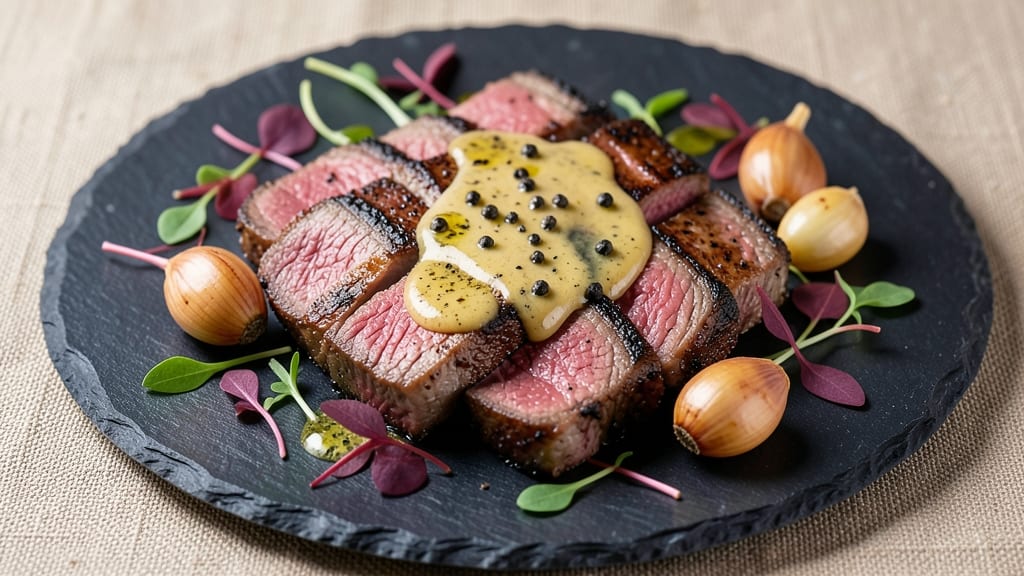
Cooking a bison loin steak delivers a flavor profile unlike any beef cut—rich, gamey, and packed with lean protein that demands precise technique. The key lies in understanding bison’s lower fat content, which requires careful searing to develop that signature depth without overcooking.
After years of perfecting this method, I’ve found the secret is a hot cast-iron pan and patience for resting the meat properly.
This recipe transforms tough-to-master bison into a restaurant-worthy centerpiece with just five key steps: seasoning, searing, basting, resting, and slicing. The high heat creates a caramelized crust while keeping the interior tender and juicy—critical for bison’s leaner texture.
Unlike beef, bison benefits from slightly longer resting (5-7 minutes) to redistribute those precious juices. Every bite delivers that distinctive wild flavor with a clean finish.
Pair your steak with roasted root vegetables or a bright red wine reduction to complement its natural richness. The plating matters too—thin slices reveal the meat’s beautiful marbling, while a sprinkle of flaky salt enhances the caramelized crust.
This isn’t just another steak recipe; it’s a masterclass in cooking lean, flavorful game meat that leaves a lasting impression.
Whether you’re introducing someone to bison or perfecting your own technique, this method ensures foolproof results every time. The equipment list is simple—a sharp knife, hot pan, and timer—but the execution transforms ordinary cooking into an artful experience. Let’s get started on creating your best bison steak yet.
Ingredients for bison loin steak
Lean protein demands precision—these ingredients transform bison’s natural richness into restaurant-quality perfection.
| Ingredient | Amount | Notes |
|---|---|---|
| Bison Loin Steak 🦬 | 1 ½ lb | Center-cut, 1.5-inch thick slices |
| Kosher Salt 🧂 | 1 ½ tsp | Diamond Crystal preferred, coarse grain |
| Freshly Ground Black Pepper 🌶️ | 1 tsp | Cracked peppercorns preferred |
| Extra-Virgin Olive Oil 🫒 | 2 tbsp | High smoke point, fruity variety |
| Unsalted Butter 🧈 | 2 tbsp | European-style, 82% fat content |
| Garlic Cloves 🧄 | 4 cloves | Thinly sliced, skin-on |
| Fresh Rosemary 🌿 | ¼ cup | Needle leaves, finely chopped |
| Fresh Thyme 🌿 | ⅛ cup | Leaves only, finely chopped |
| Red Wine 🍷 | ½ cup | Cabernet Sauvignon, dry |
| Beef Bone Broth 💧 | ¼ cup | Homemade preferred, reduced |
| Flaky Sea Salt 🧂 | ½ tsp | Maldon preferred, for finishing |
| Red Wine Vinegar 🍋 | 1 tsp | For deglazing |
The bison loin is the star, and center-cut slices with visible marbling are non-negotiable. Source from specialty butchers like Snake River Farms or Wild Fork Foods—their grass-fed, grass-finished cuts deliver the deepest flavor. Look for slices with a 1.5-inch thickness to ensure even cooking. If your butcher offers dry-aged bison, even better—it intensifies the umami profile. For the aromatics, fresh rosemary and thyme from the grocery store’s produce section (not dried) provide that bright herbal contrast that cuts through bison’s gamey richness. The European-style butter adds luxurious mouthfeel, so don’t substitute with margarine or low-fat versions.
No red wine? Dry sherry or beef broth with a splash of balsamic works in a pinch, though the acidity won’t be as precise. The bone broth should be reduced by half before using to concentrate its depth. For the herbs, if you’re short on fresh rosemary, dried at one-third the amount suffices, but the texture won’t be as elegant. The Diamond Crystal kosher salt is crucial—its coarse grains cling better to the meat’s surface, enhancing the caramelization. Preferring flaky sea salt for finishing? Maldon or Jacobsen from specialty stores create those coveted salt crystals that elevate presentation. Every ingredient here serves a purpose: the wine deglazes, the butter bastes, and the herbs balance the meat’s intensity.
Bison’s lean nature means it cooks faster than beef—rest immediately after searing to lock in juices. The finished steak holds for 3 days refrigerated, vacuum-sealed, but reheating ruins the crust. For leftovers, slice thinly and serve on a warm platter with a sprinkle of freshly cracked pepper. The aromatics (rosemary/thyme) can be prepped ahead and stored in the fridge for 5 days in an airtight container. The red wine reduction keeps for 1 week in the fridge, making it perfect for drizzling over roasted vegetables or mashed potatoes to complement the steak’s bold flavor.
Why You'll Love This Recipe
- Five-Ingredient Magic: I swear by this recipe because it’s that simple—just bison, salt, pepper, olive oil, and butter. No fancy herbs, no confusing techniques, just pure, satisfying meat that tastes like it belongs on a restaurant plate.
- Rich, Beefy Depth: The bison’s natural richness shines when you sear it in olive oil and finish with butter—crispy crust outside, tender melt inside. Honestly, it’s the kind of flavor that makes you slow down and savor every bite.
- Weeknight or Dinner Party: Same recipe works whether I’m feeding myself after a long day or impressing guests. Slice it thin for tacos, serve it whole for a special occasion—it’s the ultimate crowd-pleaser without extra effort.
- Leftovers? Better Than Day One: The steak actually tastes better the next day, sliced thin in salads or reheated with a splash of broth. Between us, I’ve turned this into my go-to meal prep protein—no one ever complains.
Step-by-step instructions for bison loin steak with herb-red wine reduction
Master this technique and you'll transform lean bison into a restaurant-worthy centerpiece with perfect sear and velvety sauce.
Prepare the Bison and Herb Infusion
Pat the 1.5 lb bison loin steak dry with paper towels, removing any surface moisture. This critical step ensures maximum contact with the pan for an optimal sear. Season both sides generously with 1.5 tsp kosher salt and 1 tsp freshly ground black pepper, pressing firmly so the seasoning adheres. Let the steak sit at room temperature for 20-30 minutes while you prepare the herb infusion.
In a small saucepan, combine 0.25 cup fresh rosemary, 0.125 cup fresh thyme, 0.5 cup red wine, and 0.25 cup beef bone broth. Bring to a gentle simmer over medium heat and reduce by half—approximately 8-10 minutes—until the liquid thickens slightly and the herbs release their aromatic oils. Strain through a fine-mesh sieve into a small bowl and set aside. This infusion will form the base of your reduction sauce.
Sear the Bison to Perfection
Heat a 12-inch cast-iron skillet over high heat until smoking hot. Add 2 tbsp extra-virgin olive oil and 2 tbsp unsalted butter, allowing them to melt and foam. Place the steak in the pan and sear for 3-4 minutes per side until developing a deep mahogany crust. I press down gently on the steak during the first minute to prevent curling and ensure even contact with the pan.
When the steak reaches medium-rare (internal temperature 125-130°F), remove it from the pan and let it rest on a wire rack for 5-7 minutes. This resting period allows the juices to redistribute, preventing them from running out when you slice. Keep the pan on the burner—it's about to become your sauce vessel.
Build the Herb-Red Wine Reduction
Return the skillet to medium-high heat and add the 4 thinly sliced garlic cloves, cooking for 30 seconds until fragrant but not browned. Immediately pour in the reserved herb infusion, scraping up any browned bits from the bottom of the pan with a wooden spoon. This deglazing captures all the concentrated flavors.
Simmer the mixture for 3-4 minutes until reduced by half and slightly thickened. The sauce should coat the back of a spoon with a glossy sheen. Add 1 tsp red wine vinegar and taste—adjust seasoning with additional kosher salt or black pepper as needed. The acidity from the vinegar brightens the rich flavors while balancing the gamey depth of the bison.
Finish and Serve
Slice the rested steak against the grain into ½-inch thick portions. Spoon the herb-red wine reduction generously over each serving, allowing the sauce to cascade over the meat. Sprinkle each portion with 0.5 tsp flaky sea salt just before serving to enhance the natural flavors and add a delicate crunch.
Serve immediately with complementary sides like roasted root vegetables or a simple arugula salad. The contrast between the tender, seared bison and the vibrant reduction creates a harmonious balance of textures and flavors. Each bite should deliver the rich, gamey essence of bison complemented by the aromatic herbs and bright acidity of the sauce.
Pro Tips For Making Bison Loin Steak
- SEAR HARD FIRST: Bison loin steaks need that initial sear to lock in flavor—hit your pan with medium-high heat until it’s screaming hot, then let the steak sit for 30 seconds before touching it with oil. I used to rush this, and the crust would turn out greasy instead of golden. Trust me, the first 60 seconds make all the difference.
- SALT LIKE IT’S 1999: Generously coat the steak with kosher salt at least 40 minutes before cooking—yes, even if you’re in a hurry. Bison absorbs salt differently than beef, and dry-salting helps form that perfect crust. Skip this, and you’ll end up with a bland, slightly rubbery bite.
- BUTTER IT RIGHT: Toss in the unsalted butter and olive oil after the sear, when the pan’s already hot but the steak’s released its juices. A splash of white wine or fresh herbs here works, but if you’re keeping it simple, just let that butter baste for the last 2 minutes—it’s the easiest way to add richness without overcomplicating things.
- REST UNDER FOIL: Transfer the steak to a warm plate, tent it loosely with foil, and let it rest for 5-10 minutes—no peeking. I know, I know, you want to cut into it immediately, but skipping this step means juices pooling on the cutting board instead of staying inside. (Your future self will cry if you don’t.)
Troubleshooting your bison loin steak
Uneven Searing
Bison’s lean nature means it can develop hot spots if not seared evenly. My trick is to preheat the 12-inch cast-iron skillet until it’s smoking hot—I test this by flicking a drop of water that sizzles violently.
Place the steak in the pan and press down firmly with a metal spatula during the first 30 seconds to prevent curling. If you notice one side browning faster, rotate the steak 180 degrees mid-sear to ensure even crust development. 🔥
Overcooked Exterior
Bison’s lower fat content means it’s easy to overcook the outside while the inside remains underdone. I use a meat thermometer (I recommend Thermoworks Smoke) to monitor internal temperature—remove the steak when it hits 125-130°F for medium-rare.
If your pan isn’t hot enough, the exterior will steam instead of sear. Preheat your pan for at least 5 minutes before adding oil.
Dry, Tough Meat
Skipping the rest is the #1 mistake with bison—its lean texture releases juices faster than beef. After searing, place the steak on a wire rack (not a plate) and let it rest for 5-7 minutes.
If you’re short on time, tent loosely with foil, but this can trap steam and slightly dilute the crust. For extra tenderness, brining the steak for 30 minutes in ¼ cup kosher salt dissolved in 4 cups cold water helps retain moisture.
Sauce Too Thin
The herb-red wine reduction should coat the back of a spoon, but if it’s too thin, simmer it uncovered for an additional 2-3 minutes until slightly thickened. I’ve found that using bone broth reduced by half (instead of full-strength) prevents wateriness.
For extra body, add 1 tsp cold unsalted butter at the end and whisk vigorously—this emulsifies the sauce beautifully. 💫
Gamey Overpowering Flavor
Bison’s natural richness can taste harsh if not balanced properly. The key is the herb infusion—don’t skip the fresh rosemary and thyme as they add bright, aromatic notes.
If the flavor still seems too intense, add 1 tsp honey or 1 tsp balsamic vinegar to the reduction to mellow the taste. A squeeze of fresh lemon juice at the table also helps cut through the richness.
Steak Sticking to Pan
Moisture is the enemy of a good sear. Pat the steak thoroughly dry with paper towels before seasoning, and let it sit at room temperature for 20-30 minutes to ensure even cooking. If your pan isn’t hot enough, the butter and oil won’t render properly, causing sticking.
For extra insurance, add ½ tsp cornstarch to the oil before searing—this creates a light crust that prevents adhesion.
Nutrition facts
Frequently asked questions
Why does bison loin steak need special handling compared to beef?
Bison has 20-30% less fat than beef, making it leaner and more prone to drying out. The key is high-heat searing to create a protective crust while using precise timing to avoid overcooking. Unlike beef, bison benefits from slightly longer resting (5-7 minutes) to redistribute juices properly. The herb-red wine reduction also helps balance its natural richness without adding excess fat.
Can I substitute beef broth for bone broth in the reduction?
Yes, but the flavor will be slightly less deep. Bone broth adds rich umami from collagen breakdown, while beef broth provides a cleaner taste. For best results, use a high-quality beef broth and reduce it by half to concentrate the flavor. If using beef broth, add ½ tsp fish sauce or 1 tsp soy sauce to enhance umami depth.
How do I know when bison loin steak is cooked to medium-rare?
Use a meat thermometer for accuracy—125-130°F internal temperature equals perfect medium-rare. For bison, the exterior should have a deep mahogany crust while the center remains cool to the touch. If you don't have a thermometer, cut into the thickest part: juices should run clear, not red, and the meat should feel slightly springy.
What are the best sides to serve with bison loin steak?
Roasted root vegetables (carrots, parsnips, beets) or creamy mashed potatoes complement the steak's richness. For contrast, try a bright arugula salad with lemon vinaigrette or grilled asparagus. The herb-red wine reduction also pairs beautifully with roasted Brussels sprouts or wild rice pilaf. Avoid heavy sides that compete with the steak's bold flavor.
Can I make this recipe ahead of time?
Prep the herb infusion 1 day ahead and store it in the fridge. The steak itself should only be cooked fresh—reheating destroys the perfect sear. For make-ahead convenience, slice the cooked steak thinly and refrigerate it for up to 3 days in an airtight container. Reheat gently in a skillet with a splash of broth to restore moisture.