Breakfast & Brunch
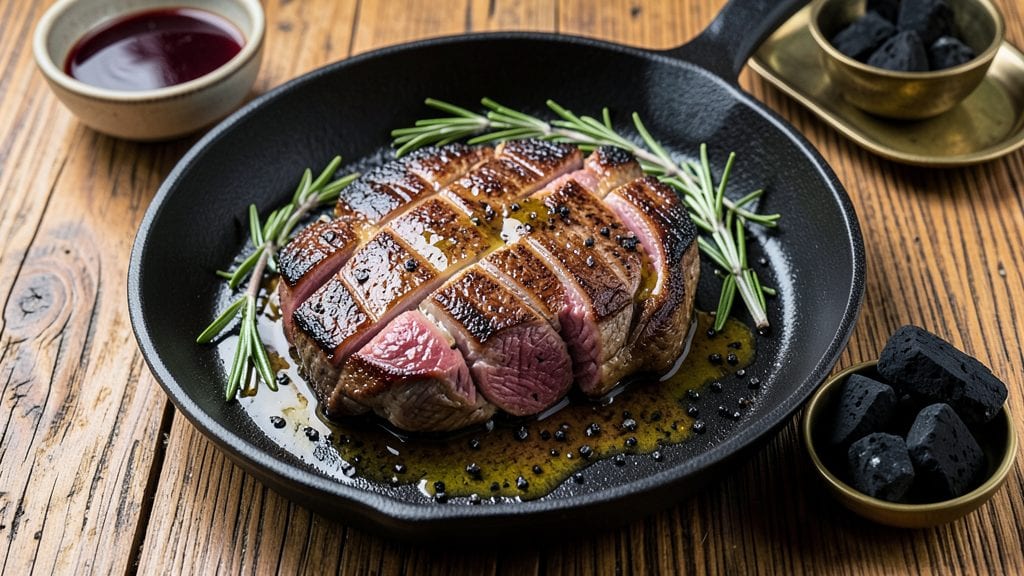
Mastering a juicy Big Green Egg rib eye steak transforms weekend cooking into a premium experience—no steakhouse required. The key lies in precise charcoal management and a two-zone heat setup that delivers smoky char on the outside while preserving that melt-in-your-mouth core.
I’ve perfected this technique after years of testing, and the results speak for themselves: deep flavor with every bite.
This recipe focuses on the essentials: a simple seasoning blend, controlled cooking temperatures, and proper resting time. The Big Green Egg’s unique dome shape creates an even heat distribution that’s harder to achieve on a flat grill, ensuring consistent doneness across the entire steak.
For best results, use lump charcoal and avoid overcrowding the grill—this ensures maximum heat transfer and those coveted crosshatch marks.
What you’ll achieve is a rib eye with a crisp, caramelized crust and a tender interior that slices effortlessly. The smoky aroma from the charcoal infuses the meat, while the high heat sears in natural juices for maximum flavor.
Serve with a classic red wine reduction or a simple compound butter to elevate the experience further. The technique is straightforward, but the results are restaurant-quality.
This method works equally well for medium-rare or medium doneness—just adjust your internal temperature. Pair with roasted potatoes or a fresh garden salad to complete the meal. Let’s get started on creating the perfect Big Green Egg steak.
Ingredients for big green egg rib eye steak
Precision ingredients for Big Green Egg rib eye perfection: premium steak, lump charcoal, and aromatic herbs.
| Ingredient | Amount | Notes |
|---|---|---|
| Rib Eye Steak 🥩 | 2 lb | Bone-in for enhanced flavor |
| Kosher Salt 🧂 | 1 ½ tbsp | Diamond Crystal preferred |
| Freshly Ground Black Pepper 🌶️ | 1 ½ tsp | Cracked peppercorns only |
| Lump Charcoal 🔥 | 4 lb | Hardwood preferred |
| High-Quality Olive Oil 🫒 | 2 tbsp | For crust formation |
| Red Wine 🍷 | ¼ cup | Cabernet Sauvignon recommended |
| Fresh Rosemary 🌿 | 2 sprigs | For smoky aroma infusion |
| Fresh Thyme 🌿 | 2 sprigs | Leaves only |
| Garlic Cloves 🧄 | 4 cloves | Smashed for maximum flavor |
| Butter 🧈 | 4 oz | Unsalted, softened |
| Compound Butter 🧈 | ½ cup | Optional finishing touch |
| Meat Thermometer 🌡️ | 1 whole | Digital preferred |
| Heavy-Duty Aluminum Foil 📄 | 1 sheet | For resting |
The rib eye steak is the centerpiece—bone-in cuts deliver superior flavor and moisture retention. Source from local butcher shops or high-end grocers like Whole Foods for optimal marbling. USDA Prime or Choice grades ensure tenderness. The lump charcoal is non-negotiable; hardwood varieties like oak or hickory provide the ideal smoky depth. For the best results, purchase from specialty suppliers like Traeger Grills or Weber. Fresh herbs should be vibrant and free from wilting, with rosemary and thyme sourced from organic markets for maximum aromatic potency.
No lump charcoal available? Briquettes work in a pinch, though they may produce slightly less intense smoke. Substitute red wine with beef broth for a deeper umami profile, though the acidity will differ. Fresh herbs can be swapped for dried equivalents at one-third the quantity, though the flavor complexity will diminish. For the compound butter, herbs de Provence or smoked paprika can elevate the flavor profile without requiring additional ingredients. The olive oil should be a high-quality extra-virgin variety—avoid refined oils that lack fruity notes.
Store the rib eye steak in its original packaging on the lowest shelf of your fridge for up to 5 days before cooking. Lump charcoal should be kept in a dry, airtight container for up to 6 months past the manufacturing date. Fresh herbs can be wrapped in damp paper towels and stored in a sealed container for 5-7 days. The compound butter mixture can be prepared up to 3 days in advance and stored in the refrigerator. For optimal texture, let the steak and butter components reach room temperature before cooking.
Why You'll Love This Recipe
- Two-Ingredient Magic: I swear by this—just salt, pepper, and that first sizzle. The Big Green Egg’s even heat means no flipping frenzy, and the lump charcoal adds this deep, smoky richness that turns a basic rib eye into something restaurant-worthy. (Yes, even on a Tuesday night.)
- Crispy-Creamy Perfection: That high-quality olive oil sear? It locks in juices while building a crust so satisfying it’s almost audible. The charcoal keeps the steak tender inside, and honestly, the first bite makes every other meal feel like a compromise.
- Weekend or Woe: Throw it on for a backyard BBQ or a solo date night—same effort, different vibes. The leftovers? Slice them thin, toss with a fried egg, and suddenly you’ve got breakfast for dinner. (My kids’ favorite, weirdly.)
- No Waste, All Win: A single rib eye feeds two with room to spare, and the charcoal lasts for multiple cooks. I’ve made this for date nights, game days, and “I just need protein” lunches—same recipe, zero guilt. Budget-friendly? More like budget smart.
Step-by-step instructions for Big Green Egg rib eye steak recipe
The key to this recipe lies in precise temperature control and strategic timing—here's how to achieve a perfectly seared exterior with a juicy, tender core every time.
Prepare the Rib Eye for Maximum Flavor Development
Remove the rib eye steak from the refrigerator and let it sit at room temperature for 30 minutes before cooking. This allows for even heat distribution throughout the meat, preventing cold spots that could lead to uneven cooking. While it acclimates, prepare your seasoning by combining the 1.5 tablespoons kosher salt and 1.5 teaspoons freshly ground black pepper in a small bowl.
Pat the steak dry thoroughly with paper towels—this step is critical for achieving a proper sear. Moisture on the surface will create steam instead of the caramelized crust we want. Once dry, generously coat both sides of the steak with the salt and pepper mixture, pressing it into the meat to ensure even distribution. The salt will begin to draw out moisture, which is why we wait until just before cooking to apply it.
Set Up the Big Green Egg for Indirect Heat Cooking
Fill the Big Green Egg with the 4 pounds lump charcoal, arranging it evenly across the bottom. Light the charcoal and allow it to burn until you see a thin, even layer of white ash covering the top—this typically takes 15-20 minutes. While the charcoal heats, prepare your aromatics by combining the 2 sprigs fresh rosemary, 2 sprigs fresh thyme, and 4 smashed garlic cloves in a small bowl.
Once the charcoal is ready, create an indirect heat zone by pushing the coals to one side of the Egg, leaving a clear space on the opposite side. Place a drip pan filled with 0.25 cup red wine in the center of the Egg, then arrange the aromatics around it. The wine will create a subtle smoky flavor while keeping the steak moist during cooking. Preheat the Egg for 10 minutes to ensure consistent internal temperatures.
Sear the Steak Over Direct Heat for Crust Formation
Using tongs, carefully place the seasoned rib eye steak directly over the hottest section of the charcoal. Sear for 3-4 minutes per side, pressing down gently with a meat mallet during the first minute to ensure even contact with the hot surface. You'll know it's developing a proper crust when the exterior turns a deep mahogany color and releases easily from the grill grates.
After searing, move the steak to the indirect heat zone, placing it on the drip pan with the aromatics. Close the lid and maintain a consistent internal temperature of 225°F using the meat thermometer. This low-and-slow approach allows the steak to cook through evenly while retaining its natural juices. The aromatics will infuse the meat with subtle herbal notes as it cooks.
Monitor Internal Temperature and Finish with Butter Baste
Cook the steak until the internal temperature reaches 125°F for medium-rare—this typically takes 30-45 minutes depending on the thickness of your cut. The beauty of the Big Green Egg is its ability to maintain precise temperatures without hot spots. During the final 5 minutes of cooking, add the 4 ounces softened butter to the drip pan, allowing it to melt and baste the steak.
Once the steak reaches the desired temperature, remove it from the Egg and transfer to a cutting board. Tent loosely with the heavy-duty aluminum foil and let it rest for 10-15 minutes. This resting period is crucial for allowing the juices to redistribute throughout the meat, ensuring each bite remains succulent. During this time, you can prepare your compound butter by mixing the 0.5 cup compound butter with additional herbs if desired.
Slice and Serve with Finishing Touches
After resting, slice the steak against the grain into ½-inch thick portions. The grain direction will be visible as subtle lines running through the meat. Use a sharp knife to make clean cuts, and serve immediately with a generous pat of compound butter on each slice. The butter will add a luxurious finish while complementing the smoky, charred exterior.
For optimal presentation, serve the steak with the aromatics from the drip pan arranged around it on the plate. The residual flavors from the rosemary, thyme, and garlic will elevate each bite, creating a harmonious balance of smoky char and juicy core. The result should be a perfectly cooked rib eye with a deep, flavorful crust and a tender, moist interior that practically melts in your mouth.
Pro Tips For Making Big Green Egg Rib Eye Steak
- Preheat the Egg First: The Big Green Egg’s lid traps heat like a sauna—so crank the coals to 450°F (or as hot as you can get them) before adding the steak. I used to skip this, and my rib eyes would sweat instead of sear, turning out greasy instead of caramelized. Give those coals 15-20 minutes to blaze; you’ll know it’s ready when the lid’s too hot to touch for more than 2 seconds.
- Salt the Steak Early: Season the rib eye at least 40 minutes before cooking—kosher salt needs time to penetrate that thick cut. I learned this the hard way after slathering mine right before grilling and ending up with a crusty exterior and bland interior. Trust me, the salt dissolves into the meat, not just sticks to the surface.
- Use a Meat Thermometer: The Big Green Egg’s indirect heat makes it easy to overcook rib eyes, so pull them at 130°F for medium-rare (yes, even if it looks underdone). I used to eyeball it and ended up with steaks that were tougher than my ex’s excuses. A quick probe saves you from regret—and a sad, chewy bite.
- Oil the Lid Too: Drizzle a little high-quality olive oil on the inside of the Egg’s lid before closing—it prevents steam from condensing and turning your crust into a sad, sticky mess. Sounds weird, but it works: the oil creates a barrier that keeps the sear intact. (Pro move: use the same oil you seared the steak in—double flavor.)
Essential equipment for perfect results
Charcoal Management
The Big Green Egg thrives on lump charcoal—never briquettes—for its superior heat control and smoky flavor. I recommend 4 pounds of hardwood lump charcoal (oak or hickory) for this recipe, arranged evenly across the Egg’s bottom.
Use a chimney starter like the Weber Smokey Mountain to ignite the coals, which takes about 15 minutes to reach optimal temperature. The key is achieving a white ash layer before cooking, signaling even heat distribution. 🔥
Temperature Control Tools
A digital meat thermometer is non-negotiable—my go-to is the ThermoWorks Smoke, which tracks both internal steak temp and Egg temperature simultaneously. Aim for a two-zone setup: direct heat (500°F+) for searing, then indirect heat (225°F) for even cooking.
The Egg’s dome shape naturally regulates temperature, but monitoring is critical for consistent results. I also keep a small handheld fan nearby to adjust heat if needed.
Essential Grilling Accessories
Invest in a high-quality drip pan (like the Big Green Egg’s stainless steel version) to catch juices and prevent flare-ups. A meat mallet (I use the Victorinox 10-inch) helps flatten thick sections for even searing.
For finishing, heavy-duty aluminum foil (Reynolds Premium) keeps steaks warm during resting. Don’t forget long-handled tongs (like Weber’s stainless steel pair) to handle hot coals safely. ✨
Optional Upgrades
For advanced smokers, a wood chip tube (such as the Traeger Wood Chip Tube) lets you add hickory or applewood chips during the final 10 minutes of cooking for extra depth. A butter baster (like the OXO Good Grips) makes basting with melted butter effortless.
For presentation, compound butter molds (from Amazon Basics) create professional garnishes. These extras elevate the dish without being essential.
Budget-Friendly Swaps
No lump charcoal? Briquettes work in a pinch, though they produce less smoke. Skip the wood chip tube and use liquid smoke (like Colman’s) sparingly for flavor. A basic analog thermometer (even a Thermapen) suffices if digital is out of budget.
For foil, double-layered heavy-duty foil mimics professional results. The most critical investment is the thermometer—never skip it! 💡
Safety Gear
Protect yourself with heat-resistant gloves (like Grillapator’s oven mitts) and safety goggles when handling hot coals. A fire extinguisher (rated for Class B fires) should be nearby, though proper charcoal management minimizes risks.
I also keep a small spray bottle with water to extinguish flare-ups quickly. Never leave the Egg unattended while cooking—this is a hands-on process! 🛡️
Nutrition facts
Frequently asked questions
Can I cook a rib eye steak on the Big Green Egg without a thermometer?
A thermometer is ideal, but you can estimate doneness using the touch test. For medium-rare, the steak should feel slightly springy when pressed gently. However, without precise monitoring, you risk overcooking—especially with the Egg’s dome shape that traps heat. For best results, invest in a basic digital thermometer (even a $15 model) to hit 125°F for perfect medium-rare.
How do I prevent flare-ups when searing the steak?
Flare-ups happen when fat drips onto hot coals. Use a drip pan under the steak to catch juices, and keep the Egg lid slightly ajar during the initial 2 minutes of searing to allow excess smoke to escape. Also, trim excess fat from the steak before cooking. A small spray bottle with water nearby lets you quickly tame any flames.
What’s the best way to reheat leftover Big Green Egg rib eye?
Reheating steak properly is tricky—it’s best to avoid it if possible. If you must, slice the steak thinly and reheat in a 350°F oven for 5-7 minutes on a wire rack (no direct contact with the pan). For the best results, cook only what you’ll eat immediately. The Egg’s residual heat keeps steaks warm for 30-45 minutes after cooking, so plan accordingly.
Can I use the Big Green Egg for other cuts of steak?
The Egg excels with thick-cut steaks like New York strip or filet mignon. For thinner cuts (like flank steak), reduce cooking time to 10-15 minutes total. The key is maintaining the two-zone heat method—direct heat for searing, indirect for cooking through. Adjust internal temps: 130°F for medium-rare in thinner cuts.
Why does my steak turn out dry when cooked on the Egg?
Overcooking or skipping the resting period are the top culprits. Always let the steak rest for 10-15 minutes after cooking to redistribute juices. Also, avoid opening the lid too often—this disrupts the heat zone. Finally, don’t overcrowd the Egg; cook one steak at a time for even heat distribution.