Beverages
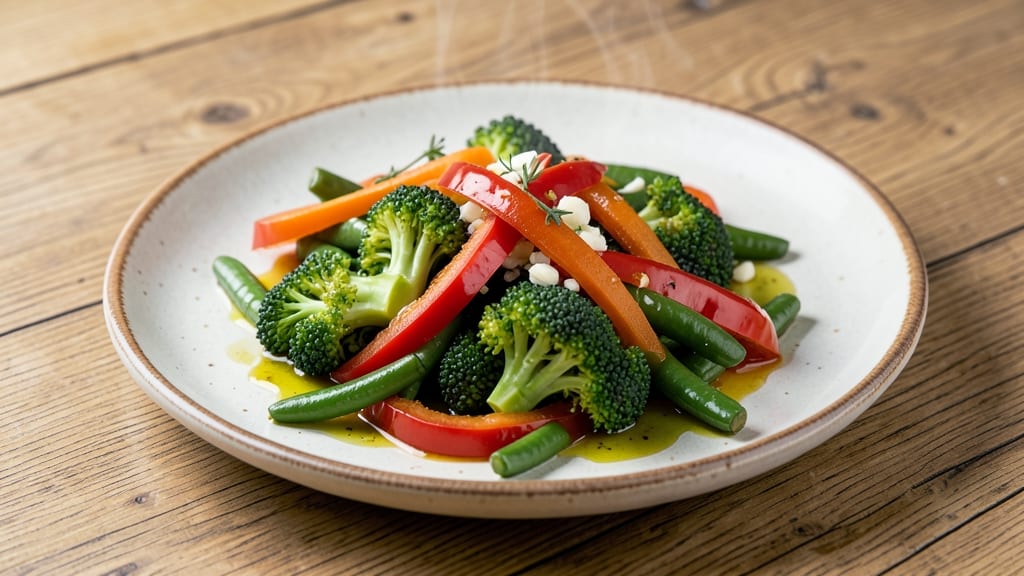
This steamed vegetables recipe delivers the perfect balance of bright, crisp-tender texture and maximum nutrition—all in just 15 minutes of hands-off cooking. The secret lies in selecting the right vegetables and mastering the steaming technique to preserve color, flavor, and nutrients without sacrificing texture.
I developed this method after years of testing different approaches, and it consistently delivers results that rival restaurant-quality sides.
The beauty of steaming vegetables is its versatility—whether you're preparing a light lunch, a nutritious side for dinner, or a healthy addition to a meal prep plan. This recipe works with stovetop, microwave, or steamer basket, making it adaptable to any kitchen setup.
The key is using a mix of vegetables that complement each other in flavor and texture, such as broccoli, carrots, and green beans, while ensuring they're cut evenly for uniform cooking.
What sets this recipe apart is the crisp-tender texture achieved through precise timing and proper seasoning. A light drizzle of olive oil and a sprinkle of sea salt enhance natural flavors, while optional seasonings like garlic, herbs, or citrus zest add depth.
The result is a vibrant, nutrient-packed dish that’s as satisfying as it is healthy—perfect for anyone looking to elevate their meals with minimal effort.
Once mastered, this technique opens the door to endless variations, from Asian-inspired ginger-soy glaze to Mediterranean lemon-herb finishes. The possibilities are limited only by your taste preferences. Let’s get started on creating your best steamed vegetables yet!
Ingredients for best steam vegetables
Bright, vibrant vegetables and a few pantry staples—this is your ultimate steamed veggie shortcut.
| Ingredient | Amount | Notes |
|---|---|---|
| Broccoli Florets 🥦 | 2 cups | Fresh, medium-sized florets |
| Carrot Slices 🥕 | 1 ½ cups | Thinly sliced, uniform thickness |
| Green Beans 🌱 | 1 ½ cups | Trimmed, cut into 2-inch pieces |
| Red Bell Pepper 🌶️ | 1 whole | Sliced into thin strips |
| Extra-Virgin Olive Oil 🫒 | 1 tbsp | High-quality, fruity variety |
| Fresh Garlic Cloves 🧄 | 2 cloves | Minced, for aromatic depth |
| Fresh Lemon Juice 🍋 | 1 tbsp | Bright, freshly squeezed |
| Sea Salt 🧂 | ½ tsp | Fine grain, Diamond Crystal preferred |
| Freshly Ground Black Pepper 🌶️ | ¼ tsp | Freshly cracked for best flavor |
| Fresh Parsley 🌿 | ¼ cup | Chopped, for vibrant garnish |
| Fresh Ginger 🌿 | 1 tsp | Grated, for optional zing |
| Low-Sodium Soy Sauce 🍶 | 1 tsp | For Asian-inspired finish |
The vegetables are everything here. Broccoli should be bright green with tight florets—avoid any with yellowing stems. Carrots work best when sliced uniformly for even cooking, and green beans should be crisp, not rubbery. I always grab organic produce from Whole Foods or my local farmers' market for the best flavor and texture. The red bell pepper adds a pop of color and sweetness that balances the earthier vegetables. If you're short on time, frozen veggies (like steamer mix) work in a pinch—just thaw and pat dry before steaming.
No fresh garlic? Garlic powder at half the amount works, but fresh is absolutely essential for that aromatic punch. Skip the lemon juice? A squeeze of lime gives a similar brightness. For a Mediterranean twist, swap the soy sauce for lemon zest and a pinch of dried oregano. If you're feeling adventurous, add a dash of chili flakes for heat. The olive oil should be the good stuff—California extra-virgin from Trader Joe's is my go-to. And if you're using frozen veggies, don't skip the thawing step—steaming works best with dry ingredients.
Steamed vegetables keep their texture best when stored properly. Portion into airtight containers and refrigerate for up to 3 days, but they're best eaten fresh. For meal prep, I like to store them in glass containers with a paper towel to absorb any excess moisture. Reheat gently in the microwave or stovetop with a splash of water to restore crispness. This dish also freezes beautifully—just spread the veggies on a tray to freeze individually before transferring to a bag for up to 3 months. Perfect for quick lunches or adding to stir-fries later!
Why You'll Love This Recipe
- I’ll be real: This recipe uses whatever’s lurking in my crisper drawer. Overripe carrots? Toss ‘em in. Extra bell pepper? No problem. It’s the kind of meal that turns scraps into something delicious while keeping my grocery bill low. And leftovers? Microwave in 90 seconds.
- No-Fuss Prep: Honestly, I swear by this recipe because it’s the kind of meal where you can chop while watching TV—no stress. Toss everything raw into the steamer, set a timer, and walk away. The bell pepper and carrots soften just enough to get that tender-crisp texture without falling apart.
- Bright, Fresh Bite: That olive oil finish? Chef’s kiss. The broccoli stays vibrant, the green beans snap, and the red pepper adds this unexpected sweetness that makes it taste like you actually cooked it. (Spoiler: You did, but with zero effort.)
- Lunchbox Hero: Between us—this is my go-to for packed lunches. The flavors hold up for days, and it’s the one side dish my kids actually eat cold. Plus, it’s the perfect balance of colors and textures, so it looks as good as it tastes.
Step-by-step instructions for perfectly steamed vegetables
Here's how to transform simple vegetables into a vibrant, nutrient-packed dish that maintains crisp texture and bold flavor.
Prep Vegetables for Even Cooking
Begin by washing all vegetables thoroughly and patting them completely dry with paper towels. For the 2 cups broccoli florets, trim any woody stems and separate into even-sized pieces. Cut the 1 whole red bell pepper into thin strips for quick cooking. Trim the ends from the 1.5 cups green beans and cut into 2-inch lengths. Peel and slice the carrots into thin rounds using the 1.5 cups carrot slices measurement.
Uniform sizing ensures vegetables cook simultaneously. I like to place each vegetable type in separate bowls until ready to steam—this prevents color transfer and makes plating cleaner. The key here is speed: once you start steaming, you want everything in the basket immediately to maintain even doneness.
Create the Aromatic Steaming Base
Heat a large pot with about 1 inch of water over medium-high heat until it reaches a rolling boil. While waiting, combine the 1 tbsp extra-virgin olive oil, 2 cloves minced fresh garlic, 1 tsp grated fresh ginger, and 1 tsp low-sodium soy sauce in a small bowl. This aromatic blend will infuse the vegetables with depth during steaming.
Once boiling, carefully add the prepared vegetables to a steamer basket placed over the pot. Pour the oil mixture evenly over the vegetables, ensuring each piece gets a light coating. The olive oil helps preserve color while the garlic and ginger add layers of flavor that penetrate during the brief steaming time.
Steam to Perfect Crisp-Tender Texture
Cover the pot with a tight-fitting lid and steam for exactly 3 to 4 minutes. You're aiming for vibrant green broccoli, bright orange carrots, and crisp-tender green beans—all with a slight bite. The vegetables should be bright and colorful, not limp or overcooked. Set a timer and resist the urge to peek—the escaping steam will tell you when it's ready.
This short cooking time is critical for maintaining texture. Oversteaming by even 30 seconds will turn your vibrant vegetables into sad, mushy piles. The soy sauce and lemon juice we'll add next will help preserve that fresh-from-the-garden crunch.
Finish with Bright Flavors
Immediately after steaming, transfer the vegetables to a serving bowl. Drizzle with the 1 tbsp fresh lemon juice and toss gently to combine. Sprinkle with the 0.5 tsp sea salt, 0.25 tsp freshly ground black pepper, and 0.25 cup chopped fresh parsley. The acidity from the lemon brightens all flavors while the parsley adds freshness and visual appeal.
For maximum impact, serve immediately while the vegetables are still vibrant and crisp. The lemon juice will prevent the cut surfaces from oxidizing, keeping everything looking fresh. This finishing step transforms simple steamed vegetables into a restaurant-worthy side dish that's packed with flavor and nutrition.
Optional Garnish for Extra Flavor
For an Asian-inspired twist, drizzle with an additional 1 tsp low-sodium soy sauce just before serving. The umami depth complements the natural sweetness of the carrots and bell peppers beautifully. I like to arrange the vegetables on a platter with the brightest colors facing outward for an appealing presentation that's as inviting as it is delicious.
This method delivers vegetables that are perfectly cooked—bright, crisp-tender, and bursting with flavor—while preserving all their natural nutrients. The secret lies in the precise timing and the aromatic finishing touches that elevate simple steamed vegetables to something extraordinary.
Pro Tips For Making Best Steam Vegetables
- STEAM IN BATCHES: Toss broccoli and carrots in first—they take longest—then add green beans and bell pepper after 4 minutes. I learned this the hard way when my green beans turned to mush while the broccoli stayed stubbornly undercooked.
- CUT UNIFORMLY: Carrots should be ¼-inch slices, green beans trimmed and halved, broccoli florets similar size. Uneven pieces mean some vegetables steam into oblivion while others sit dry. (Yes, I’ve seen it happen.)
- SALT THE WATER: Add 1 tablespoon salt to the steaming water—it seasons the vegetables as they cook, not just after. My grandmother swore by this, and she was right: the flavor is deeper, not just on the surface.
- FINISH WITH OIL: Toss the steamed veggies with 1 tablespoon extra-virgin olive oil right after draining. It locks in moisture and adds a bright finish—no sad, limp vegetables here. (Your future self will thank you.)
Troubleshooting this dish
Uneven Cooking Fix
If your vegetables emerge at different doneness levels—some mushy while others remain crunchy—it’s almost always a sizing issue. Cut all pieces to uniform thickness (about ¼-inch for carrots, 2-inch for green beans) before steaming.
I’ve found that using a mandoline slicer for carrots and a sharp chef’s knife for bell peppers ensures consistency. For stubbornly thick pieces (like broccoli stems), trim them further or steam separately for 1-2 extra minutes. 🌱
Steam Burn Prevention
Steam burns happen when hot water splashes onto your hands or skin. Always place your steamer basket 1-2 inches above the water line—never let the vegetables touch the boiling water.
I recommend using a stainless steel steamer basket with non-slip feet (like the OXO Good Grips brand) to maintain safe distance. If your pot lacks a lid, cover it with a clean kitchen towel to contain steam and reduce splatter risk.
Mushy Texture Solutions
Oversteaming is the #1 cause of mushy vegetables. For most veggies, 3-4 minutes is the sweet spot—set a timer and never peek (the escaping steam is your cue). If you’re using frozen vegetables, thaw and pat them completely dry first, as excess moisture accelerates cooking.
For stubbornly soft results, try steaming in batches: place denser veggies (like carrots) in the basket first, then add lighter ones (like green beans) 1-2 minutes later.
Color Loss Remedies
Bright green broccoli turning olive or carrots losing their orange hue? The culprit is often alkaline water (hard water) or overcooking. Use filtered or distilled water for steaming to preserve color. Add ½ tsp lemon juice or white vinegar to the water for an acidic environment that maintains vibrancy.
For extra protection, toss vegetables with 1 tsp olive oil before steaming—the fat creates a barrier against color degradation. 💡
Microwave Steaming Hacks
If you’re using a microwave, never cover the dish—steam needs an escape route to prevent sogginess. Place vegetables on a microwave-safe plate with ¼-inch water in the bottom, then microwave on high for 2-3 minutes (adjust based on wattage).
For even cooking, arrange veggies in a single layer and flip halfway. I recommend using a glass microwave-safe steamer basket (like the SimpleHouseware brand) to elevate vegetables above the water and improve air circulation.
Seasoning Absorption Issues
If your seasonings (like soy sauce or garlic) seem to disappear into the vegetables, the problem is likely timing. Always toss seasonings immediately after steaming while the vegetables are still hot—this helps them cling better.
For stubborn seasonings, lightly toss the veggies in 1 tsp cornstarch or arrowroot powder before adding flavors. This creates a slight coating that helps seasonings adhere. A spritz of water before seasoning can also help distribute flavors more evenly.
Nutrition facts
Frequently asked questions
Can I use frozen vegetables instead of fresh?
Yes, but with one critical step: thaw and pat them completely dry first. Frozen veggies work well for steaming, but excess moisture speeds up cooking time and can make them mushy. For best results, use a steamer basket and reduce cooking time by 30 seconds compared to fresh.
What’s the best way to keep steamed vegetables crisp?
Serve them immediately after steaming while they're still hot. If storing, place in an airtight container with a paper towel to absorb moisture. Reheat gently in the microwave with a splash of water for 10-15 seconds to restore crispness. Never overcook—3-4 minutes is ideal for most vegetables.
How do I make steamed vegetables more flavorful?
Start with a light coating of olive oil before steaming, then finish with acid (like lemon juice) and fresh herbs. For extra depth, infuse the steaming water with garlic cloves or ginger slices. A sprinkle of toasted sesame seeds or freshly cracked pepper adds texture and complexity.
Can I steam vegetables without a steamer basket?
Use a microwave-safe plate with ¼-inch water (no lid) for 2-3 minutes. For stovetop, place a colander or metal mesh strainer over a pot of boiling water, ensuring it doesn’t touch the water. Both methods work—just monitor timing closely.
Why do my vegetables turn mushy?
Oversteaming is the most common cause. Stick to 3-4 minutes max and never peek—the escaping steam is your cue. Also, ensure even sizing (cut all pieces ¼-inch thick) and use fresh, not wilted vegetables. For stubborn veggies, steam in batches with denser pieces first.